
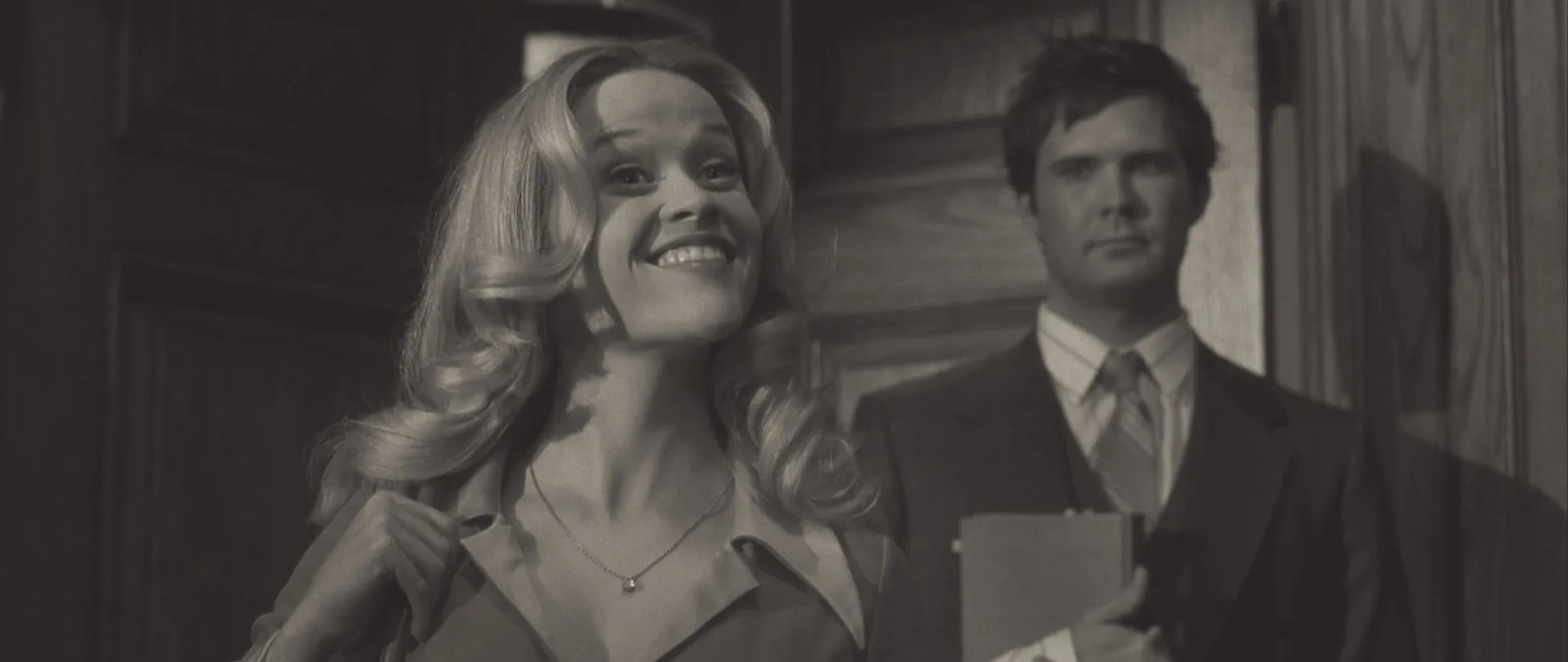
A Practical Diagnostic: 5 Questions to Test Any Character Arc
An ending that does not land is easy to feel and hard to locate. The story may be well built. The idea may be strong. The protagonist may be visibly different from the person they were on page one, and the last scene still comes out flat, or rushed, or strangely hollow. The feeling is reliable. The cause is almost always somewhere earlier in the draft.
A character arc is three things. A habit that keeps the protagonist safe. Pressure that makes the habit cost more than it protects. And a world that answers the protagonist’s choice the same way it has answered everything else in the story. That is the whole test, and it breaks into five questions that can be asked of any story: what the character refuses to do at the beginning, why that refusal works at first, when it wins for the wrong reasons, whether the character finally drops it or keeps it, and what the world does in response. In the Tale Spinning Method the refusal is called the Bad Habit, and each of the five questions is a way of asking where the Habit is in the draft.
The question you cannot answer cleanly is the useful one. It marks the place where the pressure on your protagonist leaks out.
Three films run through all five questions below: Legally Blonde, Mystic River and Nightcrawler. They are here because they end three different ways. One protagonist changes and is rewarded. One refuses and is punished. One gets worse and wins. If the questions hold across those three, they will hold on your draft.
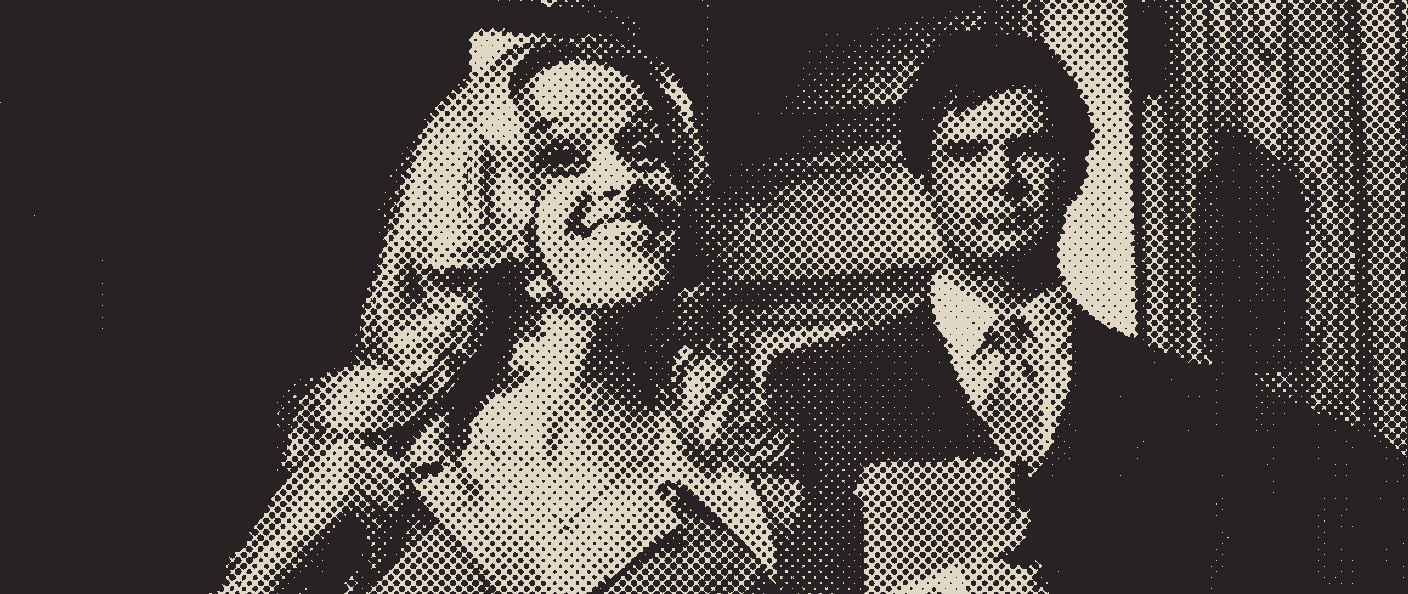
Question 1: What Is the Character Unwilling to Do at the Beginning?
Before growth, transformation or theme, start here. At the beginning of any story with a real arc there is something the protagonist will not do.
Not something they can’t do. Something they won’t.
This is not about morality or likability. It is about behaviour. What line does the character refuse to cross? What action is off-limits, unnecessary or unthinkable to them when the story opens? Sometimes the refusal is spoken. Sometimes it is only visible in practice. Either way it should be clear.
Elle Woods won’t drop the act.
Jimmy Markum won’t wait for the police.
Lou Bloom won’t let anyone else take the risk.
Each refusal produces a repeatable behaviour, and that behaviour is what the Tale Spinning Method calls the Bad Habit: the one trait in a character that can change.
Elle performs. Charm first, surface first, and the legal mind underneath never named as the thing doing the work.
Jimmy takes the law into his own hands. He is judge, jury and executioner in his own neighbourhood, and has been for thirty years.
Lou does everything himself. Every risk in the first half of Nightcrawler is his own body, his own sleepless nights, his own hands.
The third one does not look like a bad habit at all, and that is deliberate. Question 5 comes back to it. A Habit is not defined by being immoral. It is defined by being a strategy, learned early, that the character repeats because it has always worked.
If you cannot point to one concrete, repeatable action that covers the refusal, the arc will feel vague later, because the story has nothing solid to push against. A quick test: if the story ended after the first act, what would this character still refuse to do at any cost?
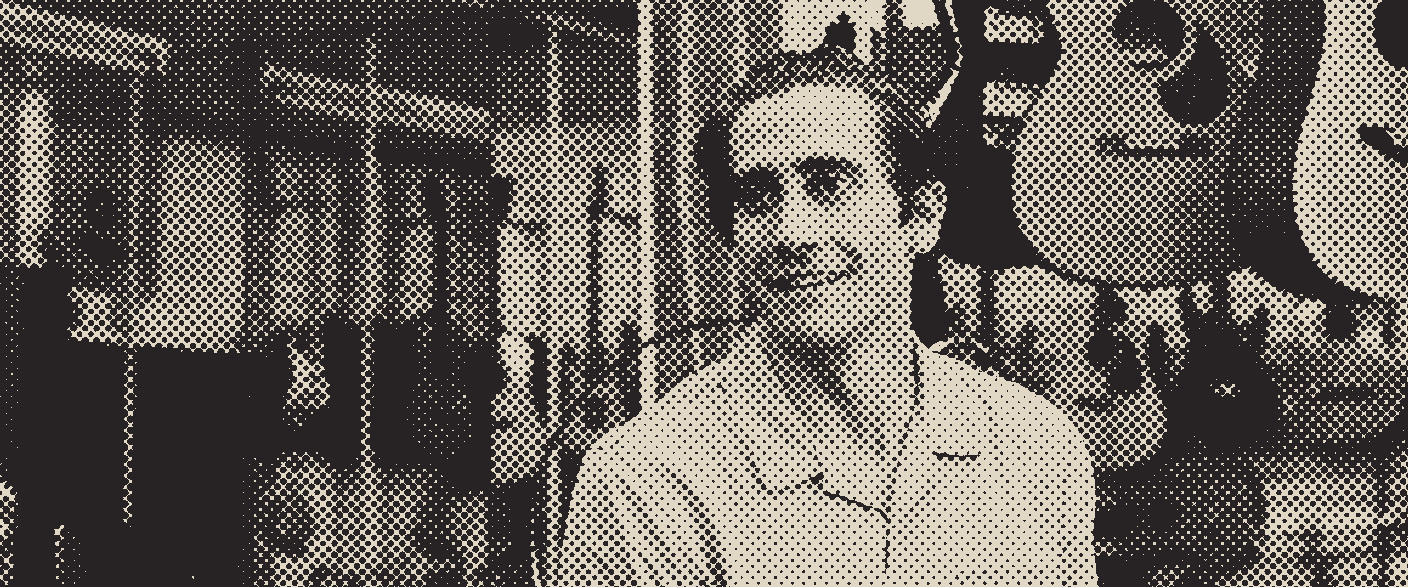
Question 2: Why Does the Refusal Work at First?
Once you have the Habit, ask why it is a good idea. Early behaviour should not look like a mistake. It should look like a strategy, and the first act should prove it.
Elle’s performance made her the most popular woman in her world, and then it got her into Harvard.
Jimmy’s Habit built a business, a family, a standing, and a network of men who would put a gun in his hand the moment he asked. He used it once before, on a friend who betrayed him, and it was never punished.
Lou’s hustle gets him the camera, the scanner, the first footage, and a buyer at the station who pays.
The Habit works because someone taught it and the home world rewarded it. The Tale Spinning Method calls that teaching the King’s Law. Warner telling Elle he needs a Jackie and not a Marilyn is a Law. The Flats’ respect for men who handle things themselves is a Law. The job-market gospel Lou recites in every negotiation is a Law. None of them is wrong in the world that produced it. Each becomes wrong somewhere else.
This is where many weak arcs quietly fall apart. The protagonist is framed as wrong too early. Their opening behaviour is punished immediately, or treated as obviously misguided from the first scene. When that happens the story has nowhere to go, and the arc collapses into correction instead of transformation. A strong first act proves that the refusal makes sense, right up until it doesn’t. That proof is what the first act is actually for.
If you cannot say why the early stance is functional, the arc will often feel rushed later, because the story has not earned the pressure it needs to apply.
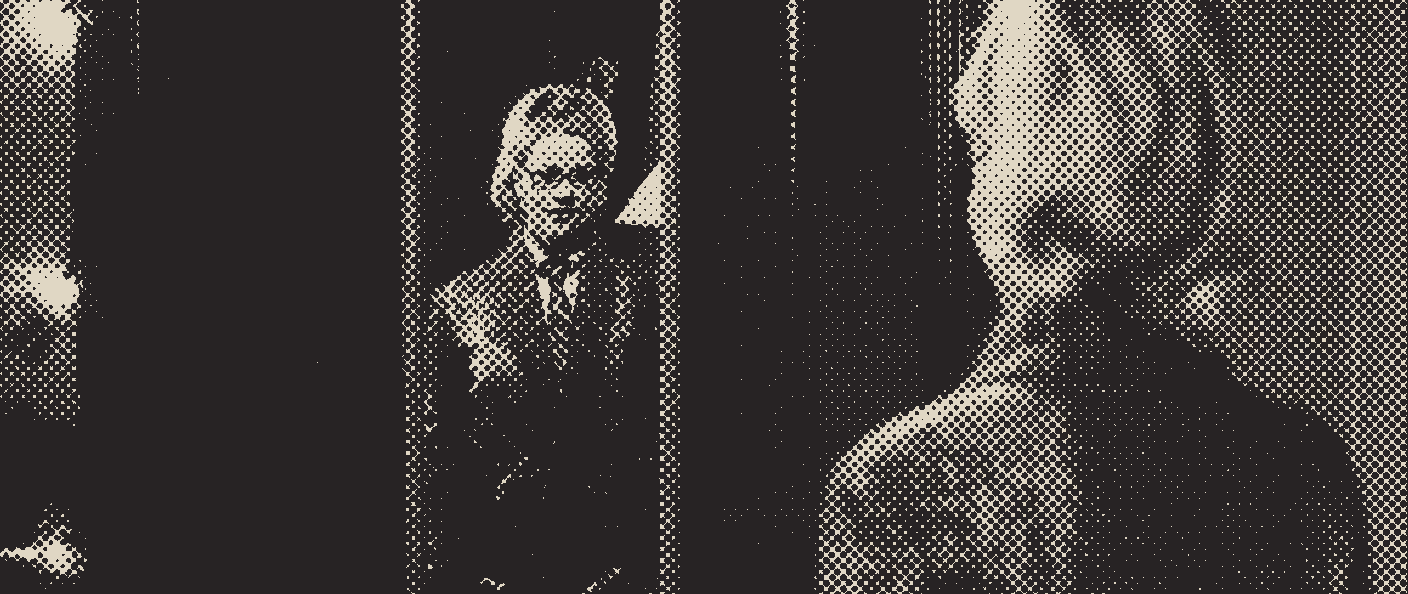
Question 3: When Does the Habit Win for the Wrong Reasons?
This question is about the middle of the story, and the answer is nearly always the same beat. Halfway through, the protagonist gets what they have been chasing, and they get it with the Habit. The Tale Spinning Method calls this the False Victory, and it sits at the Midpoint. The win is real. The way they won it is wrong. The audience can feel the gap even when the protagonist cannot.
Elle gets the internship. Callahan picks her for her surface, and the one classmate whose judgement the film has taught us to trust does not warm up, because the win belonged to the Habit.
Jimmy runs his own investigation beside Sean’s and stays ahead of it. The neighbourhood talks to him and not to the badge. That is the Habit winning, and it is exactly what puts him at the river before the truth arrives.
Lou gets the exclusive by getting there first and walking in himself, and Nina pays for it. The next morning the cost is standing next to him: Rick, who has started doing the arithmetic on what his share is worth.
At this stage the protagonist must not change yet. They repeat the behaviour, and it still pays, but it is no longer harmless. There is always someone in the story who sees the cost before the protagonist does. Vivian sees it. Sean sees it, and his whole function in the film is to ask Jimmy to wait. Rick sees it, and says so.
If the character has already changed tactics here, you have written the ending and called it the middle. Either the prize was not worth enough or the Habit was given up too cheaply. Rebuild the win until it feels mostly satisfying and slightly wrong. The slightly wrong part is what the second half of your story is for.
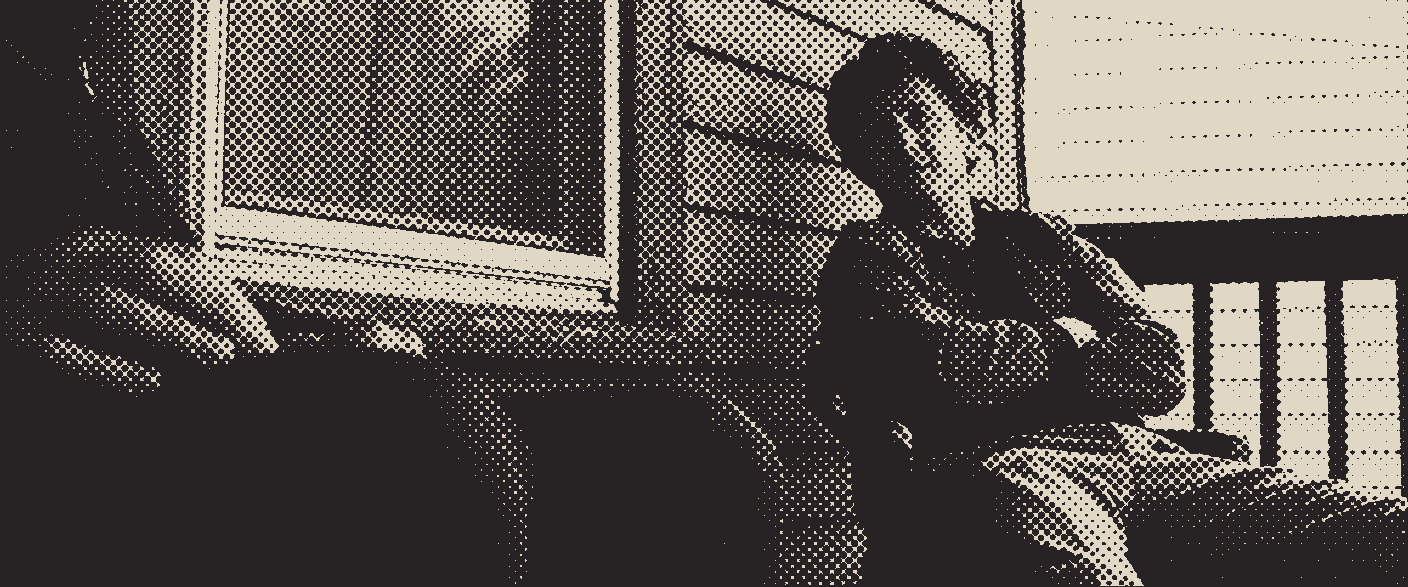
Question 4: Does the Character Drop the Habit, or Keep It?
This question asks whether the protagonist finally does the thing they refused at the start, or refuses once more with everything on the line. The answer decides which of two stories you are telling. The old names for them are Comedy and Tragedy. The Tale Spinning Method keeps the names and sharpens the definition: neither has anything to do with humour, only with whether the Habit gets dropped.
Most stories build toward the moment the protagonist drops the Habit. They step forward. They act in line with the theme, and it costs them. That is a Comedy.
Other stories build toward the same moment and watch the character hold. That is a Tragedy.
Structurally the two are almost identical. They apply pressure the same way. They bring the protagonist back to the same kind of choice, again and again. The difference lies in what happens at the edge.
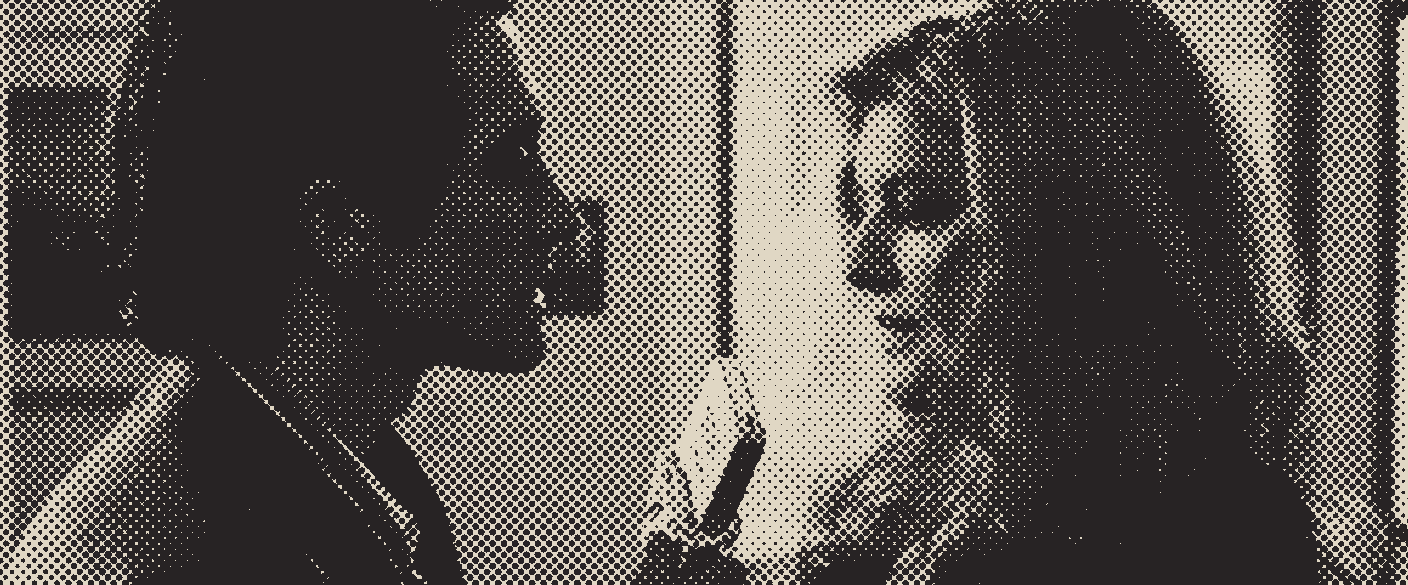
Elle stands up in a courtroom and lawyers at full power, with every visible piece of the performance still on and none of it doing the hiding any more. She drops the Habit for Brooke, the one person in the film who refuses to perform under conditions that make it costly. When a protagonist drops the Habit, they drop it for someone, and the Tale Spinning Method calls that someone the Muse. Comedy. The full reading is in the habit that looks like confidence.
Jimmy is offered the same choice and takes the Habit all the way. He kills Dave on the riverbank on the strength of a rumour, and Sean reaches the truth one minute later. Tragedy, and one of the cleanest in modern cinema.
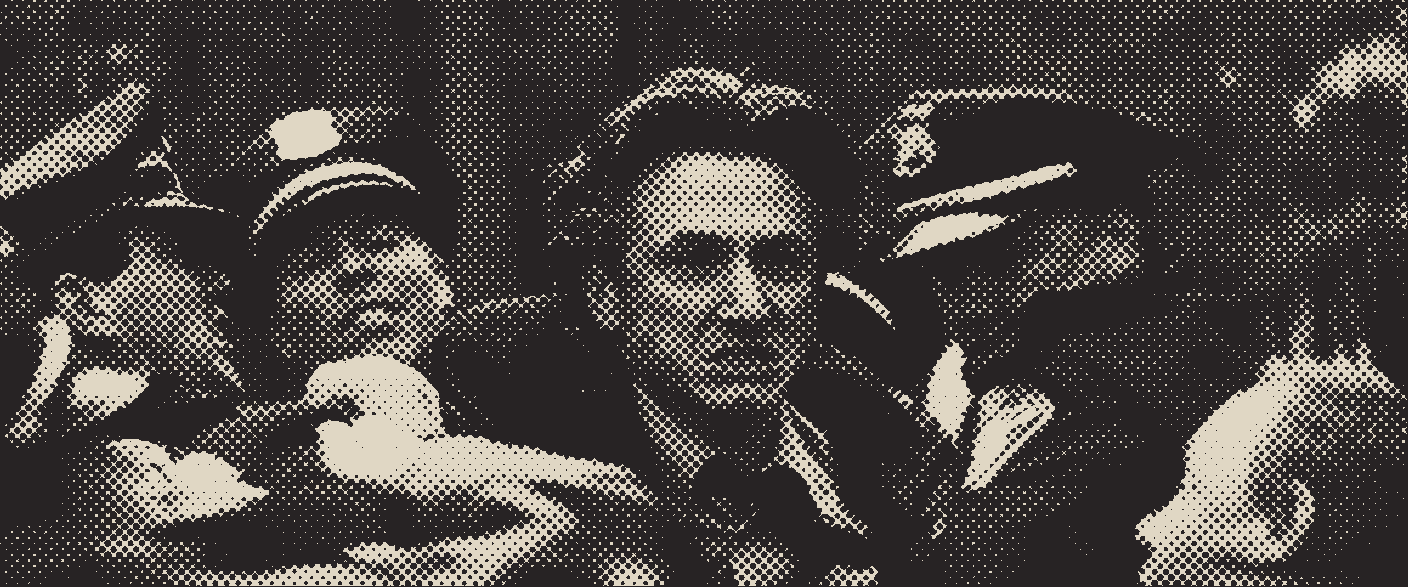
Lou drops his Habit too. He sends Rick into the line of fire and films what happens. The only account he ever spent from was his own, and at the end he spends someone else’s. In the Method’s terms that is still a Comedy. The protagonist changed. What kind of change it was is the last question.
If you are unsure which story you are telling, this question usually surfaces it. Ask what the protagonist does the last time the refusal comes up. Not what they feel. What they do.
Question 5: What Does the World Do About It?
This final question is not about the character. It is about the world they live in, which the Tale Spinning Method calls the Universe: the moral force in a story that decides who gets rewarded.
Once the protagonist has chosen, how does the story respond? Does the world open up, or close in? There are two directions, and a story has to pick one and stay with it.
A Kind Universe rewards the character who sheds the Habit, and if the protagonist won’t, it rewards someone who does. Elle wins the case, and winning the case is the same thing as saving Brooke. The world opens. That is a Kind Comedy. Mystic River is Kind as well. The reward goes to Sean, who took the offer Jimmy turned down. Jimmy is not destroyed. He is preserved inside the consequence, at a parade, with the neighbourhood watching. That is a Kind Tragedy, and it is why the film can end badly for its main character and still feel finished.
A Cruel Universe rewards the opposite. The Habit Lou drops was the last decent thing about him: he only ever risked himself. The world rewards him for dropping it with a fleet of vans and a crew of new hires who will be told exactly what he was told. That is a Cruel Comedy. The ending is a success for Lou and an aftertaste for everyone watching, and both of those are the design. A protagonist is allowed to get worse, as long as the world is consistent about paying for it.
What matters is not which direction you choose. It is that the world answers the same way it has answered all along. If an ending feels confusing even after the other four questions are answered, this is usually why: the character made a clear choice, and the world responded against its own logic. The verdict has to be set up, not announced. Somewhere before the end, the world needs a character or a community that already lives by the rule the ending will enforce. Otherwise the verdict reads as yours, not the story’s.
Putting the Diagnostic to Use
Run the five questions in order on the draft. The one you cannot answer cleanly is where the story is soft.
If Question 1 has no answer, there is no Habit, and nothing for the pressure to push against.
If Question 2 has no answer, the Habit never worked, so nobody believed it was worth keeping.
If Question 3 has no answer, the middle is passing time. The Habit needs a win.
If Question 4 has no answer, the protagonist has not chosen yet, and the ending is happening to them rather than through them.
If Question 5 has no answer, the world has not decided what it rewards, and the ending will feel arranged.
Try it first on a film you love. Then try it on one that almost works. The contrast tends to be immediate. Then write down the one thing your protagonist refuses to do, and check whether the last scene of your story forces that exact refusal back into the open. If it doesn’t, the ending is happening somewhere else.
Tale Spinning is a method that grows stories from theme and character outward. Every beat earned, every beat inevitable. Works whether you're writing your own, evaluating someone else's, or developing with a team, across screenplays, novels, comics, and stage plays.
Keep reading
January 17, 2026
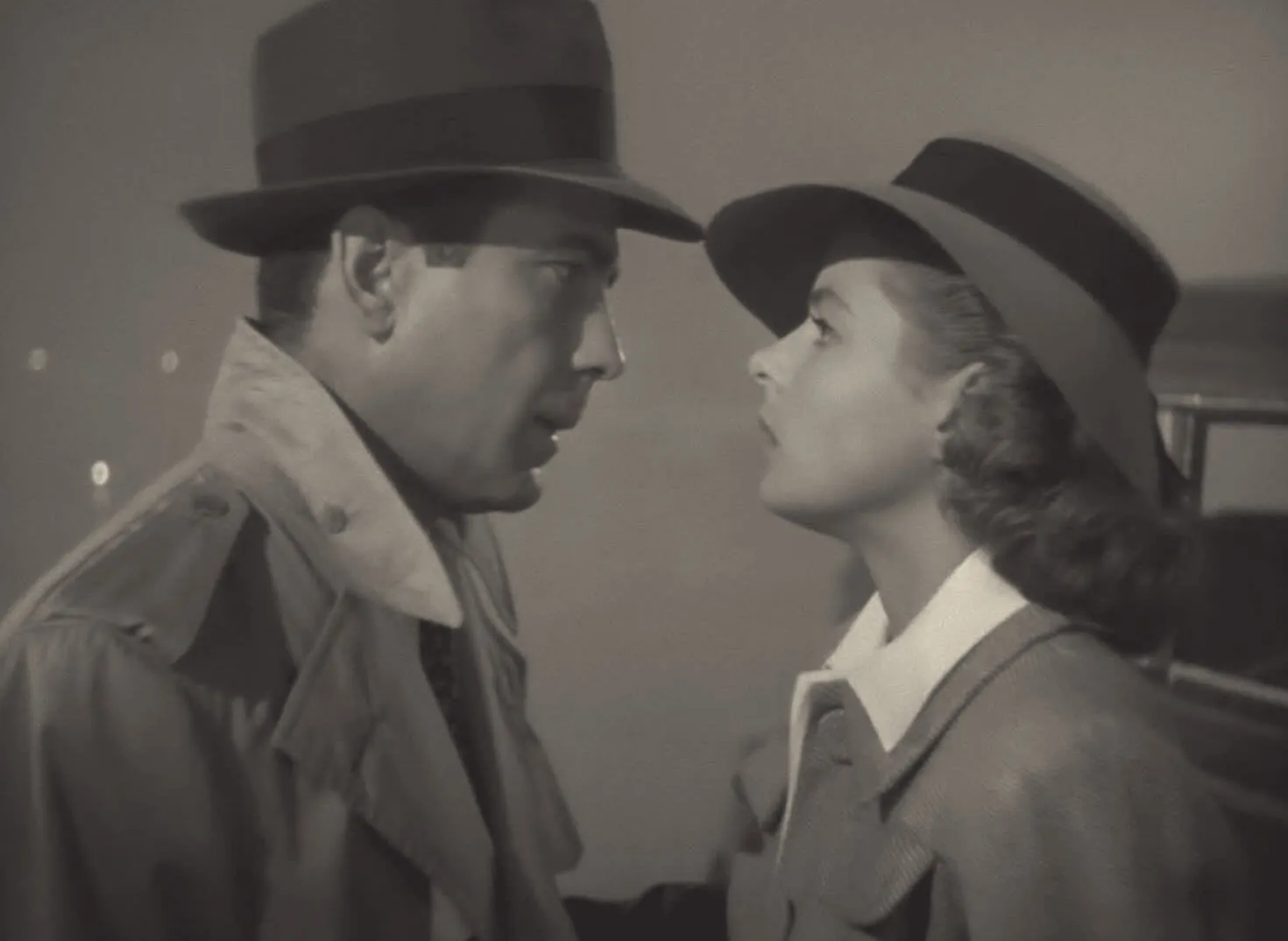
What Great Character Arcs Have in Common
A deep look at what great character arcs have in common, to show why real change isn't proven through speeches or self-reflection, but through repeated choices, rising pressure, and action that finally aligns with theme.
Read →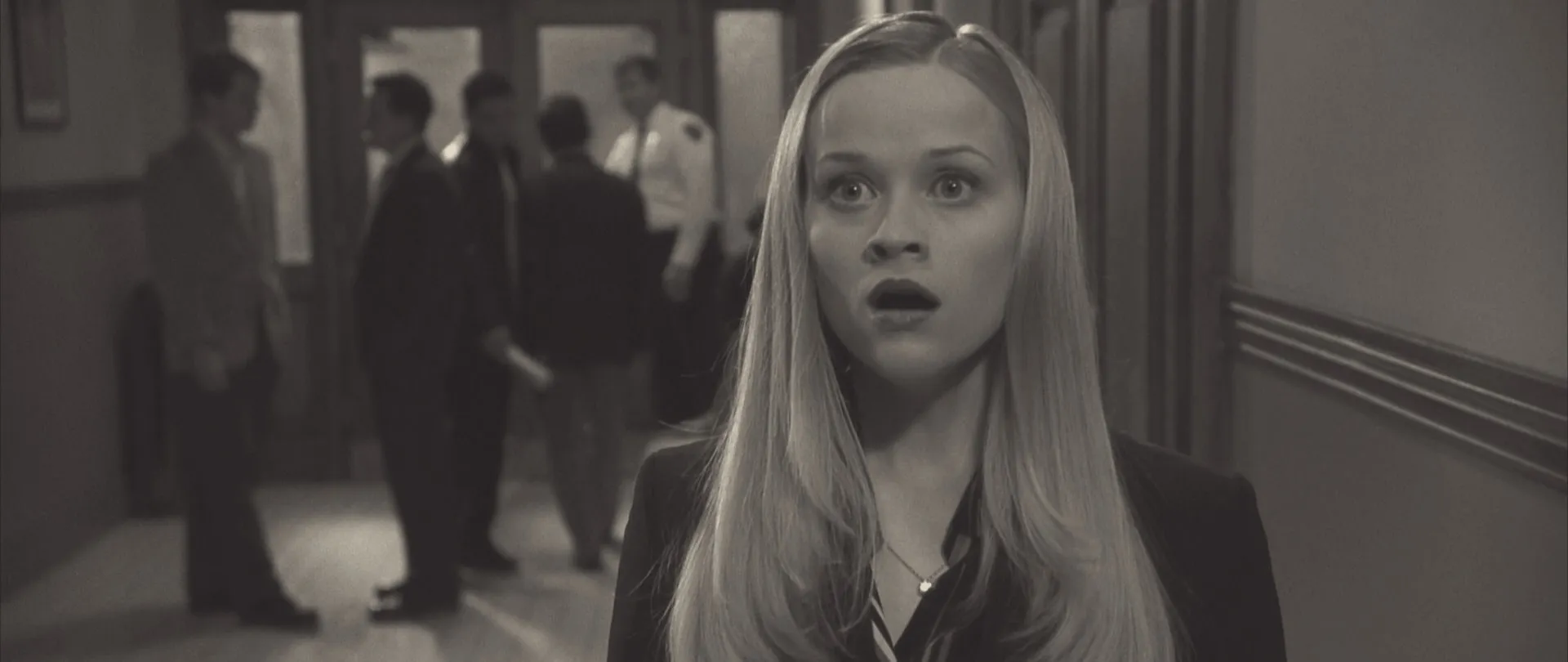
April 19, 2026
Legally Blonde and the Habit That Looks Like Confidence
Every existing analysis of Legally Blonde tells the same empowerment story: underestimated woman proves herself. That reading isn't wrong, but it makes the film impossible to learn from. A structural look at why Elle's confidence is the problem rather than the solution, what makes 'you're a Marilyn, not a Jackie' one of the sharpest King's Laws in modern cinema, and why the film is more structurally rigorous than it gets credit for.
Read →Every term used here is defined in the glossary.