October 20, 2026
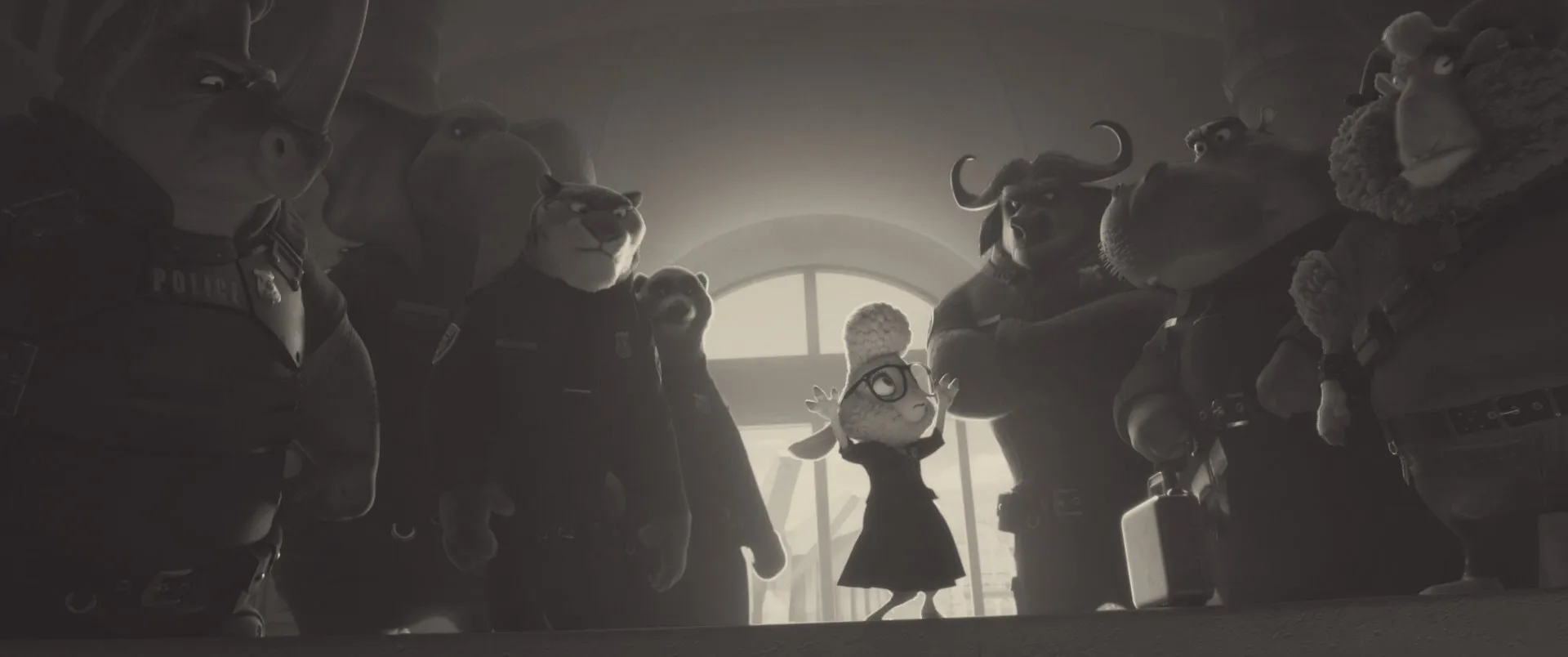
What Should Happen at the Midpoint of a Story?
At the midpoint your Protagonist gets what they think they want, with their Bad Habit intact. A False Victory, shown in Prada, Edge of Tomorrow and The Game.
Read →
A Story-Structure Method
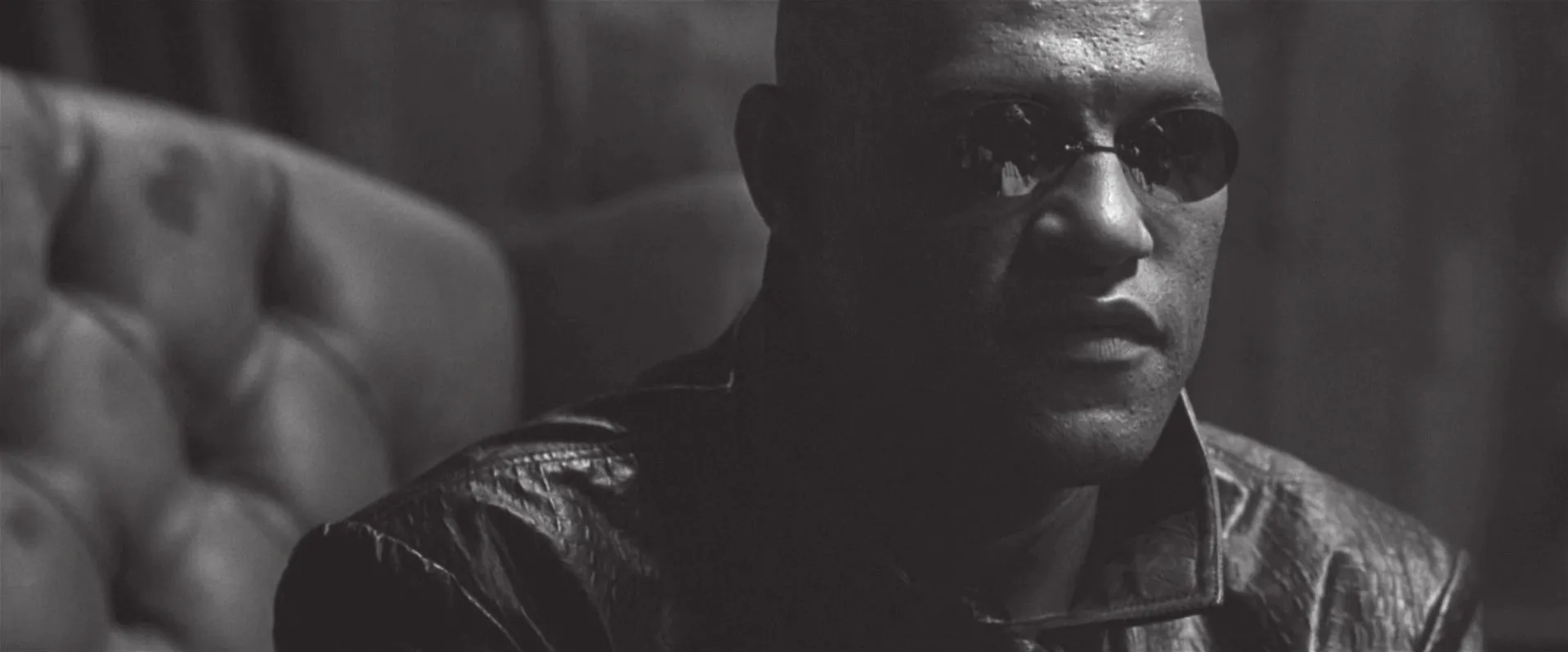
"You stay in Wonderland, and I show you how deep the rabbit hole goes." — The Matrix (wr./dir. Wachowski/Wachowski, 1999)
Structure, not surface
Turn an idea into a screenplay, a novel, or a stage play. The Tale Spinning method grows structure out of your characters. Every beat earned, every beat inevitable.
“You stay in Wonderland, and I show you how deep the rabbit hole goes.” — The Matrix (wr./dir. Wachowski/Wachowski, 1999)
New?
Four kinds of story, and how to tell which one you are building. Free, start to finish.
Start the free course →Stuck?
Find where your story breaks, and why. Five questions, any character arc.
Run the diagnostic →See the method in action
Ratatouille is a Pixar kitchen comedy. In Bruges is an indie hitman drama. On the surface they share nothing. Underneath, the same story appears in both: same Protagonist, same False Victory, same earned, honest ending. The same method that finds this in a finished film builds a story from scratch. That is what the course teaches.
Read the essay →Not infinite
You cannot build a structure until you know which kind of story you are telling. Two questions settle it. The first is about the character: do they change, or refuse to? That's the difference between comedy and tragedy. The second is about their world: does it reward goodness, or ruthlessness? That's the difference between kind and cruel. Answer both, and the type tells you what has to happen next.
Comedy the character changes
Tragedy the character refuses
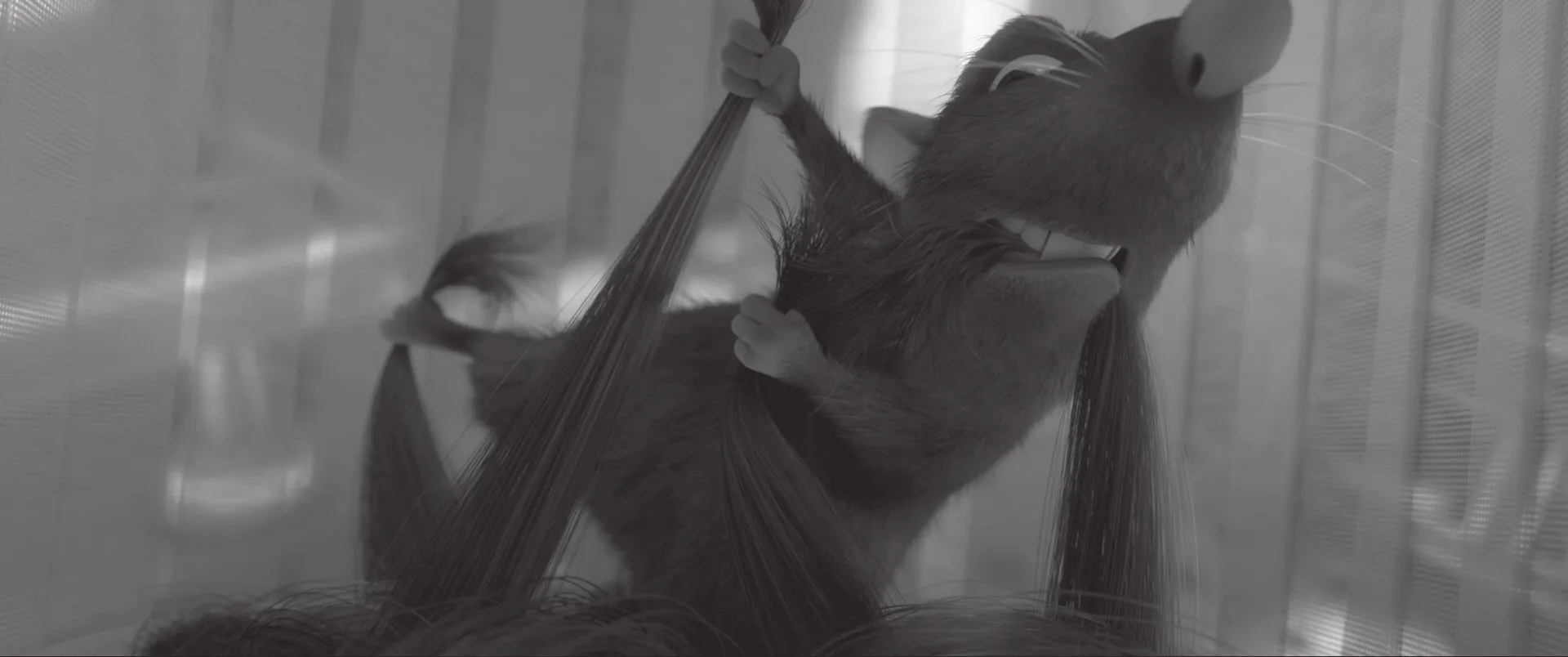
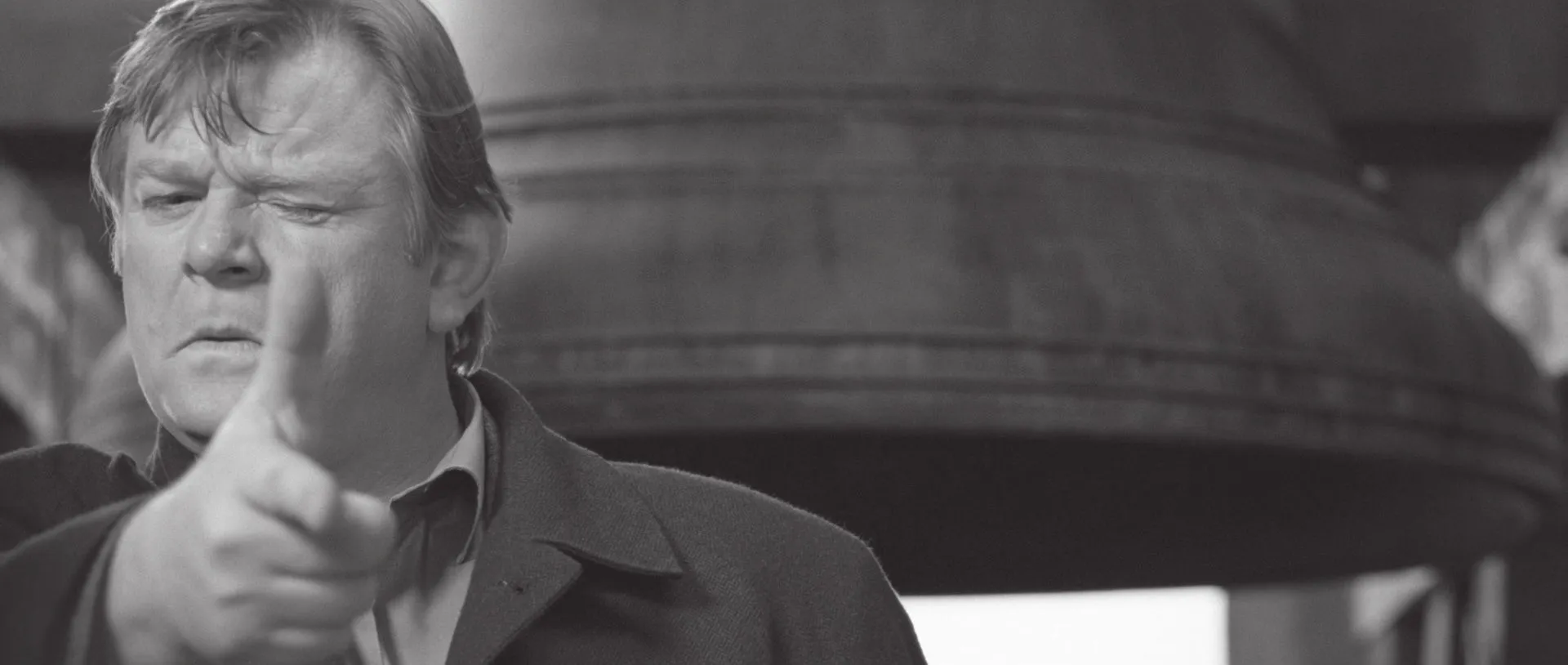
Ratatouille / In Bruges
A hero sets a good example, and a good world rewards it.
● Live · Read →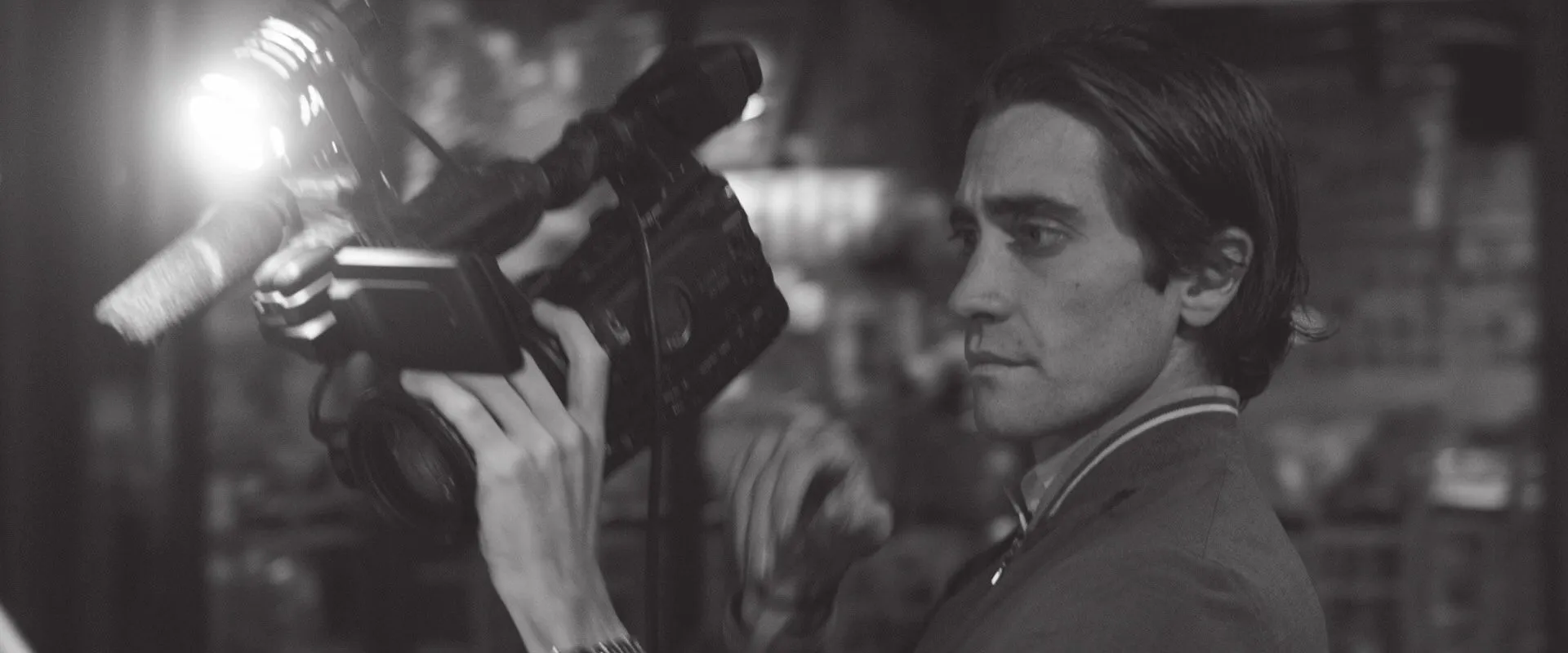
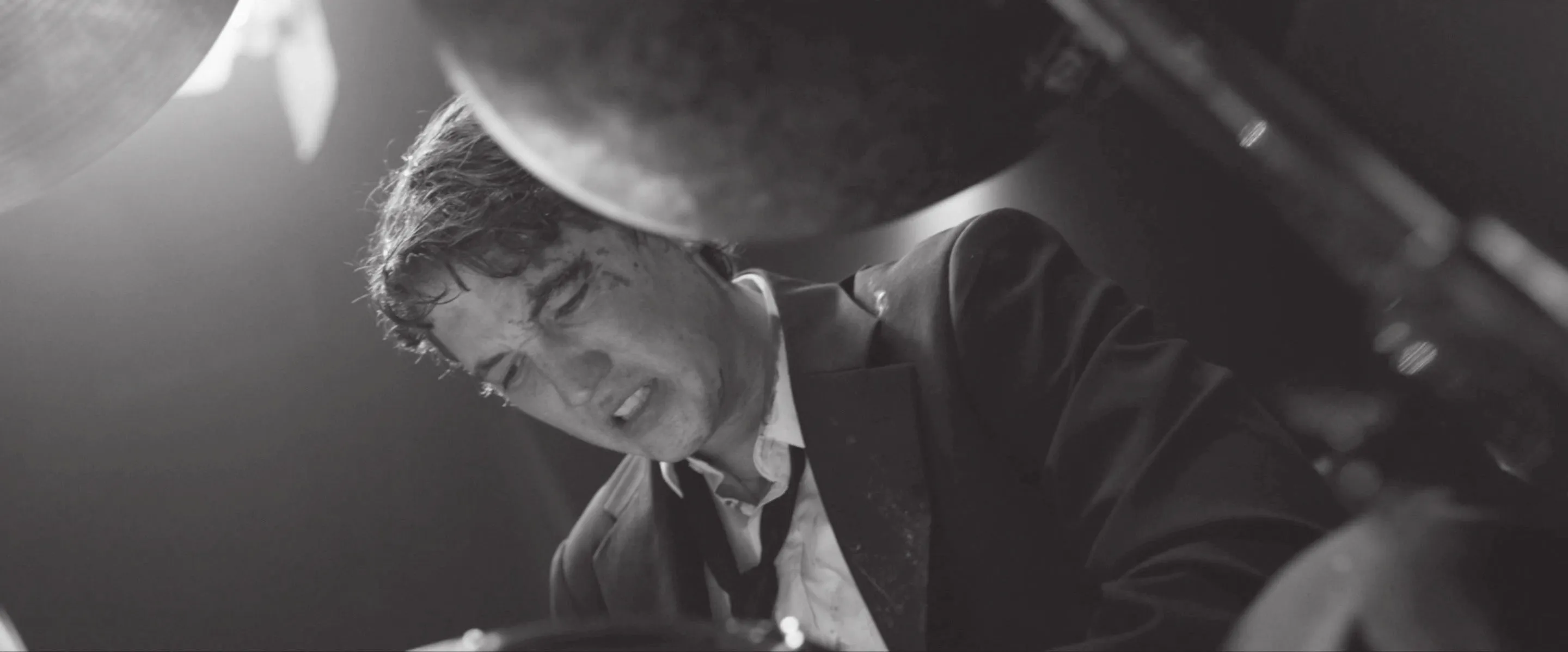
Nightcrawler / Whiplash
A villain sheds the last of their humanity, and a bad world rewards it.
○ Soon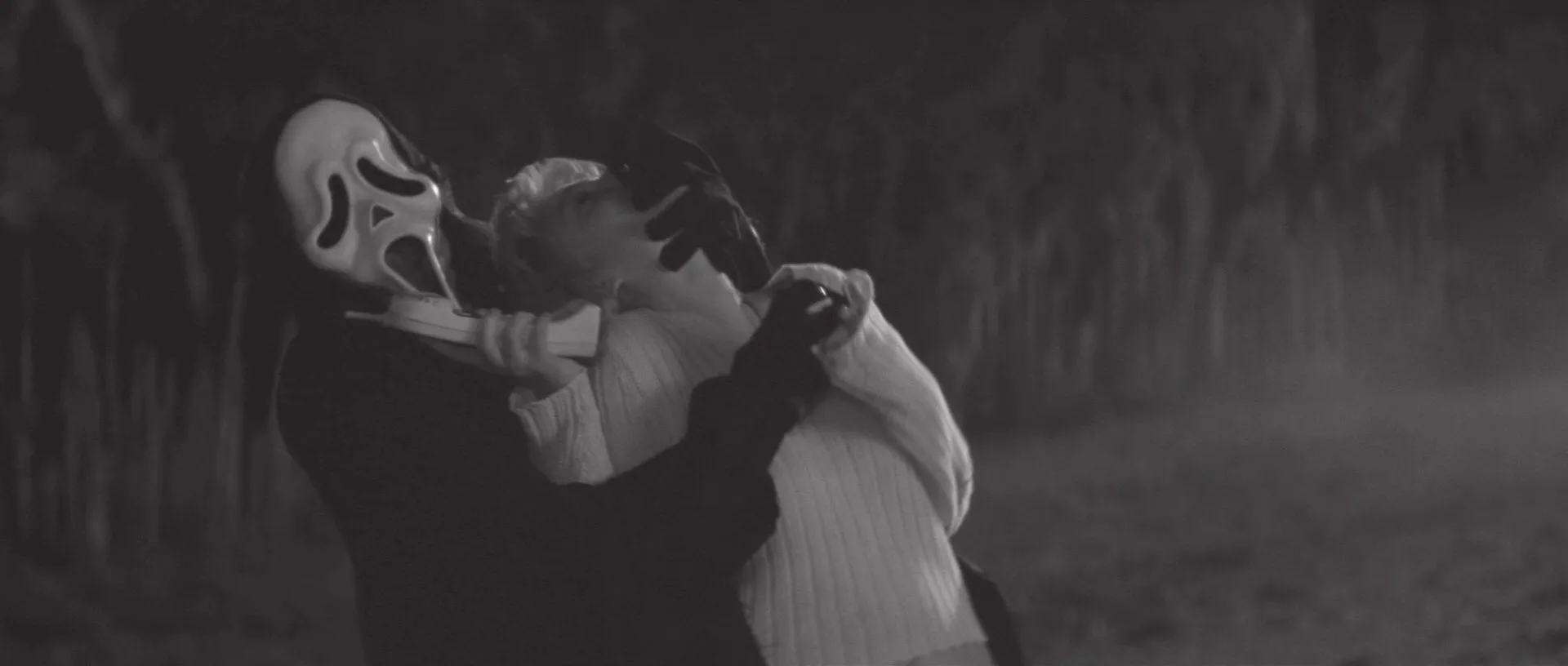
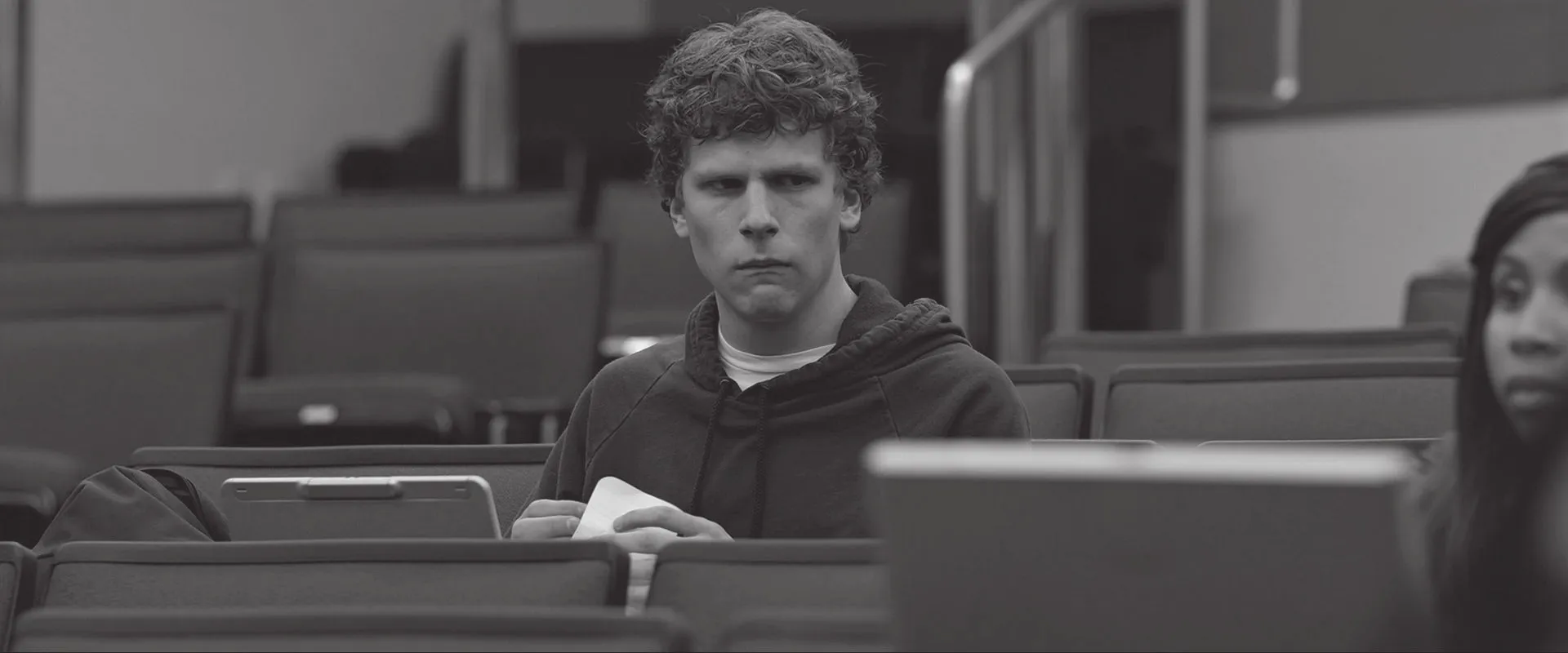
Scream / The Social Network
A villain refuses to change, and a good world makes an example of them.
○ Soon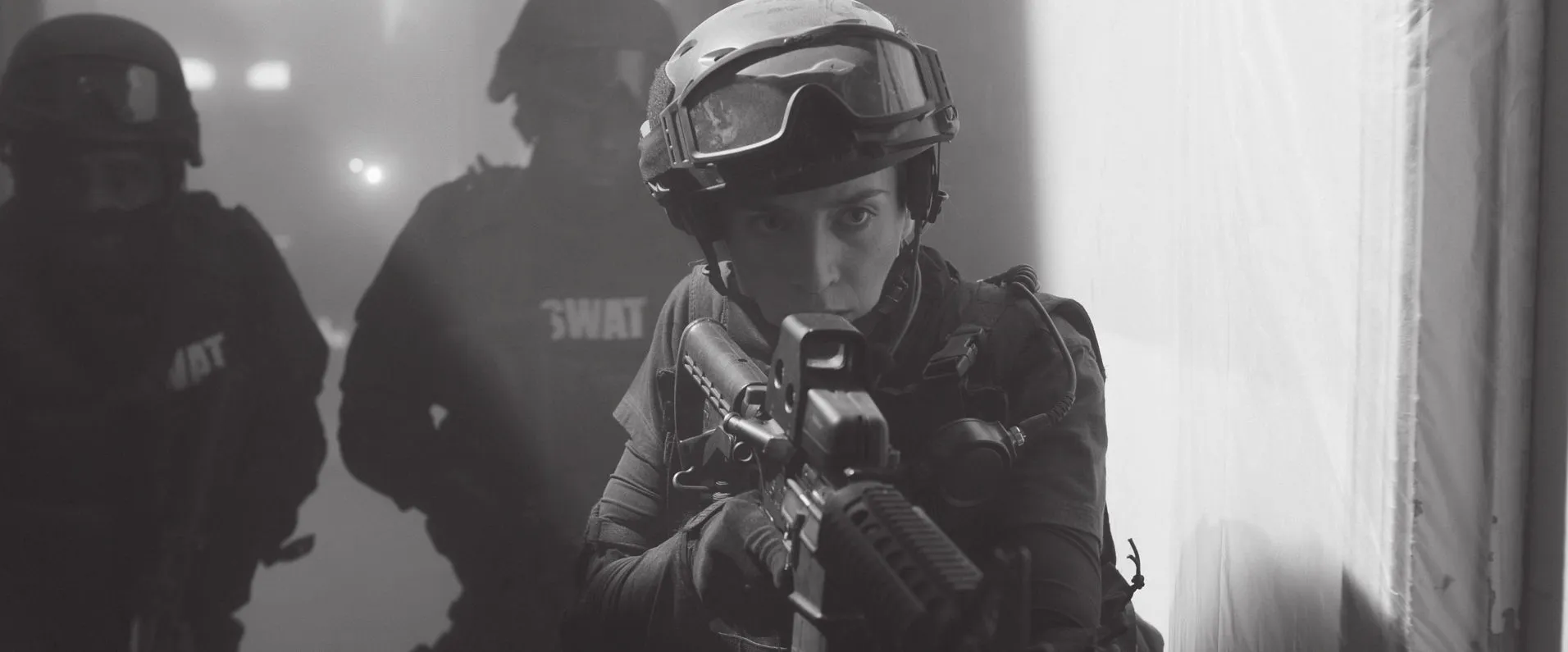
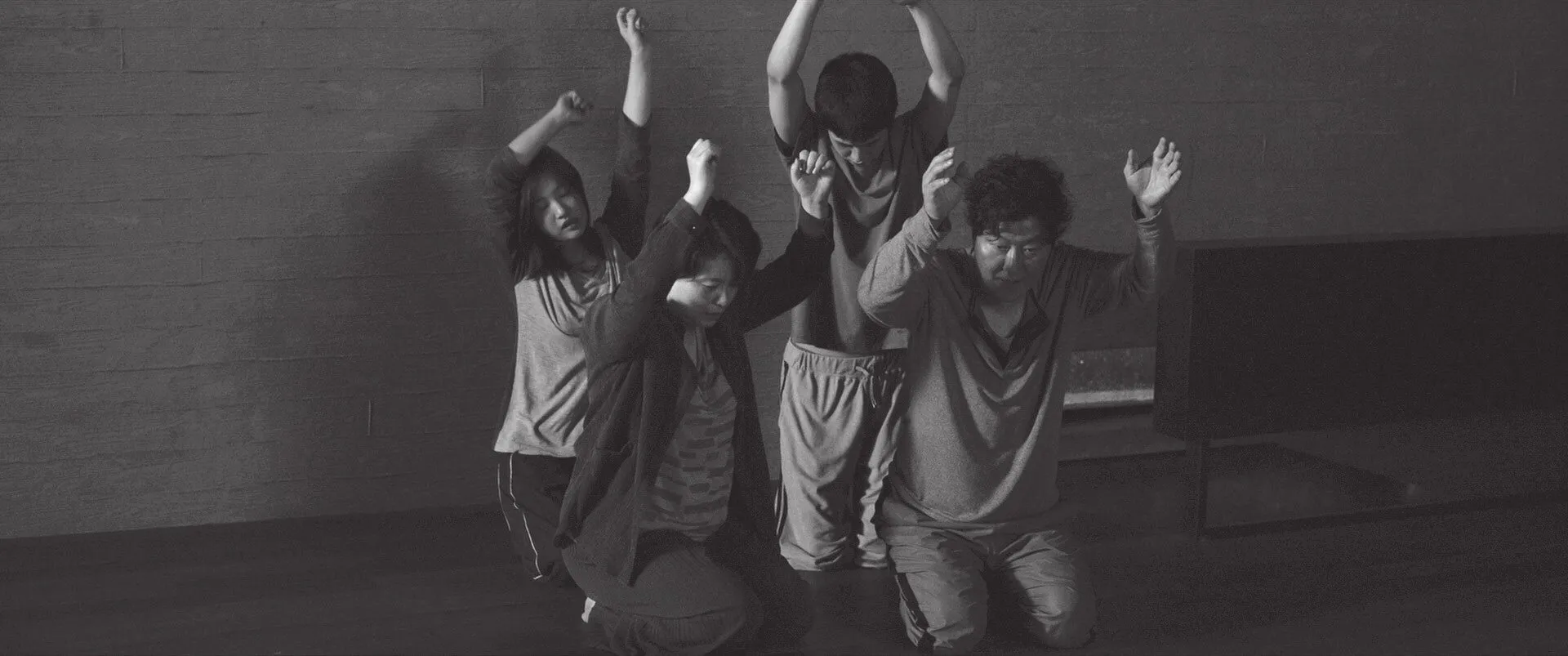
Sicario / Parasite
A hero keeps their humanity, and a bad world breaks them for it.
○ SoonThe Newsletter
Sign up and the Story Type Guide arrives straight away, free. After that, a short newsletter: a tool, a diagnostic, or an idea you can apply the same day, whether you are outlining or on a fifth rewrite.
Keep reading
Films you already know, taken apart to show what holds them up. Breakdowns, diagnostics, and pairings.
October 20, 2026
At the midpoint your Protagonist gets what they think they want, with their Bad Habit intact. A False Victory, shown in Prada, Edge of Tomorrow and The Game.
Read →October 3, 2026
No. A story needs an Antagonist, not a villain. Good Will Hunting has no villain, Miranda Priestly splits audiences, and Zootopia's Bellwether is one.
Read →Learn the terms
You cannot fix what you cannot name. Every part of a story has a term here, and a definition you can work from.
A term in use
A supreme talent lodged in the one identity least allowed to use it — the gift and the flaw, the same trait.
See the definition →