
The journal
Articles
Essays on the method — character arc, structure, theme, and the films that prove it.
Featured
-
October 3, 2026
Does Every Story Need a Villain?
A story needs an Antagonist, not a villain. Three films, from one life to a whole city, show the difference.
-
September 6, 2026
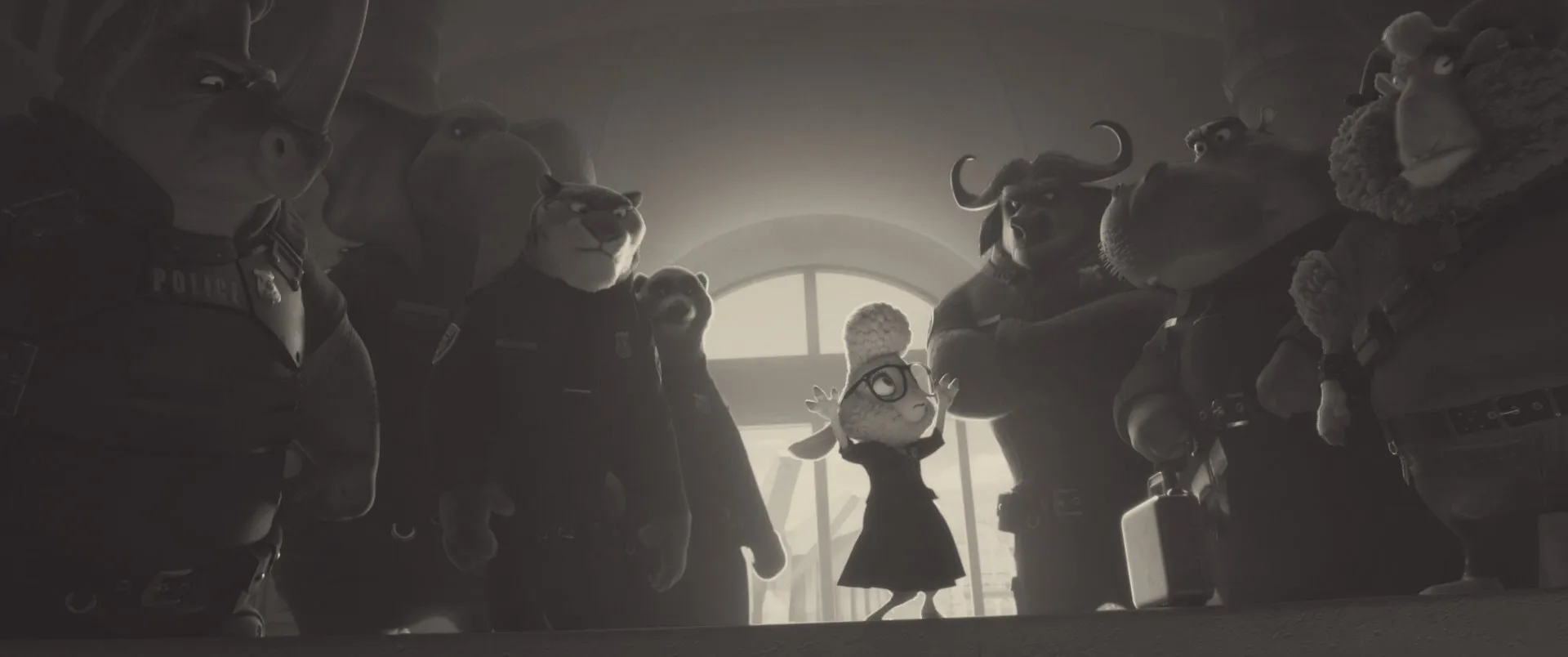
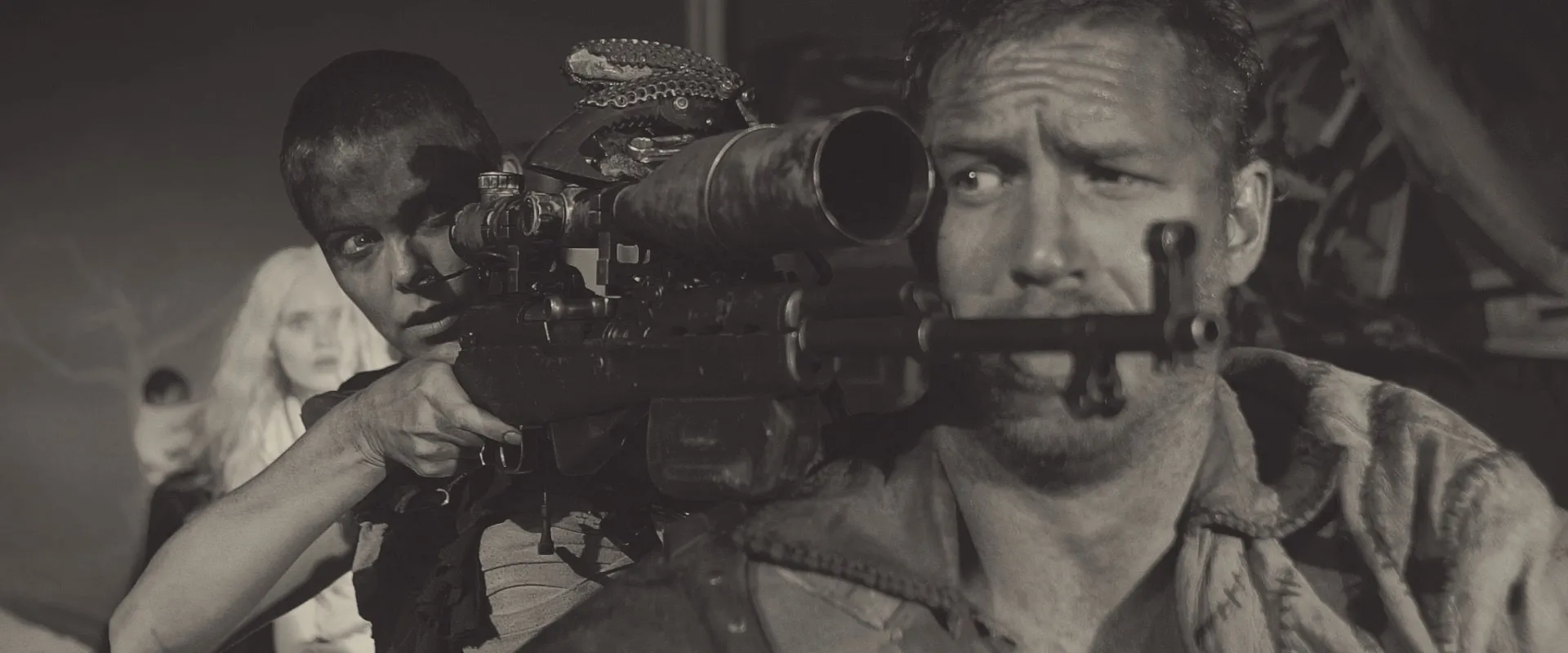
How to Write a Protagonist Who Does Almost Nothing
Rick, Chihiro and Max do almost nothing for an hour and own their endings. The six moves that make that work, and the test for your own draft.
-
October 3, 2026
Does Every Story Need a Villain?
A story needs an Antagonist, not a villain. Three films, from one life to a whole city, show the difference.
-
September 6, 2026
How to Write a Protagonist Who Does Almost Nothing
Rick, Chihiro and Max do almost nothing for an hour and own their endings. The six moves that make that work, and the test for your own draft.
-
August 27, 2026
What Should Happen in the Third Act of a Story
The first act proves the Habit works. The second act makes it pay. The third act is where the Protagonist finally has to choose, and choosing the prize is the failure.
-
July 27, 2026
What Should Happen in the Second Act of a Story
The first act proves the Habit works. The second act makes it pay.
-
July 12, 2026
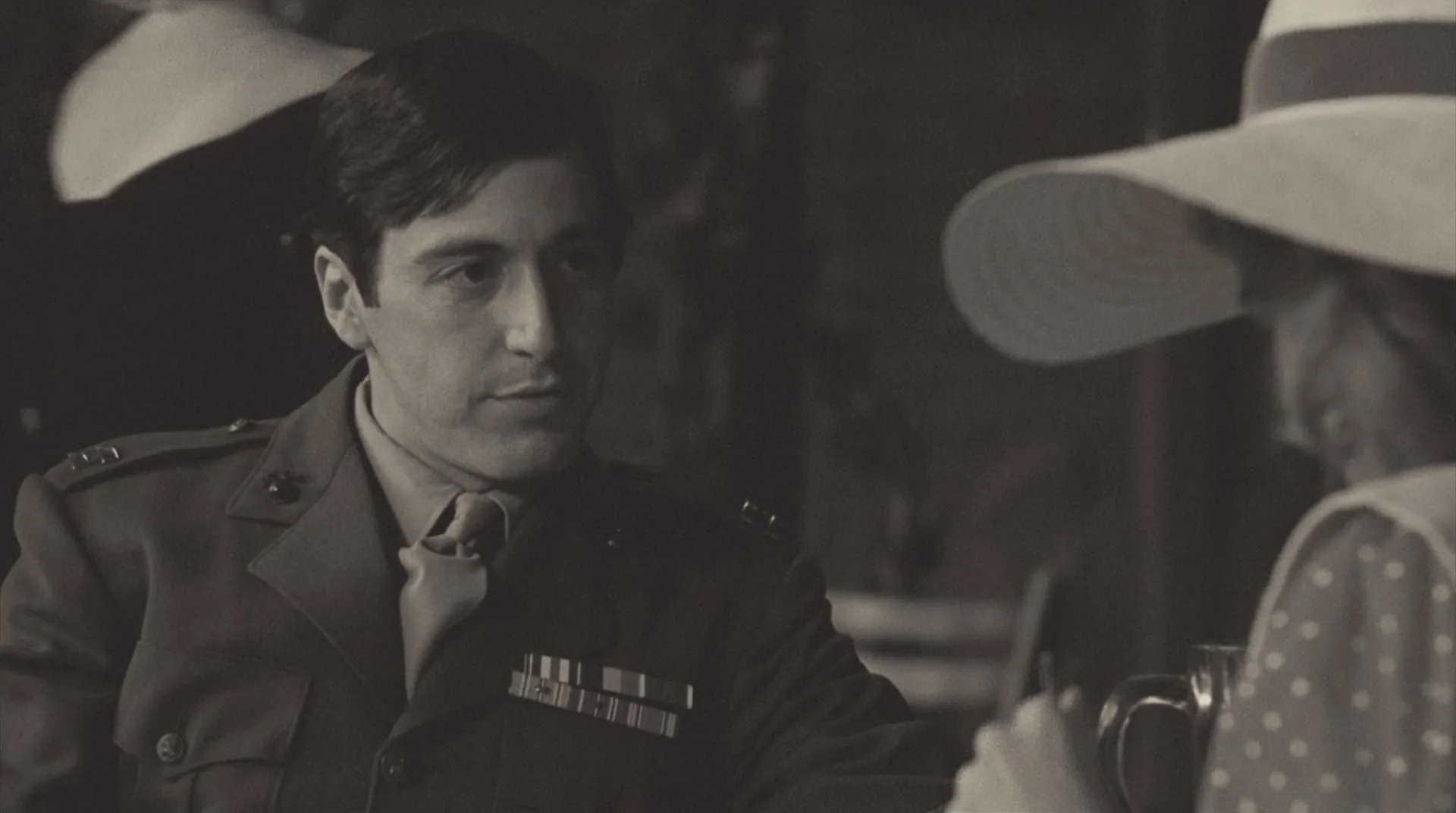
Character Regression Isn’t Bad Writing. It’s a Verdict.
Michael Corleone gets worse for three hours and wins. The difference between character regression and bad writing is the Universe's verdict on the descent.
-
June 30, 2026
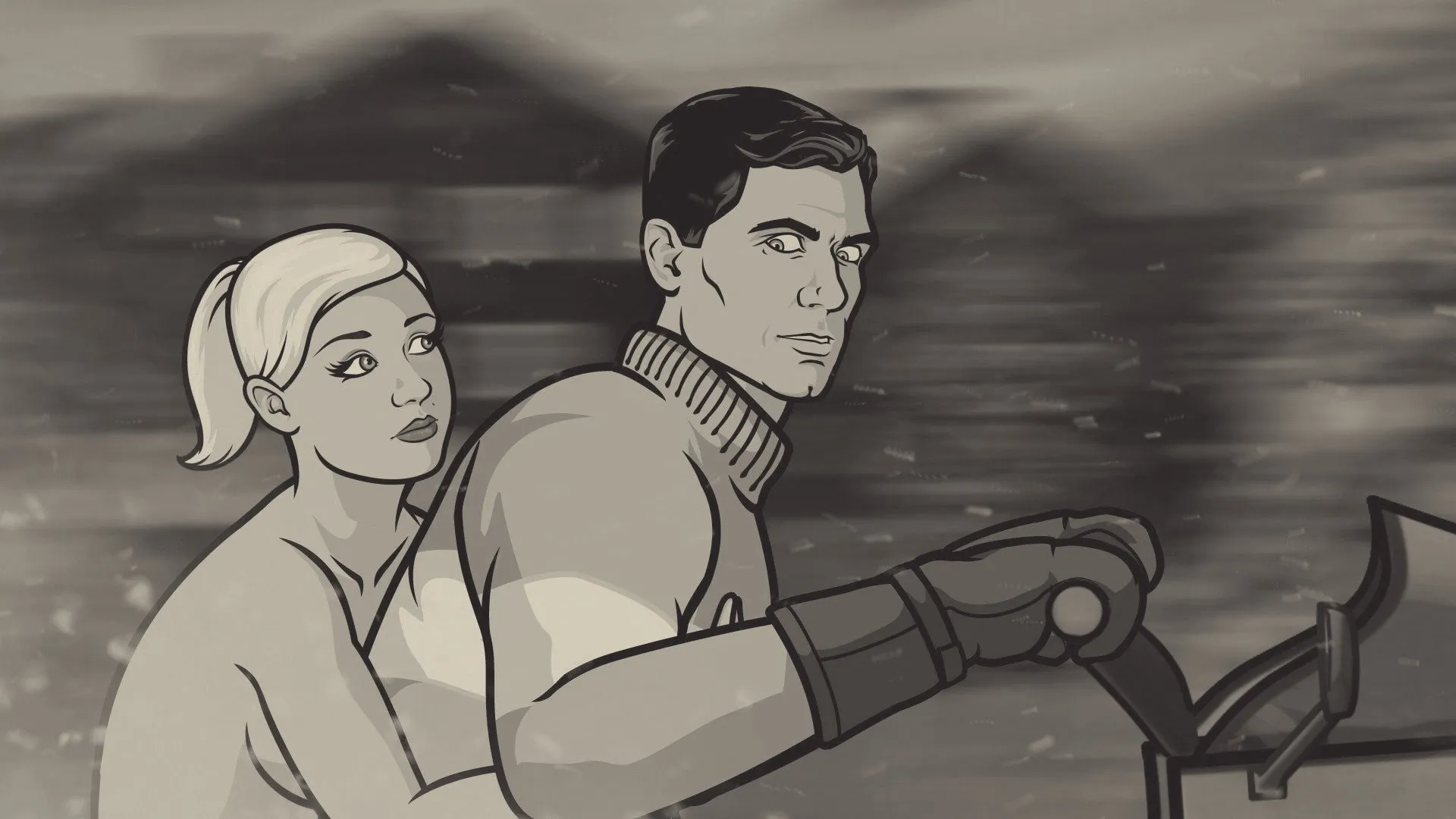
Archer and the King Who Never Loses
The world's greatest spy is also a permanent child, and the reason is the woman who runs the agency: his mother. Meet the King, the story role that explains him.
-
June 14, 2026
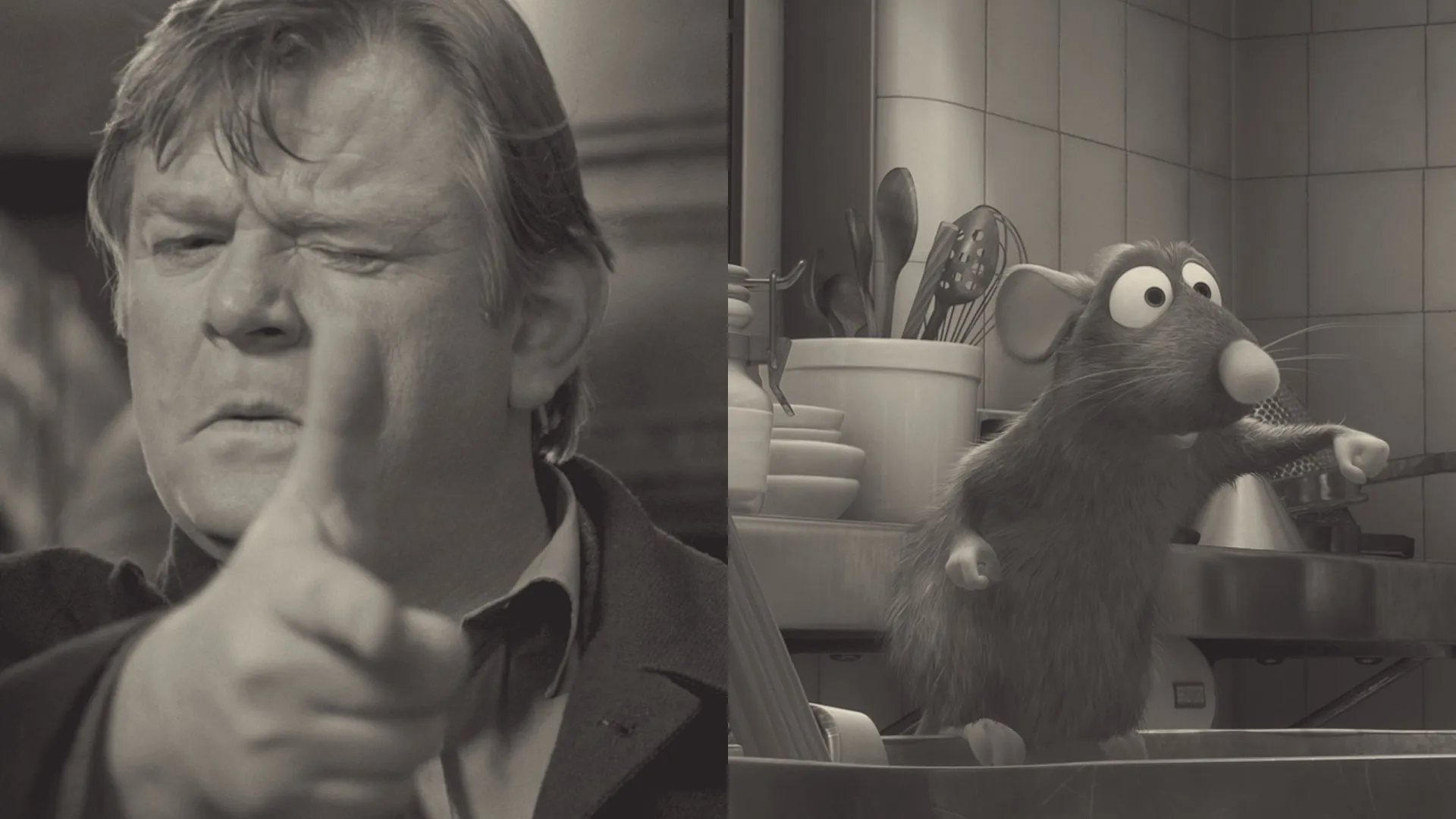
In Bruges and Ratatouille Are the Same Movie
Ratatouille and In Bruges share nothing on the surface and everything underneath: the same protagonist, the same Trifecta, the same earned ending.
-
May 18, 2026
Your Character Arc Feels Forced Because You Started With the Plot
Arcs feel forced when you build the plot first. Start with a Bad Habit, let the plot follow.
-
May 9, 2026
Why Most Characters Don't Need a Character Arc
Not every character needs an arc. Most of your supporting cast should stay exactly as they are.
-
April 27, 2026
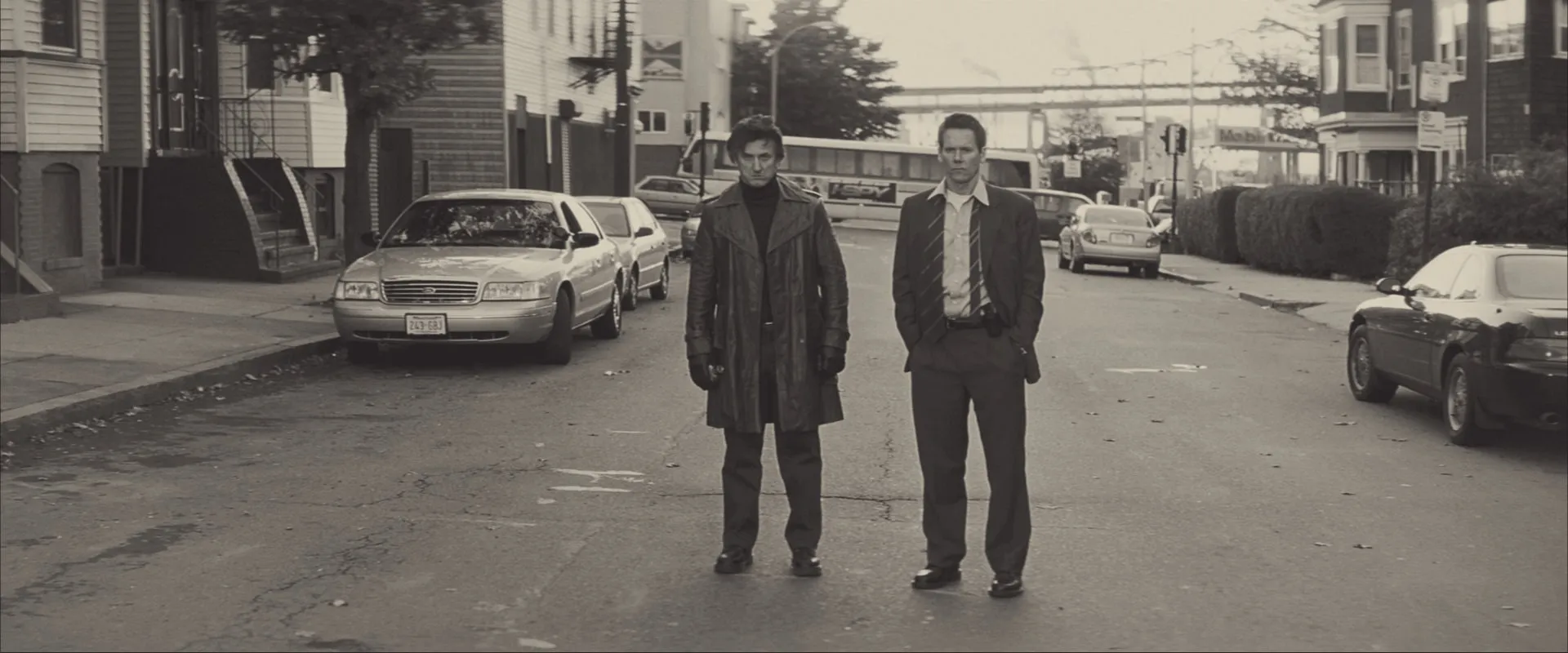
Mystic River and the Three Responses to One Wound
One childhood wound, three lives, and what happens when a protagonist won't drop his Bad Habit.
-
April 19, 2026
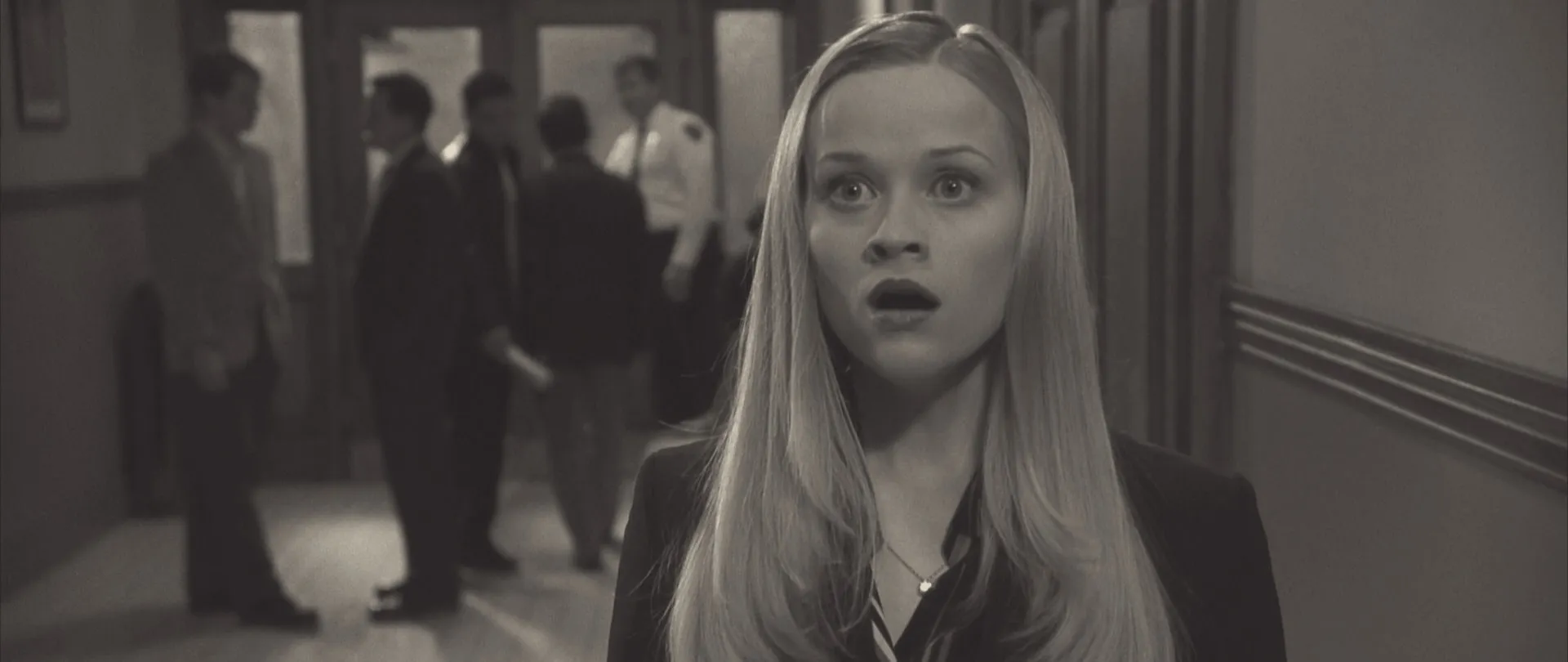
Legally Blonde and the Habit That Looks Like Confidence
Elle's confidence isn't the solution. It's the Bad Habit the film makes her shed.
-
March 31, 2026
What Should Happen in the First Act of a Story
The first act has one job: prove the protagonist's Habit works, before the story breaks it.
-
March 6, 2026
Why Your Character Feels Flat (And How to Fix It)
Flat characters aren't a creativity problem. They're missing a Habit and an opinion.
-
February 23, 2026
Why Outlining a Story Feels Impossible (And What Actually Fixes It)
Outlining fails because templates show where, not whether. Find the Habit, ask two questions.
-
February 6, 2026
The Villain Protagonist Problem: Why Training Day Isn't About Jake
When the villain is more compelling than the hero, he's probably your real protagonist.
-
February 1, 2026
A Practical Diagnostic: 5 Questions to Test Any Character Arc
Five questions to find where your character arc goes soft. The one you can't answer is the one that matters.
-
January 17, 2026
What Great Character Arcs Have in Common
Real change is proven through choices under pressure, not speeches or self-reflection.
-
January 9, 2026
Talent Is Overrated.
Talent doesn't make a character compelling. The false belief fighting it does.
-
January 2, 2026
Traits Don’t Change. Habits Do. That’s the Whole Story.
Real change isn't becoming someone new. It's unlearning one self-defeating habit.



No articles match.