
Every character needs an arc. You have heard it from every writing class, every craft book, every screenwriting podcast. Your protagonist needs an arc. Your antagonist needs an arc. Your sidekick needs an arc. Even your minor characters should have a “mini-arc.”
This is bad advice. It is also impossible advice. The reason most writing books cannot tell you how to actually write a character arc for fifteen different characters in the same story is that most characters in good stories do not have one. Arcs are rare, structural, and specific. They happen to one character per story, and they only happen at all in a particular kind of story. Everyone else in every story you love stays exactly who they are from the first scene to the last, and the story works because of that, not in spite of it.
Once you see this, you can stop forcing arcs onto characters who do not need them, and you can finally write the arc that actually matters with the precision it deserves.
What an Arc Actually Is
Before we can talk about who has one and who does not, we need to be specific about what we mean by “character arc.”
A character arc is a fundamental change in the character’s operating philosophy. It is the way they behave under pressure when their old strategy stops working. It is not a change in mood. Not a change in opinion. Not a change in circumstance; a change in how the character meets the world. In short, it is the process of dropping a Habit and adopting the opposite Strength.
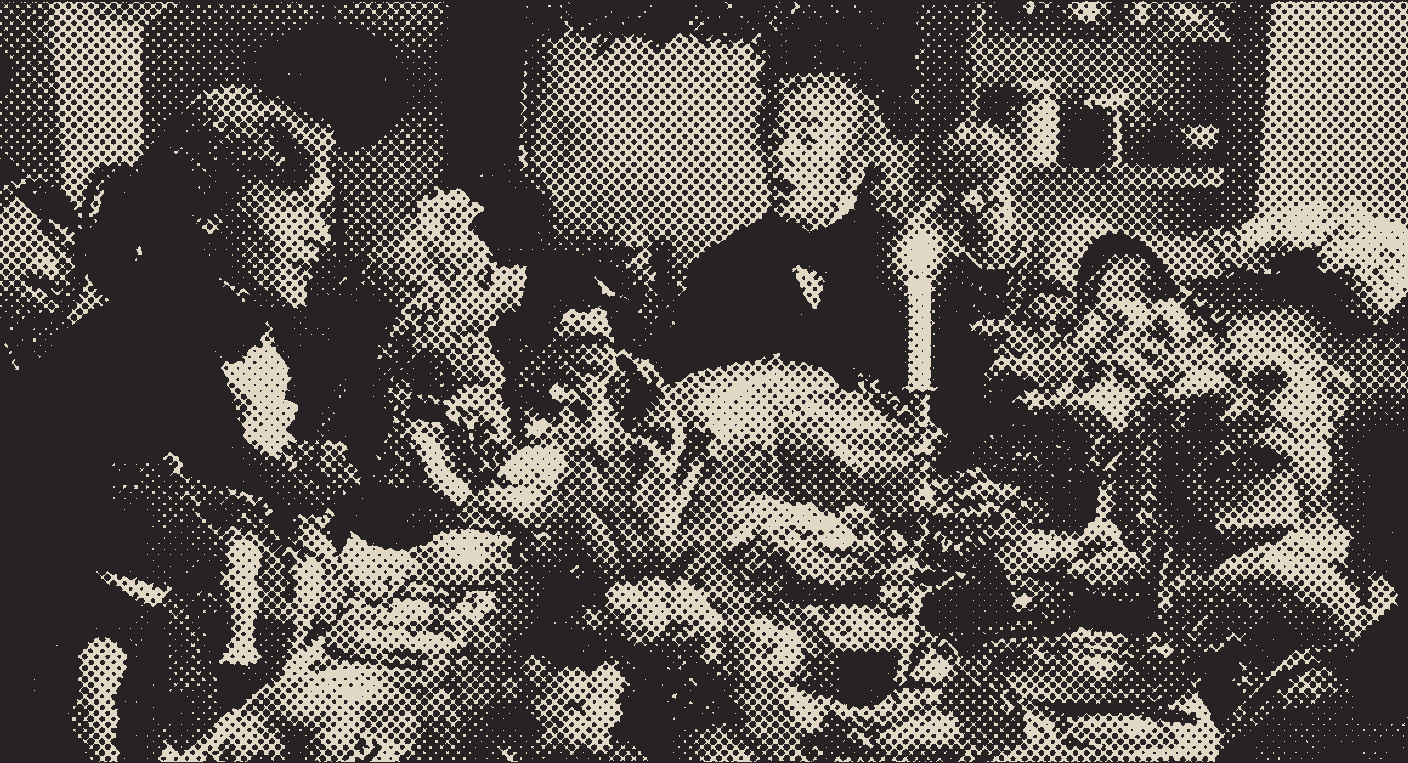
The cleanest possible example is Ebenezer Scrooge. He starts the story with a Bad Habit: greed, isolation, contempt for human warmth. He ends the story with the opposite Moral Strength: generosity, connection, joy in other people’s company. He is not the same man making different choices. He is a different man, and the story is the process of that man being made.
That is what an arc is. It is the substitution of one operating philosophy for its opposite. If you cannot name the Habit your protagonist drops and the Strength they pick up, you do not have an arc yet. You have a vibe.
Only Comedy Protagonists Arc
The structural truth, once you accept the strict definition, is this: a character arc only happens to one character per story, and only in a particular kind of story. The arc is the property of the Protagonist of a Comedy.
There are two directions of change, both of which count as arcs, both of which work the same way structurally.
The first direction is what most writers mean when they say “character arc.” The Protagonist drops a Bad Habit and adopts a Moral Strength. They become better. Scrooge does this. Elle Woods does this in Legally Blonde. Luke Skywalker does this in the original Star Wars. Woody does this in Toy Story. The Protagonist enters the story with a way of being that is broken or insufficient, the world challenges them, and they emerge with a way of being that fits the world they actually live in. This is a Kind Comedy arc, and it is the most familiar shape of character change in cinema.
The second direction is the same structural beat, pointed in the opposite direction. The Protagonist abandons whatever residual good was holding them back and embraces a Selfish Strength fully. Michael Corleone does this in The Godfather. He starts the film as a war hero refusing his family’s business and ends it as the Don, the door closing on his wife as his men kiss his ring. That is a fundamental change in operating philosophy. He is not the same man making different choices. He is a different man, made by the same kind of structural process that made Scrooge, just pointed at a different destination. This is a Cruel Comedy arc.
Both are arcs. Both happen to a single character per film. But there is another way.
Tragedies Are About Refusing the Arc
If Comedies are about Protagonists who change, Tragedies are about Protagonists who are offered the chance to change and refuse it.
This is the part of the framework that reframes how tragic stories work, and it is worth saying clearly: the tragic Protagonist is not a character who passively fails to develop. They are a character who is given the same opportunity to drop the Bad Habit that the Comedy Protagonist gets, and they choose not to. The refusal is the tragedy.
Macbeth could have stopped after Duncan. The witches’ prophecy was already fulfilled. He had the throne. He chose to keep killing. That choice, scene by scene, is the active rejection of an arc. Every time he could have laid the dagger down, he picked it up again. The story is the accumulation of those refusals.
Jimmy Markum in Mystic River could have waited an hour. The investigation was about to deliver him the truth about his daughter’s killers. He chose not to wait. He never did before, why start now? That is not the absence of an arc. That is the active rejection of one.
Walter White could have stopped at any point. He didn’t.
And just like in Comedies, tragedies can invert as well; Kate in Sicario refuses to drop her Good Habit. She refuses to stop following the law, even after she gets told repeatedly by her superiors that she is allowed to operate outside of it. She gets brutally punished for refusing to change.
This is why tragedies feel different from stories where nothing happens. Something is happening in a tragedy. The Protagonist is being offered a way out of the Habit, repeatedly, and is choosing the Habit instead, repeatedly. Every refusal is a structural beat. The tragic Protagonist is morally responsible in a way the passive non-arcing character is not.
A tragedy is a Comedy Protagonist who refused the offer.
Everyone Else Stays Still
Now the part that contradicts the conventional advice most directly.
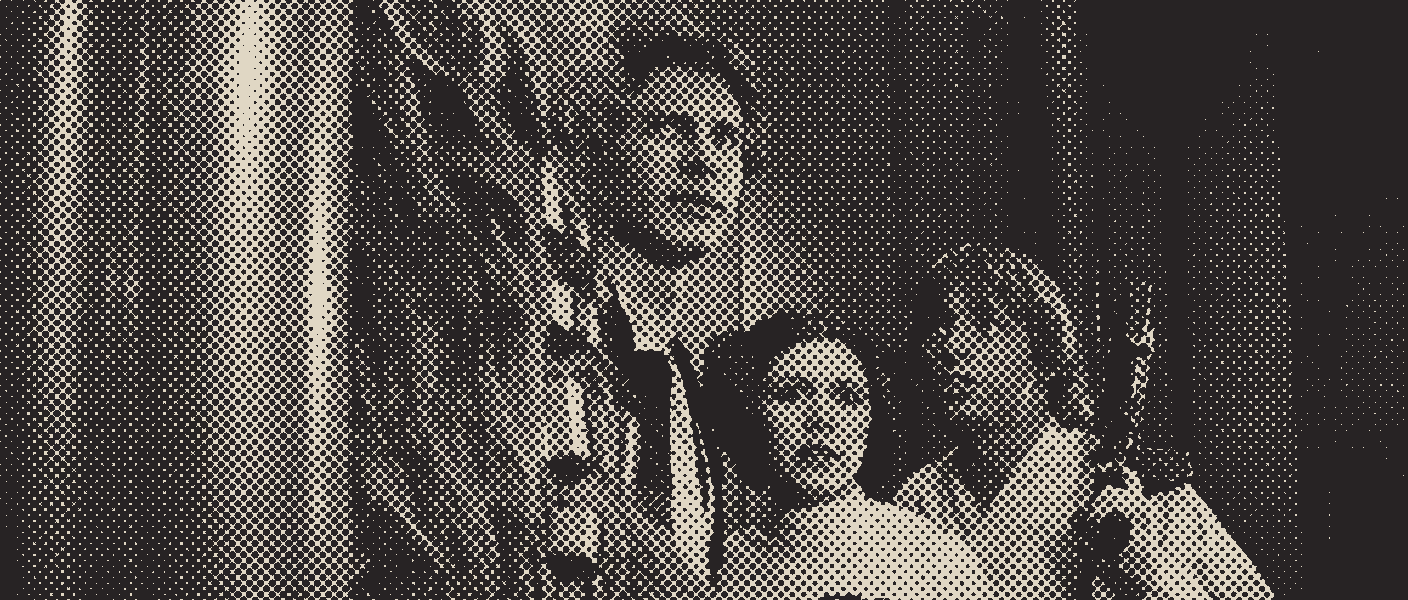
Look at the original Star Wars. Luke Skywalker arcs. He starts as a callow farm boy who whines about not being able to go to Tosche Station to pick up power converters, and ends as a Rebel pilot who switches off his targeting computer and trusts the Force. Bad Habit (anxious doubt) to Moral Strength (faith in something larger than himself). It is a textbook arc.
Now look at everyone around him. Han Solo is a smuggler, a cynic, a guy who takes the money and runs. He is exactly that at the start of the film and exactly that at the end. Yes, he turns up at the Battle of Yavin to save Luke, but his core operating philosophy hasn’t shifted; he’s still the same wisecracking opportunist, just one who happened to make a friend. (His arc happens later, across the trilogy, which is its own conversation.) Princess Leia is a fierce, sharp-tongued, principled leader at the start of the film and exactly the same at the end. Darth Vader is a menacing enforcer throughout. Obi-Wan is a wise mentor throughout. The Emperor is offstage but unchanging. Grand Moff Tarkin holds the same posture from the moment he appears until the moment the Death Star explodes.
Luke is the only one who arcs. The film works because the others don’t. They are fixed points the protagonist defines himself against and grows toward and away from. Their stillness is what makes his motion legible.
This is true in nearly every well-built comedy. In Legally Blonde, Elle arcs. Callahan, Warner, Brooke, Vivian, Emmett, Paulette do not. In A Christmas Carol, Scrooge arcs. Bob Cratchit, Tiny Tim, Fred, Marley do not. In Tragedies, nobody arcs. In Mystic River, Jimmy refuses. Sean, Dave, Annabeth, Celeste, the Savages do not even get the opportunity. In Sicario, Kate tries to stop the assassin from breaking the law, even when she agrees with his reasoning. But he doesn’t change. Nor does the CIA agent, or the partner, or the cartel. The fact that nothing changes is the point of the story. The supporting cast in a great story is overwhelmingly composed of fixed characters whose consistency gives the protagonist’s change or refusal to do so, something to be measured against.
The “Looks Like an Arc But Isn’t” Trap
There is one specific trap worth naming, because it confuses a lot of writers. Sometimes a character appears to arc when actually all that has happened is that they learned a fact.
Buzz Lightyear in Toy Story is the standard example. Buzz starts the film convinced he is a real Space Ranger on a critical mission. He ends the film knowing he is a toy. This looks like an arc. It is not.
Buzz’s operating philosophy does not change. He is confident at the start and confident at the end. He is loyal, mission-oriented, and brave throughout. He cares about his friends. He acts with conviction. The thing that changes is one fact: he learns that he is a plastic toy. That is information, not transformation. He does not drop a Bad Habit. He does not adopt a Moral Strength he previously lacked. He simply now knows something true about himself, and operates with the same character traits inside that updated reality.
Woody is the one who arcs in that film. Bad Habit (jealous, controlling, insecure about his place) to Moral Strength (generous, sharing, secure in connection). Buzz is a fixed character who learns a fact.
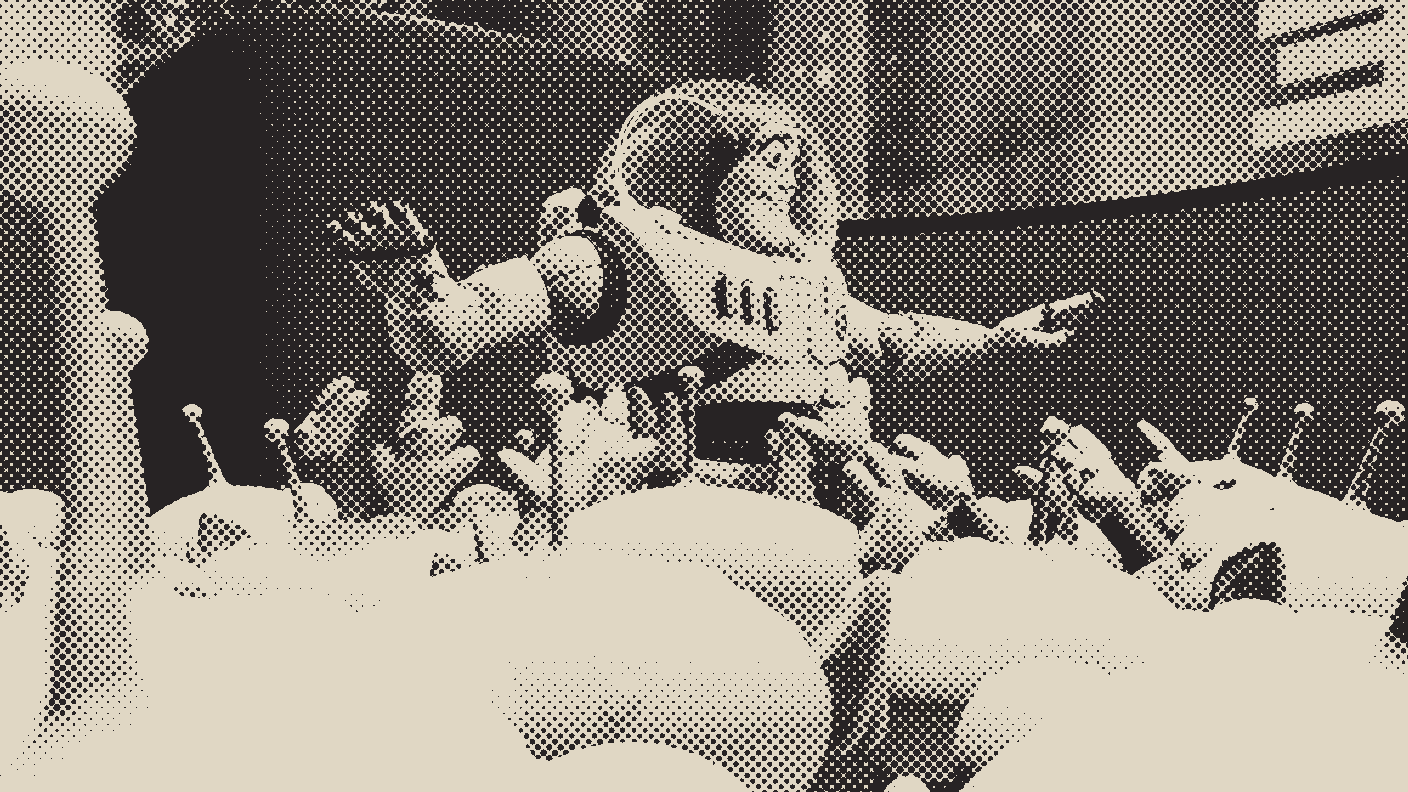
This distinction matters because it is a tool. When you find yourself wanting to give a secondary character “an arc,” ask whether what you actually want is for them to learn something. Learning a fact is not arcing. A character who discovers a hidden truth, or solves a mystery, or finds out who their real father is, has not arced. They have found out a thing. That is fine, that is often necessary, but it is not the structural transformation a real arc requires, and you do not need to write it as if it were.
When It Looks Like Other Characters Are Changing
There is a related phenomenon worth pulling apart, because it is the thing readers will most often push back with: but my best friend changed her mind about my protagonist over the course of the story, isn’t that an arc for her?
No. When a secondary character’s stance toward the Protagonist shifts, what is changing is the secondary character’s evaluation of the Protagonist, based on new evidence the Protagonist has produced. The skeptical roommate who comes around. The disapproving father who eventually embraces. The hostile colleague who learns to respect. In every case, the secondary character is doing the consistent work of responding accurately to who the Protagonist now actually is.
In Legally Blonde, Vivian appears to change. She starts the film hostile to Elle and ends it as an ally. But Vivian’s character has not changed. Vivian was always the kind of person who would acknowledge merit when she saw it, and who would withdraw approval from a man she had thought she loved when she discovered he was a predator. What changed is the evidence. Elle stopped being a sorority girl trying to win Warner back and became a serious lawyer who refused Callahan and quit. Vivian, seeing the new evidence, updated her verdict. She is doing what Vivian always does.
The Protagonist changed. The secondary character is now responding to the Protagonist’s actual current state, which is different from the state they were in earlier.
This gives you a tool. If you want a secondary character to warm up, soften, come around, accept, embrace, you do not need to give that character an arc. You need to make sure your Protagonist’s arc is visible and earned, and the secondary character’s response will follow naturally because they are doing what people do when they encounter someone who has actually changed: they update.
The arc is on one character. Everyone else’s apparent change is just consistent characters responding to the one change that is actually happening.
The Post-Climax Exception
There is one place in a story where the rules above seem to break, and it is worth naming because writers reach for it instinctively without understanding what it is.
After the climax, in the closing sequence, the world reorders.
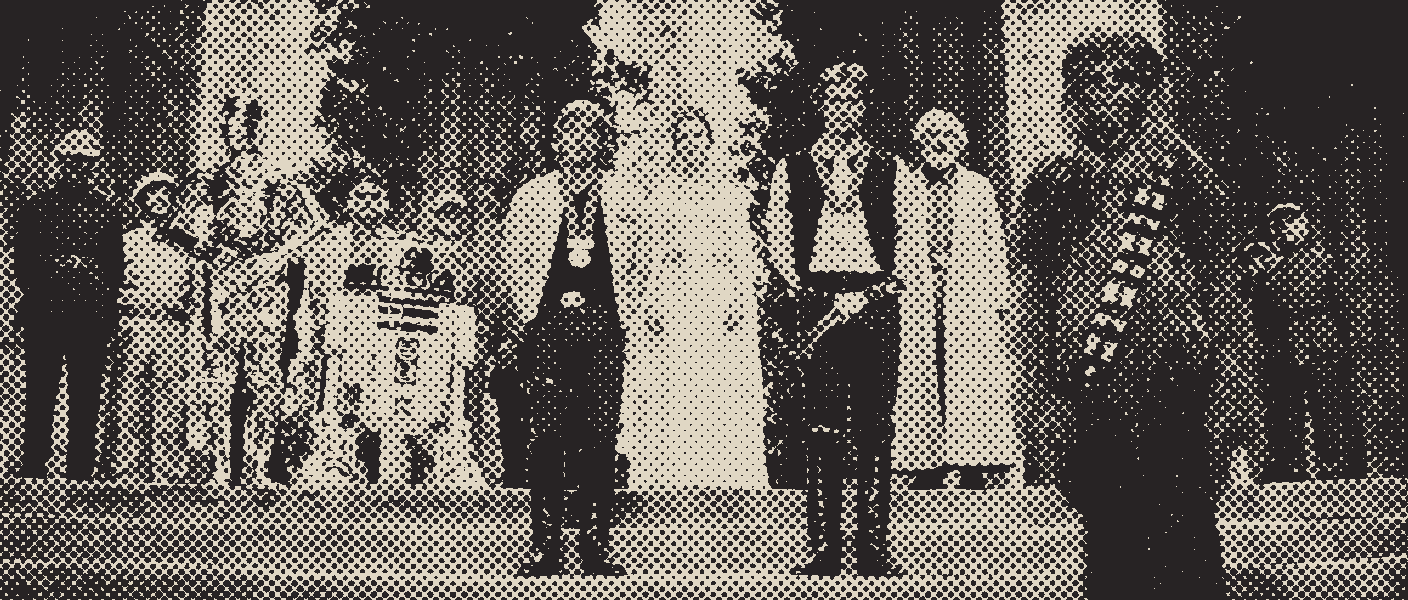
The medal ceremony at the end of Star Wars. Han, Luke, and Leia stand together while the Rebel Alliance applauds. Han has not arced (he is still a smuggler with a heart somewhere under the cynicism). Leia has not arced. Luke has, and the medal ceremony is the visible expression of his new place in the world. But the image is of three characters in a new formal relation to each other that did not exist at the beginning of the film. They are now allies, friends, comrades. The world they inhabit has been reorganized.
The end-of-year feast in Harry Potter and the Sorcerer’s Stone. Slytherin’s banners come down. Gryffindor’s go up. Houses are reordered. Friendships are visible in their new shape. None of the characters have changed in any deep way except for Harry (this is the first book in a long series; the other arcs happen across many volumes). But the world has been put into a new configuration by what the Protagonist did in the climax.
The romantic comedy wedding. The villain returning chastened. The reconciled family at the dinner table.
This is not character arc. This is reorganization of the world by the Protagonist’s transformation. The Antagonist has not been redeemed. The Antagonist has been beaten, or sidelined, or repositioned, and now occupies a different rung in the social order. He is no longer vying for the princess’ hand. The supporting cast has not arced. They have been reordered around the Protagonist’s new state.
The writerly takeaway: do not try to redeem your Antagonist in the last scene. Do not try to give your supporting cast a flurry of mini-arcs in the final sequence. Show them in their new positions inside the world your Protagonist has just changed. The Antagonist losing gracefully, the disapproving father holding his grandchild, the rival nodding from across the room. None of these are arcs. They are the visible shape of the new equilibrium.
The change happened in the climax. The final sequence is the new world.
What This Means For Your Story
If you have been writing as if every character needs an arc, here is what to do differently.
Stop giving every character an arc. It is exhausting, it diffuses the story’s focus, and it produces characters whose changes feel arbitrary because most characters do not have a structural reason to change. Let your secondary characters be still. Their consistency is a feature, not a bug. It is the surface against which your Protagonist’s transformation becomes visible.
Know whether your Protagonist arcs or refuses to. This is the single most important structural decision in your story. If they arc, you are writing a Comedy. If they refuse, you are writing a Tragedy. The choice shapes everything else, and most stories that feel formless feel that way because the writer has not made the choice.
The arc has specific content. A character arc is a Bad Habit dropped and an opposite Moral Strength adopted. If you cannot name both, you do not have an arc yet. The vague “she grows over the course of the story” is not yet enough. Ask: what is the operating philosophy she leaves behind, and what is the operating philosophy she picks up? When you can answer both questions in a sentence each, you have an arc.
The final sequence is reorganization, not transformation. When your supporting cast appears in the closing scene, you are not showing how they changed. You are showing the new shape of the world your Protagonist made.
Tale Spinning is a method that grows stories from theme and character outward. Every beat earned, every beat inevitable. Works whether you're writing your own, evaluating someone else's, or developing with a team, across screenplays, novels, comics, and stage plays.
Keep reading
January 17, 2026
What Great Character Arcs Have in Common
A deep look at what great character arcs have in common, to show why real change isn't proven through speeches or self-reflection, but through repeated choices, rising pressure, and action that finally aligns with theme.
Read →
January 2, 2026
Traits Don’t Change. Habits Do. That’s the Whole Story.
Your protagonist cannot become someone new, and shouldn't. Real change is unlearning one self-defeating behavior. The difference between a Trait and a Habit is what makes an ending feel earned instead of arbitrary.
Read →Every term used here is defined in the glossary.