
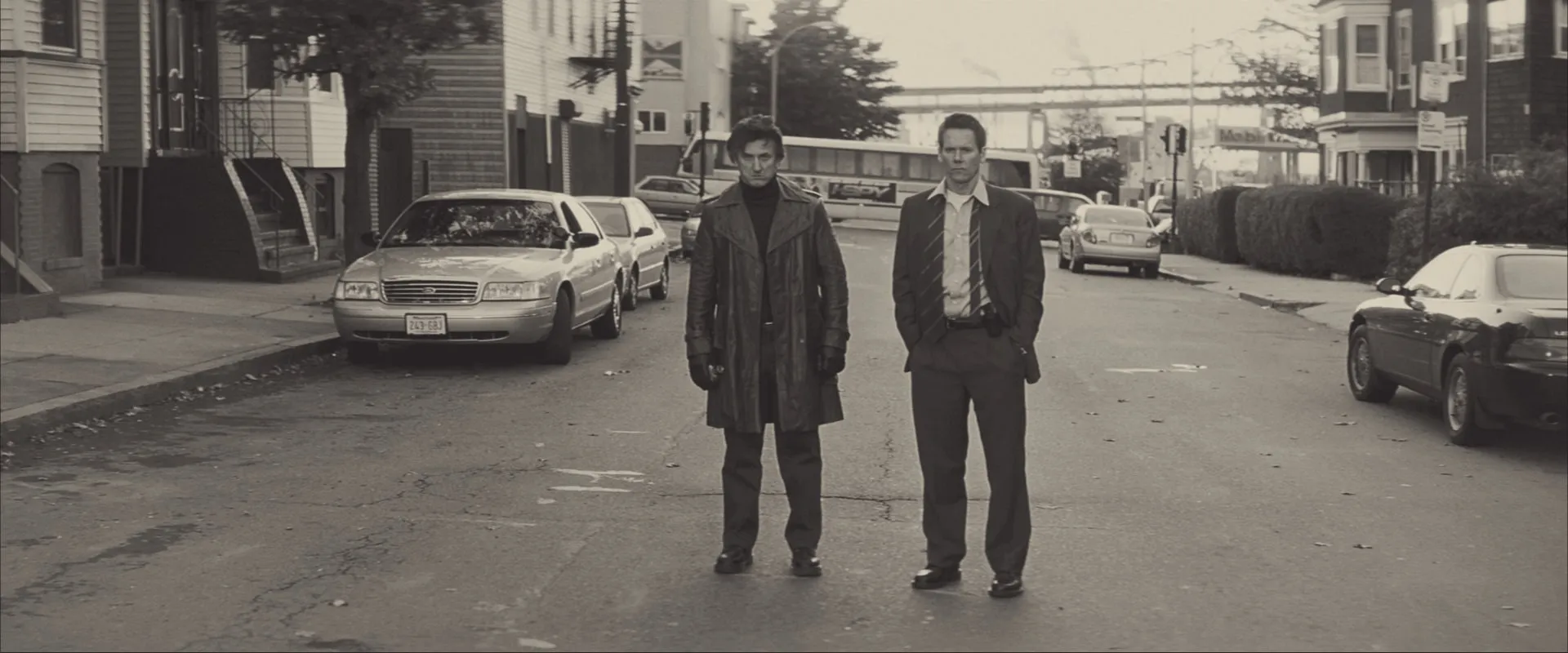
Two questions linger after Mystic River: what was done to Dave Boyle in the days he was missing, and what happens to Jimmy at the end. The film answers both — and judges neither.
The first is sexual abuse by a child molester impersonating a police officer. The film cuts away before the act and never speaks its name, but the rest of Dave’s adult life is the residue of those days. The second is that Jimmy is not punished. He lives in the Flats, surrounded by the people who know what he did, and he lives that way for a long time.
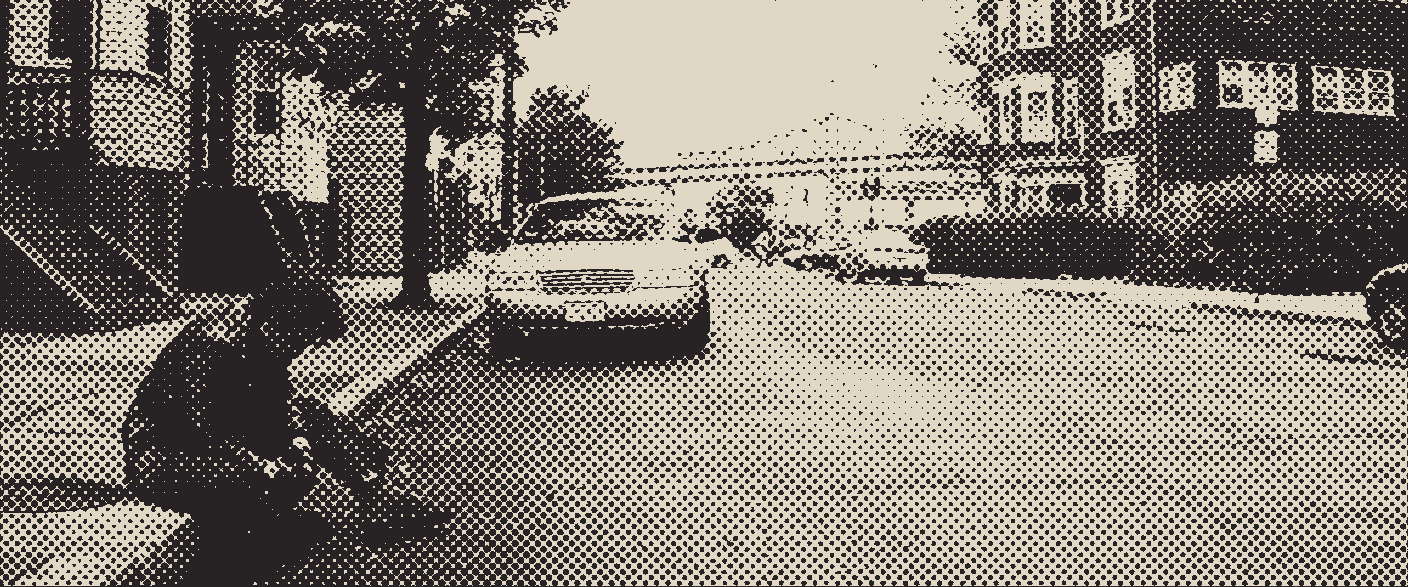
Mystic River opens with three eleven-year-old boys writing their names in wet cement outside a bodega in a Boston neighborhood called the Flats. A man in a brown car pulls up. He tells them he is a cop. He takes one of them; Dave Boyle. The two he leaves on the sidewalk are Jimmy Markum and Sean Devine.
Dave comes back. Not the same.
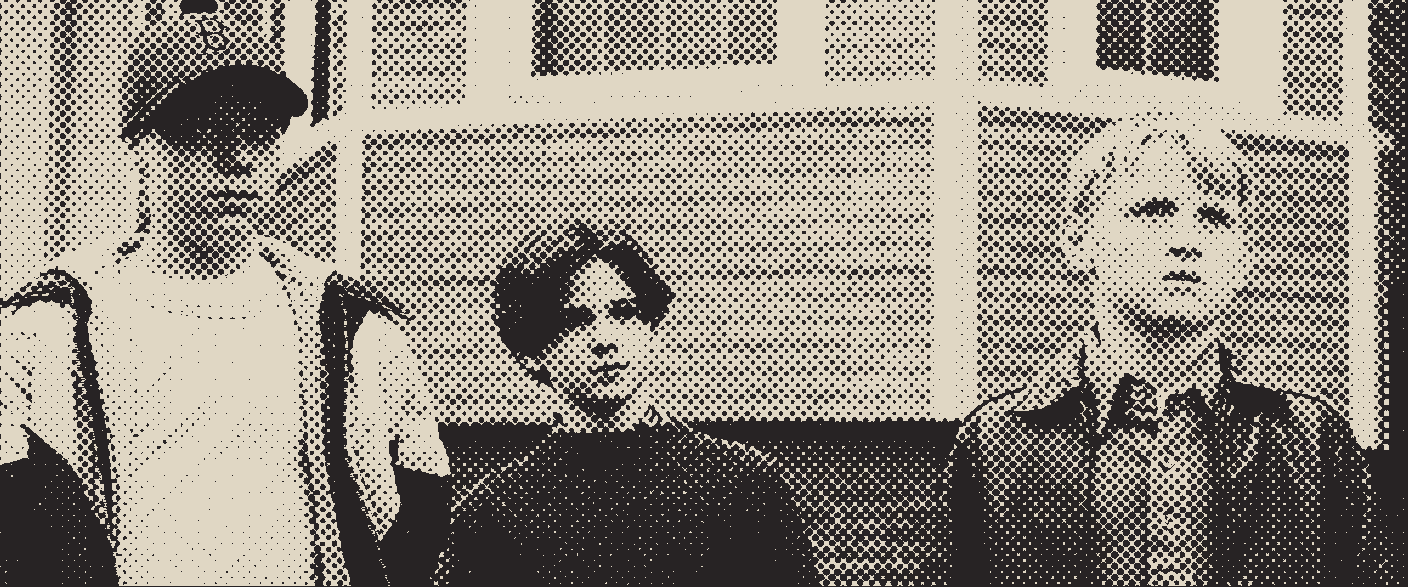
Everything that happens across the next two hours is a variation on the question of how three boys respond, as grown men, to the same unprocessed injury. The film is not really about a murder investigation. It is about what each of them did with the wound the street handed them when they were eleven.
Dave carried it. He grew up never quite able to hold a conversation, built a life on the edge of his own collapse, and every day tried to not become the thing that happened to him.
Sean became a cop. He took the sidewalk lesson (the world can hurt you, pursue justice but carefully) and built a profession on it. He got a badge and a partner and a procedure, and he worked inside the rules of the legitimate world.
Jimmy did the other thing. Jimmy looked at the grown-ups who failed to protect Dave and decided he would never trust them again. He built his adult life on the understanding that men handle things themselves.
The wound is the same. The responses are different. And one of the responses, in this specific film, is a Kind Tragedy waiting for a trigger.
The Habit That Worked Too Well
Jimmy Markum’s Bad Habit is taking the law into his own hands.
In the Flats, this is not a pathology. It is a strength. The neighborhood respects men who handle things. Jimmy’s entire adult life has been built on the foundation of being the person who does not wait for institutions. The Habit has produced a business, a family, a standing, and a network of men who would put a gun in his hand the moment he asked for one.
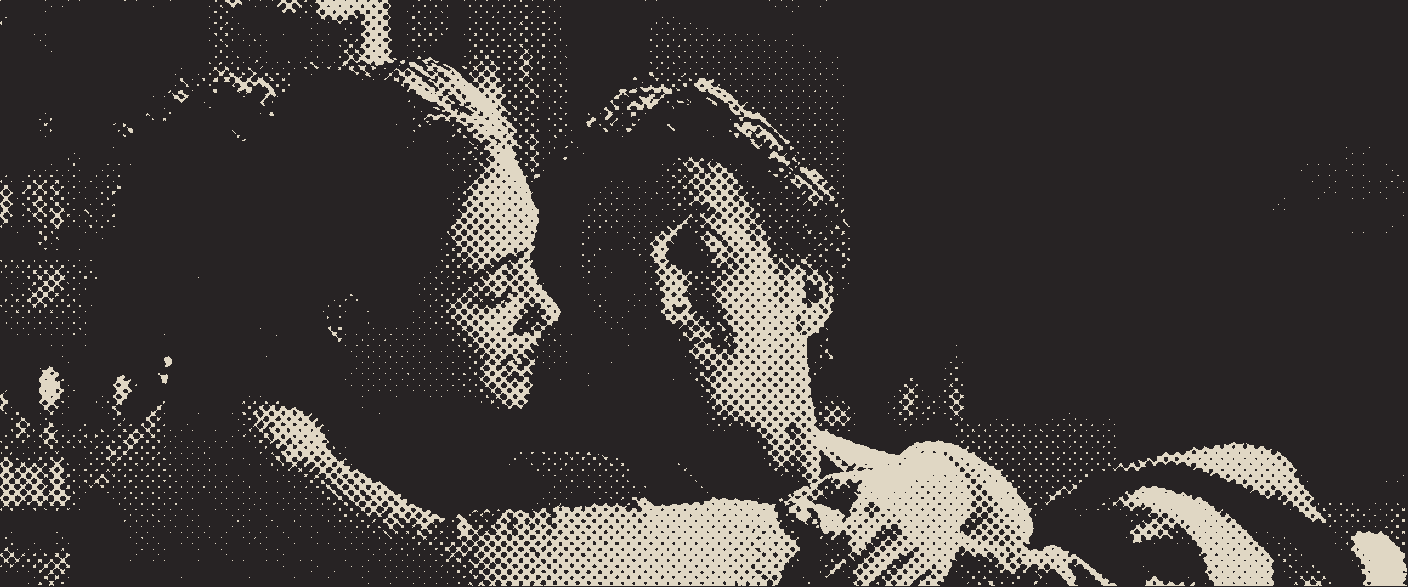
And the Habit has been used before. Years ago, Jimmy killed a man named Just Ray Harris, a friend who betrayed him after a robbery. No one talks about it. The neighborhood knows. The killing was never punished.
Jimmy’s Habit is not a character flaw he has failed to overcome. It is a working philosophy that has been effective. Every previous use of it has been vindicated by outcome. The Habit says act, and action has always been right.
The universe is about to ask him to wait. The Habit is about to meet a situation it does not know how to read.
Where Kind Tragedy Inverts Kind Comedy
A reader familiar with Kind Comedy will notice something structurally inverted about Mystic River. (If you are not familiar with the Kind Comedy structure, take a look at this article about Legally Blonde, or this quick pdf course on the different Story Types.) The inversion is worth naming directly, because it is the single most useful thing the film teaches about how a Kind Tragedy works.
The Habit’s strength inverts. In every story, the Protagonist and Antagonist have a very similar Bad Habit. In a Kind Comedy the Protagonist has the softer Habit and the Antagonist has the full corrupted version. Last week I wrote about Legally Blonde, a Kind Comedy. The Protagonist of that movie, Elle Woods has a Bad Habit; The Antagonist, Professor Callahan, has the same Habit, worse. In a Kind Tragedy however, these roles flip. The Protagonist has the full Bad Habit. The Antagonist has a softer, non-vicious version of it. Jimmy is the Protagonist because he is the one who pushes the story forward, and thus he has the full Habit; he is judge, jury, and executioner. Sean Devine is the Antagonist because he follows the clues, he doesn’t push the story and thus he has a softer version of the same Habit; he is just a cop. Sean is looking for Justice, Jimmy for Revenge. Sean has enough of the Habit to sympathize with Jimmy. He does not have enough of it to do what Jimmy does.
The archetype power inverts. In a Kind Comedy the Protagonist is the underdog and the Antagonist has institutional power or status. In a Kind Tragedy this is the other way around, the Protagonist has local or institutional status, and the Antagonist is less powerful. Jimmy owns the block. Sean has a badge, a partner, and a chain of evidence to follow, and generally, people in the Flats don’t like cops very much. Jimmy can act today. Sean has to be patient and convincing.
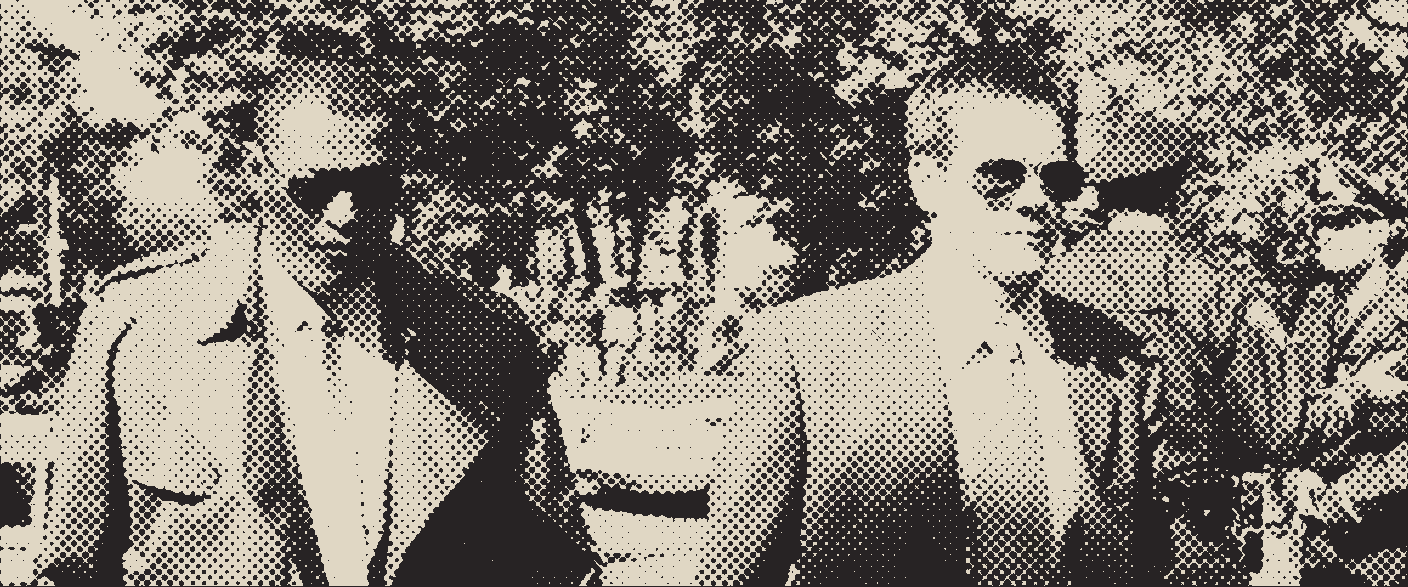
The Talent flips function. In a Kind Comedy the Ironic Talent is prevented from reaching its full potential by the Habit. The Habit hides the Talent, and the story is about releasing the Talent so it can save the Muse. In a Kind Tragedy the Talent is deployed by the Habit and it is not Ironic. Jimmy is the leader of the gang, his family, the Flats. He makes decisions, takes responsibility, and where he goes the others follow. The Talent works. It just happens to be strapped to a Habit that directs it at the wrong target.
Three inversions. Same structural roles. Opposite outcome.
The Man Who Carried the Wound Without a Habit
Dave Boyle is the Muse of the film.
In a Kind Comedy the Muse is the one the Protagonist drops the Habit for. Elle steps up, and risks her career and that of her soon-to-be-boyfriend in Legally Blonde for Brooke, and Brooke walks free. In a Kind Tragedy the Muse is still the one the Protagonist could save by dropping the Habit. But the Protagonist does not drop the Habit, and the Muse is left in the place the Protagonist could have rescued them from.
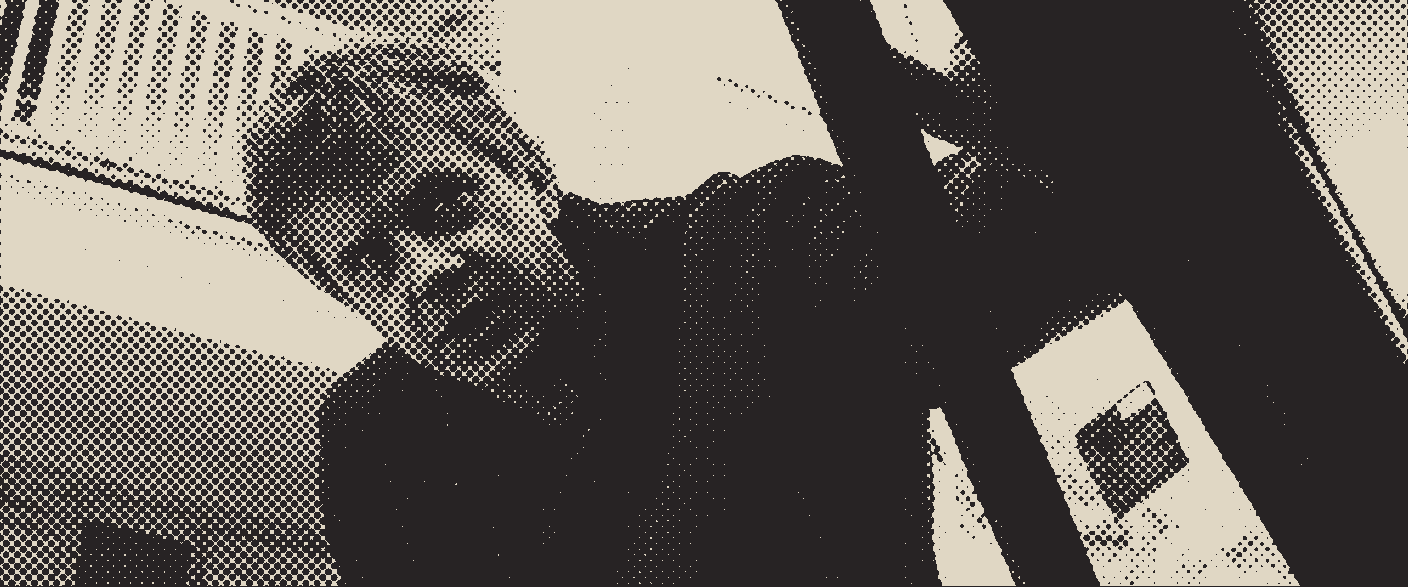
Dave is the version of the wound that did not calcify into a Habit. He was in the car that day. Jimmy and Sean were not. He carries the injury that would have been theirs, and he carries it differently. He does not become the man who handles things. He does not become the careful cop. He becomes a man who is barely holding on, who speaks in strange metaphors about vampires and werewolves, who talks to himself about getting his head right.
His Moral Strength is precise: use the wound only against the thing that caused the wound. On the night Katie dies, Dave comes home covered in blood. He has just killed a child molester. He tells his wife, when she finally asks him, that it makes you feel alone, hurting somebody. Dave kills once. And he kills the exact kind of man who hurt him. He does not use the wound as a general-purpose tool. He does not build a life on being the person who acts. He carries the injury, and most of the time he contains it, and when he uses it, he uses it against the one category of person who produces more of it.
This is what Jimmy fails to do. Jimmy uses the wound (the impatience, the thirty-year certainty that men handle things) against Dave, who is innocent of what Jimmy thinks he did. Dave kills a guilty man. Jimmy kills an innocent one. Both of them act from a version of the same wound, and only one of them misdirects it.
The saving Dave needed was small. An hour’s patience while the investigation worked. Sean produces the saving information, which is that the real killers have been caught, and goes to tell Jimmy. Jimmy receives this information just a few hours too late. “Thanks for catching my daughter’s killers Sean. If only you were a little quicker.”
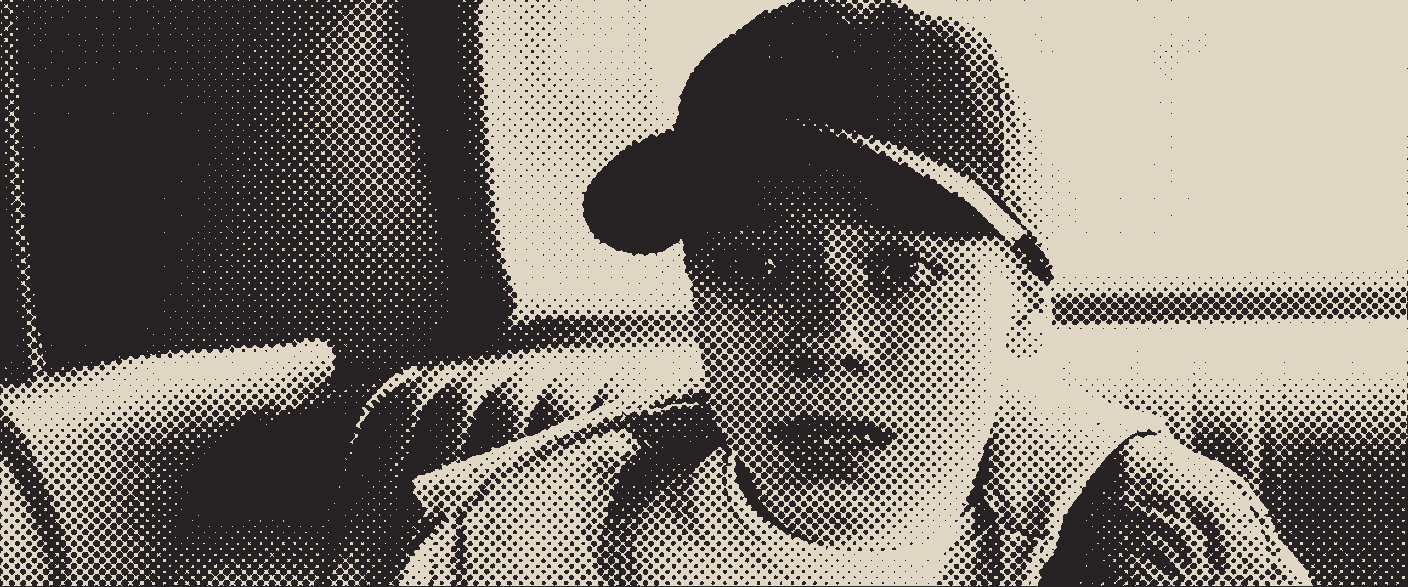
The Universe That Kept Trying
The universe of Mystic River is the Flats, and the Flats is a Kind universe.
This is the hardest thing to see on a first watch, because the film is soaked in grief and violence. The Flats is not cruel. It is slow. It is a working-class Catholic neighborhood with its own moral physics, and the moral physics of the Flats is that truth comes out, eventually, through the accumulation of small information. The neighbor who heard something but wouldn’t go to look out the window in her dressing gown. The wife who noticed the timing. The 911 tape where a voice says her, tipping Sean off that the killers are the one that made the call. The Flats tells its own story given enough time. It rewards patience.
The Flats also rewarded Jimmy. It gave him everything he has. A second chance after prison. A business on a good corner. A network of men who would drop everything for him. He is, in every measurable way, a beloved son of the place.
What the Flats asks in return is what every Kind universe asks of its Protagonist: trust the place, let the process work. The Flats is slower than Jimmy, but the Flats is going to produce the truth, and the truth is going to be that two kids accidentally shot Katie, and the truth is going to come out in time for Dave to live.
Jimmy does not trust the Flats. He moves faster than it. The Habit does not know how to wait. He acts on incomplete information, and the universe finishes its sentence a few hours later, and when the universe finishes its sentence, it is pointed at Jimmy.
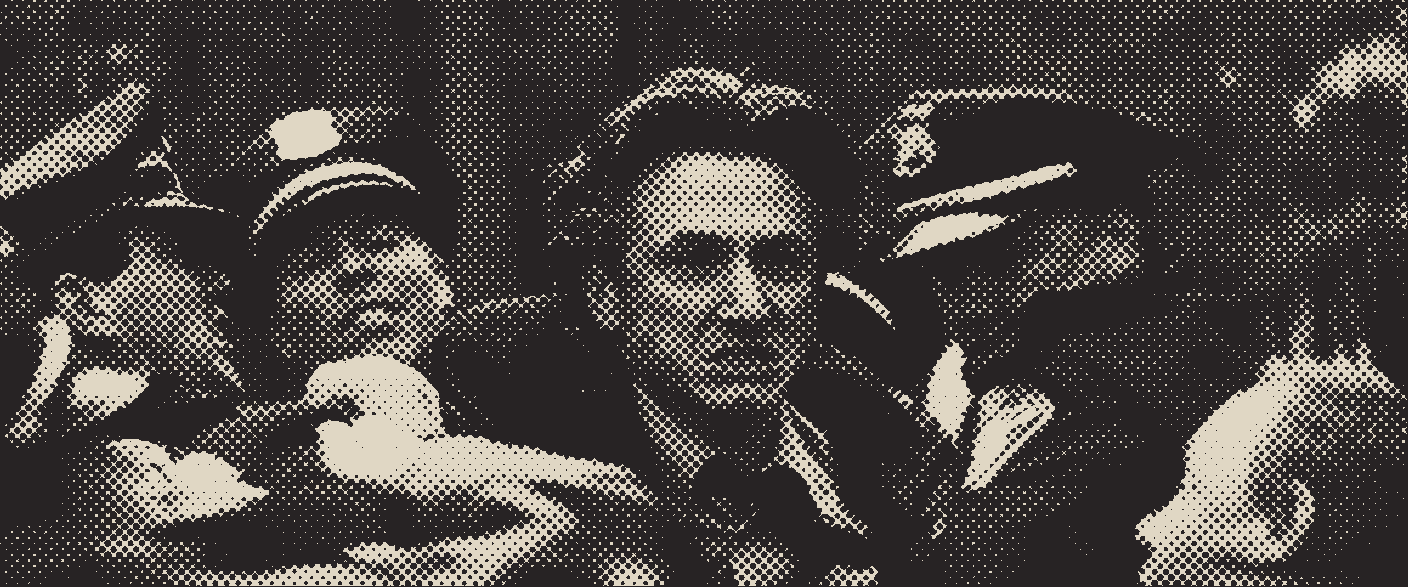
The final scene is a parade. Sean sees Jimmy across the crowd and raises his hand and makes the shape of a gun. It is not a threat. It is not quite an accusation. It is the Flats saying we know, in the gentle shorthand of two men who grew up on the same street and survived different ways.
The Kind universe is not going to punish Jimmy with death or prison. It is going to do something worse. It is going to let him live. And it is going to let him know that it knows.
The Genie
One last structural piece.
A Genie is the thing in a Protagonist that makes the Muse look past the Bad Habit long enough to invest in them. It can be a quality (Legally Blonde: Elle Woods’s social fluency, which is what makes Emmett and Brooke invest in her past the pink and the chihuahua), a magic power (Ratatouille: Remy’s ability to control Linguini’s movements, making Linguini forgive the fact that Remy is a thief, the thing Linguini hates most), or a character (literally, the Genie in Aladdin). Whatever form it takes, the Genie is what keeps the Muse oriented toward the Protagonist while the Bad Habit is still running. And the Genie is lost, or taken, somewhere near the end of Sequence BB (Act 2). That loss is the moment the Habit becomes visible again, no longer concealed by the thing that was attracting the Muse to begin with.
In Mystic River, the Genie is Jimmy’s grief.
When Katie dies, something softens in Jimmy. He is sad in a way that the Flats has not seen him be before. He says, at one point, that he is sure he played a part in his daughter’s death and just does not know how. That is not the Habit speaking. That is a man sitting with loss rather than acting on it. And Dave notices. Dave says to Celeste, about the grieving Jimmy: “it took something like this to make us friends again.” The Muse is being drawn toward the Protagonist by the grief. The grief is suspending the Habit, or appearing to, and Dave is stepping through the opening it creates.
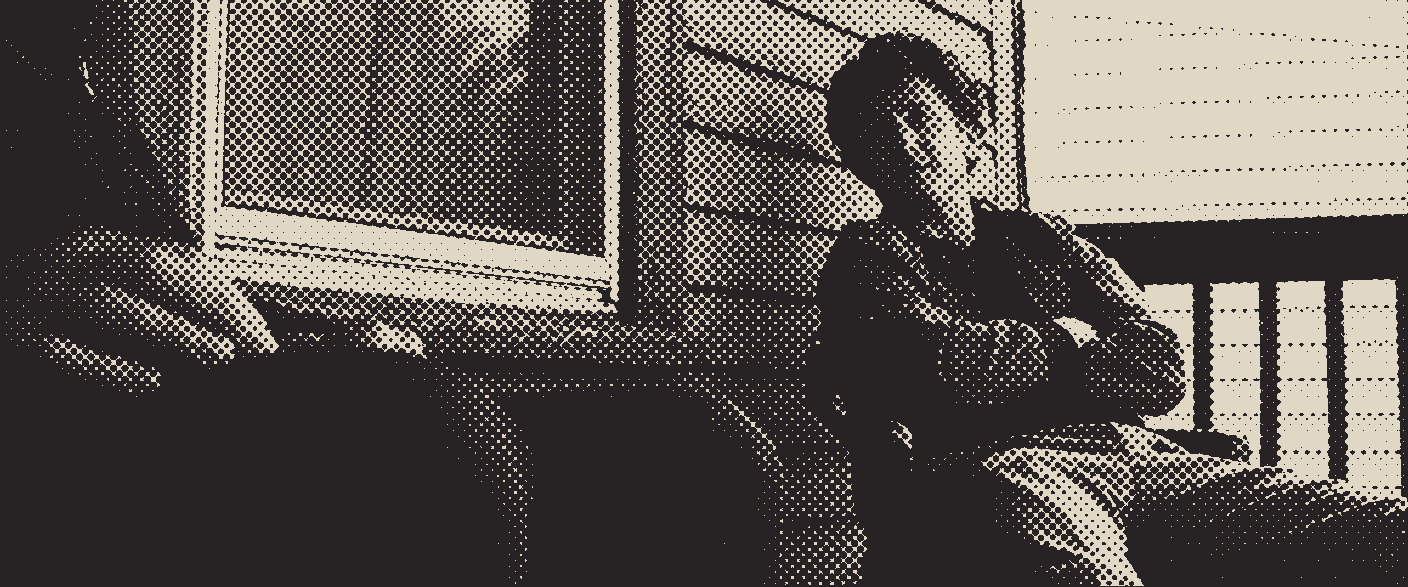
What makes this the Genie and not just a mood is that Dave, who has known Jimmy his whole life, who knows exactly what Jimmy is capable of, who has heard the stories about Just Ray Harris, is looking at Jimmy and seeing, briefly, the possibility of a man who might carry a wound the way Dave carries his. For the first time in twenty-five years, Jimmy might not be the man who rushes to revenge. Dave has been waiting for this version of Jimmy his whole life. The grief is what makes Dave trust him again.
And then the Genie is stolen.
Celeste comes to Jimmy’s house and tells him she thinks Dave killed Katie. That is the moment the grief stops being reflective and becomes fuel. Jimmy stops asking what his part in this might have been. He stops sitting with the loss. He switches into revenge, fully and immediately, and the humanity that had been drawing Dave toward him disappears. The Genie is gone. The Bad Habit is now visible, with nothing concealing it, and the Habit has a target.
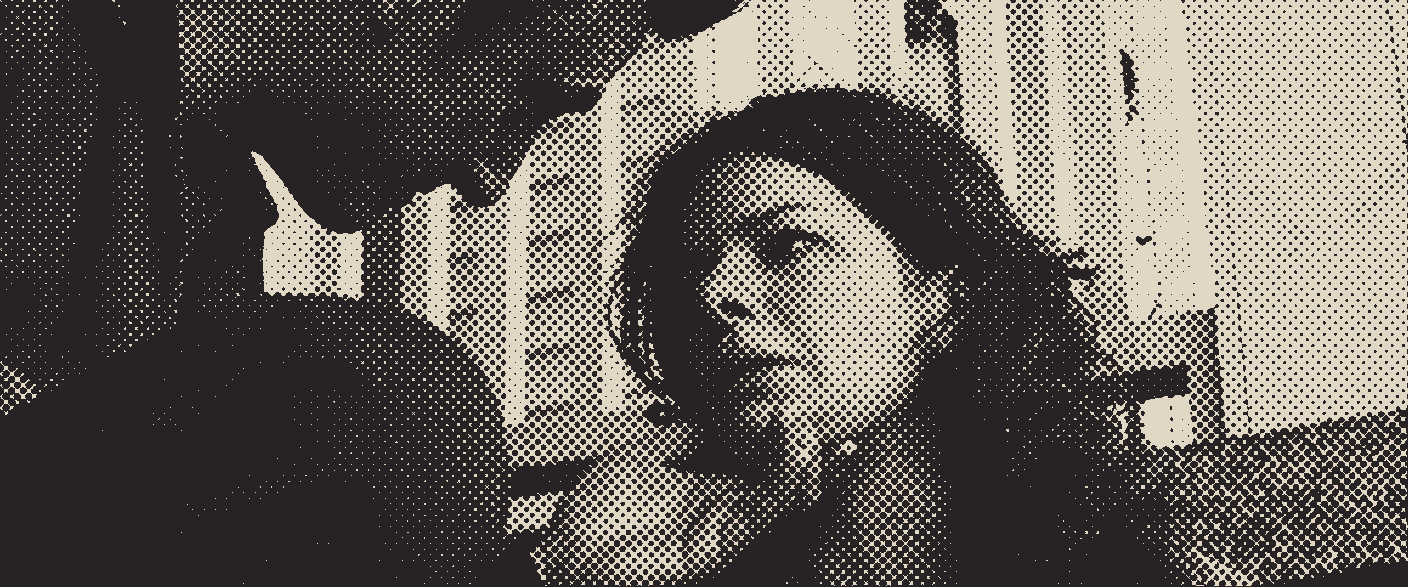
The structural beauty, and the structural horror, is that Sean picks up what Jimmy just dropped. At the same moment that Jimmy is abandoning the grief, Sean is deepening his. Sean’s investigation is methodical, careful, procedural, but it is driven by the same sadness Jimmy just turned into revenge. Sean is the one who can still hear the 911 tape correctly. Sean is the one who can still see Dave clearly. The truth flows to Sean because the Genie is operating on him now and Sean’s lesser version of Jimmy’s Habit is to seek Justice (instead of revenge).
But this is where this movie turns into a Tragedy: Sean is too late to save Dave. The Protagonist has abandoned the Genie that was keeping him safe. The Antagonist has the Genie and the truth, but not the speed. Dave gets in the car with the Savages at the end of the film because he still thinks he is dealing with the grieving Jimmy, the Jimmy the Genie was producing. He does not know that version of Jimmy is gone. The Genie’s loss is invisible to the Muse until the Habit has already acted.
What the Film Leaves You With
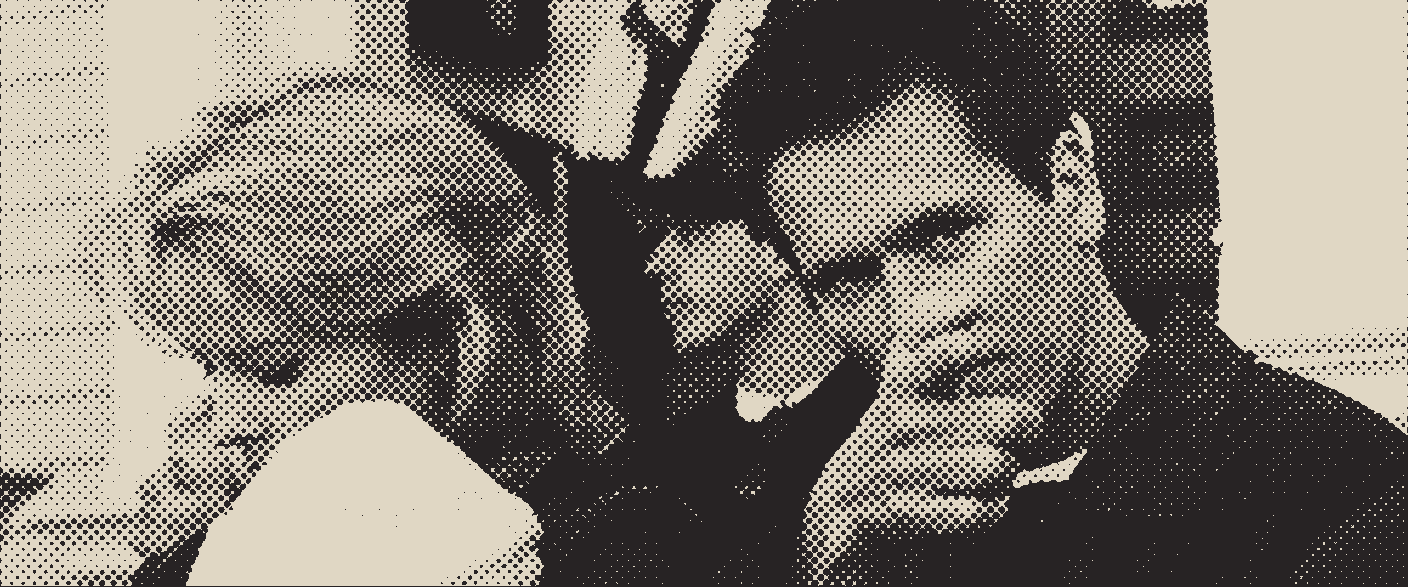
Mystic River ends with the parade. Jimmy and Annabeth and their daughters in the crowd. Sean and his wife and their baby across the way. Celeste alone with her son, destroyed, knowing. The neighborhood walking past them all. Music. Color.
Many Kind Tragedies end with the Protagonist dying (take a look at Training Day for a good example). But Mystic River does not give us that much closure. However, I think this makes the ending even harsher. Jimmy lives. He is going to live for a long time. He is going to live surrounded by the Flats, under the steady and unremitting gaze of the place that saw what he did. He is going to have to live with another wound. Just like Dave.
That is what this Kind Tragedy does. It does not destroy the Protagonist. It preserves them, inside the consequence.
What This Means For Your Story
If you are working on a tragedy, or trying to figure out whether what you have is a tragedy or something else, Mystic River gives you two things worth carrying.
Your Protagonist has the full Habit, not the softer one. This is the most useful structural inversion to internalize, because it feels counterintuitive if you have been trained on comedy. The tragic Protagonist is not the underdog trying to avoid becoming the Antagonist. The tragic Protagonist is the full version of the Bad Habit. The Antagonist is the character with the softer version who keeps trying and failing to intervene. Write from the more powerful, more afflicted side. That is where the tragic pressure lives.
Your Universe is Kind if it is offering chances for the Protagonist to change their behavior, their Bad Habit. The test is not whether the ending is sad. The test is whether the Protagonist could have done otherwise. In a Kind Tragedy, they could have.
APPENDIX: FULL STRUCTURAL MAP
For readers who have already finished one of the Tale Spinning courses and want the complete breakdown:
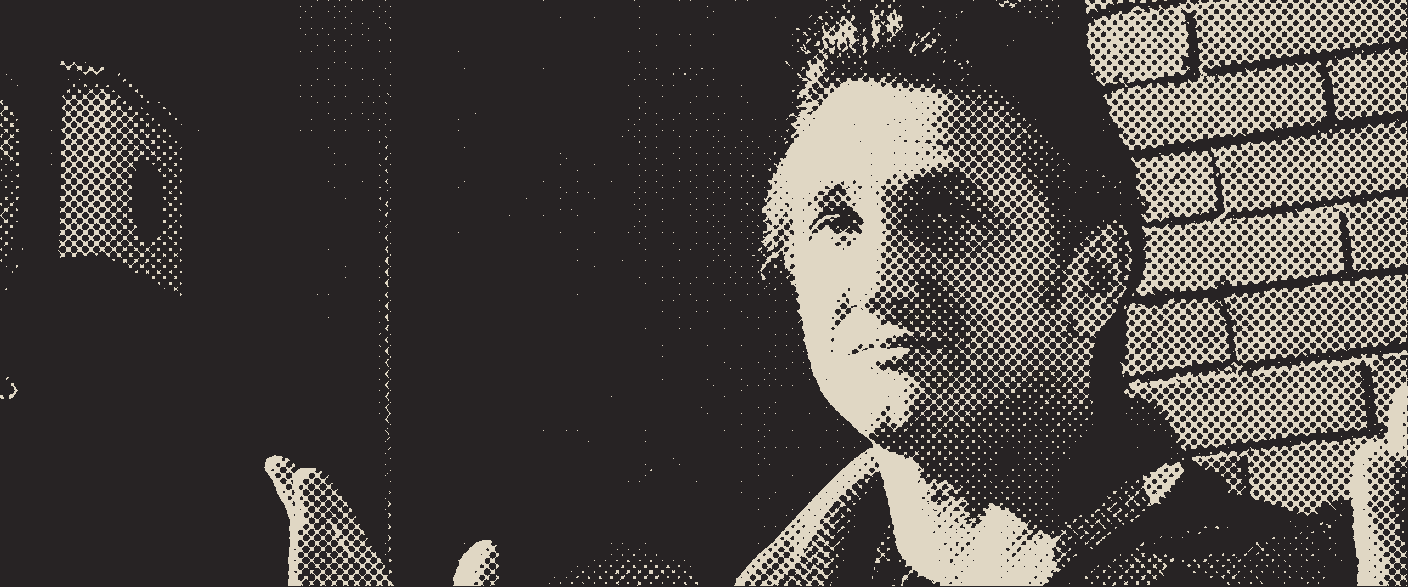
- Protagonist: Jimmy Markum. Archetype: neighborhood king, store owner, head of a family. Talent: leadership; he is the one others follow. Habit: taking the law into his own hands; judge, jury, and executioner. Full version, calcified over thirty years. Previously used on Just Ray Harris.
- Antagonist: Sean Devine. Same Habit as Jimmy in softer form; just a cop. Less powerful archetype (bound by procedure, less liked in the Flats). He reaches the truth two hours into the film, one minute after Jimmy has killed Dave.
- Muse: Dave Boyle. Moral Strength: using the wound only against the thing that caused it, never against the innocent.
- Universe: The Flats. A Kind neighborhood that gave Jimmy everything and asked only for his patience. Verdict delivered in the finger-gun gesture at the parade: the place knows.
- Genie: Jimmy’s grief. The humanity and sadness Katie’s death briefly produces in him. Draws Dave toward Jimmy across twenty-five years of distance. Lost at the moment Celeste tells Jimmy that Dave killed Katie, when the grief hardens into revenge. The Antagonist picks up the Genie at the same moment the Protagonist drops it: Sean’s investigation continues to be driven by the sadness Jimmy just converted into Habit.
- McGuffin: Who killed Katie. Jimmy answers it wrong. Sean answers it right. The answer arrives in the wrong order.
- Ending: Preservation inside consequence. Jimmy retains everything the Kind universe gave him and lives inside it, knowing what he did, under the gaze of a place that still sees him.
Tale Spinning is a method that grows stories from theme and character outward. Every beat earned, every beat inevitable. Works whether you're writing your own, evaluating someone else's, or developing with a team, across screenplays, novels, comics, and stage plays.
Keep reading
April 19, 2026
Legally Blonde and the Habit That Looks Like Confidence
Every existing analysis of Legally Blonde tells the same empowerment story: underestimated woman proves herself. That reading isn't wrong, but it makes the film impossible to learn from. A structural look at why Elle's confidence is the problem rather than the solution, what makes 'you're a Marilyn, not a Jackie' one of the sharpest King's Laws in modern cinema, and why the film is more structurally rigorous than it gets credit for.
Read →
February 6, 2026
The Villain Protagonist Problem: Why Training Day Isn't About Jake
Learn why your villain is more compelling than your hero - and why that's not a problem. This guide explains the Kind Tragedy story structure, where the villain is actually the protagonist. Using Training Day as a case study, discover how to identify your true protagonist and build stories where the hero saves the day but the villain drives the plot.
Read →Every term used here is defined in the glossary.