
You’ve written a script where the hero is kind of boring and the villain is utterly fascinating. The hero does everything right, makes all the moral choices, saves the day - but somehow your villain is the one who steals every scene. You keep finding yourself writing more dialogue for them, more backstory, more complexity. Meanwhile your hero feels a bit… flat.
Sound familiar?
Here’s the thing: you might not have a problem at all. You might just be writing a Kind Tragedy, and you haven’t realized yet that your villain is actually your Protagonist.

Most writers confuse the Hero (the character who saves the day) with the Protagonist (the character who drives the story and reaches for Heaven on Earth). This confusion leads to flat, reactive heroes and compelling villains who seem to hijack the narrative. But what if I told you this isn’t a bug - it’s a feature? What if your story is working exactly as it should, and you just need to recognize the structure you’re actually building?
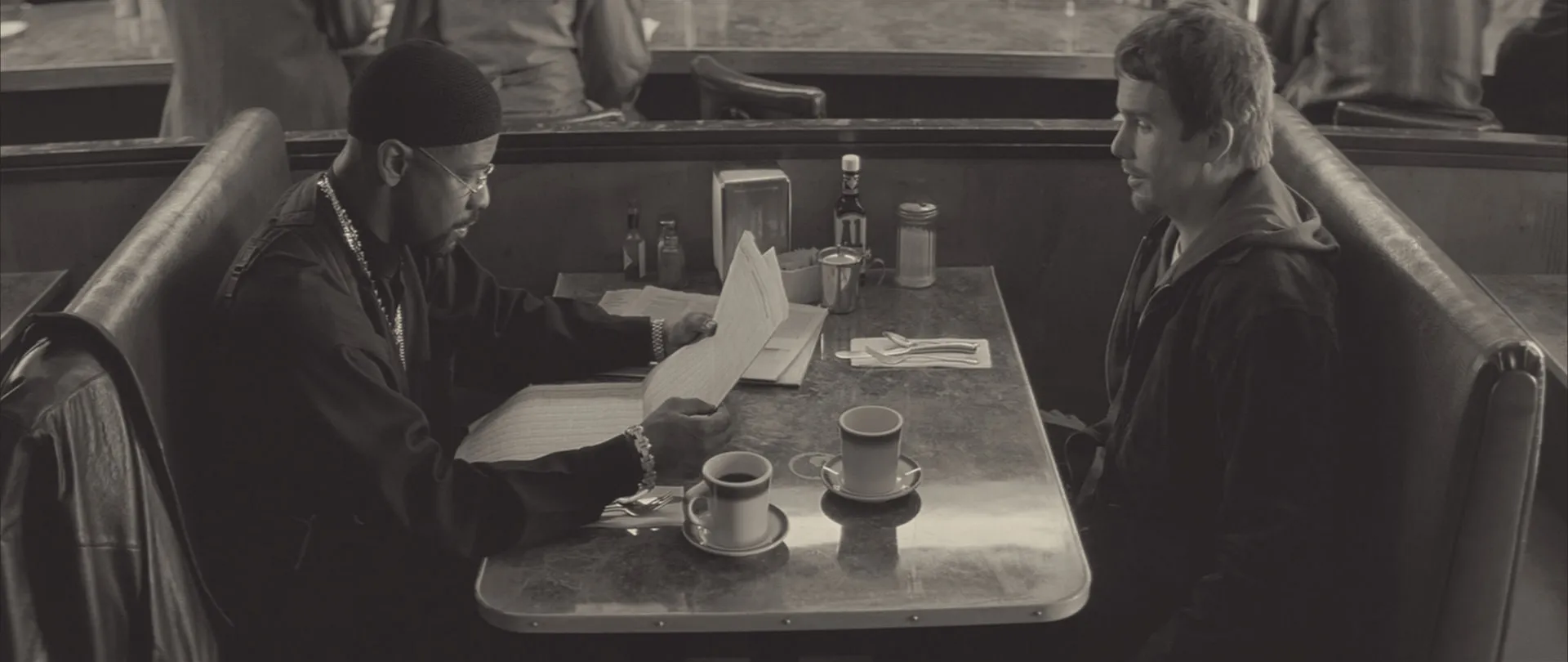
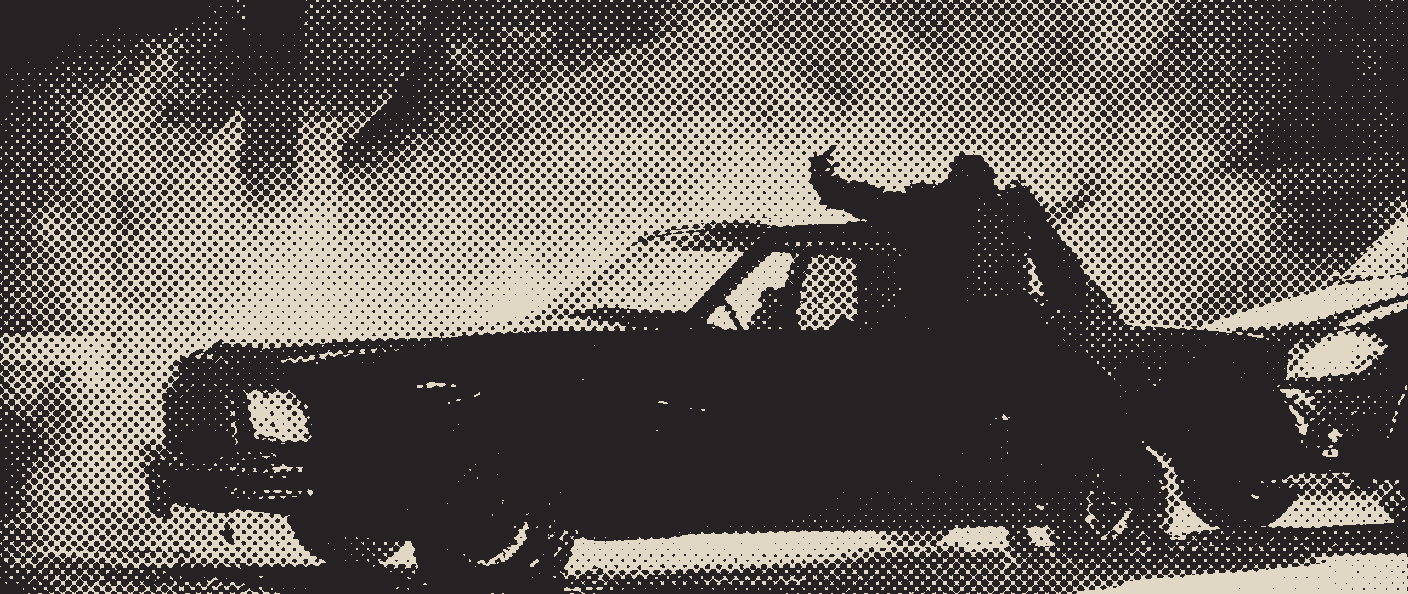
Let’s talk about Training Day. On the surface, it’s Ethan Hawke’s movie. He’s the good guy. He’s who we’re rooting for. But structurally? This movie isn’t about Jake at all. It’s about Denzel Washington’s Alonzo - and this understanding changes everything about how you should approach your own Kind Tragedy.
The Hero Is Not Always the Protagonist
Before we dive into Training Day, we need to get clear on something fundamental: the Hero and the Protagonist are not the same thing. They can be - in fact, they often are - but they don’t have to be.
The Hero is simple to define: the Hero is the character who saves the day. That’s it. They’re the one who stops the villain, rescues the princess, solves the mystery, or prevents the disaster. The Hero usually has a strong moral compass from the start and serves as the audience’s moral center. They react to the villain’s choices, they respond to crises, and they ultimately restore order. Heroes can get better at what they do - become braver, more skilled, more confident - but if they don’t fundamentally change their approach to life, they are NOT the Protagonist.
The Protagonist is something different entirely. The Protagonist is the character who pushes the story forward. They’re the one making the choices that create conflict. They’re the only character in the story who is allowed to fundamentally change before the very last scenes of the film. And most importantly: the Protagonist is always actively reaching for Heaven on Earth.
Heaven on Earth is your character’s Happy Place. It’s the world how they want it to be. It’s “happily ever after.” It’s where they can be Happy, or Free, or Safe, or whatever it is that they truly want. (For more on Heaven on Earth and THE Theme, check out the free Fundamental course here)
The Protagonist is the character whose journey toward (or away from) Heaven on Earth we’re following. They get to live THE Theme:
THE Theme: To reach Heaven on Earth, our Protagonist should do Y, not Z.
In most Kind Comedies - think Ratatouille, Star Wars, The Matrix - the Hero and Protagonist are the same person. Remy is both: he’s the one reaching for Heaven on Earth (becoming the greatest chef in Paris), he’s the one who fundamentally changes his approach (stops hiding, embraces who he really is), and he’s the one who saves the day (saves the restaurant, wins over the critic, brings his family together). One character doing all of it.
But in certain types of stories - particularly action films, detective mysteries, and thriller series - these two roles split apart. The Hero follows and reacts. The Villain chooses and acts. And when this happens, guess what? The Villain is your Protagonist.
Training Day: A Kind Tragedy
Let’s look at how this works in Training Day.
The Opening: Whose Heaven on Earth?
Training Day opens on Jake waking up in his perfect little family home. Beautiful supportive wife. A baby who isn’t even crying. Talk about Heaven on Earth! He’s carefree, unbothered, safe. This is what peace looks like in this Story World.
Now, here’s the critical question: is this Heaven on Earth at risk for Jake at any point in this movie?
Think about it. At no point does anyone threaten Jake’s wife or child. His family is never in actual danger. Sure, Jake himself might die - but he’s a cop, that danger comes with the job. At most times during this film, Jake could walk away and go back to his wife and kid. He could go back to his Heaven on Earth because he has already achieved it before the movie even started.
So Jake is not the character reaching for Heaven on Earth. Which means, by definition, he cannot be the Protagonist.
But notice something else about that opening scene: it shows us what Heaven on Earth looks like in this Story World. It establishes the finish line. It tells the audience - before any character even knows what’s about to happen - what the ultimate achievement is: waking up next to your family, carefree, unbothered, alive.
Now, who in this movie is desperately trying to reach that state and failing?
Alonzo: The Real Protagonist
Enter Denzel Washington’s Alonzo. He also has a girlfriend and a child. But his family ends up in an actual crossfire. He’s got the Russian mob chasing him. He’s surrounded by gangbangers and corrupt cops, none of whom really like him. His loved ones are genuinely at risk. His Heaven on Earth is exactly what Jake showed us in scene one: to wake up next to his family like Jake did - carefree, unbothered, preferably alive.
But he can’t get there. The deck is stacked against him. He ultimately dies trying.
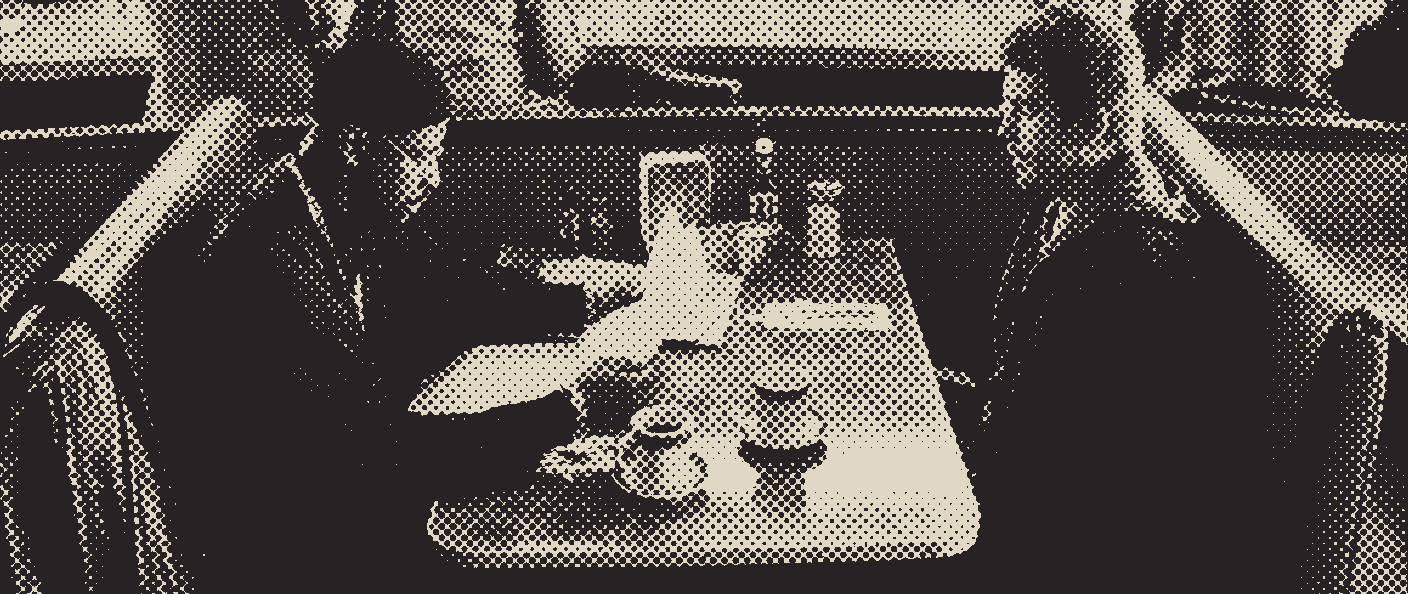
Look at who makes the choices that drive the story forward. Alonzo decides where they go. Alonzo decides who they shake down. Alonzo decides when to break the rules. Alonzo orchestrates the entire plan to get the money he needs to pay off the Russians. Jake is just following along, reacting, trying to figure out what’s happening. Jake is being tested, sure, but he’s not the one creating the tests.
And here’s the kicker: Alonzo gets an opportunity to change his ways. That opportunity is Jake himself. Jake represents the other path - the sheepdog instead of the wolf. Be a good cop. Protect and serve. Play by the rules. Jake embodies that choice throughout the entire film.
But Alonzo refuses. He stays a wolf. He stays selfish, vicious, out for blood. He doesn’t fundamentally change his approach even when the Universe keeps showing him it’s not working. And because of that refusal to change, he does not reach his Heaven on Earth. Instead, the people choose Jake’s side, and Alonzo literally dies trying.
Jake: The Hero
So what is Jake doing in this movie if he’s not the Protagonist?
He’s being the Hero. He’s saving the day. He’s our moral center, our audience surrogate, the stable force of good that we root for. He reacts to Alonzo’s increasingly corrupt choices. He responds to the situations Alonzo creates. He ultimately stops Alonzo’s plan and restores some sense of justice to the world.
Jake’s moral compass is fixed from scene one. He knows right from wrong. He gets tested on it - heavily tested - but he doesn’t fundamentally change his approach to being a cop. He doesn’t have some revelation where he decides to become a different kind of person. He gets better at standing up for what he believes in, sure. He becomes braver, more capable. But getting better is not the same as fundamentally changing.
Jake starts the movie as a good cop who wants to protect and serve. He ends the movie as a good cop who wants to protect and serve. He’s just proven he can do it even in the face of extreme corruption. That’s not a character arc in the Tale Spinning sense - that’s a character test.
The Structure Revealed
So let’s put it all together with THE Theme:
Training Day’s Theme: To reach a life of safety and happiness, Alonzo should have been a good cop; protect and serve the people - be a sheepdog to the herd. But instead he refuses to stop being a wolf; selfish, vicious and out for blood. So he will not reach his Heaven on Earth, the people choose Jake’s side, and Alonzo literally dies trying.
This is a Kind Tragedy. The Protagonist (Alonzo) reaches for Heaven on Earth but refuses to change his ways, so he dies trying. The Universe rewards the morally better character (Jake survives and goes home to his family) and punishes the morally corrupt character (Alonzo dies in the streets).
From the audience’s perspective, it’s a happy ending - the good guy wins! But structurally, it’s a tragedy because the Protagonist fails to reach Heaven on Earth. It’s just that in this case, we’re kind of okay with that because the Protagonist was a corrupt cop who deserved what he got.
And that’s the beauty of a Kind Tragedy. The ending satisfies us on two levels: we get to be fascinated by the compelling Protagonist’s journey and then feel morally satisfied when the Universe punishes them for their refusal to change.
Why This Structure Works
The Kind Tragedy is everywhere once you start looking for it. Action films, detective stories, mystery series, superhero movies, LifeTime films - they all follow this pattern. And there’s a reason it works so well.
The Villain Drives, The Hero Follows
In a detective story, who decides where we go? The killer. The detective just follows the clues. The killer makes the choices - who to murder, how to do it, what message to leave. The detective responds, investigates, pieces it together. The killer is reaching for their Heaven on Earth (revenge, completion of their “work”, whatever their obsession is). The detective already has their Heaven on Earth or isn’t actively reaching for a new one - they just want to restore order.
Think about Sherlock Holmes stories. Holmes barely changes across dozens of adventures. He’s the same brilliant detective in every story. But each killer, each villain, has a complete arc. They have everything at stake. They’re the ones facing the genuine choice: change your ways or die trying.
Series Potential
This is why you see this structure so much in franchises. James Bond doesn’t change from film to film. He’s 007 in every movie - suave, capable, licensed to kill. (Except for Casino Royal - the James Bond origin story) He’s the stable Hero we love to watch. But each film’s villain is that film’s Protagonist. They have the obsession, the plan, the Heaven on Earth they’re reaching for. They make the choices that drive that particular story forward. And they refuse to change, so Bond stops them.
Same Hero, different Protagonist each time. It’s a brilliant formula for a series because your audience gets the comfort of the familiar Hero and the excitement of a fresh Protagonist every installment.
Why the Villain Is More Compelling
Villains often make better protagonists than heroes do. They have more at stake (usually everything). They face the genuine moral choice: change or don’t change. They create the conflict through their decisions rather than just responding to it. Their obsession, their refusal to change, is inherently dramatic.
Meanwhile, the Hero gets to be a stable moral center, which audiences often find deeply reassuring. We like knowing that someone in this story has a clear sense of right and wrong. We like having an anchor point. Jake’s unwavering morality in Training Day isn’t boring - it’s necessary. It gives us someone to root for while we’re simultaneously fascinated by Alonzo’s downward spiral.
The Audience Experience
When you watch a Kind Tragedy, you get to have it both ways. You’re fascinated by the Protagonist’s (the villain’s) journey - their choices, their complexity, their compelling motivation. But you’re rooting for the Hero to win because this is a Kind Universe and good should triumph over evil.
The ending satisfies both needs: the Hero wins (we feel morally satisfied), and the Protagonist gets what they deserve based on their choices (we feel the story resolved properly). From the villain’s perspective it’s tragic - they died before reaching Heaven on Earth. But from our perspective, watching from our seats? Justice was served.
When Writers Miss This
Here’s where writers get into trouble: they don’t realize their villain is the Protagonist, so they try to force an unnecessary “arc” onto the Hero. They add some fake character development - maybe the detective has to “learn to open his heart again” or “overcome his tragic past” - that feels tacked on because it is. The Hero doesn’t need that arc. The Hero works better as a stable force.
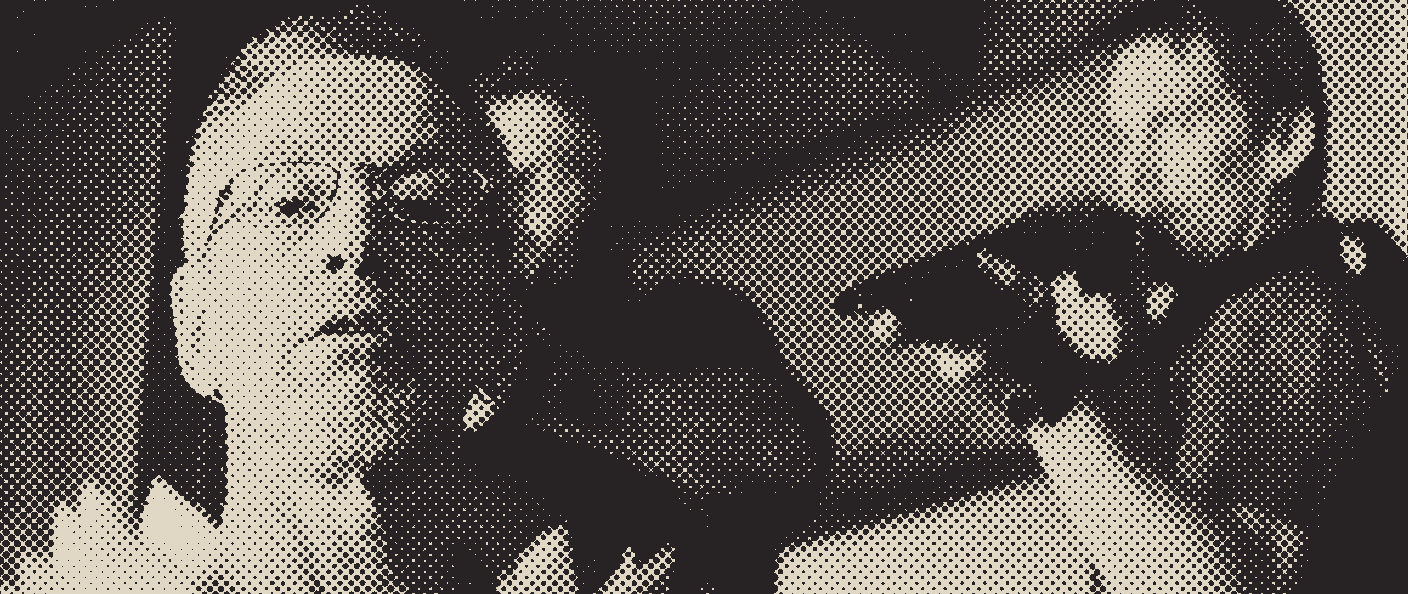
Meanwhile, the actually interesting character - the villain - gets underdeveloped. The writer doesn’t give them a real Heaven on Earth, doesn’t give them a genuine choice to change, doesn’t build out their journey properly. The result is a muddled theme, a flat villain, and a story that doesn’t quite land.
But when you recognize that your villain is your Protagonist? Suddenly everything clicks into place. You know where to spend your time. You know whose journey matters structurally. You know how to build your theme.
How to Identify Your Protagonist
If you’re working on a story right now and you’re not sure whether your Hero is your Protagonist or if those roles are split, ask yourself these questions:
1. Who is reaching for Heaven on Earth?
Not who already has it. Not who could walk away from the conflict and be fine. Who is desperately trying to get to their Happy Place and can’t get there?
2. Who makes the choices that drive the story forward?
Not who reacts or follows or investigates or responds. Who makes the plans? Who decides where we go? Whose choices create the conflict?
3. Who has the opportunity to fundamentally change?
Not who just gets better at what they already do. Who has the chance to change their entire approach to life and either takes it or refuses it?
4. Whose refusal to change creates the tragedy?
In Kind Tragedies specifically, this is your Protagonist. They’re the one who gets the opportunity to change and says no.
5. Who would make this story boring if they weren’t in it?
This is the ultimate test. Imagine removing one character completely. If you remove the Hero, the story might still work - just with a different person trying to stop the villain. But if you remove the Protagonist, there is no story. No conflict. No choices. No journey toward Heaven on Earth.
In Training Day, remove Jake and replace him with another rookie. The story still works. Alonzo’s desperate day, his schemes, his ultimate downfall - all of it still happens. But remove Alonzo? There’s no movie. Jake just has a normal first day on the job.
That tells you everything you need to know about who the Protagonist really is.
The Revelation
Here’s what changes when you understand the Villain Protagonist structure:
You stop trying to force fake character arcs onto Heroes who work better as stable forces. You stop feeling guilty that your villain is more interesting than your hero - that’s exactly how it should be. You develop your villains into full Protagonists with real Heaven on Earths, genuine choices, and complete thematic journeys.
You create the structural integrity your story needs.
Training Day isn’t really about Jake’s first day on the job. It’s about Alonzo’s last day alive.
Jake is who we root for, but Alonzo is who we follow. Jake saves the day, but Alonzo lives THE Theme.
Understanding this difference changes everything.
So the next time you’re writing and you find yourself way more interested in your villain than your hero, don’t panic. Don’t try to fix it by making your hero more “complex” or giving them some tragic backstory. Ask yourself instead: is my villain actually my Protagonist? Am I writing a Kind Tragedy?
If the answer is yes, lean into it. Give that villain everything they need to be a proper Protagonist. Let them drive the story. Let them reach for Heaven on Earth. Give them the chance to change and let them refuse it. And let your Hero do what Heroes do best: save the day.
That’s not a problem in your story. That’s your story working exactly as it should.
Tale Spinning is a method that grows stories from theme and character outward. Every beat earned, every beat inevitable. Works whether you're writing your own, evaluating someone else's, or developing with a team, across screenplays, novels, comics, and stage plays.
Keep reading
January 2, 2026
Traits Don’t Change. Habits Do. That’s the Whole Story.
Your protagonist cannot become someone new, and shouldn't. Real change is unlearning one self-defeating behavior. The difference between a Trait and a Habit is what makes an ending feel earned instead of arbitrary.
Read →
January 9, 2026
Talent Is Overrated.
Jamie Tartt and Neo have the same problem: exceptional talent plus a false belief about what it's for. Why the belief, not the gift, makes the character work.
Read →Every term used here is defined in the glossary.