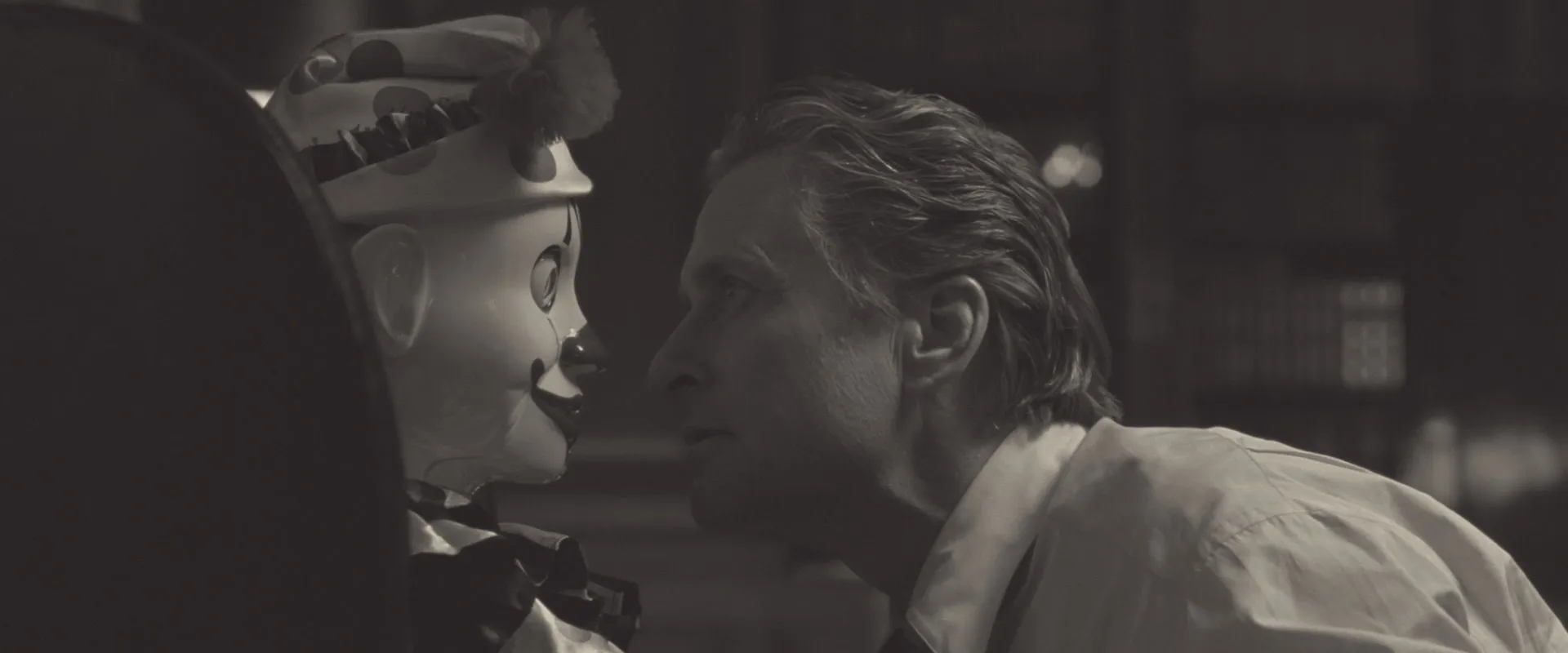
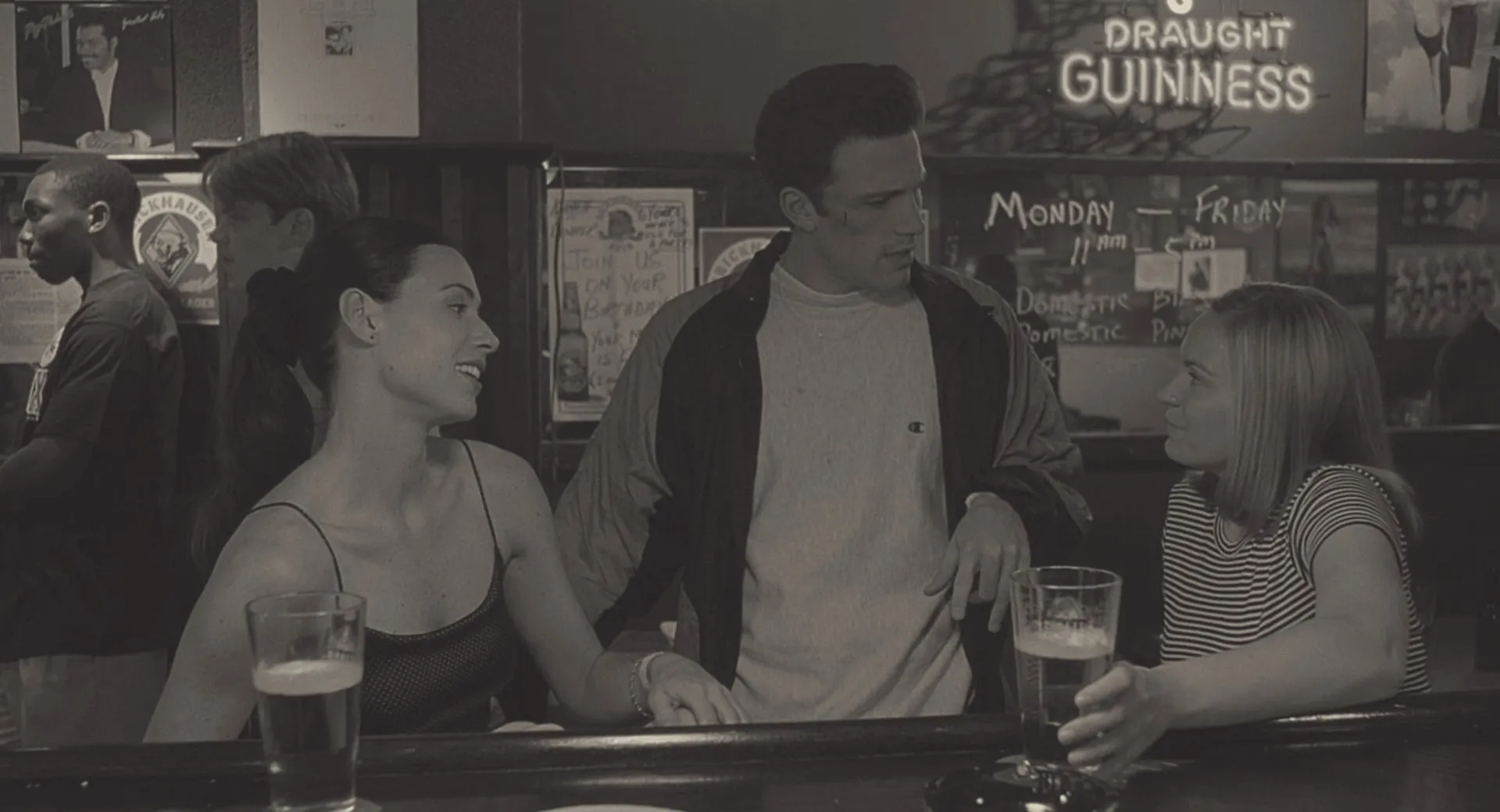
The character the story is about: the one with the bad habit, who has to decide whether to drop it. Not always the hero. Remy; Ken in In Bruges.
Also known as
Hero (in Kind Comedy), Villain (in Kind Tragedy)
Applies to
All Story Types
The Protagonist (Hero / Villain)
Definition
The character the story is structurally about — the one THE Theme applies to. The Protagonist is defined by three traits: an Archetype, an Ironic Talent, and a Habit (the only trait that can change). They begin the story following the King’s Law and must decide, over the course of the story, whether to shed their Habit and follow the Universe’s Law instead.
The Protagonist is not defined by who the audience roots for. That depends on the Story Type.
Why This Term Matters
Identifying the Protagonist correctly is the first structural decision in any Tale Spinning outline. The Protagonist is the character whose Habit drives the plot, whose decision at the Midpoint creates the false victory, and whose final choice determines the ending. Assigning the wrong character to this role breaks the entire structure.
Note that the Protagonist is not always the lead character — the most visible, most talked-about figure in the story. In In Bruges, Ray has the most screen time and top billing. Ken is the Protagonist.
The Three Defining Traits
Archetype — their fixed social identity in the world (cannot change)
Ironic Talent — their exceptional skill, ironically opposed to their Archetype (cannot change)
Habit — their destructive behaviour pattern, learned from the King (can change)
In a Kind Comedy — the Hero
The Protagonist is the Hero. The audience roots for them. Their Bad Habit is learned, understandable, and survivable — but it is costing them the life they actually want. The story is about them learning to let it go.
Ratatouille: Remy is a Rat (Archetype) who is the world’s best chef (Ironic Talent) and hides and deceives to survive (Bad Habit).
In Bruges: Ken is a Career Hitman (Archetype) who is a natural father figure and mentor (Ironic Talent) and follows Harry’s code without exercising his own moral judgment (Bad Habit). Ray — the lead character with the most screen time — is the Muse, not the Protagonist.
Good Will Hunting: Will is a janitor from South Boston (Archetype) who is a mathematical genius (Ironic Talent) and pushes people away before they can abandon him (Bad Habit).
In a Kind Tragedy — the Villain
Coming soon.
In a Cruel Comedy
Coming soon.
In a Cruel Tragedy
Coming soon.
Learn More
The Protagonist is introduced in the free Fundamentals Course and defined in full detail — with the character worksheet — in the Kind Comedy Course.
Most writers try to fix flat characters by adding backstory or personality details. But flatness is a structural problem, not a creative one. This article explains why every character in a story needs a specific Habit — and a defined opinion about the protagonist's Habit. Using The Game as a case study, it breaks down exactly why some characters feel vivid and necessary while others feel decorative, and gives you a two-question diagnostic you can apply to any character in your story right now.
Most first act advice tells you what to include — introduce your protagonist, establish the world, end with an inciting incident. But none of it explains what the first act is actually for. This article argues that the first act has one job: to prove that the protagonist's Habit works. Using Good Will Hunting as a case study, it breaks down the two sequences of the first act, the Home World, the Archetype, the King and the King's Law — and shows how the best first acts plant a theme twist that doesn't detonate until the very end.