
Ask most writing guides what should happen in the first act and you’ll get some version of the same answer. Introduce your protagonist. Establish the world. Hook the reader. End with an inciting incident that launches the story forward.
All of that is true. None of it is particularly useful.
It tells you what to put in the first act. It doesn’t tell you what the first act is for — what specific structural job it needs to complete before the rest of the story can function. And without understanding that job, writers tend to treat the first act as a formality. Something to get through on the way to the real story.
The result is a first act that introduces everything correctly and proves nothing at all.
The First Act Has One Job
The first act exists to prove that the protagonist’s Habit works.
Not to introduce it. Not to explain it. To prove it. To demonstrate, through specific scenes and specific consequences, that this particular way of moving through the world is a reasonable strategy given who this person is and where they come from.
This matters because the entire second act depends on it. The second act is, structurally, the story of a Habit under pressure — a world pushing on a protagonist’s deepest behavioral pattern and forcing a confrontation with whether it can hold. But that pressure only generates tension if the audience already believes the Habit makes sense. If the first act hasn’t proven the Habit works, the second act has nothing to dismantle.
A Habit that hasn’t been proven is just a flaw. And watching a flawed character get punished for their flaws isn’t drama — it’s just cruel. Drama requires the audience to understand, at some level, why the protagonist keeps doing what they’re doing. Even when it starts to cost them.
Good Will Hunting is one of the cleanest examples of a first act doing this job well — so well, in fact, that it’s almost didactic. The film spends its entire first act building the case for Will Hunting’s Habit with a precision that most writers only manage by accident.
The First Act in Two Movements
A well-constructed first act doesn’t just establish things, it builds a case. And like any good argument, it does so in stages. The first movement sets up the world and proves the Habit works within it. The second movement tests that Habit against a world it wasn’t built for. Between the two sits a single hinge moment that kicks everything into motion.
In the Tale Spinning Method, these movements are called sequences — the building blocks out of which a complete story is constructed. The first act contains two of them, and understanding what each one needs to accomplish is what separates a first act that functions from one that merely exists.
Sequence A: The Home World and the Archetype
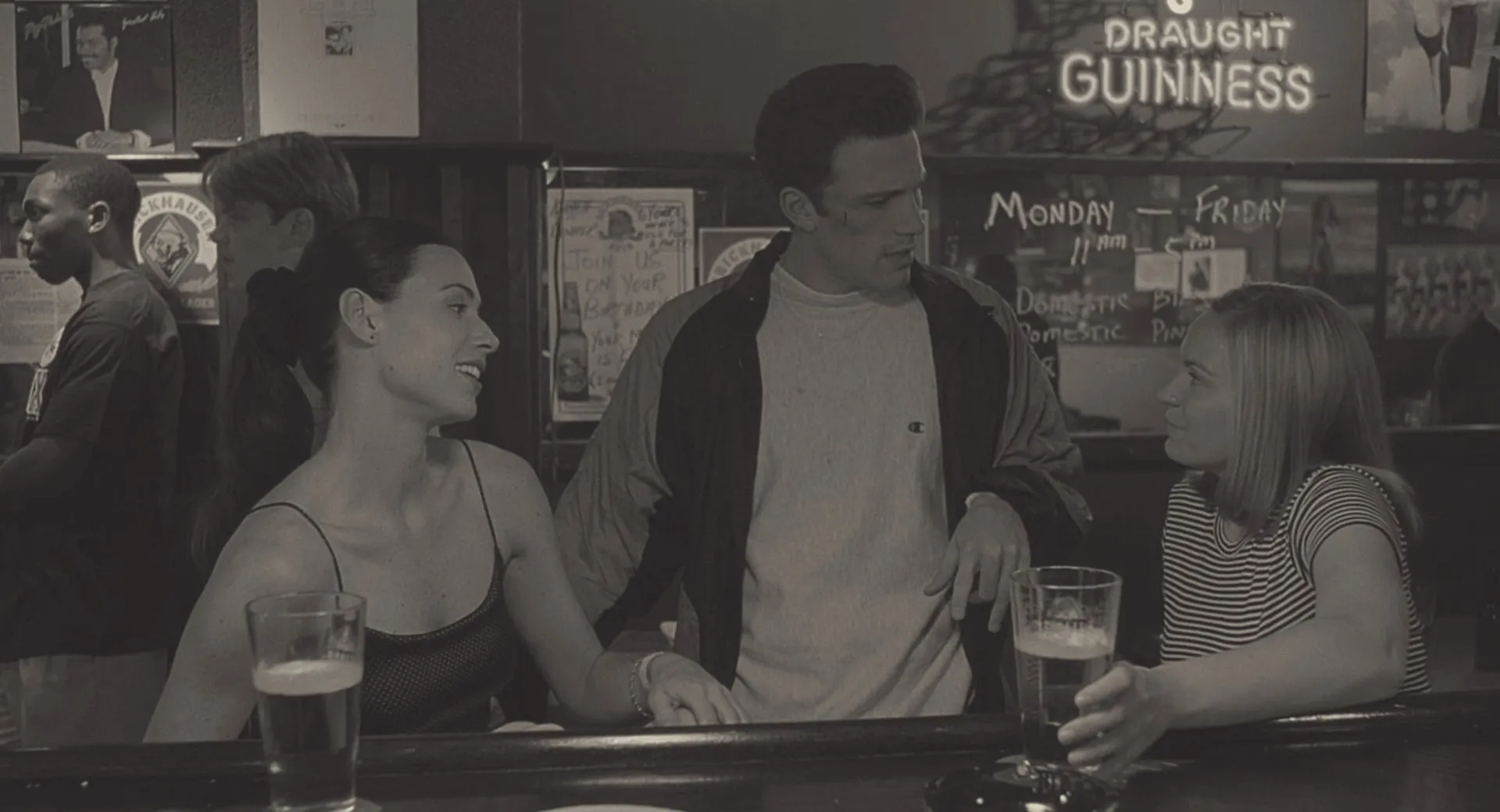
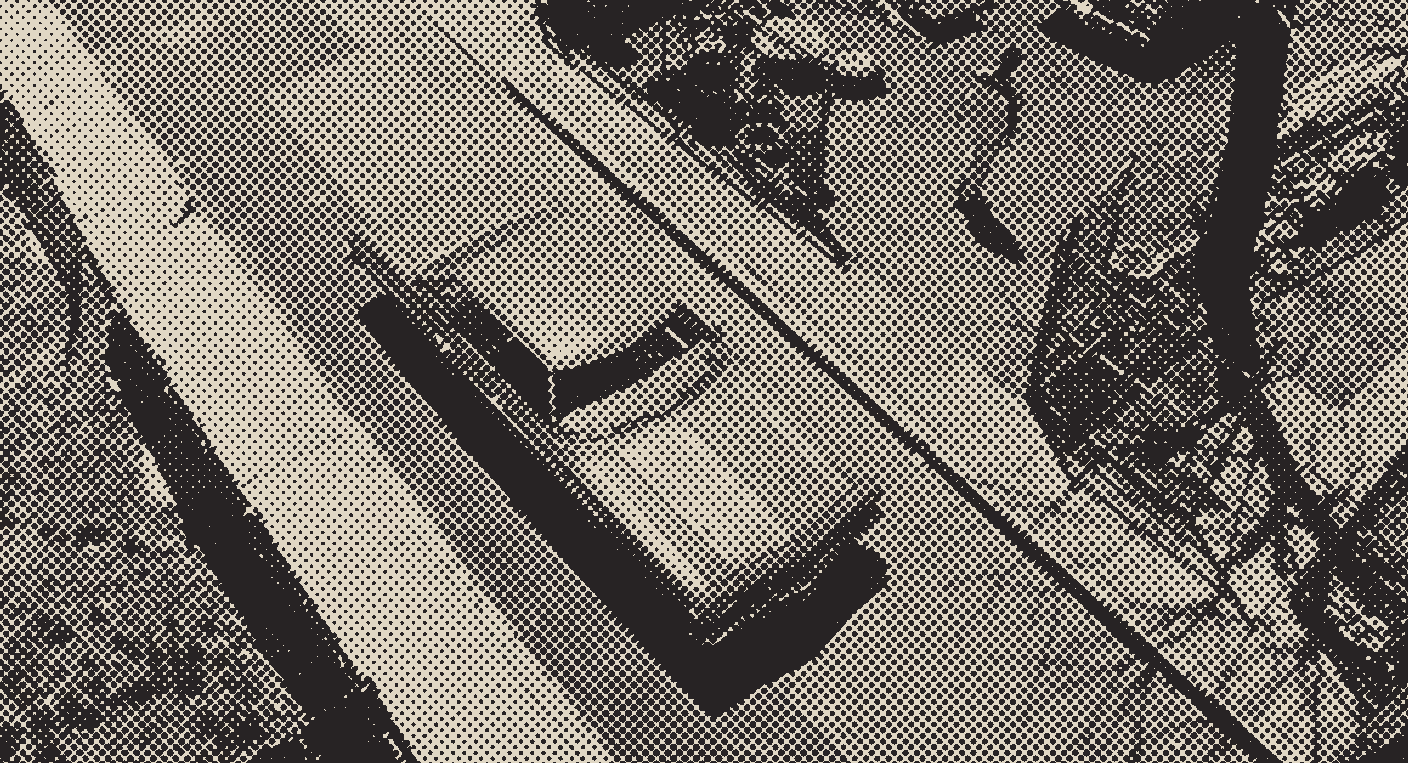
The first act of Good Will Hunting opens on images of South Boston. Will working as a janitor, then a bar scene with all his friends.
Before we understand anything about Will specifically, we understand the world he comes from. It’s a tight, loyal, working class community with a very clear set of rules. You look after your own. You don’t get above yourself. You distrust anyone from outside — especially anyone with money, credentials, or ambition — because those things have historically not been on your side. The world has a ceiling, and everyone in it has made a kind of peace with that ceiling. Not because they’re defeated, but because the ceiling is part of what holds the community together. Reaching past it feels less like aspiration and more like abandonment.
Will’s Archetype belongs entirely to this world. He is the scrappy, fiercely loyal, absurdly gifted South Boston kid, and every element of that description is load-bearing. The scrappiness is real: he fights, he gets arrested, he operates on instinct and nerve. The loyalty is real: his friendships are the most genuine thing in his life, and he would do anything for the people in them. And the gift is real, overwhelming, almost grotesque in its scale; a mathematical genius so profound it has no obvious place in the world Will actually inhabits.
That last detail is the irony the whole film turns on.
Will’s talent is completely out of place in the Home World. South Boston has no framework for it. There is no version of being a genius that fits the Archetype, no way to be that gifted and still be recognizably one of them. If Will owned his talent, he would stop being a South Boston kid. He would become something the Home World can’t accommodate, can’t understand, and — at some level — can’t forgive.
So the Habit steps in.
Will’s Habit is self-sabotage through deflection: he represses emotion, avoids genuine vulnerability, and destroys anything that threatens to take him somewhere the Archetype can’t follow. He picks fights. He gets arrested. He pushes people away before they can leave. When his genius pulls him close to a bigger world, the Habit pulls him back. This is not random dysfunction. It is a precise and logical response to the tension between what Will is and where he’s from. The Habit keeps him safe. And more than that, it keeps him himself. It is the mechanism by which he remains a South Boston kid despite everything that should make that impossible.
By the end of Sequence A, the audience believes the Habit completely. It makes sense. Given Will’s Archetype, given his Home World, given everything the film has shown us about the logic of South Boston. The self-sabotage is not a flaw to be fixed. It is the correct response to the world as it exists.
The King and the King’s Law
Every Home World has someone who embodies and enforces its rules. Not necessarily a villain. Often someone the protagonist loves; the person whose approval the Habit is, at some level, designed to maintain.
In Good Will Hunting, that person is Chuckie.
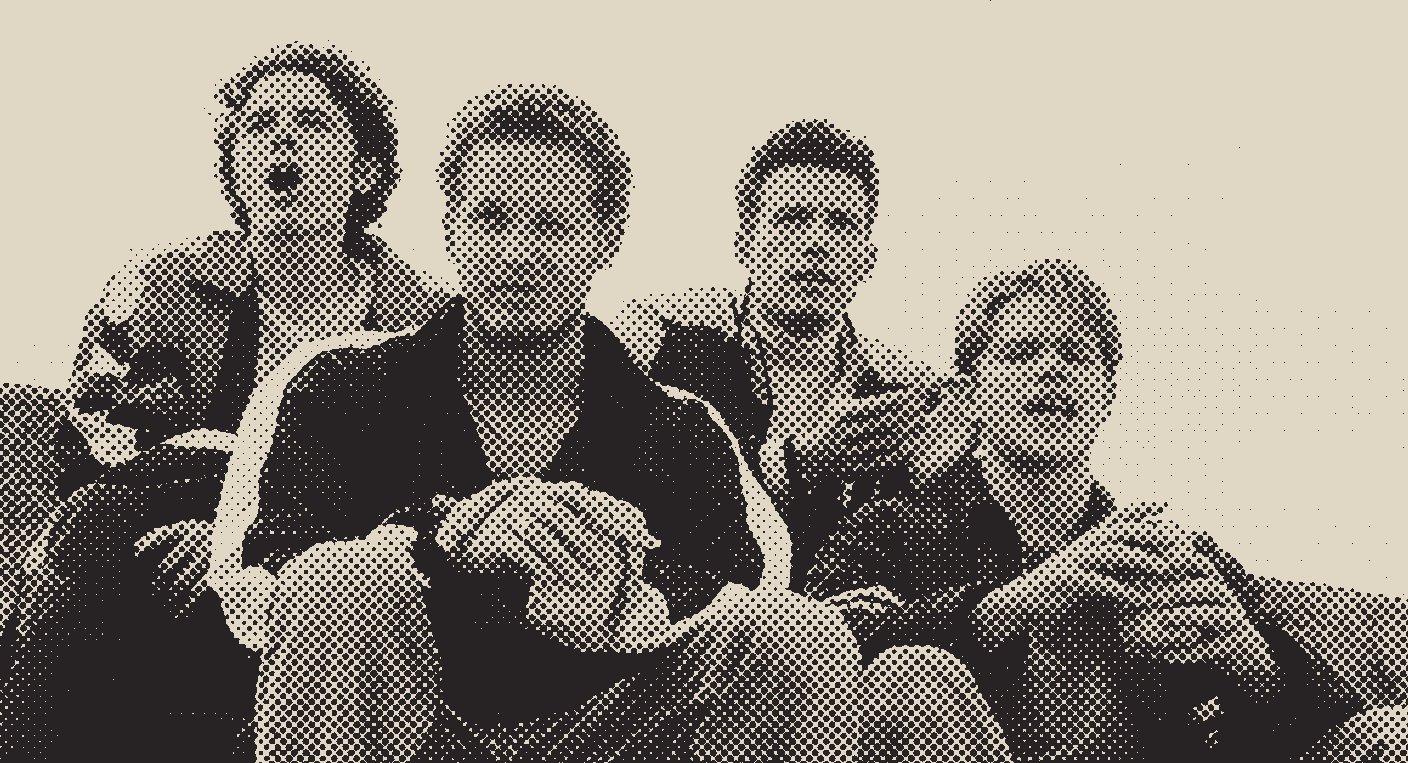
Chuckie is Will’s best friend, and he is the living embodiment of what the Home World asks of its people. He is loyal, funny, present, completely without pretension. He has accepted the ceiling not with resignation but with a kind of fierce, cheerful dignity. This is his life, these are his people, and he is entirely at home in it. His daily presence at Will’s side models the King’s Law as clearly as any explicit rule could: this is what a South Boston man wants. This is what a South Boston man is. Don’t stick your neck out. Stay loyal. Stay small. Stay.
Will’s Habit of self-sabotage feels, in Chuckie’s company, less like dysfunction and more like devotion. To own the talent would be to leave. To leave would be to betray. And betrayal, in this world, is the one unforgivable thing.
The audience reads Chuckie as the source of Will’s ceiling — the person whose expectations are keeping Will exactly where he is. Sequence A is designed to encourage exactly that reading. It is, as we’ll see, a deliberate misdirection. But it only works as misdirection because it’s first completely convincing as truth.
The Challenge: Will Gets Caught
Between the two sequences of the first act sits a single hinge moment. The scene that cracks everything open.
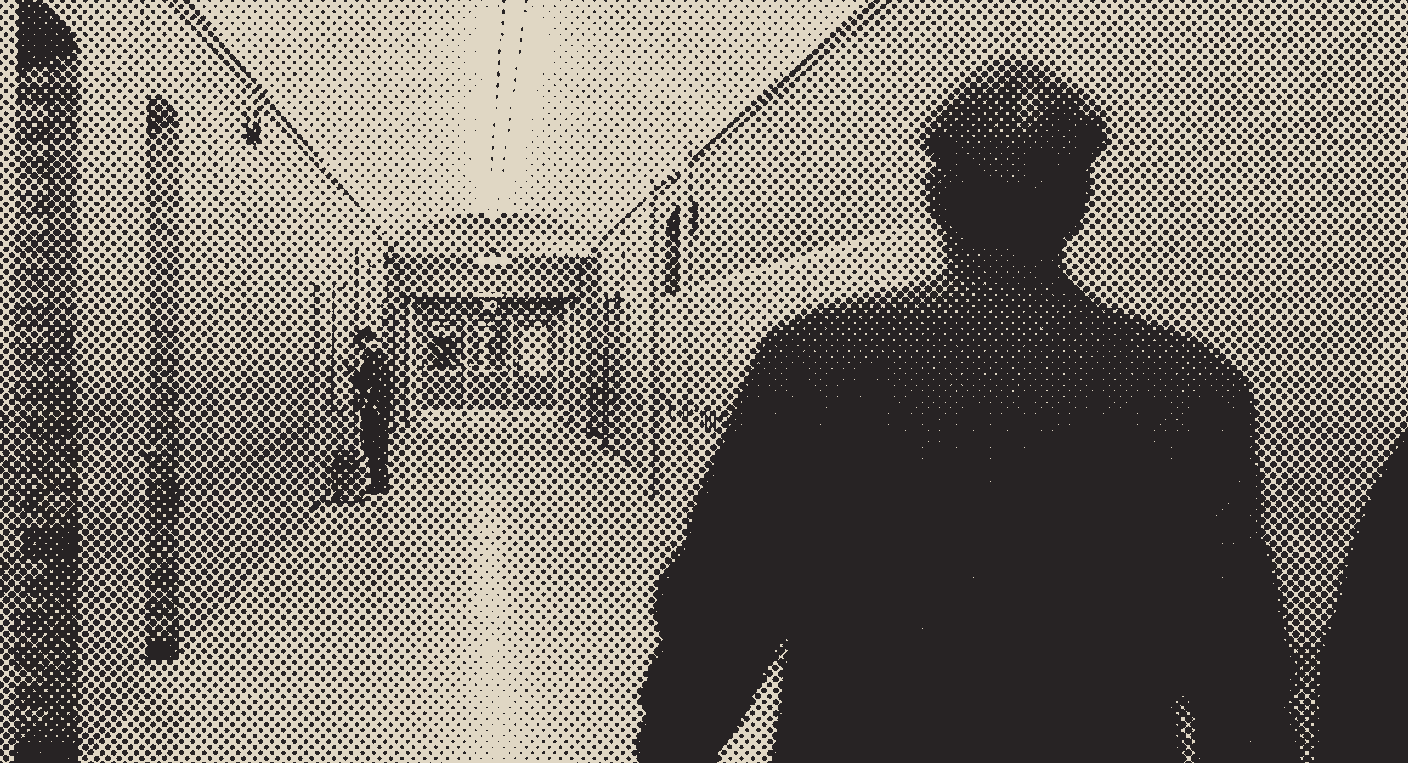
This is actually the second time Will has solved one of Lambeau’s problems. The first time, he did it anonymously, slipping into the corridor, solving the problem in secret, and disappearing before anyone could see. The Habit held. The talent asserted itself, but quietly, invisibly, in a way that left no trace.
The second time, he gets caught.
Lambeau finds him at the board and recognizes immediately what he’s looking at. Will, exposed, does what the Habit always does when cornered: he runs. He quits his job — a perfectly good janitor’s position — rather than stand still and be seen. Getting caught is worse than walking away. Owning the moment would mean owning the talent, and owning the talent would mean becoming something the Archetype has no category for.
In the next scene, his friends rib him for being let go. Will tells them he was fired — because being let go is at least something that happens to you. Quitting to protect yourself from your own genius is a harder thing to explain. The tone is light, as it always is with them, but the King’s Law reasserts itself in that lightness. Don’t stick your neck out. And if you do, at least have the decency to lie about it convincingly.
This moment does three things simultaneously. It reveals Will’s talent to a world that has an actual use for it, pulling him toward a confrontation he has spent his whole life avoiding. It shows the Habit not just cracking but immediately snapping back — the talent breaks through, and the Habit mobilizes to contain the damage. And it proves that the King’s Law is real and socially enforced, not through punishment but through the gentle, relentless pressure of being reminded who you are.
Sequence B: The Habit Fights Back
The talent has announced itself, and now it drags Will somewhere the Habit was never designed to go.
Lambeau finds him. The court scene follows; Will’s arrest record catching up with him at exactly the moment his genius has made him visible. Lambeau negotiates a deal: Will avoids prison in exchange for working with him on mathematics and seeing a therapist.
And here, in the therapist sequence, the first act delivers its final and most precise proof.
Will deploys exactly the same Habit in the therapist’s office that works so perfectly in South Boston — the deflection, the wit, the preemptive strike, the refusal to be seen. And it works just as well. He dismantles each therapist methodically, using their own frameworks against them, exposing their insecurities, destroying the possibility of genuine connection before it can threaten him. The Habit is as effective here as it has ever been at home.
But something is different. In South Boston, the Habit produces belonging. Here, it produces nothing. Or worse, it produces the very isolation it’s designed to prevent. The same tool, deployed in a new context, delivers the opposite of its intended result. Sequence B makes this visible without commenting on it. It simply shows Will doing what Will does, and lets the audience feel the gap between what the Habit is supposed to achieve and what it actually achieves here.
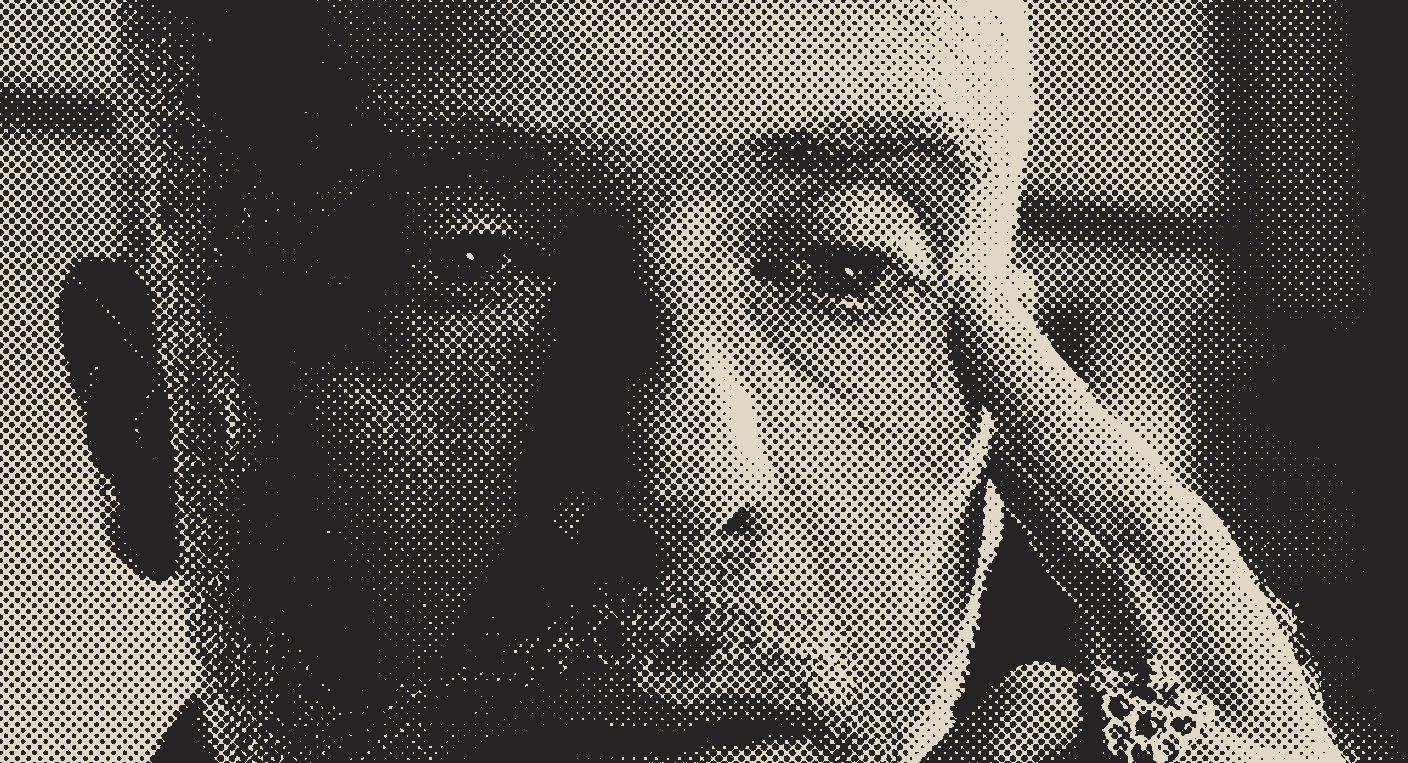
Sequence B ends the moment we meet Sean Maguire, the therapist Will cannot immediately demolish. Sean is unimpressed by the wit, unbothered by the deflection, and unwilling to be drawn into the kind of intellectual combat Will uses to keep people at a safe distance. He is the first person in the film who simply refuses to play.
That refusal is where Act 1 ends.
By this point the audience knows everything the story needs them to know. They understand the Archetype and the Home World. They understand why the Habit makes sense, why it works, and why Will cannot easily let it go. They have watched the talent crack the Habit open once, involuntarily, briefly, and watched the Habit reassert itself immediately afterward. And they have just met the only person so far who might be able to apply pressure the Habit can’t deflect.
The first act is complete. The story can begin.
The Sophistication Underneath
Once you understand the mechanics of the first act — the Archetype, the Home World, the King, the King’s Law, the two sequences and the challenge between them — you can start to see what Good Will Hunting is doing beneath all of it.
The Home World the first act builds is a deliberate misreading.
Will believes, and the audience believes alongside him, that Chuckie is the source of the ceiling. That the King’s Law (don’t stick your neck out, stay loyal, stay small) is what Chuckie wants from him. The entire first act is constructed to make this reading feel not just plausible but obvious.
And then, near the very end of the film, Chuckie leans against the hood of his truck with Will and tells him something the audience never expected to hear from the King. He says that if Will is still in town in twenty years, still walking through the door every morning, he’ll kill him. That his favorite moment of the day is the walk up to Will’s door — because for those few seconds, before he knocks, he can still hope that Will has finally gone. Done something. Become what he was always supposed to become.
The King was never enforcing the ceiling. Will built his own prison and put Chuckie’s face on the door.
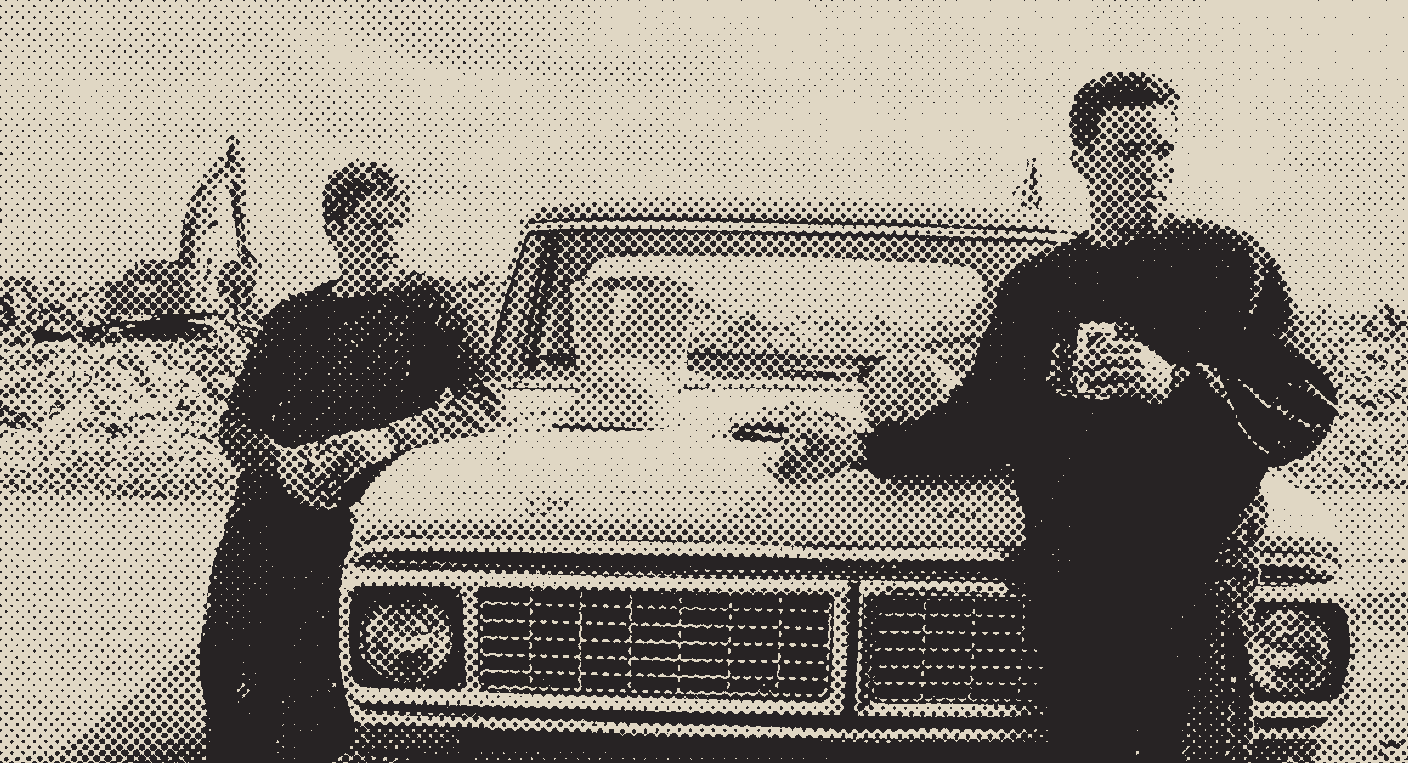
This is what separates a great first act from a merely competent one. A competent first act establishes the Habit and proves it works. A great first act does that, and then plants something underneath it that won’t detonate until the story is almost over. The King’s Law turns out not to be the King’s Law at all. It’s Will’s law, written in Chuckie’s name, because that was the only way Will could make himself believe it was real.
That’s not a plot twist. It’s a theme twist. And it works because the first act did its job so completely that the audience never thought to question it.
Tale Spinning is a method that grows stories from theme and character outward. Every beat earned, every beat inevitable. Works whether you're writing your own, evaluating someone else's, or developing with a team, across screenplays, novels, comics, and stage plays.
Keep reading
July 27, 2026
What Should Happen in the Second Act of a Story
Second act advice says raise the stakes and add complications. That is the instinct that makes middles sag. The second act is not where things get worse for your protagonist. It is where things get better, using the exact behaviour that will cost them everything.
Read →
February 23, 2026
Why Outlining a Story Feels Impossible (And What Actually Fixes It)
Most writers blame themselves when outlining fails. But the real problem is that popular frameworks like Save the Cat and the Hero's Journey tell you where to put things — not whether they're working. This article introduces a simple diagnostic rooted in classical story structure: find your protagonist's Habit, and ask two questions. The answers will tell you which of four fundamental Story Types you're writing — and give you the structural logic you need to outline with confidence.
Read →Every term used here is defined in the glossary.