
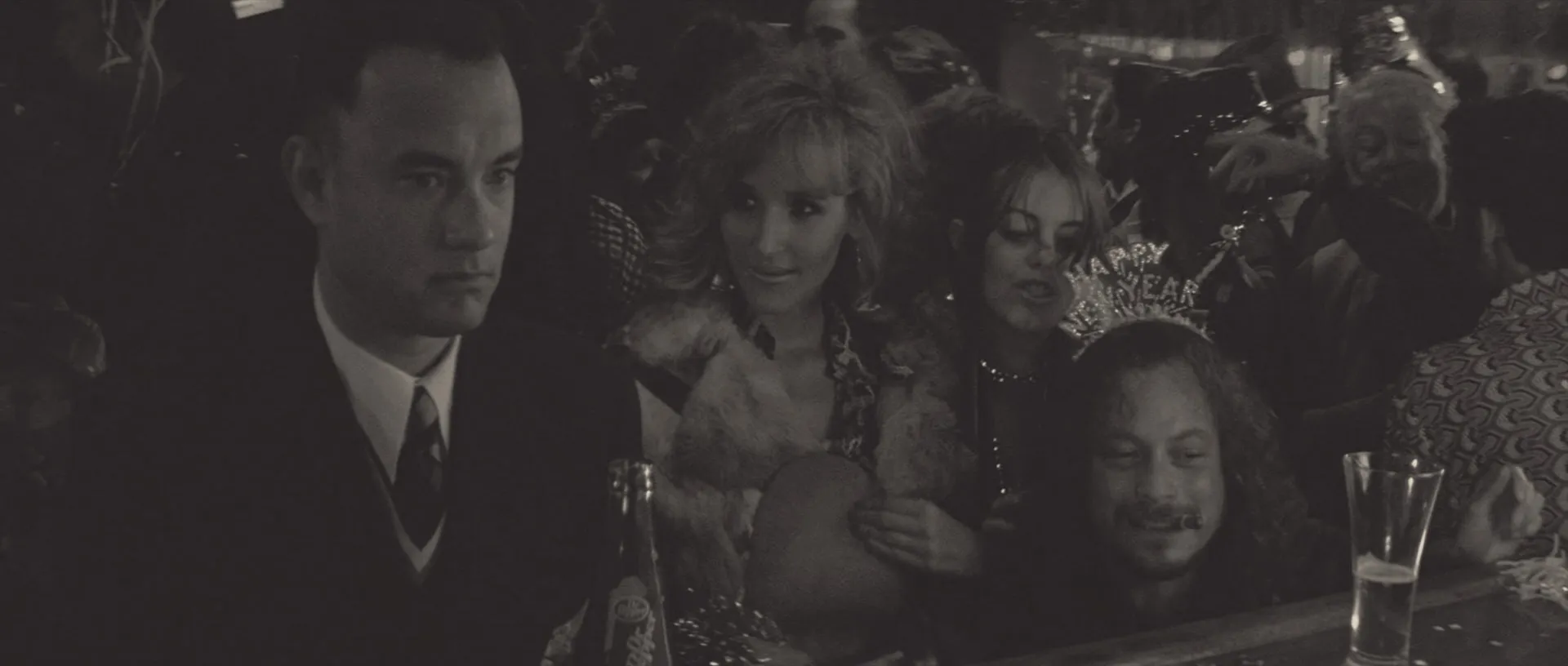
Traits Don’t Change. Habits Do. That’s the Whole Story.
Every January, millions of people decide to change themselves. Wake up earlier, drink less, work harder, scroll less, finally learn the piano. We call them resolutions. Structurally they are all the same move: an attempt to change a behavior.
Most of them fail, and they fail for a reason that is worth borrowing for your storytelling.
A character can change what they do. They cannot change what they are, and a story that asks them to will feel arbitrary no matter how well it is written. In the Tale Spinning Method the first is a Habit and the second is a Trait. A Habit is a behavior learned to survive something, which means it can be unlearned. A Trait belongs to the character’s Archetype and is fixed. Every arc that lands is the loss of one Habit. Every arc that feels imposed is a Trait being asked to move.
That distinction is the difference between an ending that feels inevitable and one that feels arranged. It is also why the change in a good story is always smaller than writers expect.
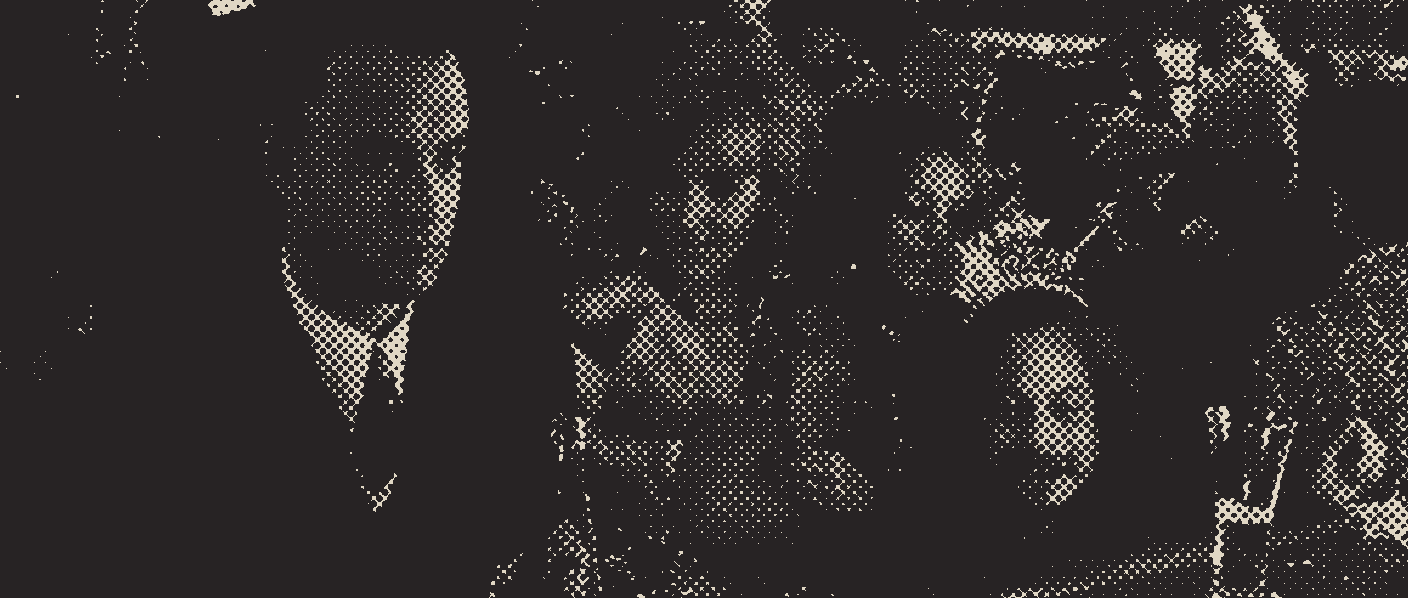
Nature Against Behavior
The split is easiest to see in animation, where character design states it out loud.
In the Pixar film Ratatouille, Remy cannot stop being a rat. He can stop behaving like one: stealing, hiding, lying, eating garbage. In Finding Nemo Marlin cannot do anything about being the smallest creature in the ocean. He can stop cowering and start trusting somebody. Wall-E cannot stop being a robot, but he can stop following his programming and act on what he feels instead.
Live action runs the same split, just further under the surface. Nicholas in The Game cannot stop being a rich and powerful man; he can drop the arrogance and the detachment that came with it. In The Matrix Neo cannot stop being a human being in a robot world; he can stop hiding from what he is. Ken in In Bruges cannot stop being a contract killer. He can stop outsourcing his moral judgment to his boss.
In every case the thing the character cannot change turns out not to have been the problem.
The Protagonist Does Not Know Which One It Is
Here is the difference between you and a Protagonist at page one: awareness.
You know which behavior you are trying to change. That is what a resolution is. Your Protagonist has no idea. They set out to get something else entirely, and they do not believe their behavior is a problem at all. The Bad Habit usually feels like the only sane response to the world they live in.
Marlin is the smallest creature in the ocean, so hiding is safety.
Ken is a hired gun, so obedience is survival.
Both are reasonable. That is the point. A Bad Habit that reads as stupidity is a badly built one, because nobody defends a strategy that never worked. They defend the one that saved them once.
So the character spends the story mistaking the argument. They think they are being asked to change their nature, and they are only ever being asked to change their behavior, and they will not see the difference until the situation gives them no other exit.
Remy cannot let the restaurant close, and the only way to stop it is to come clean to Ego about what he is. Neo has to get Morpheus out, and the only way is to stop running from Smith. Neither of them does it a moment before they absolutely have to.
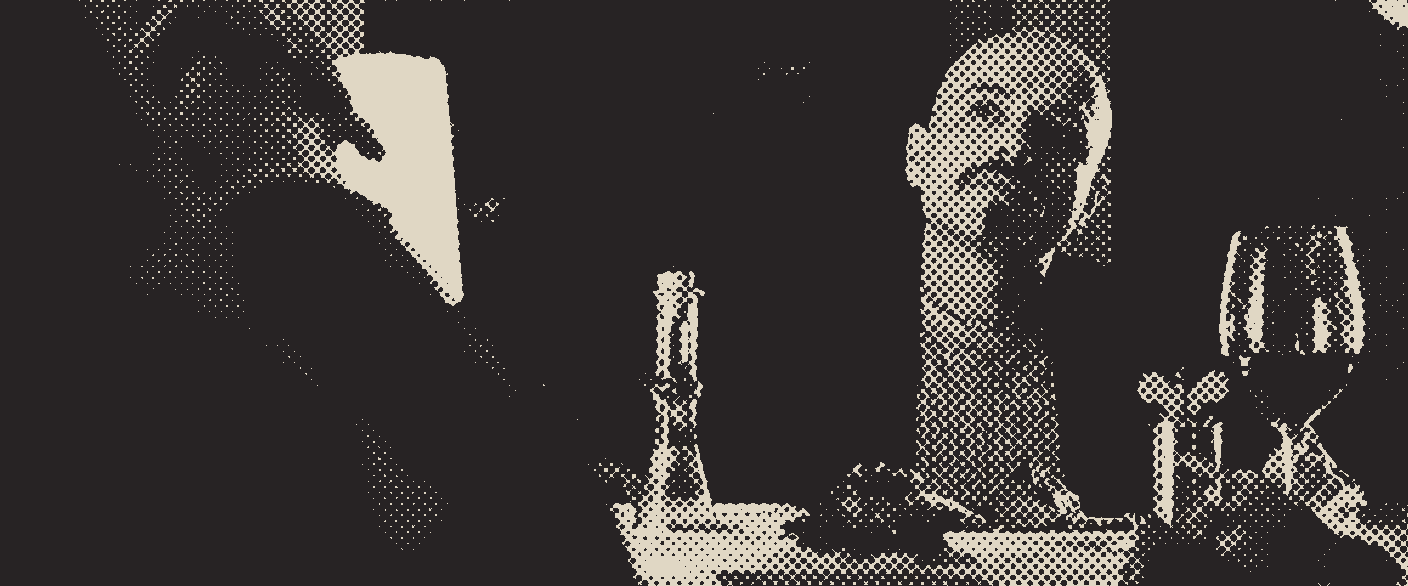
Why It Has to Be Nearly Impossible
The audience does not admire a Protagonist for their Talent. Two minutes into Ratatouille we learn Remy can cook, and we never see him earn it, so it costs us nothing. What we admire is the moment he tells the truth about himself. The bravery, not the gift he was born with.
That is why dropping the Habit has to be almost undoable. Giving up a Habit means giving up a strategy that once worked, and stepping into the situation without the defense that has been standing between the character and the world since before the story started. It is a smaller change than reinvention and a much harder one.
Which is also the whole comedy-and-tragedy split. The Universe of a story judges behavior. Change it and you are writing a Comedy. Refuse, and cling to the behavior that once protected you, and you are writing a Tragedy. In Training Day, ask which man takes the real risk. Alonzo is the one who refuses, and the film kills him for it.
Why Most Resolutions, and Most Arcs, Fall Flat
Both fail the same way. They aim at the Trait.
I’ll be more confident. I’ll be less anxious. I’ll finally be disciplined.
None of those are things you can do on a Tuesday. Confidence and anxiety and discipline are downstream of behavior, not switches. A resolution that names who you want to be instead of what you need to do has nothing concrete in it, so there is nothing to succeed or fail at.
Weak scripts break in exactly that place. The character announces growth and never unlearns anything. They do not stop lying. They do not stop hiding. They do not stop handing the decision to somebody else. With no specific Habit on the table there is nothing for the Universe to test, and an untested change cannot be earned.
The dream does not change. The Talent does not change. Only the Habit does.
Two Questions
Worth asking of any draft, and occasionally of yourself:
What is the one Trait your Protagonist cannot change?
And what is the one Habit they keep using to protect it, long after it stopped working?
The tension between those two is where the story lives. It is why good Comedies read as hopeful without reading as naive: they assume people can change, but only in narrow, specific, expensive ways. Not by becoming somebody else. By finally putting down the one thing that has been keeping them stuck.
A story does not judge characters for who they are. It judges them for what they keep doing.
Tale Spinning is a method that grows stories from theme and character outward. Every beat earned, every beat inevitable. Works whether you're writing your own, evaluating someone else's, or developing with a team, across screenplays, novels, comics, and stage plays.
Keep reading
March 6, 2026
Why Your Character Feels Flat (And How to Fix It)
Most writers try to fix flat characters by adding backstory or personality details. But flatness is a structural problem, not a creative one. This article explains why every character in a story needs a specific Habit — and a defined opinion about the protagonist's Habit. Using The Game as a case study, it breaks down exactly why some characters feel vivid and necessary while others feel decorative, and gives you a two-question diagnostic you can apply to any character in your story right now.
Read →
February 23, 2026
Why Outlining a Story Feels Impossible (And What Actually Fixes It)
Most writers blame themselves when outlining fails. But the real problem is that popular frameworks like Save the Cat and the Hero's Journey tell you where to put things — not whether they're working. This article introduces a simple diagnostic rooted in classical story structure: find your protagonist's Habit, and ask two questions. The answers will tell you which of four fundamental Story Types you're writing — and give you the structural logic you need to outline with confidence.
Read →Every term used here is defined in the glossary.