Who a character is in the eyes of the world: their job, rank or station, fixed before the story starts. Remy is a rat. That never changes.
Applies to
All Story Types
Archetype
Definition
A character’s identity in the world — their social position, vocation, cultural status, or worldview. The Archetype is fixed: it must be either chosen long before the story begins or assigned by birth. It cannot change over the course of the story.
The Archetype is the first thing the world sees about a character. It determines how others treat them, what opportunities are available to them, and — critically — how their Ironic Talent lands.
Why This Term Matters
The Archetype is what makes the Ironic Talent ironic. A great chef is unremarkable. A rat who is a great chef — that is a story. The gap between Archetype and Talent is the engine of dramatic irony in every Tale Spinning story. The Archetype also determines the social hierarchy: the Protagonist has a lower-status Archetype than the Antagonist, and the Muse has the lowest-status Archetype of all three.
The Visibility Test
A valid Archetype must pass the Visibility Test: is the character’s Archetype immediately visible or knowable to others in the world? If the audience and the world both need to be told what the Archetype is rather than shown it, it is too abstract. Archetypes should be concrete enough that they create instant social friction.
In a Kind Comedy — Examples
Ratatouille:
Remy: Rat (assigned by birth — cannot change)
Skinner: Head Chef (chosen, established before the story — cannot change)
Linguini: Garbage Boy (lowest status — cannot change within the story’s time frame)
In Bruges:
Ray: British Hitman on the run (chosen before the story — cannot change)
Harry: Crime Boss (higher status — cannot change)
Chloë: Local woman in Bruges (lower status in the hitman world)
Most writers try to fix flat characters by adding backstory or personality details. But flatness is a structural problem, not a creative one. This article explains why every character in a story needs a specific Habit — and a defined opinion about the protagonist's Habit. Using The Game as a case study, it breaks down exactly why some characters feel vivid and necessary while others feel decorative, and gives you a two-question diagnostic you can apply to any character in your story right now.
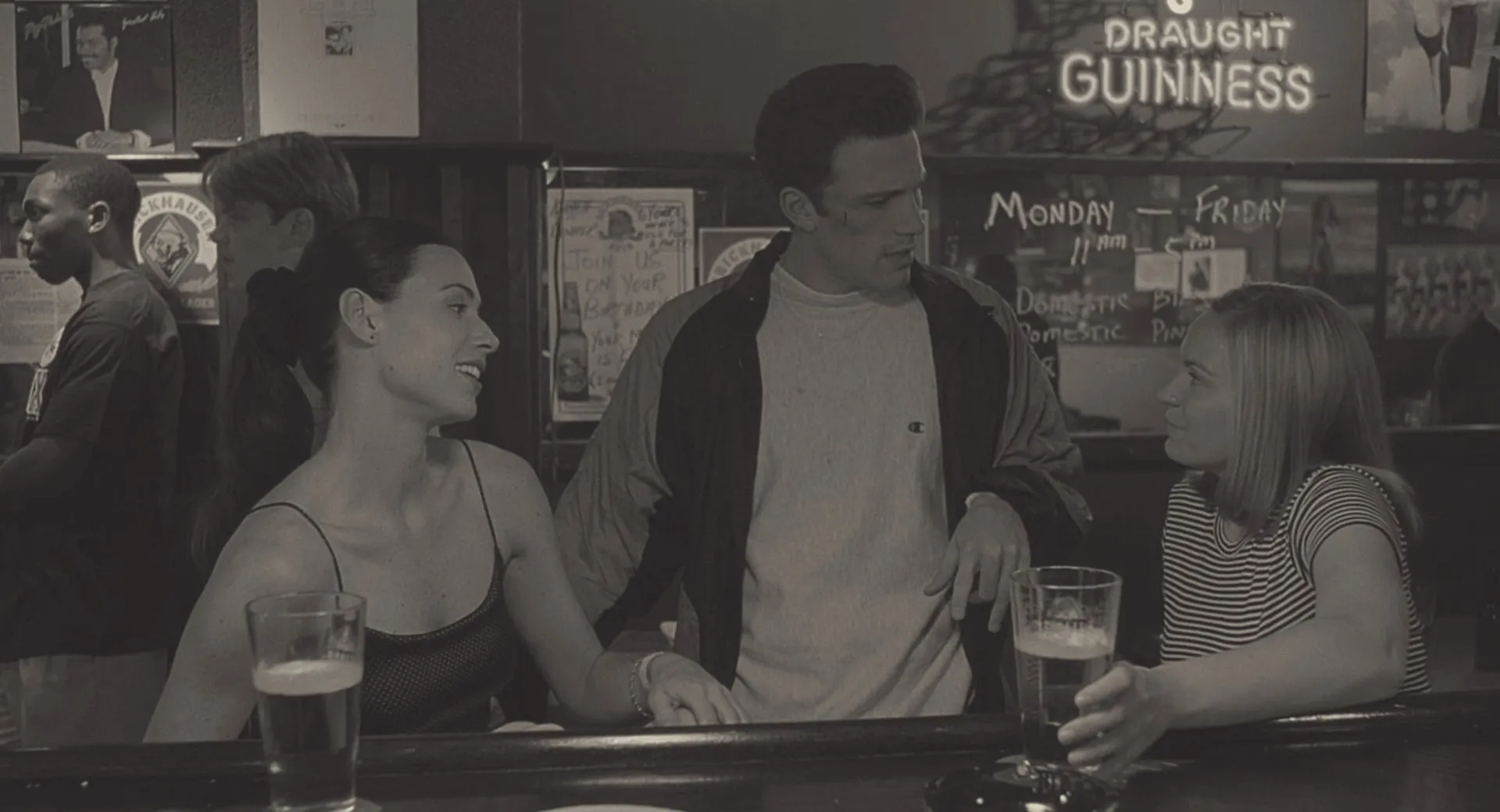
Most first act advice tells you what to include — introduce your protagonist, establish the world, end with an inciting incident. But none of it explains what the first act is actually for. This article argues that the first act has one job: to prove that the protagonist's Habit works. Using Good Will Hunting as a case study, it breaks down the two sequences of the first act, the Home World, the Archetype, the King and the King's Law — and shows how the best first acts plant a theme twist that doesn't detonate until the very end.