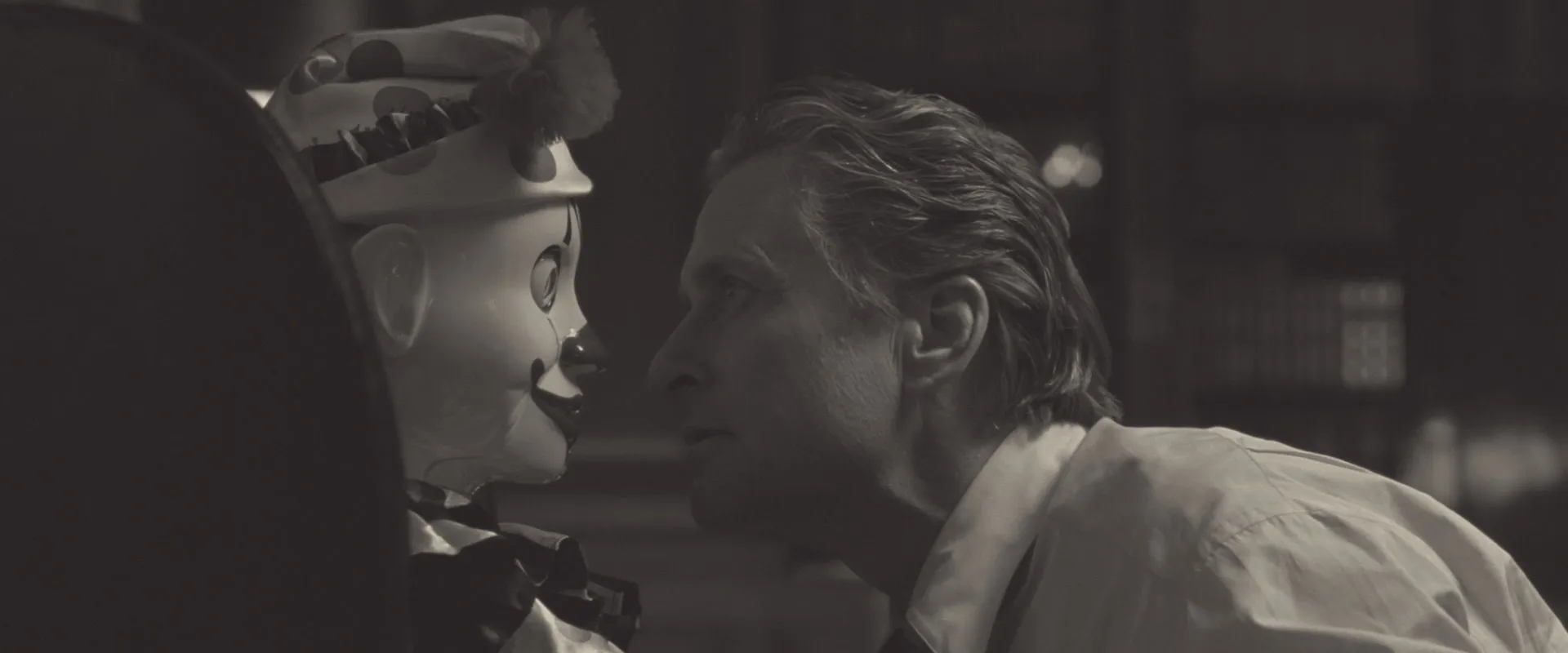
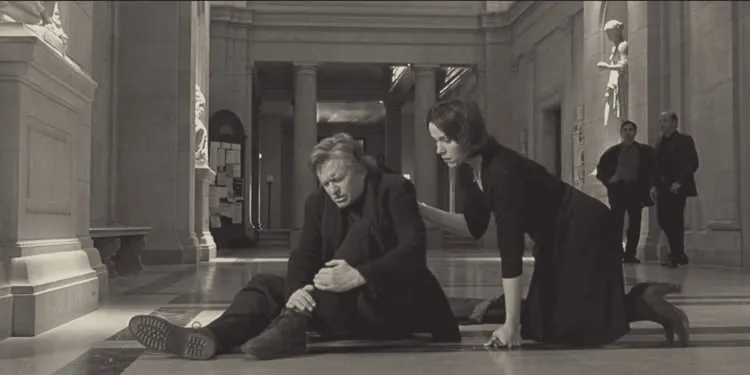
The character in the main character's way, who has the same bad habit, only worse and by choice. Skinner hides and deceives too, but to protect an empire, not to survive.
Also known as
Villain (in Kind Comedy), Hero (in Kind Tragedy)
Applies to
All Story Types
The Antagonist (Villain / Hero)
Definition
The character who opposes the Protagonist. The Antagonist has the same Bad Habit as the Protagonist but worse — and crucially, by choice rather than necessity. They are defined by three traits: a higher-status Archetype (in the same world as the Protagonist), a weaker and non-ironic Talent, and a worse version of the Protagonist’s Habit.
The Antagonist is not simply an obstacle. They are a mirror — a vision of what the Protagonist will become if they never change.
Why This Term Matters
The Antagonist is what gives the Protagonist’s Habit its moral weight. Without an Antagonist who shares and escalates the same Habit, the story has no reflection. The audience needs to see where the Habit leads when it goes unchecked. The Antagonist shows them.
The Three Defining Traits
Archetype — higher status than the Protagonist in the same world
Talent — weaker than the Protagonist’s, and not ironic (it fits their Archetype naturally)
Habit — the same as the Protagonist’s, but worse, and chosen rather than inherited
In a Kind Comedy — the Villain
The Antagonist is the Villain. The audience wants them to lose. Their Habit is not a survival mechanism — it is a preference. They chose this way of living and would not change it even if they could.
Ratatouille: Skinner is the head chef (higher Archetype). He has culinary knowledge (Talent, but not ironic — it fits his role). His deception and control are not about survival but about protecting his fraudulent empire.
In Bruges: Harry is Ken’s boss and the ultimate authority (higher Archetype). He is fully capable of operating in the criminal world (Talent, but not ironic). His blind adherence to the code is absolute and chosen — he would rather die than break it. He is also a lesser version of Ken’s Ironic Talent: where Ken is a natural father figure and mentor, Harry is a bad father — commanding loyalty through fear and control rather than through genuine care.
Most writers try to fix flat characters by adding backstory or personality details. But flatness is a structural problem, not a creative one. This article explains why every character in a story needs a specific Habit — and a defined opinion about the protagonist's Habit. Using The Game as a case study, it breaks down exactly why some characters feel vivid and necessary while others feel decorative, and gives you a two-question diagnostic you can apply to any character in your story right now.
Most writers blame themselves when outlining fails. But the real problem is that popular frameworks like Save the Cat and the Hero's Journey tell you where to put things — not whether they're working. This article introduces a simple diagnostic rooted in classical story structure: find your protagonist's Habit, and ask two questions. The answers will tell you which of four fundamental Story Types you're writing — and give you the structural logic you need to outline with confidence.