
Most writers who struggle with outlining assume the problem is them. They’ve read the books, watched the lectures, downloaded the templates. They know what a three-act structure is. They’ve heard of Save the Cat. They might even be able to recite the beats of the Hero’s Journey from memory.
And yet, when they sit down to outline their own story, something breaks. The structure doesn’t fit. The beats feel arbitrary. The outline gets finished, but it doesn’t feel right — and they can’t explain why.
The problem isn’t the writer. It’s the frameworks.
Frameworks Are Containers, Not Criteria
The most popular story structure frameworks — three-act, Hero’s Journey, Save the Cat — are enormously useful tools. But they all share the same fundamental limitation: they tell you where things go, not whether they’re working.
A three-act structure tells you that something significant should happen at the end of Act One. It doesn’t tell you what that thing should be, or whether the thing you’ve chosen is the right one for your story. Save the Cat gives you fifteen beats to hit. It doesn’t tell you if your protagonist’s goal is the right goal, or if the stakes you’ve invented actually matter.
These frameworks are containers. They describe the shape a story can take. But a container doesn’t tell you what to put inside it, and it certainly can’t tell you whether what you’ve put inside is working.
This is why writers who follow these frameworks to the letter still often end up with outlines that feel hollow. The structure is technically correct, but something underneath it is wrong — and the framework has no tools to diagnose what.
Outlining Is an Editorial Act
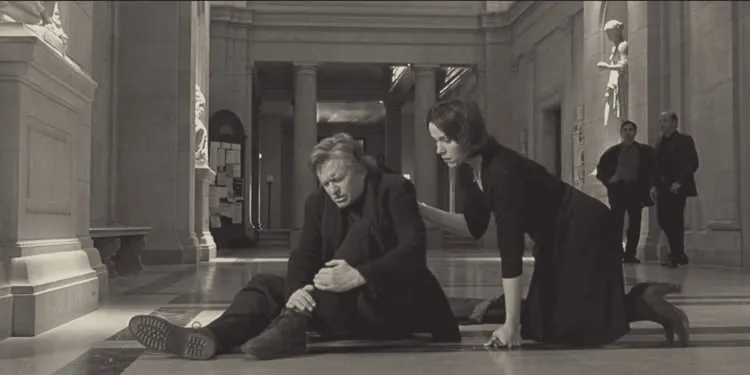
There’s a scene in Wonder Boys where Tobey Maguire’s character mentions that he can’t sleep, so he lies in bed and figures out stories in his head. It’s a recognizable image — and it points to a real problem with how most outlining methods work. They require you to arrive at the page with the story logic already in place. So writers do what they have to do: they figure it out in their heads first, in the shower, on the commute, at 3am.
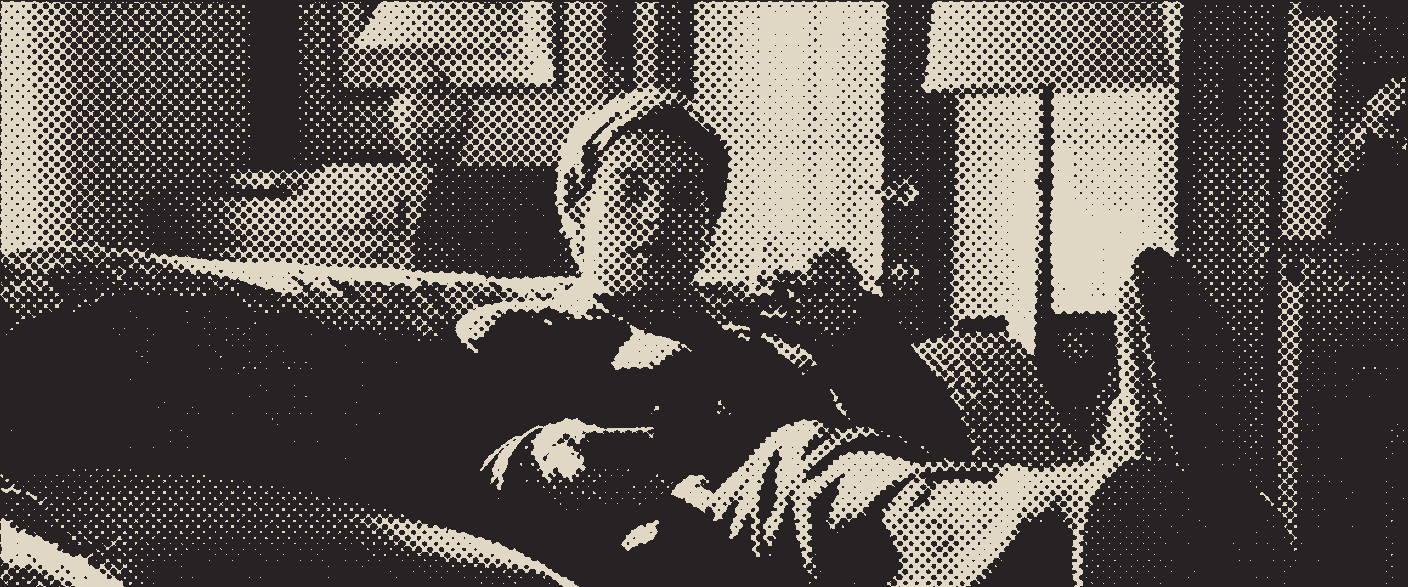
The Tale Spinning Method starts earlier than that. You only need the vague idea — the thing you had before the insomnia set in. The logic gets worked out on the page, through iteration.
That’s what outlining actually is: not a creative act, but an editorial one. You’re not inventing your story from scratch. You’re pressure-testing an idea. Does this hold together? Does this make sense? Does this work? These are editorial questions, and they require editorial tools — criteria you can apply, problems you can name, adjustments you can make.
Without those criteria, outlining becomes guesswork. You move scenes around hoping something clicks. You add characters, cut subplots, change endings. Sometimes it helps. Often it doesn’t. And you never quite know why.
The reason outlining feels impossible is not that you lack creativity. It’s that you lack a feedback mechanism. You’re editing without a rubric.
The Question Frameworks Don’t Ask
Every popular framework assumes you already know something crucial about your story — something so fundamental that no one thinks to mention it.
They assume you know what kind of story you’re telling.
This isn’t about genre. It’s not about whether your story is a thriller or a romance or a literary novel. It’s about something deeper: the underlying logic of how your story works. Because not all stories work the same way. A story in which the protagonist fundamentally changes is structurally different from a story in which they don’t. A story in which the world rewards the protagonist is structurally different from one in which it destroys them.
Apply the wrong structural logic to your story and it will never feel right, no matter how carefully you arrange the beats.
A Simple Diagnostic
Before you can outline effectively, you need to know which of four fundamental Story Types you’re working with. To find out, you need to identify one thing about your protagonist first.
Every protagonist has a Habit.
Not a quirk, not a flaw in the conventional screenwriting sense — a Habit. If you want a deeper understanding of the difference between a Habit and a Trait, this article breaks it down in full. For now, the short version: a Habit is something deeply ingrained in who they are, a way of moving through the world that defines them before the story begins. Elle Woods (Legally Blonde) has a Habit: she performs the role of the beautiful, not-too-serious blonde because it has always worked for her. Lou Bloom in Nightcrawler has a Habit: he desperately wants people to like him even though he is a deeply unlikeable person. Alonzo in Training Day has a Habit: corruption so deep it has become indistinguishable from his identity. Kate in Sicario has a Habit: an unshakeable belief that justice means following the rules, that the law is the only legitimate instrument of order.
The Habit is the core of your story. Everything that happens is, in some sense, a negotiation between your protagonist and their Habit. The world will push. The question is whether your protagonist changes — and if the story decides they should.
That question is where the diagnostic begins.
Question One: Does your protagonist get rid of their Habit by the end of the story?
This is the deepest structural fork in all of storytelling, and it predates every framework currently on the market. Aristotle was circling it. It is simply this: does your protagonist fundamentally change, or don’t they?
Not “do they learn something.” Not “do their circumstances improve.” Those things can happen in any story. The question is whether the Habit — that deep, defining pattern — is broken. Whether the person who walks out the other side of your story is, at their core, a different person from the one who walked in.
If the answer is yes — your protagonist loses their Habit — you are writing a Comedy. Not in the modern sense of funny, but in the classical sense that Aristotle used: a story that moves from a lesser state to a greater one, from limitation to liberation, from who the protagonist was to who they become. The transformation is the point.
If the answer is no — your protagonist refuses to lose their Habit, no matter what the world throws at them — you are writing a Tragedy. Again, not necessarily sad, but in the classical sense: a story about a protagonist whose essential nature is fixed, and whose drama comes from the collision between that fixed nature and a world that demands otherwise. The refusal is the point.
This single question divides all stories into two fundamental categories. Now you need to go one level deeper.
If you answered yes — your protagonist loses their Habit — ask: was it a bad Habit or a good one?
This is where the moral logic of your story’s world comes in. Because the Habit your protagonist loses isn’t judged in the abstract — it’s judged by the universe of the story itself. And different universes have different moral logics.
In a Kind Universe, the world operates on broadly fair terms. Effort is rewarded. Growth is possible. The story agrees with the audience about what constitutes a good life. In this world, losing a bad Habit is the path to flourishing.
Elle Woods in Legally Blonde is a clear example. Her Habit is performing the role of the decorative blonde — not because she is stupid, but because she has learned that this is what the world rewards her for. The story begins when that Habit stops working: Warner leaves her because she isn’t “serious enough,” and she follows him to Harvard Law not yet understanding that she is about to become someone entirely different. Over the course of the film, she loses the Habit. She stops performing and starts being. The Kind Universe rewards her for it — with a career, with love, with respect. The world was always willing to give her these things. She just had to become someone capable of receiving them.
This is a Kind Comedy: protagonist loses a bad Habit, Kind Universe rewards the change.
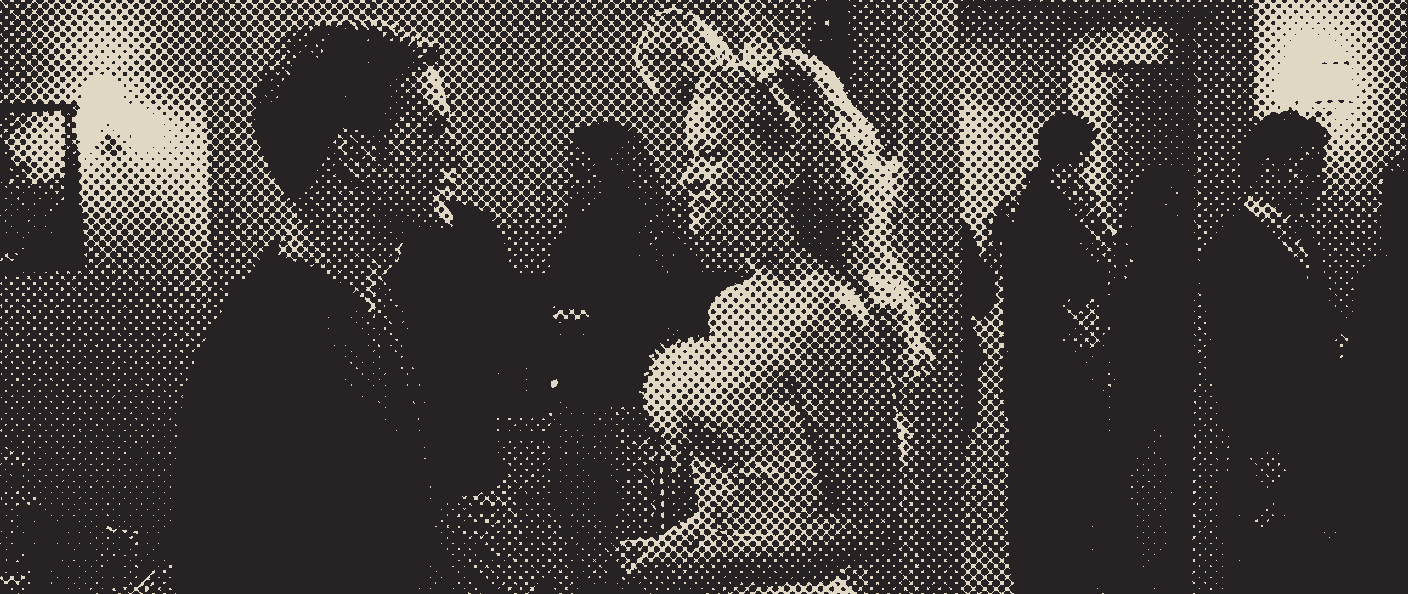
In a Cruel Universe, the moral logic is inverted. The world does not operate on fair terms. It is indifferent at best, predatory at worst. In this world, the Habit your protagonist loses is not a bad one in any universal sense — it is simply incompatible with survival in a cruel environment. To flourish here, something decent has to be sacrificed.
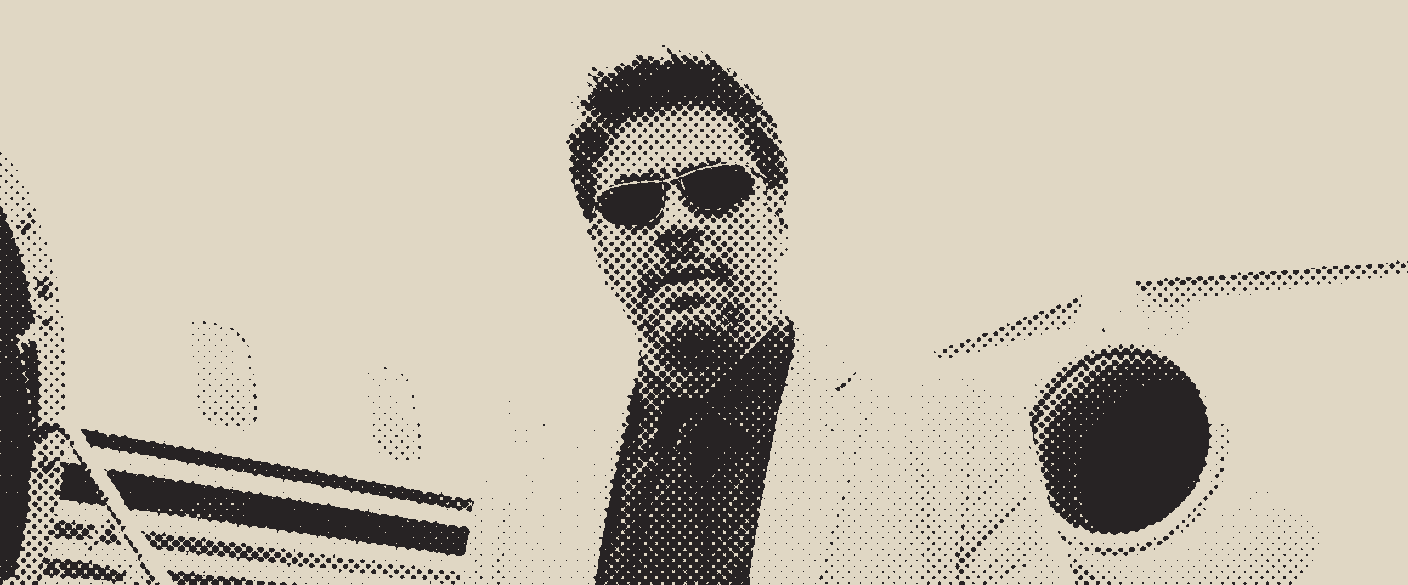
Lou Bloom in Nightcrawler begins the film still trying to be liked. He wants legitimate work. He flatters, he smiles, he recites motivational language as though he genuinely believes it. He asks a woman on a date. He pitches himself for an unpaid internship. Underneath all of it is something deeply unsettling, but on the surface he is still performing the social contract — still operating as though genuine human connection is something he wants and is capable of. That performance is his Habit. The thin membrane between him and what he actually is.
Over the course of the film, he loses it entirely. He stops trying to be liked and starts simply taking what he wants. He crosses lines that cannot be uncrossed — manipulating, endangering, and eventually causing the death of someone who trusted him. And the Cruel Universe rewards him for every single transgression. By the end, Lou has his business, his footage, his protégés. He flourishes precisely because he stopped pretending to be human.
This is a Cruel Comedy: protagonist loses a good Habit, Cruel Universe rewards the change.
If you answered no — your protagonist refuses to lose their Habit — ask: does the world consider their Habit just or unjust?
A protagonist who refuses to change is not simply stubborn. They are making a statement — consciously or not — about who they are and what they will not surrender. The drama of a Tragedy comes from watching that refusal meet a world that will not accommodate it.
But the nature of that collision depends entirely on what the Habit actually is, and how the world judges it.
In a Kind Universe, the world still operates on broadly moral terms — but a protagonist with a bad Habit will find that the world eventually stops tolerating it. The Kind Universe is patient, but it has limits. Push far enough, and it pushes back.
Alonzo in Training Day is corrupt to the bone. His Habit is not a small ethical compromise — it is a complete inversion of what a police officer is supposed to be. He deals drugs, steals money, orders murders, and uses the authority of the law as a personal weapon. The world around him has tolerated this for years. The film is the story of what happens when that tolerance runs out. Alonzo cannot stop. He will not stop. He does not know how to be anything other than what he is, and the tragedy is that some part of him may even believe his own justifications. The Kind Universe, in the end, kills him for it — not through the official apparatus of justice, but through the street-level moral logic of a community he has exploited once too often.
This is a Kind Tragedy: protagonist refuses to lose a bad Habit, Kind Universe punishes the refusal.
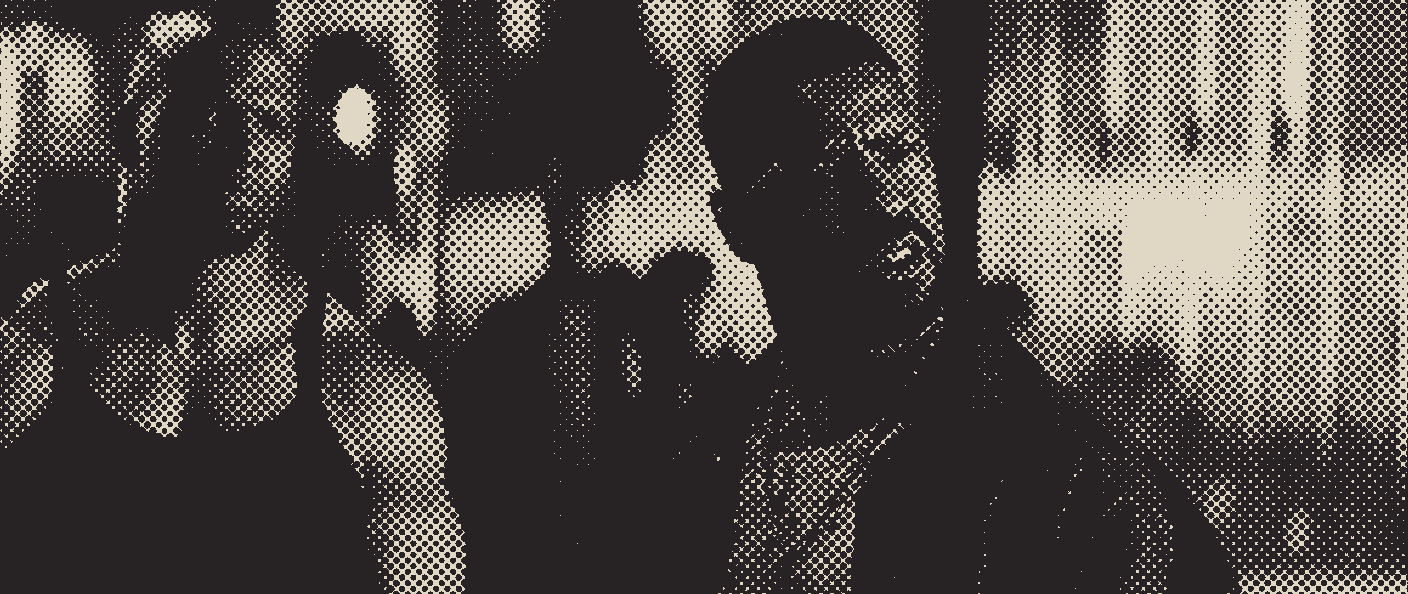
In a Cruel Universe, the calculus inverts in the most painful possible way. Here, the protagonist’s Habit is not bad — it is decent, principled, perhaps even heroic. But the Cruel Universe does not reward decency. It punishes it. And the tragedy is watching a good person’s goodness used against them.
Kate in Sicario is a principled FBI agent who believes in due process, in the rule of law, in the idea that how you pursue justice matters as much as whether you achieve it. That belief is her Habit. The film is a systematic dismantling of every context in which that Habit could function. She is brought into an operation run by people who have long since abandoned her moral framework, and she is used — her legal authority instrumentalised to give cover to actions she would never sanction if she understood them. At the end of the film, she is handed a document and told to sign it. To sign is to ratify everything that has been done in her name. She refuses. And a gun is put to her head.
She signs.
But she does not change. When she is finally free, she goes back to what she was — diminished, shaken, but essentially the same person, still holding the same Habit the Cruel Universe spent two hours trying to destroy. That is her tragedy: not death, but the metaphorical death of discovering that her principles cannot protect her, or anyone else, in the world she actually inhabits.
This is a Cruel Tragedy: protagonist refuses to lose a good Habit, Cruel Universe punishes the refusal.
So: which story are you writing?
Find your protagonist’s Habit. Ask whether they lose it. If yes, ask whether the world rewards or punishes them for losing it. If no, ask whether the world considers their Habit just or unjust.
Four questions. Four Story Types. And now, for the first time, a structural logic that actually fits your story — because it was derived from your story, not imposed on top of it.
| Kind Universe | Cruel Universe | |
|---|---|---|
| Comedy | Protagonist loses a bad Habit — world rewards the change (Legally Blonde) | Protagonist loses a good Habit — world rewards the change (Nightcrawler) |
| Tragedy | Protagonist keeps a bad Habit — world punishes the refusal (Training Day) | Protagonist keeps a good Habit — world punishes the refusal (Sicario) |
If you want to see how this distinction plays out across a complete story, this diagnostic walks you through five questions you can ask of any arc — whether you’re analyzing a film or building your own outline.
Why This Changes Everything
Knowing your Story Type changes what you’re looking for when you outline. Every scene can now be evaluated against a single question: does this scene serve the specific logic of this kind of story?
This is the core principle behind the Tale Spinning Method: outlining is not a single act of invention, it’s a process of iteration. You start with the vague idea — the thing you had before the insomnia set in — and you run it through the framework.
Once you know your Story Type, every scene in your outline can be evaluated against a single question: does this scene serve the specific logic of this kind of story?
In a Kind Comedy, that means asking whether every scene is doing work on the Habit. Is it deepening the problem the Habit creates? Is it building the conditions under which the protagonist might finally be willing to let it go? A scene in Legally Blonde that doesn’t in some way relate to Elle’s journey from performance to authenticity is probably a scene that doesn’t belong. The Kind Universe has to be seen actively rewarding growth and punishing stagnation — not as background decoration, but through actual characters who respond differently to Elle as she changes.
In a Cruel Comedy, the question inverts. Every scene should be tightening the grip of the Cruel Universe around the protagonist’s last remaining decency. In Nightcrawler, each sequence makes it a little clearer that Lou’s attempts at normalcy are not just failing but actively costing him. The Cruel Universe doesn’t reward his efforts to be liked — it rewards the moments when he stops trying. A scene that softens Lou, or that suggests the world might meet him halfway, undermines the structural logic of the story entirely.
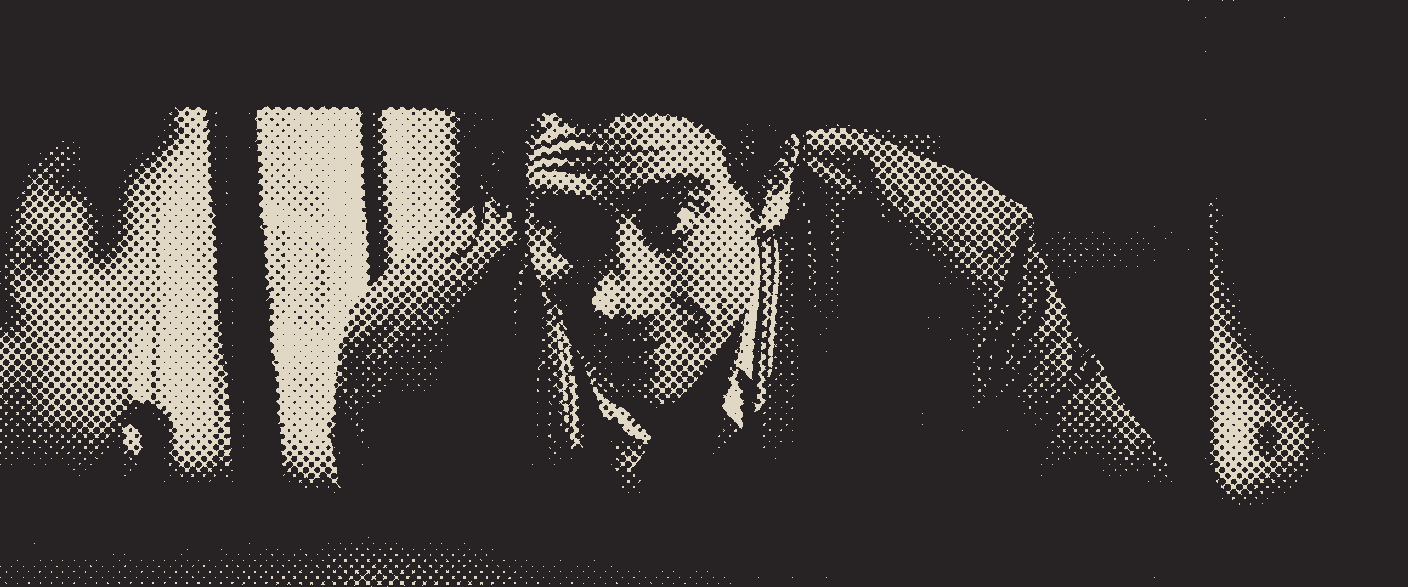
In a Kind Tragedy, every scene should be another opportunity for the protagonist to change — and another refusal. Alonzo in Training Day is surrounded, from the very first scene, by evidence that his Habit is unsustainable. The world keeps offering him exit ramps. The drama comes from watching him ignore every single one, right up until the moment the world stops offering them. If a scene doesn’t either present that opportunity or dramatize that refusal, it probably isn’t pulling its weight.
In a Cruel Tragedy, the job of every scene is to systematically dismantle the context in which the protagonist’s Habit could function. Kate in Sicario doesn’t need to be convinced her principles are wrong — she needs to be placed in situation after situation where those principles are simply irrelevant, where the machinery around her operates on a completely different logic and her decency is at best an inconvenience. Each scene should close off one more avenue through which her Habit might have saved her.
Tale Spinning is a method that grows stories from theme and character outward. Every beat earned, every beat inevitable. Works whether you're writing your own, evaluating someone else's, or developing with a team, across screenplays, novels, comics, and stage plays.
Keep reading
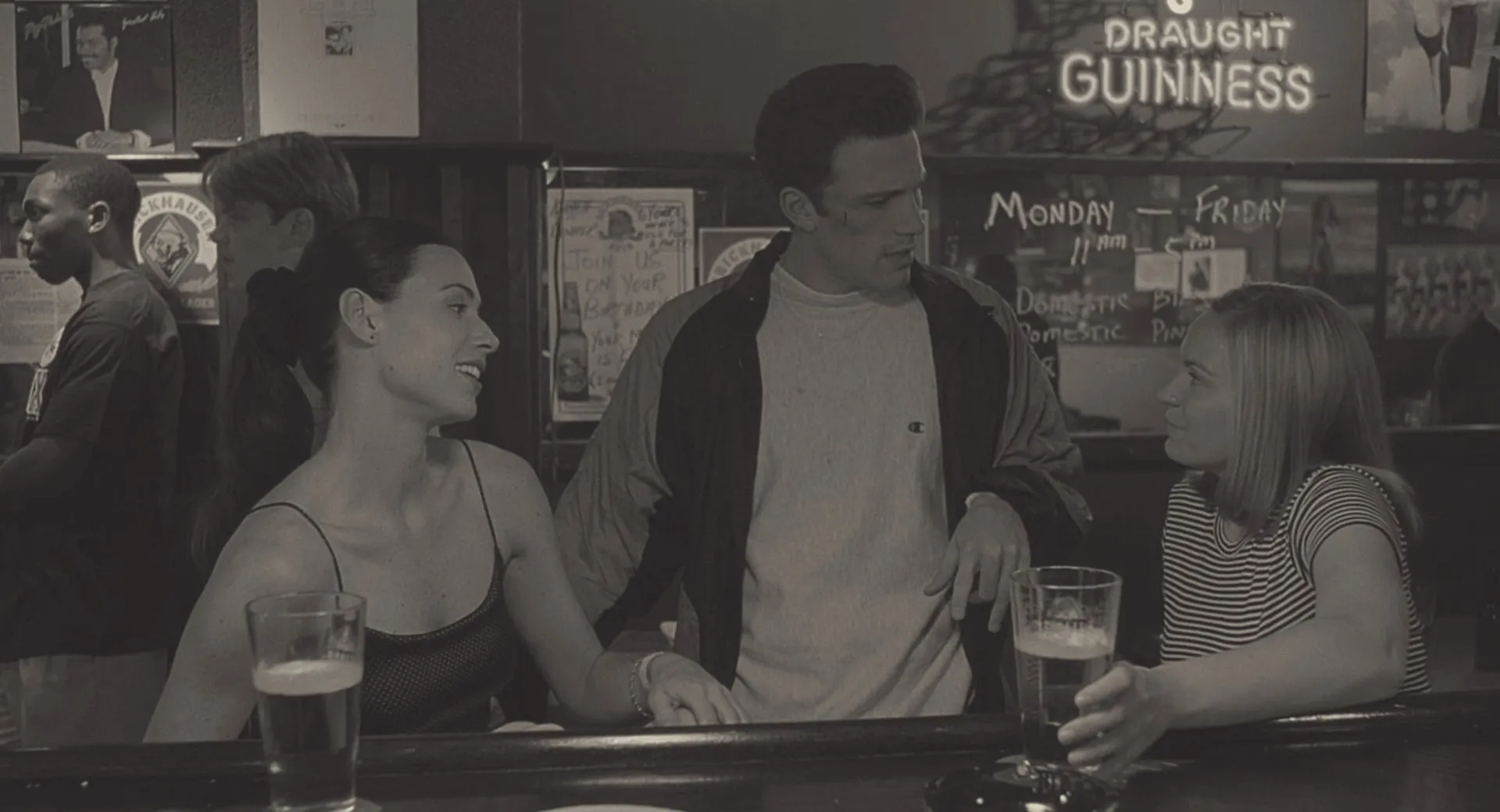
March 31, 2026
What Should Happen in the First Act of a Story
Most first act advice tells you what to include — introduce your protagonist, establish the world, end with an inciting incident. But none of it explains what the first act is actually for. This article argues that the first act has one job: to prove that the protagonist's Habit works. Using Good Will Hunting as a case study, it breaks down the two sequences of the first act, the Home World, the Archetype, the King and the King's Law — and shows how the best first acts plant a theme twist that doesn't detonate until the very end.
Read →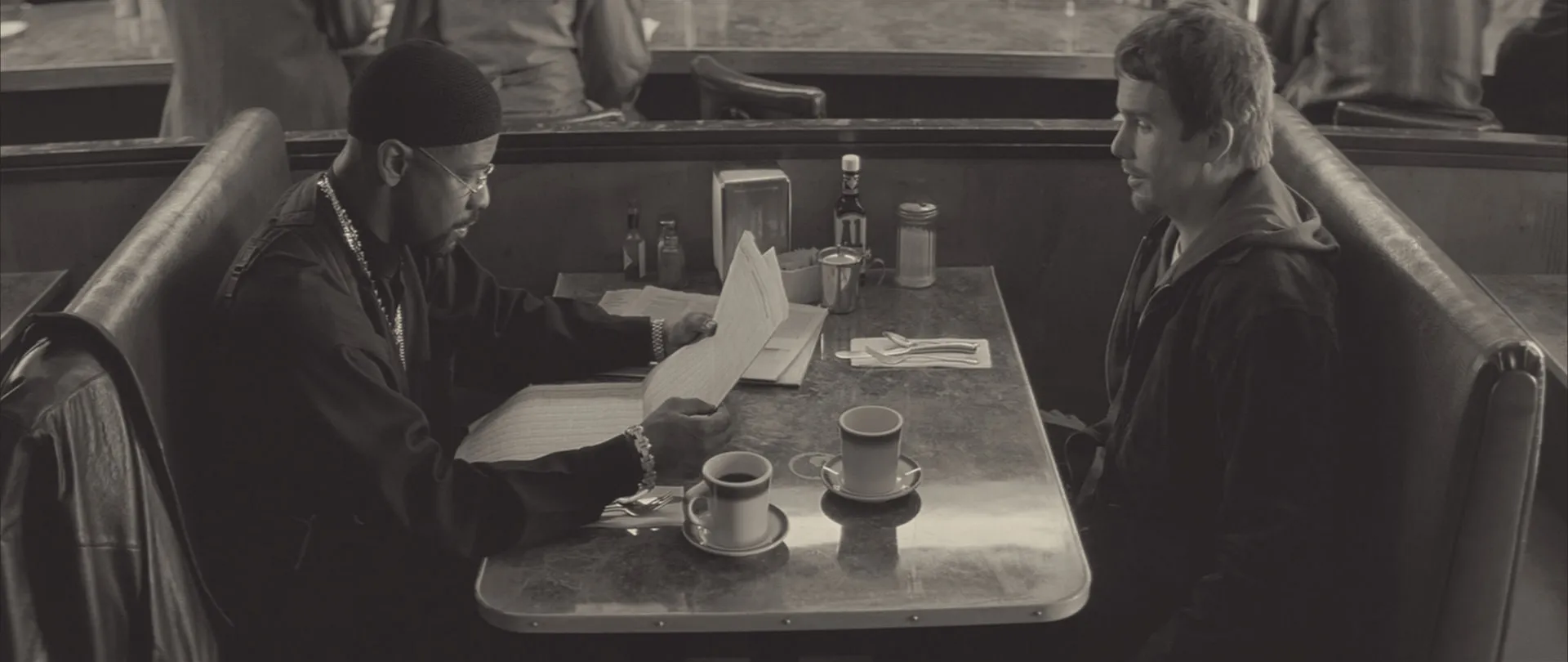
February 6, 2026
The Villain Protagonist Problem: Why Training Day Isn't About Jake
Learn why your villain is more compelling than your hero - and why that's not a problem. This guide explains the Kind Tragedy story structure, where the villain is actually the protagonist. Using Training Day as a case study, discover how to identify your true protagonist and build stories where the hero saves the day but the villain drives the plot.
Read →Every term used here is defined in the glossary.