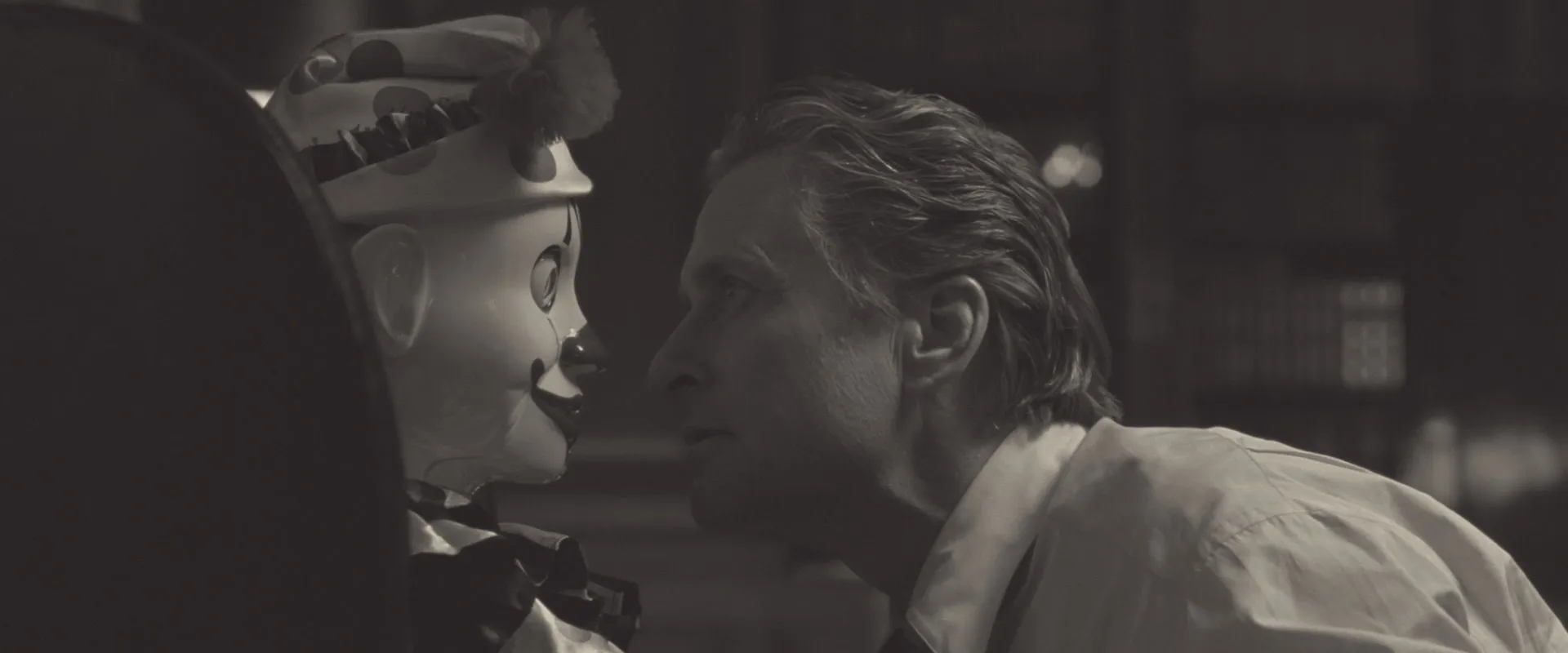
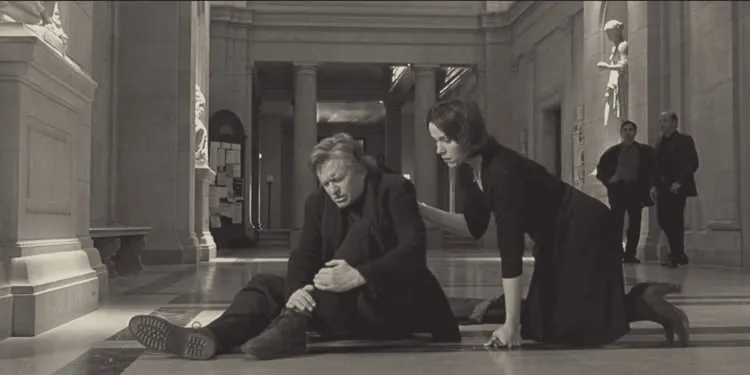
The one thing about a character that can change: a way of getting by that hurts people, learned at home, and that has to go. Will Hunting pushes people away before they can leave him.
Also known as
The Habit (in Comedy), The Flaw (in Tragedy)
Applies to
All Story Types
Definition
The only character trait that can change over the course of the story. A deeply ingrained, destructive behaviour pattern — immoral behaviour the Protagonist learned from the King’s Law, even if it initially felt justified or necessary for survival.
The Habit is not a quirk or a weakness. It is a moral problem: a way of moving through the world that hurts others and ultimately costs the Protagonist the life they want.
Why This Term Matters
The Habit is the engine of the entire story. Every sequence, every conflict, every structural beat exists to put pressure on the Habit — to show the Protagonist (and the audience) what it costs, what it protects, and whether it is worth keeping. THE Theme is always a statement about the Habit. Heaven on Earth is always conditional on shedding it.
The Name Changes by Story Type
In a Comedy — it is called the Bad Habit or the Habit. The Protagonist must shed it to reach Heaven on Earth.
In a Tragedy — it is called the Flaw. The Protagonist refuses to shed it, and so the Universe denies them what they want.
In a Cruel Comedy or Cruel Tragedy, the logic inverts: the Protagonist may have a Good Habit (their last remaining decency) rather than a Bad one, and the story is about whether they keep or abandon it.
Key Properties
Learned from the King — not innate, not chosen from birth
Shared with the Antagonist, who has the same Habit worse and by choice
Directly opposed by the Muse’s Moral Strength
Can be concealed by the Genie in the first half of the story
Must be shed (or refused) at the story’s climax
In a Kind Comedy — Examples
Ratatouille: Remy’s Bad Habit is hiding and deceiving — pretending not to be a rat who cooks, pulling strings from behind a hat, letting someone else take credit for his Talent. The Home World taught him that rats survive by staying invisible. Heaven on Earth requires him to cook openly.
In Bruges: Ken’s Bad Habit is blind obedience — following Harry’s code without exercising his own moral judgment. His long career as a professional hitman has made unquestioning loyalty the only framework he knows how to operate inside. Heaven on Earth requires him to finally choose for himself, even at the cost of his life.
Good Will Hunting: Will’s Bad Habit is pushing people away before they can abandon him — pre-emptive rejection as a survival mechanism learned from years of abuse and instability.
In a Kind Tragedy — the Flaw
Coming soon.
Learn More
The Habit is developed in full in the Kind Comedy Course, including the character worksheet, the mirroring relationship with the Antagonist, and how the Habit interacts with the Genie. It is introduced in the free Fundamentals Course.
Most writers try to fix flat characters by adding backstory or personality details. But flatness is a structural problem, not a creative one. This article explains why every character in a story needs a specific Habit — and a defined opinion about the protagonist's Habit. Using The Game as a case study, it breaks down exactly why some characters feel vivid and necessary while others feel decorative, and gives you a two-question diagnostic you can apply to any character in your story right now.
Most writers blame themselves when outlining fails. But the real problem is that popular frameworks like Save the Cat and the Hero's Journey tell you where to put things — not whether they're working. This article introduces a simple diagnostic rooted in classical story structure: find your protagonist's Habit, and ask two questions. The answers will tell you which of four fundamental Story Types you're writing — and give you the structural logic you need to outline with confidence.