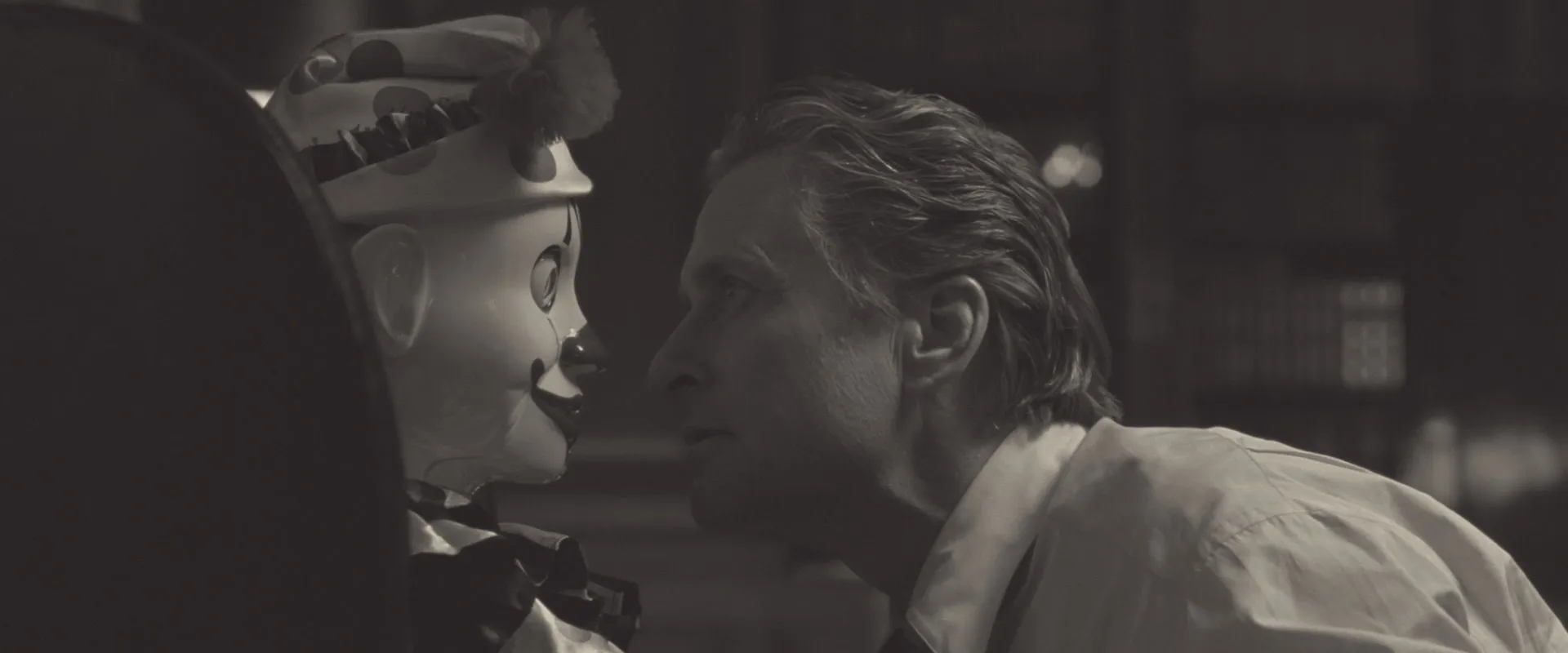
Whatever makes the Muse look past the main character's bad habit long enough to team up with them. In Ratatouille it is the hair-pulling trick that lets Remy cook through Linguini.
The quality, character, or object in the Protagonist that draws the Muse toward them and causes the Muse to look past the Bad Habit long enough to invest in the Protagonist. The Genie may also transfer some of the Protagonist’s Ironic Talent to the Muse. It can do both, or either.
The Genie is lost, stolen, or abandoned near the end of Sequence BB. That loss is the moment the Bad Habit becomes visible to the Muse again, no longer concealed by the thing that was attracting them.
Why This Term Matters
The Genie answers a question most story frameworks avoid: why does the Muse trust the Protagonist in the first place, when the Protagonist’s Bad Habit should be disqualifying?
The answer is that the Protagonist has something, a quality, a character, an object, a magic, that is visible and desirable enough to outshine the Habit for as long as it is present. The Muse sees the Genie first and the Habit second. The Genie is what buys the Protagonist the time to become the kind of person who deserves the Muse’s trust.
When the Genie is lost at the end of Sequence BB, the Muse sees the Habit clearly for the first time. What the Protagonist does in the next sequence, drop the Habit or double down on it, is what determines whether the story becomes a Comedy or a Tragedy.
The Forms a Genie Can Take
The Genie is often a quality in the Protagonist, but not always.
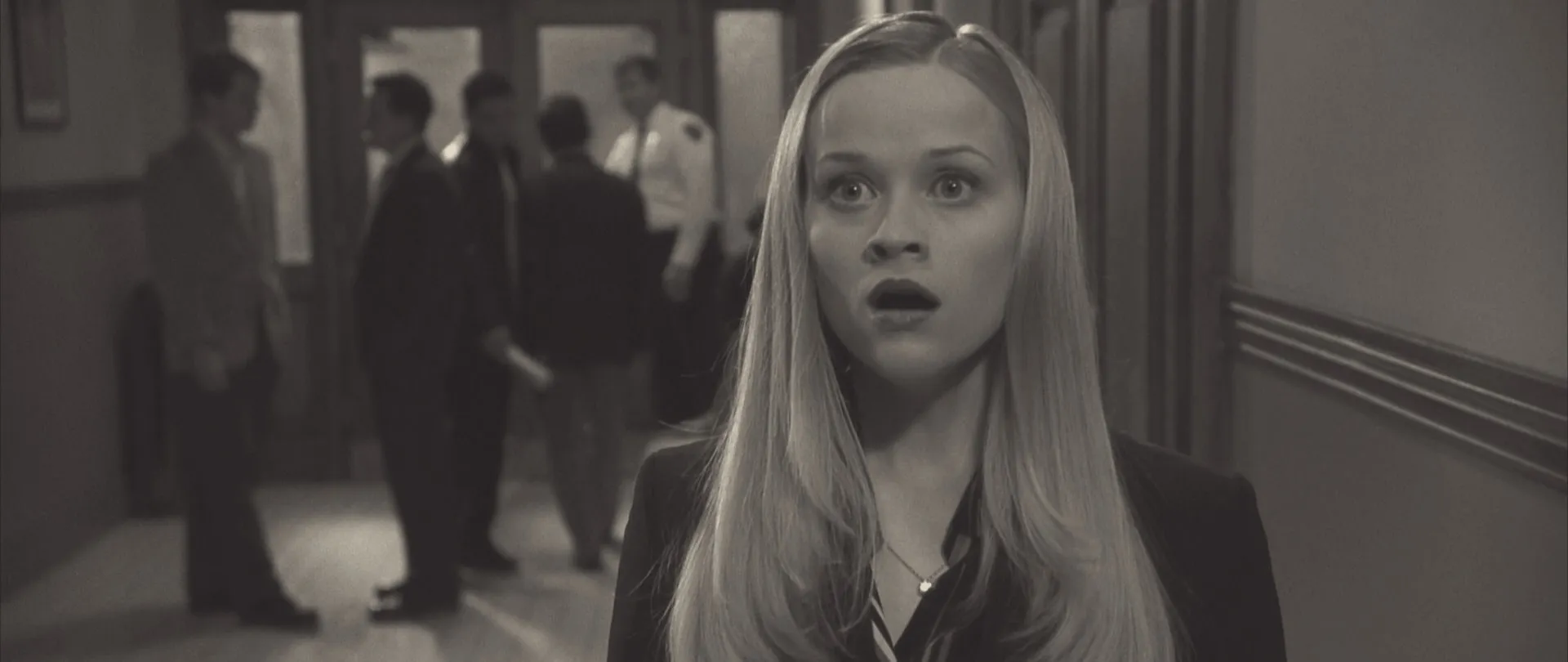
A quality. Elle Woods’s social fluency in Legally Blonde. Ken’s mentorship in In Bruges. Jimmy Markum’s grief in Mystic River. Alonzo’s command of the streets in Training Day.
A character. Literally the Genie in Aladdin, the term’s origin. The wishes are the Genie. When Aladdin uses them up, the thing that was drawing Jasmine (the false prince) is gone.
A magic power. Remy’s magic power to control Linguini’s movements by pulling his hair. This is what makes Linguini cooking possible.
Whatever form the Genie takes, the function is the same: it is what keeps the Muse oriented toward the Protagonist while the Habit is still running.
The Four Genie Tests
A valid Genie must pass all four tests:
Attraction Test. Is this the thing that draws the Muse toward the Protagonist, past the Bad Habit?
Removability Test. Can it be lost, stolen, or abandoned at the end of Sequence BB?
Transfer Test. Does it channel some of the Protagonist’s Talent to the Muse, or give the Muse access to something they would not otherwise have? (Note: this can be optional in some stories; the Attraction test is the essential one.)
Concealment Test. Does it hide the Protagonist’s Bad Habit from the Muse for as long as it is present?
How the Genie Behaves Across the Four Story Types
The Genie operates the same way in all four Story Types. What differs is what the Protagonist does after losing it.
In a Comedy, the Protagonist loses the Genie, sees the Habit (Bad in a Kind World, Good in a Cruel World) exposed, and drops the Habit to save the Muse. The loss of the Genie is what forces the Protagonist to become who they were always capable of being.
In a Tragedy, the Protagonist loses the Genie and doubles down on the Habit (Bad in a Kind World, Good in a Cruel World). The Muse, no longer protected by what was concealing the Habit, is destroyed and the Universe punishes the Protagonist for not saving the Muse.
Learn More
The Genie is developed in full in the Kind Comedy Course, including the four Genie Tests, worked examples from Ratatouille and In Bruges, and how to find the Genie in your own story. The free Fundamentals Course introduces the concept.
Most writers try to fix flat characters by adding backstory or personality details. But flatness is a structural problem, not a creative one. This article explains why every character in a story needs a specific Habit — and a defined opinion about the protagonist's Habit. Using The Game as a case study, it breaks down exactly why some characters feel vivid and necessary while others feel decorative, and gives you a two-question diagnostic you can apply to any character in your story right now.
Every existing analysis of Legally Blonde tells the same empowerment story: underestimated woman proves herself. That reading isn't wrong, but it makes the film impossible to learn from. A structural look at why Elle's confidence is the problem rather than the solution, what makes 'you're a Marilyn, not a Jackie' one of the sharpest King's Laws in modern cinema, and why the film is more structurally rigorous than it gets credit for.