
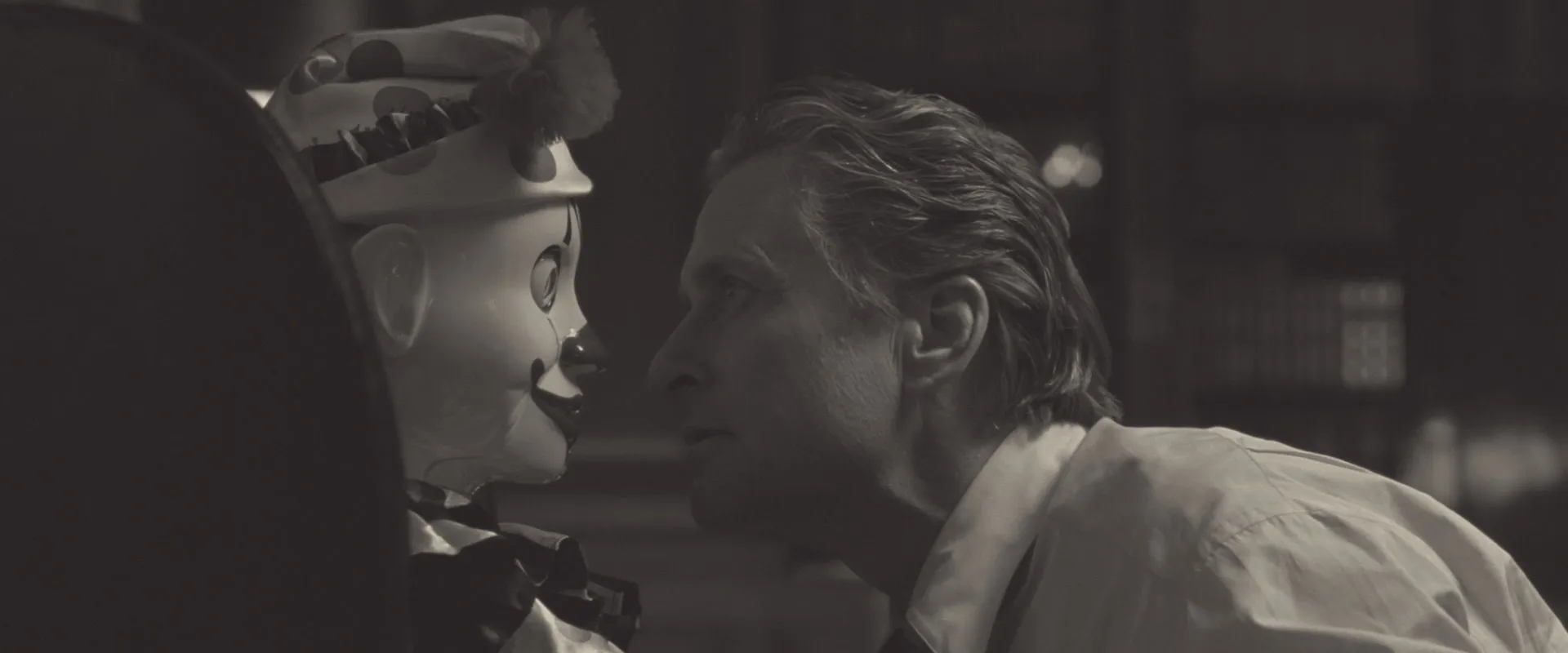
Most writers, when they sense a character isn’t working, reach for the same solutions. They add backstory. They give the character a hobby, a quirk, a traumatic past, a distinctive way of speaking. They make them funnier, sadder, more mysterious. They rewrite their introduction three times hoping something clicks.
Sometimes it helps. Usually it doesn’t. And the reason it usually doesn’t is that flatness isn’t a personality problem. It’s a structural one.
A flat character isn’t a character who lacks interesting qualities. It’s a character the story isn’t doing anything to. They exist in the narrative, but the narrative isn’t pressing on them. And a character nobody is pressing on has no reason to reveal who they are.
Flat Characters Aren’t Boring People. They’re Untested Ones.
Think about the most vivid characters you’ve encountered — in fiction, in film, anywhere. What makes them feel real isn’t usually that they’re complex in the abstract. It’s that you’ve watched them be pushed into a corner and seen how they respond. You know what they do when the thing they most want is threatened. You know what they protect, what they sacrifice, what they refuse to give up even when giving it up would make everything easier.
Character is revealed under pressure. Not described, not explained — revealed. A character who never faces pressure never has to show you anything real about themselves. They can be witty, well-dressed, elaborately backstoried, and still feel like a sketch rather than a person.
This is the structural problem underneath most flat characters: not that the writer doesn’t know who they are, but that the story hasn’t created the conditions under which they have to prove it.
The Two Things Every Character Needs
To feel real on the page, a character needs two things. Not a detailed biography. Not a Myers-Briggs type. Two things.
First: a Habit.
Not a personality trait. Not an adjective. A Habit — something specific and behavioral that defines how this character moves through the world. Something they do, repeatedly, in response to the pressures of their life. Something that once worked, or still works, but that the story is going to put under examination.
The difference between a Habit and a Trait is worth understanding precisely, because confusing them is one of the most common reasons characters go flat. A Trait is fixed — it belongs to who the character fundamentally is, and it cannot be learned or unlearned. A Habit is behavioral — it’s a strategy, a pattern, a way of coping that can in principle be changed. Stories are almost never about Traits. They’re about Habits. (If this distinction is new to you, this article breaks it down in full.)
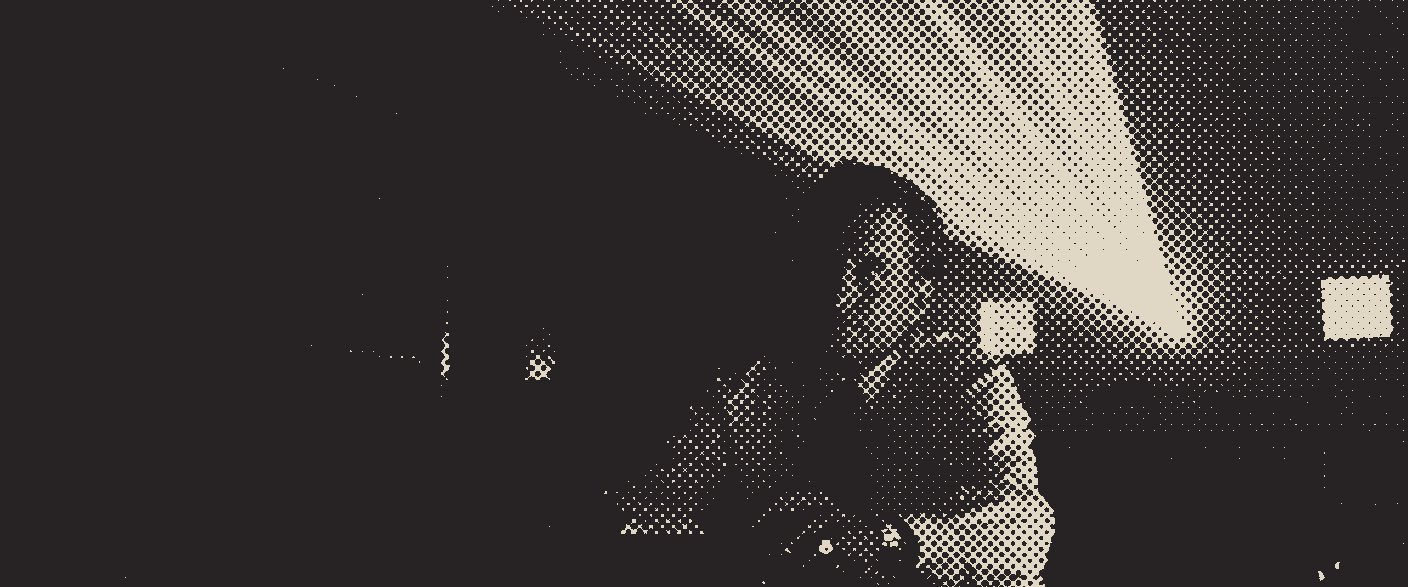
Nicholas Van Orton in The Game is a useful example. His Archetype — being the kind of man who is drawn to control, who inherited both a fortune and the psychological damage that came with it — is fixed. That’s who he is. But his Habit is specific and behavioral: he represses emotion, avoids genuine connection, and solves everything with money. When a problem appears, he reaches for his checkbook. When someone gets close, he retreats. This Habit is not an accident — it’s a survival strategy built around a traumatic past. And it works, in the narrow sense that it keeps him safe. The story is about what happens when it stops being enough.
A character without a clearly defined Habit is a character the story can’t get any purchase on. You can put them in any situation and they’ll respond in whatever way the plot needs, because there’s nothing specific enough about them to push back. That’s not a character. That’s a function.
Second: pressure on that Habit.
A Habit nobody ever challenges is invisible. You can tell the reader a character has a particular way of moving through the world, but until the story creates conditions that test that Habit — that make it costly, or inconvenient, or insufficient — there’s nothing for the reader to observe. The Habit only becomes visible when something pushes on it.
This is why so many characters feel vivid in early scenes and then go flat in the middle of a story. The opening establishes the Habit clearly through a few sharp, specific moments. But then the story moves into plot mechanics, and the pressure on the Habit quietly disappears. The character stops being tested and starts being functional. They deliver information, advance the story, and fill their assigned role — but they stop revealing anything.
Fixing a flat character almost always means returning to these two questions: is their Habit specific enough to create real resistance? And is the story applying consistent pressure to it?
Why Secondary Characters Go Flat First
Secondary characters tend to go flat before protagonists do, and the reason is usually the same: writers give them a role in the plot without giving them a relationship to the protagonist’s Habit.
This is the structural insight that changes how you think about supporting characters. The most vivid secondary characters aren’t vivid because they have rich inner lives in isolation — they’re vivid because their presence does something specific to the protagonist’s Habit. They mirror it, oppose it, enable it, or threaten it. Their relationship to the protagonist isn’t just narrative proximity. It’s a defined stance toward the thing the story is fundamentally about.
Consider the antagonist. The best antagonists don’t feel like obstacles — they feel like dark mirrors. And the reason for this is structural: a truly effective antagonist tends to share the protagonist’s Habit. They’re heading toward the same thing by different means, operating on the same underlying logic but without whatever constraint the protagonist still holds onto. In short, the antagonist is just worse.
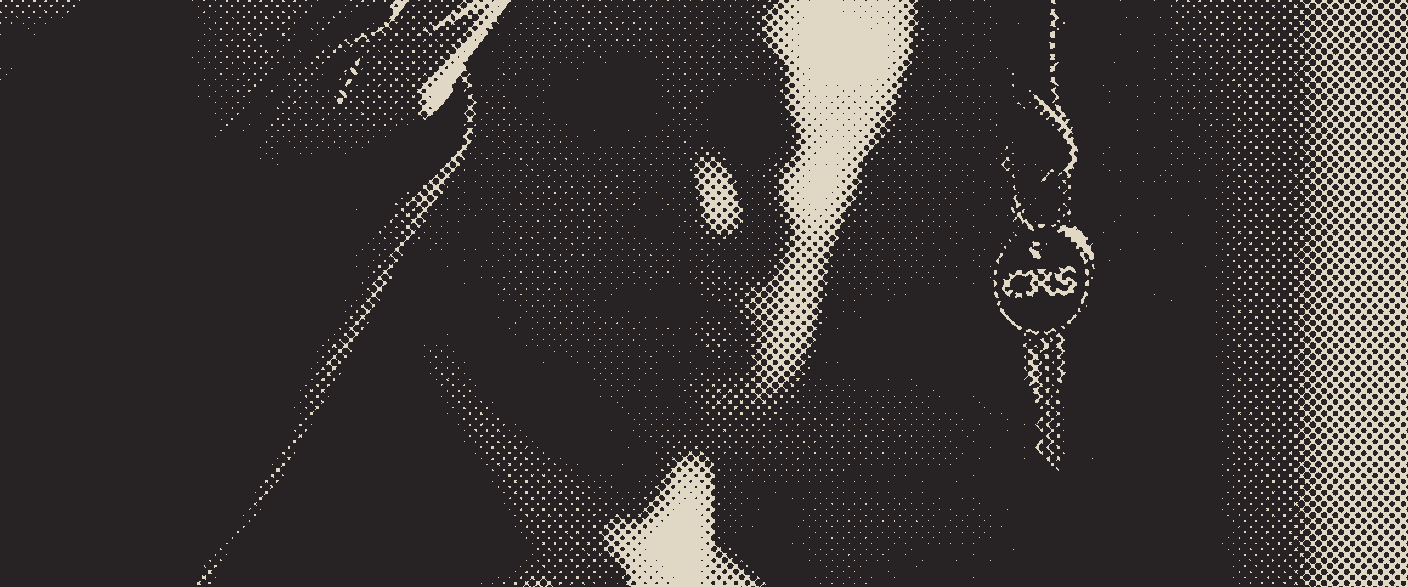
In The Game, the antagonist isn’t a person in the conventional sense — it’s CRS, the company running the game. But its logic is pure Nicholas: transactional, impersonal, solving everything through money and control. CRS takes Nicholas’s Habit and strips it of whatever residual warmth he still has. It fakes personal connection in order to exploit it. It uses the language of care as a tool. Every move CRS makes is a version of what Nicholas does — just without the self-awareness or the guilt. This is why the antagonist feels so threatening. It isn’t doing anything to Nicholas that Nicholas hasn’t already been doing to himself.
The character who helps the protagonist change works on the opposite principle. Conrad, Nicholas’s brother, doesn’t share the Habit at all. He is emotionally available, financially reckless, and entirely unbothered by the things Nicholas has built his life around. He yells at Nicholas about his cynicism. He shows up uninvited and refuses to be managed. His presence is both attractive and maddening to Nicholas for the same reason: he represents a way of living that Nicholas has spent his entire adult life deciding is impossible. Being around Conrad makes the Habit feel like a choice rather than a necessity — which is exactly the kind of pressure a story needs its most important secondary characters to apply.
Every Other Character Needs an Opinion
Beyond the character who mirrors the Habit and the character who embodies its opposite, every other significant character in your story needs one thing: an opinion about the protagonist’s Habit.
Not an opinion about the protagonist as a person. An opinion about the Habit specifically — about this particular way of moving through the world that the story is putting under examination.
The Game is almost a textbook demonstration of how this works.
Some characters reinforce the Habit — they taught it, modelled it, or benefit from it. The smoking businessmen Nicholas moves among at his club are a good example: they admire exactly what his Habit produces. Same goes for the head waiter at the restaurant and the faceless voices of his colleagues on the phone. The wealth, the control, the impenetrability. In their world, Nicholas’s way of being isn’t a problem to be solved — it’s an achievement to be envied. Their presence makes the Habit feel normal, even aspirational. They’re part of the reason it’s so hard to give up.
Some characters feel sorry for it. Nicholas’s ex-wife doesn’t hate him — she mourns him. She can see the damage underneath the control, and her pity is its own kind of pressure: it confirms that the Habit has cost him something real, without quite making him want to change.
Some characters rationalize it. His housekeeper has watched Nicholas for years and has arrived at a kind of peace with what she sees. To her, his emotional unavailability is a logical response to what happened to him. Her acceptance is warm but subtly enabling — she makes the Habit feel reasonable rather than chosen.
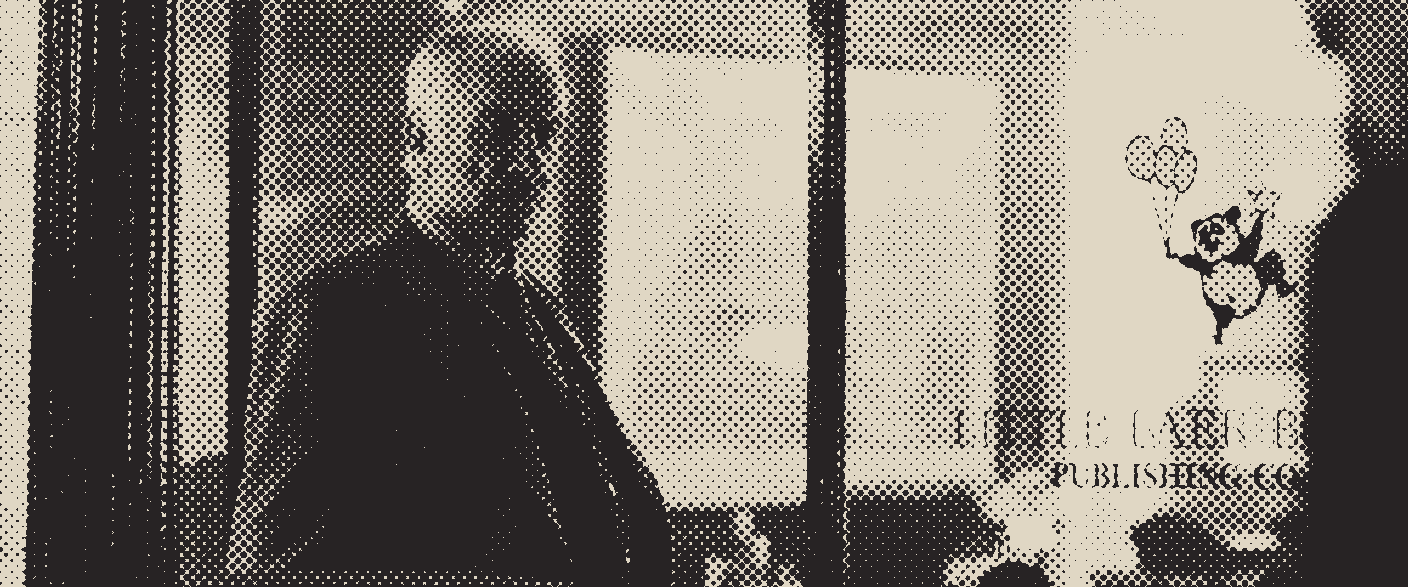
And some characters do something more complicated. Mr. Baer, the publisher Nicholas is forcing into retirement, begins by getting angry at Nicholas’s cynicism — pushing back, challenging, refusing to accept the Habit as inevitable. And then, remarkably, he pivots: he tries to reach Nicholas through kindness instead. This oscillation between confrontation and warmth is precisely what makes him memorable. He doesn’t have one opinion about the Habit. He has two, in sequence — and both of them are doing real work on Nicholas.
This is what generates the social pressure a story needs to function. Not plot mechanics, not external threat — the accumulated weight of all these people, each of whom has a specific stake in whether the protagonist keeps doing what they’ve always done.
A character with no opinion about the Habit has no dramatic function, regardless of how well-written they are in isolation. They’re furniture. They can be beautifully upholstered furniture, but the story won’t miss them when they’re gone.
This is the real reason ensemble casts often go flat — not because there are too many characters, but because too many of them are indifferent to the thing the story is actually about. They have their own storylines, their own jokes, their own moments. But they have no relationship to the protagonist’s Habit, so they exist in a parallel story that never quite connects to the main one.
The Diagnostic
If a character in your story feels flat, ask two questions in this order.
First: what is the protagonist’s Habit?
If you can’t answer this with a specific behavior — not an adjective, not a feeling, but something the protagonist actually does, repeatedly, in response to the pressures of their life — then the flatness you’re sensing in your secondary characters is a symptom of a deeper problem. There’s nothing for them to have an opinion about.
Second: what is this character’s opinion of it?
Not in the abstract. Specifically: do they reinforce it, oppose it, embody its opposite, or represent its cost? Do they admire what it produces, mourn what it costs, or model what life looks like without it? Is their presence in the story making the Habit more or less sustainable for the protagonist?
If you can’t answer that second question, you’ve found the problem. The character doesn’t know why they’re in the story — and neither does the reader.
The fix is rarely to add more detail to the character. It’s to clarify their relationship to the Habit, and then let that relationship drive every scene they’re in. It is what makes every character round instead of flat.
Tale Spinning is a method that grows stories from theme and character outward. Every beat earned, every beat inevitable. Works whether you're writing your own, evaluating someone else's, or developing with a team, across screenplays, novels, comics, and stage plays.
Keep reading
February 1, 2026
A Practical Diagnostic: 5 Questions to Test Any Character Arc
Five questions to find where a character arc goes soft, tested on Legally Blonde, Mystic River and Nightcrawler. Start with what your protagonist won't do.
Read →
January 17, 2026
What Great Character Arcs Have in Common
A deep look at what great character arcs have in common, to show why real change isn't proven through speeches or self-reflection, but through repeated choices, rising pressure, and action that finally aligns with theme.
Read →Every term used here is defined in the glossary.