
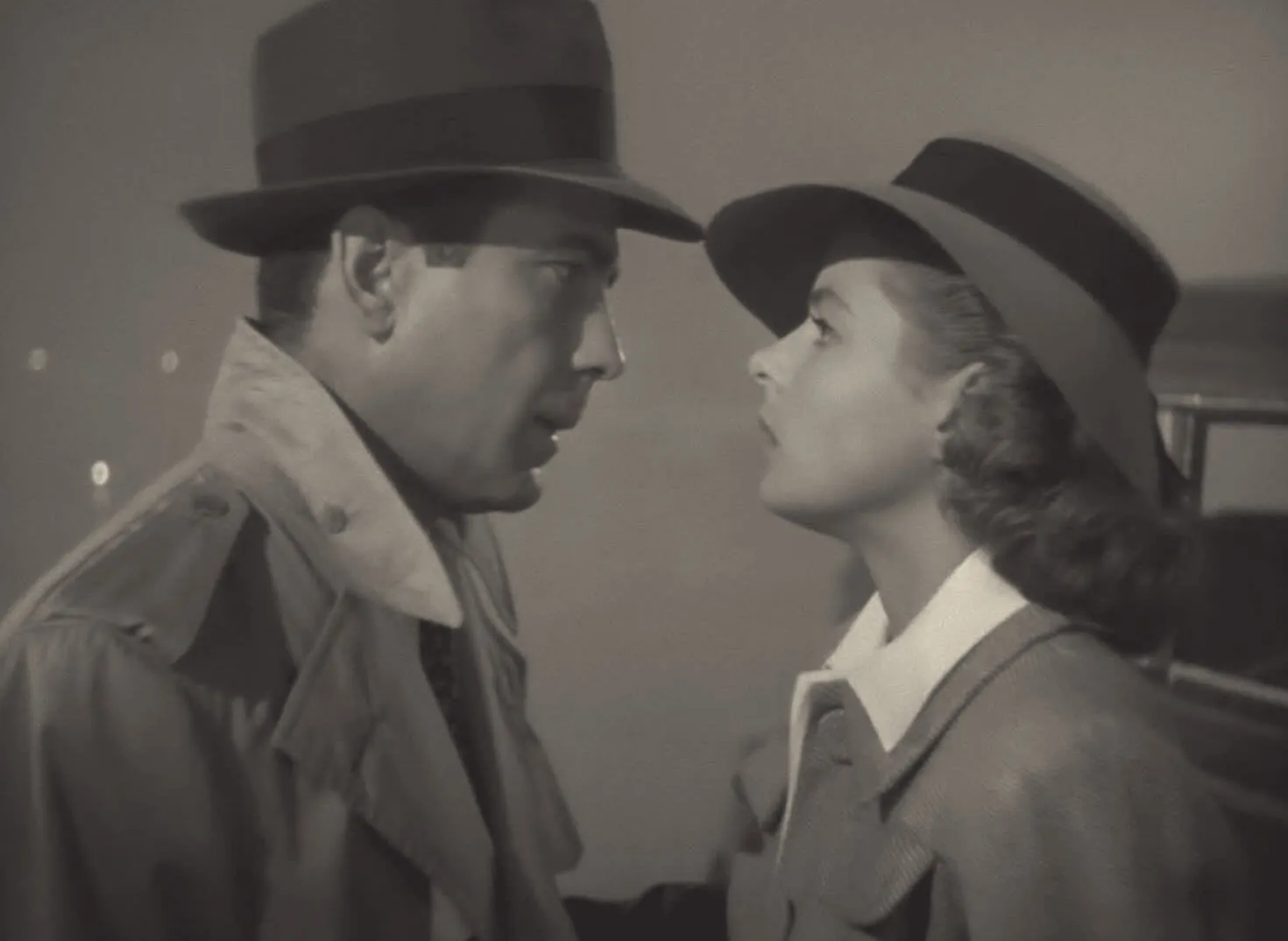
Why real character change is proven through action, pressure, and theme — not dialogue.
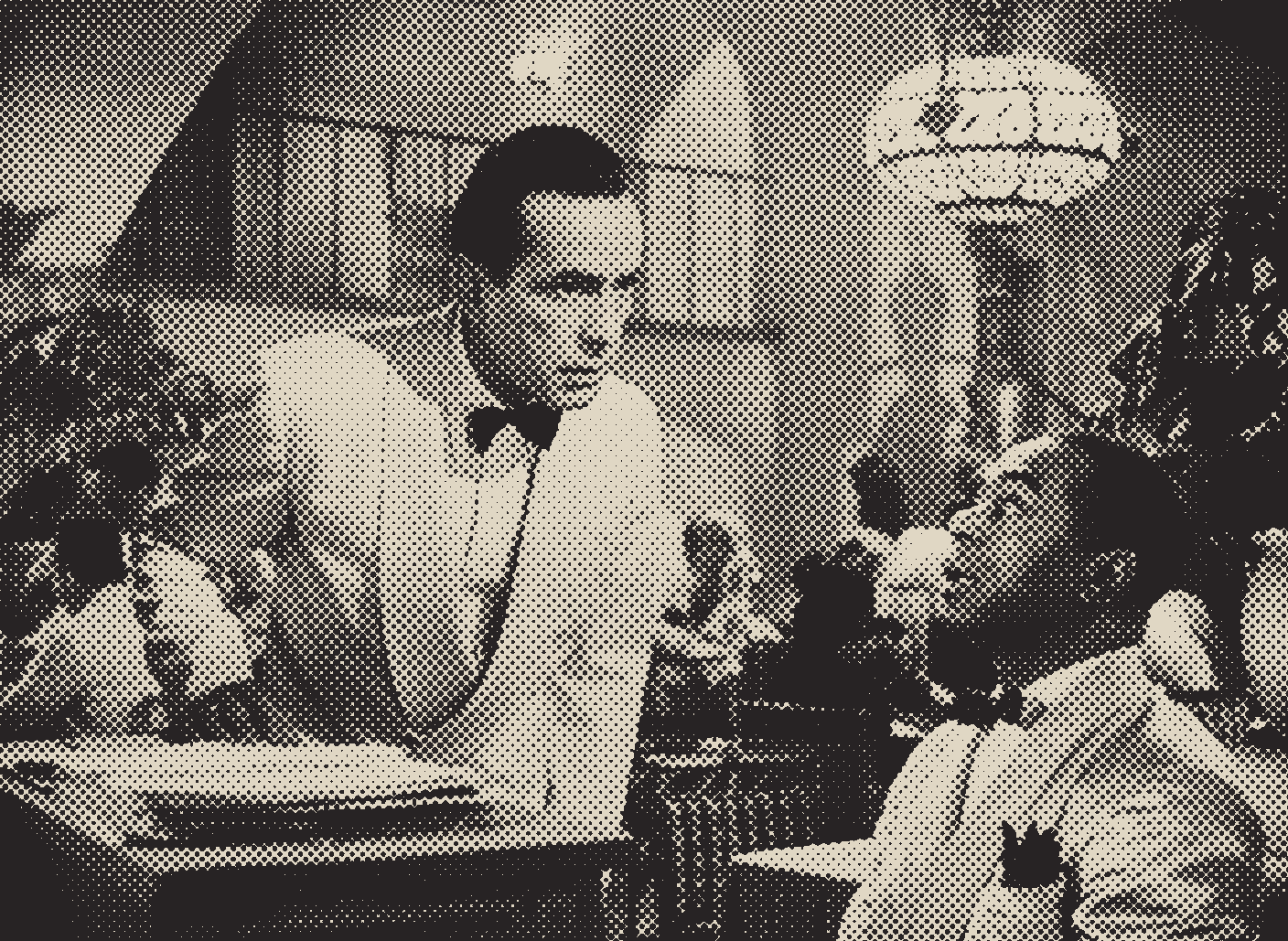
Near the end of Casablanca, Victor Laszlo turns to Rick and says:
“Welcome back to the fight. This time I know we’ll win.”
It’s a quiet line. No swelling music. No speech about growth or self-discovery. And yet, it lands with enormous weight — because we’ve seen Rick stand in this position before. On several occasions, Rick has responded to a variety of requests with the same refrain:
“I stick my neck out for nobody.”
The situation is essentially the same in all of these moments.
The stakes are similar.
The danger has always been real.
What’s different is not Rick’s intelligence, charm, or capability. Those were always there. What’s different is the choice he’s willing to make — and the cost he’s now willing to pay.
That difference is what we usually call a character arc.
Not the bitterness Rick sheds.
Not the clarity he gains.
Not the way he speaks by the end.
The arc happens in the moment where Rick does the one thing he refused to do before — even though it costs him the very thing he was protecting.
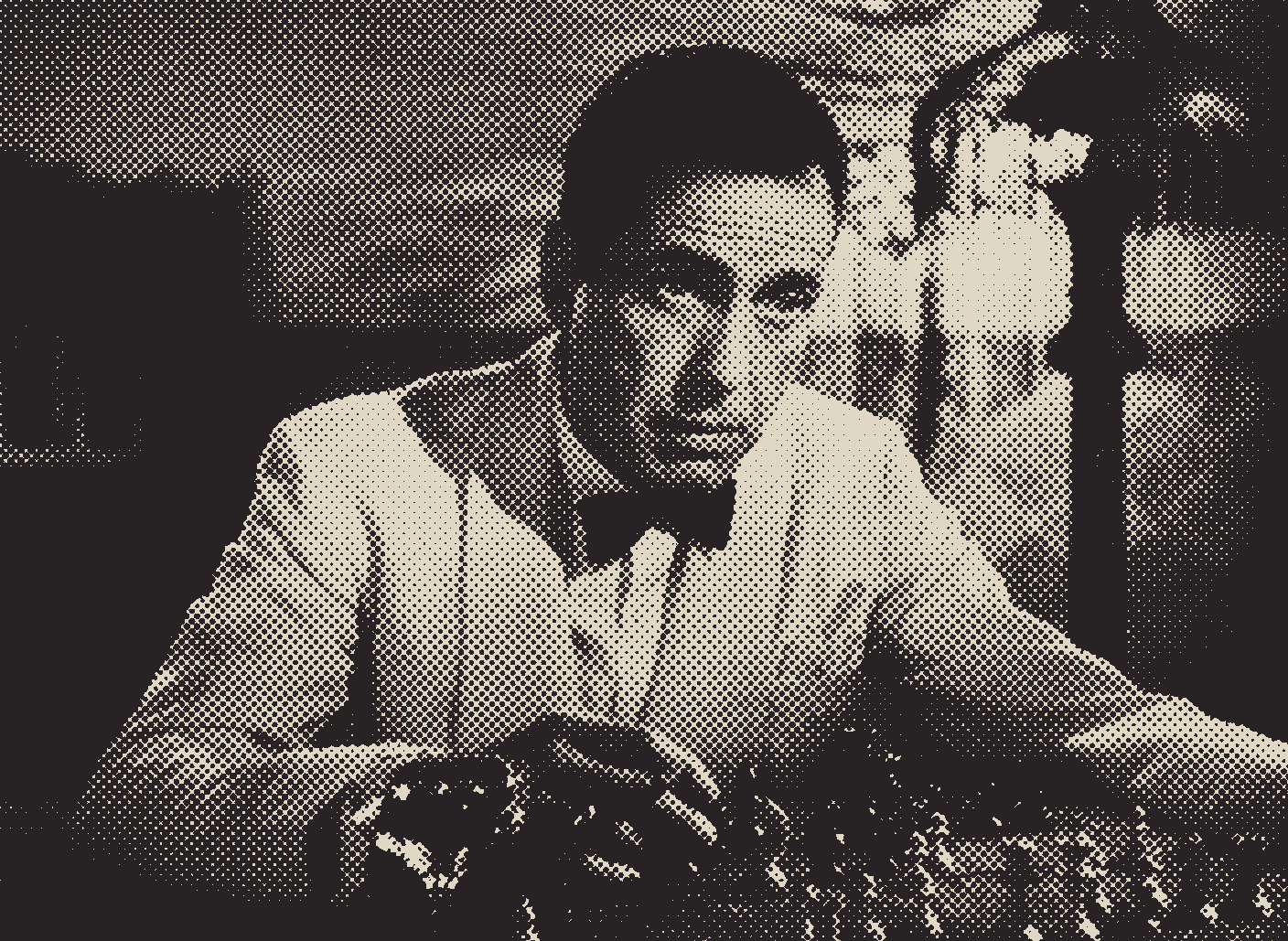
Great stories don’t prove change by telling us how a character feels. They prove it by putting the character back into a familiar situation and asking them to act differently when it matters more.
This article is about that moment — and why, across genres and eras, it’s the only kind of character arc that consistently works.
(If this distinction between fixed traits and changeable behavior feels familiar, it builds directly on the idea explored in Traits Don’t Change. Habits Do.)
Change Has to Be Visible
What makes Rick’s final choice in Casablanca feel so decisive is that we can see it.
Stories often try to signal change internally. A character reflects. They arrive at a new insight about themselves or the world and feel compelled to share it out loud. These moments can be powerful — even moving — but on their own, they don’t prove anything yet. They describe intention, not outcome.
What great stories do instead is much simpler — and much stricter.
They put the character back into a situation we recognize and ask them to act again.
Earlier in Casablanca, Rick is presented with a clear choice: help Ilsa and Victor, or stay neutral and protect himself. He chooses neutrality. He keeps his distance. He survives — emotionally and politically — by refusing to commit.
When a similar choice appears at the end of the film, we don’t need Rick to explain what he’s learned. We already know what the old Rick would do. And up until the very last minute, it looks very much like he is about to do the same thing again — only to reveal that he planned the final escape all along.
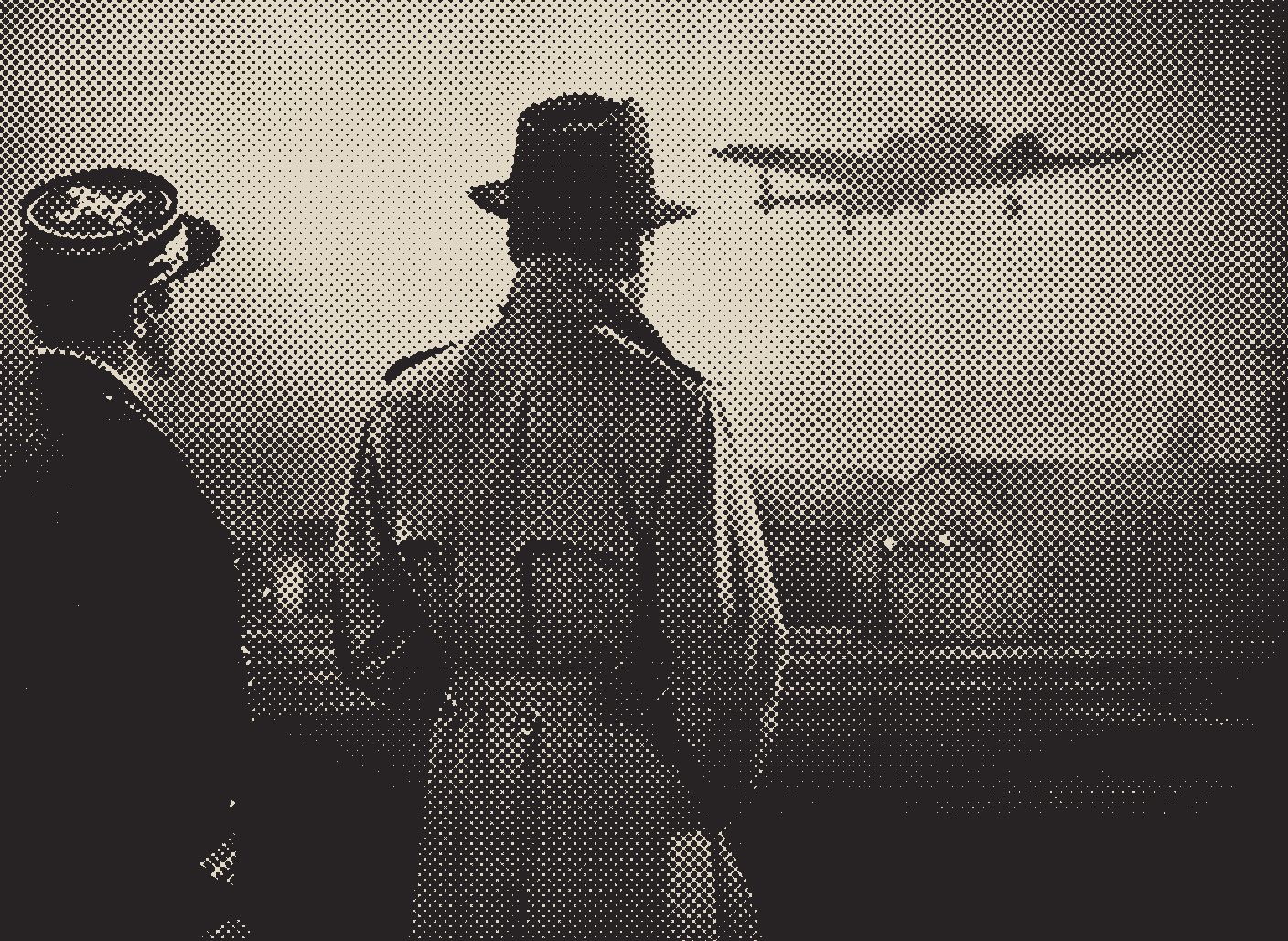
That’s what gives the decision its weight. Change is visible because it contradicts a pattern we’ve already watched him repeat.
There’s a quiet rule at work here:
Feelings can shift without altering behavior. Awareness can increase without altering action. Even regret can exist alongside repetition. But change — the kind that holds up under narrative pressure — only reveals itself when a character does something they were previously unwilling to do.
That’s why great arcs are almost never proven in moments of reflection. They’re proven in moments of action.
The story brings the character back to familiar ground — the same temptation, the same fear, the same risk — and raises the stakes. When the character responds differently this time, we recognize the change instantly, without needing it explained.
This is also why these moments tend to feel inevitable rather than surprising. The story hasn’t taught us what the character should choose. It has shown us, again and again, what they refused to choose before.
Everything leading up to the arc exists to make that reversal possible — and credible.
The Arc Is the Theme, Made Visible
A character arc doesn’t exist on its own. It exists to make the story’s theme tangible.
Theme isn’t what a story is “about” in the abstract. It’s the underlying claim the story is making about how the world works — and what it costs to live in alignment with that claim.
Because of that, a protagonist cannot begin the story already embodying the theme. If they did, there would be nothing to prove.
If a story is about honesty, the protagonist must begin by lying — not necessarily out of malice, but because dishonesty works for them.
If a story is about pacifism, the protagonist must begin violent.
If a story is about sacrifice, the protagonist must begin by protecting themselves — and only themselves.
These starting positions are not moral failures. They are thematic distance.
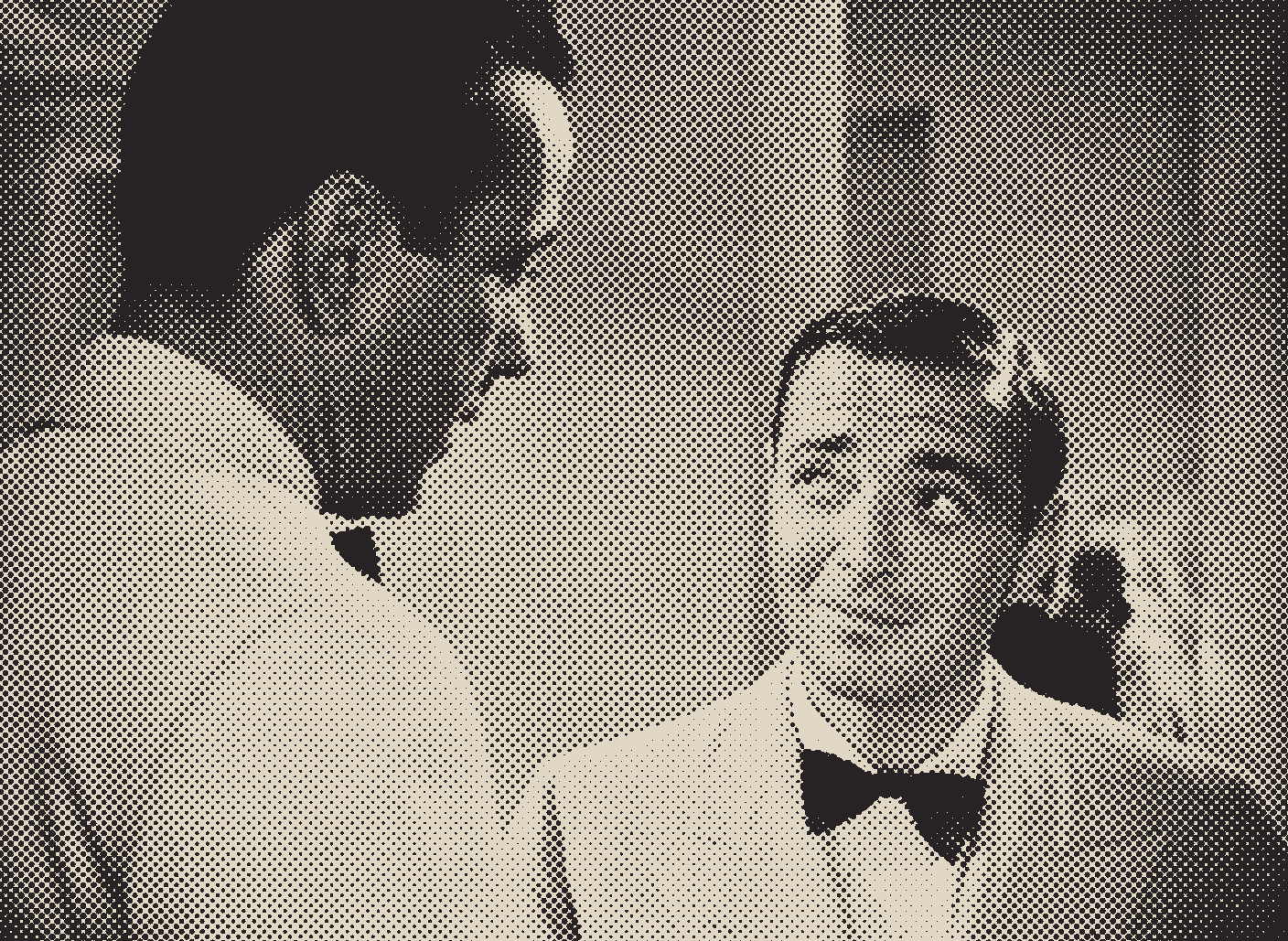
What the arc measures is how far the character has to travel — behaviorally — before they are willing to act in accordance with the story’s underlying truth. Generally speaking, the further the protagonist has to travel, the higher the stakes need to be to make that movement believable.
The final choice matters not because it is surprising, but because it is the first time the character has lived the theme instead of resisting it.
That’s why the moment of change almost always looks the same: a familiar situation returns, the stakes are higher, and the character either aligns with the theme through action — or refuses to.
The arc is the theme, made visible under pressure.
The Same Structure, a Different Choice
Casablanca is often remembered as a story about redemption. But the structure that makes Rick’s change feel real has little to do with redemption specifically. It’s about repetition — and reversal.
Rick refuses to stick his neck out for anybody until the moral consequences of that refusal become too large to ignore. He explains his reasoning only after he has already made the final, irreversible choice:
“Ilsa, I’m no good at being noble, but it doesn’t take much to see that the problems of three little people don’t amount to a hill of beans in this crazy world.”
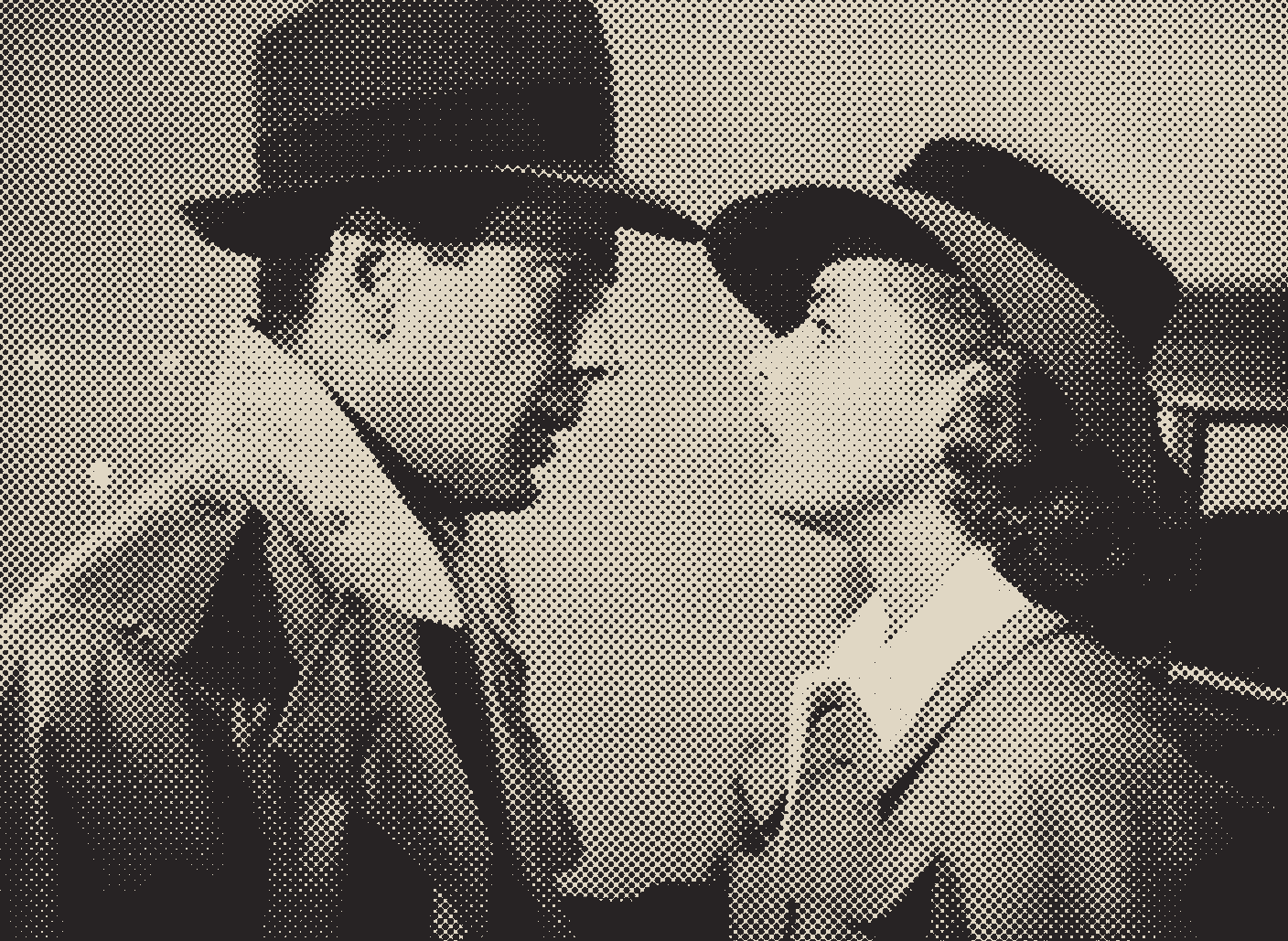
This same structure of refusal-until-the-end appears in stories that feel very different in tone, genre, and moral outcome.
Consider The Godfather.
Michael Corleone enters the story with a clear refusal. He wants no part in his family’s business. He is a soldier, a war hero — no stranger to violence — but he comes from a world where aggression has a clear purpose and a clear enemy. Back in the United States, he distances himself from power, from corruption, and from the moral compromises his family accepts as normal.
When danger arises early in the film, Michael stays on the sidelines. He protects his identity by staying out of the fight.
Like Rick, Michael is capable from the start. Intelligent. Calm under pressure. Strategically gifted. What defines him early on is not a lack of ability, but a line he will not cross.
Then the story brings him back to a familiar situation.
His father is threatened. The family’s survival is at stake. Violence presents itself again as a possible solution — just as it did before. But this time, Michael does something the earlier version of himself would never have done.
He steps forward.
The change isn’t announced. It isn’t explained. It isn’t framed as growth. It’s proven through action — and it comes at a cost Michael fully understands.
By the end of the film, Michael has not become a better person. But he has unquestionably changed. He now chooses power over innocence, control over distance, violence over refusal. The situation is recognizably the same. The choice is not.
That’s the arc.
Not because the outcome is admirable.
Not because the universe rewards him kindly.
But because the story places him under greater pressure — and he responds in a way that contradicts who he was at the start.
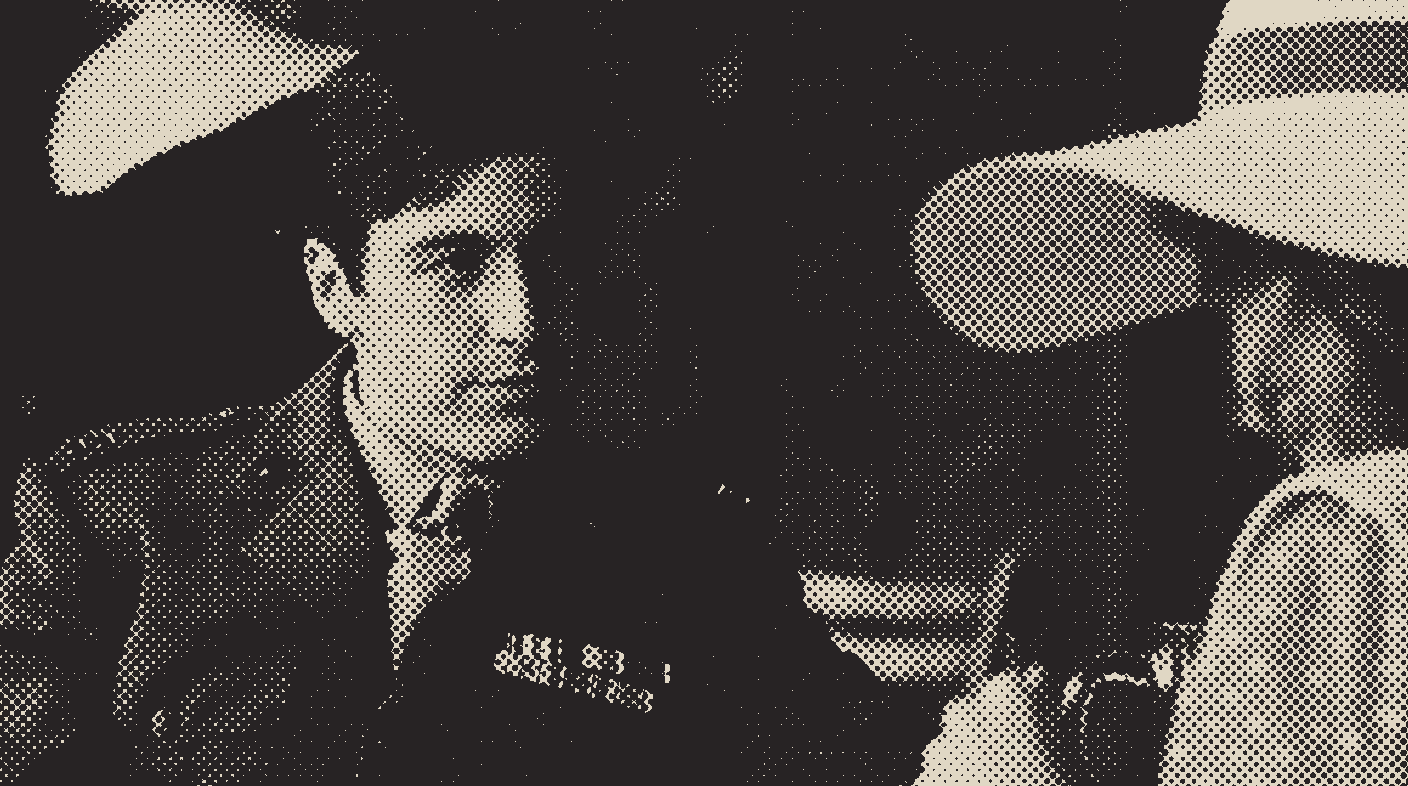
Casablanca and The Godfather sit at opposite ends of the emotional spectrum, but they share the same underlying structure. Both stories ask their protagonists to face a familiar dilemma. Both raise the stakes. And both reveal change by forcing a choice the character once refused to make.
The difference lies not in whether change occurs — but in what the world does with it afterward.
(This distinction is explored further in the free course chapter on Comedy vs. Tragedy, where outcomes diverge even when structure does not.)
Pressure Is What Makes Theme Visible
A repeated choice alone is not enough to prove change.
The pressure surrounding that choice matters just as much.
Rick’s decision at the end of Casablanca works because it costs him more than it ever has before. He doesn’t just risk his safety — he gives up the future he secretly wanted. Michael’s decision in The Godfather works for the same reason. The cost isn’t abstract. It’s immediate, personal, and irreversible.
Pressure clarifies priorities.
Early in a story, characters can avoid alignment with the theme because avoidance works. The cost of holding onto their old strategy is manageable. The story escalates by slowly removing those escape routes. What once felt like a reasonable protection begins to feel like a liability.
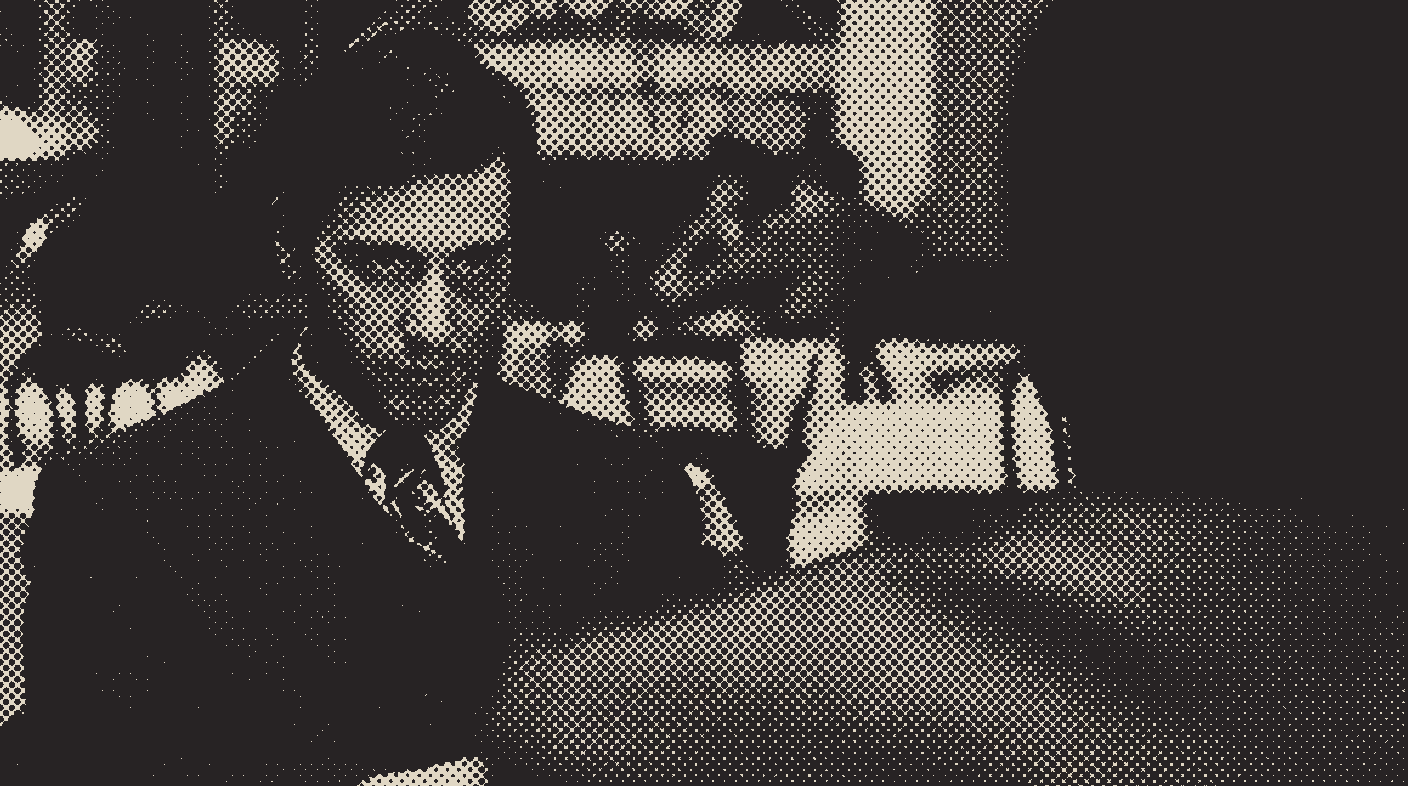
This is why the final reversal can’t happen in a vacuum. Without escalation, a new choice reads as preference. With escalation, it reads as identity.
The story doesn’t ask the character what they believe.
It asks what they are willing to lose.
That’s when theme stops being an idea and becomes behavior.
Change Without Words
If this idea only worked in dialogue-heavy dramas, it would be easy to dismiss as psychological window dressing. But some of the clearest character arcs in cinema contain almost no explanation at all.
Consider Mad Max: Fury Road.
Max begins the film in pure survival mode. He avoids attachment, avoids responsibility, and avoids staying anywhere long enough for it to matter. This isn’t framed as a flaw. It’s presented as a strategy that works. The world is brutal. Staying detached keeps him alive.
Throughout the film, Max is repeatedly placed in situations where he could leave. And at first, he tries to. Again and again, the story offers him an exit.
Each time, the cost of staying rises.
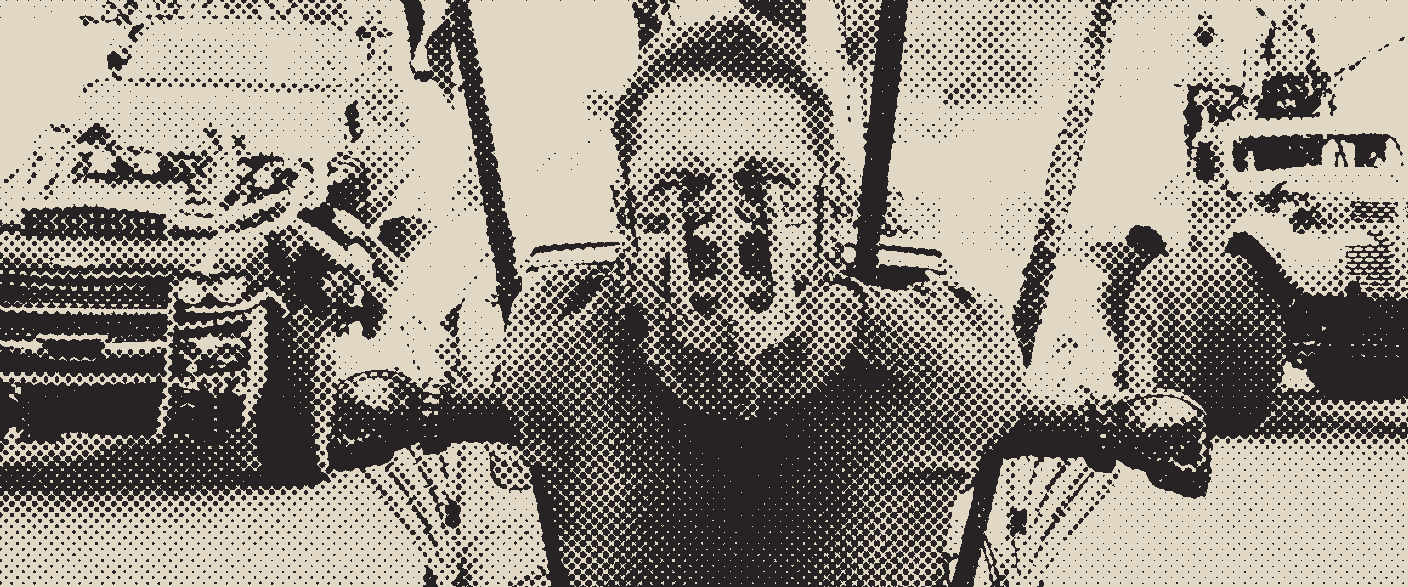
By the end of the film, Max does something the earlier version of himself would never have done: he risks himself for others without expecting anything in return. He doesn’t explain this choice. He doesn’t articulate a new belief. He simply acts.
The theme isn’t spoken. It’s embodied.
Survival alone is not freedom.
And Max proves that by behaving differently when it matters most.
That’s the arc.
The Change That Almost Counts
Most stories don’t fall flat because they ignore character change.
They fall flat because they stop just short of it.
There is a version of an arc that appears frequently: the character hesitates, reflects, almost makes the difficult choice — and then the moment passes. Something intervenes. Circumstances shift. The pressure eases. The story moves on.
On the surface, this can feel like progress. The character considered doing something different. They articulated the theme. They demonstrated awareness.
But awareness is not alignment.
This is often compounded by another, quieter problem: protagonists are written too clean at the beginning. Their early behavior never clearly violates the story’s theme. They tell small lies instead of consequential ones. They benefit quietly from injustice rather than participating in it. They hesitate, but never commit.
This isn’t a modern problem. Writers have been circling it for a long time. As Raymond Chandler once put it:
“Down these mean streets a man must go who is not himself mean, who is neither tarnished nor afraid.”
Chandler isn’t arguing for virtuous protagonists. He’s arguing against innocence. His point is structural: if a character isn’t already implicated in the world of the story, there’s nothing for the story to test — and nothing for the arc to reverse.
If a story wants to say something meaningful about honesty, the protagonist must live in a world where dishonesty is rewarded.
If a story wants to say something meaningful about racism, the protagonist must benefit from it — even if they’re uncomfortable doing so.
These aren’t moral judgments. They’re narrative pressures.
Theme requires contrast. And contrast only becomes visible when the story allows the character to succeed by violating its own underlying truth — long enough for that success to become a burden.
Without that distance, there is nothing concrete for the story to reverse.
When the Choice Is Made — And When It Isn’t
Great stories build toward a moment where the protagonist is forced to confront the story’s theme in action. The situation is familiar. The stakes are higher. The cost is real. And the character must decide whether to let go of the thing that once kept them safe.
Some stories allow the character to make that leap.
Others allow them to approach it — and openly refuse.
Structurally, these stories are doing the same thing. The difference lies not in the setup, but in the outcome of that final confrontation.
In some stories, the world opens when the character aligns with the theme.
In others, it closes when they refuse.
Both can be powerful. Both rely on the same underlying mechanism: a character placed under escalating pressure, asked to live THE theme through behavior rather than belief.
(If you want to explore how these two paths diverge structurally, the free PDF on Story Types breaks that distinction down in detail.)
The Question That Reveals the Arc
You don’t need elaborate terminology to start noticing this pattern.
One question tends to surface it more reliably than most:
What is the thing this character is unwilling to do at the beginning — that the story eventually demands of them?
If the story works, there will be a moment near the end where the character either does that thing… or proves they never will.
That moment is the arc.
Not the explanation leading up to it.
Not the emotion surrounding it.
The action itself.
Theme doesn’t become meaningful because it’s stated clearly.
It becomes meaningful when someone finally lives it — or refuses to.
That pattern shows up again and again in stories that last — regardless of genre, tone, or outcome.
Tale Spinning is a method that grows stories from theme and character outward. Every beat earned, every beat inevitable. Works whether you're writing your own, evaluating someone else's, or developing with a team, across screenplays, novels, comics, and stage plays.
Keep reading
February 1, 2026
A Practical Diagnostic: 5 Questions to Test Any Character Arc
Five questions to find where a character arc goes soft, tested on Legally Blonde, Mystic River and Nightcrawler. Start with what your protagonist won't do.
Read →
May 18, 2026
Your Character Arc Feels Forced Because You Started With the Plot
Most character arcs feel forced because the writer built the plot first and asked the character to fit. A look at why this fails, and how Groundhog Day and Edge of Tomorrow show the alternative: start with a Protagonist and a Bad Habit, build the Trifecta around it, let the plot follow.
Read →Every term used here is defined in the glossary.