Where the story starts, and where the main character's bad habit counts as common sense. The rat colony, where hiding from humans is how you stay alive.
Applies to
All Story Types
Home (Home World)
Definition
The region where the Protagonist begins the story. Home is where the Bad Habit is considered normal, logical, or necessary for survival. The King rules here, and the King’s Law is what everyone lives by. The Protagonist’s Ironic Talent is often unwelcome, dangerous, or simply irrelevant in the Home World — it has no place here yet.
Why This Term Matters
The Home World is not just an opening location — it is the source of the Habit. Whatever the Protagonist does wrong, they learned it here. The King taught it to them. Understanding the Home World means understanding why the Protagonist’s Habit made sense once, even if it no longer does. That understanding is what gives the story its moral complexity: the Habit is not stupidity or weakness. It was survival.
Key Properties
The Habit is rewarded or at least tolerated here
The Ironic Talent is suppressed, hidden, or treated as dangerous
The King holds authority and teaches the King’s Law
The Protagonist must leave (physically or psychologically) to enter the Strange World
The Home World often reappears in Sequence AA — the Protagonist is pulled back
In a Kind Comedy — Examples
Ratatouille: The rat colony in the countryside and sewer system. Stealing food, hiding from humans, scavenging — this is survival. Remy’s refined palate and culinary instincts are a liability here, not an asset.
In Bruges: The criminal underworld run by Harry. The code is the law. Blind obedience to orders is not just expected — it is the only moral framework available. Ken’s capacity for mercy and independent judgment has no place here.
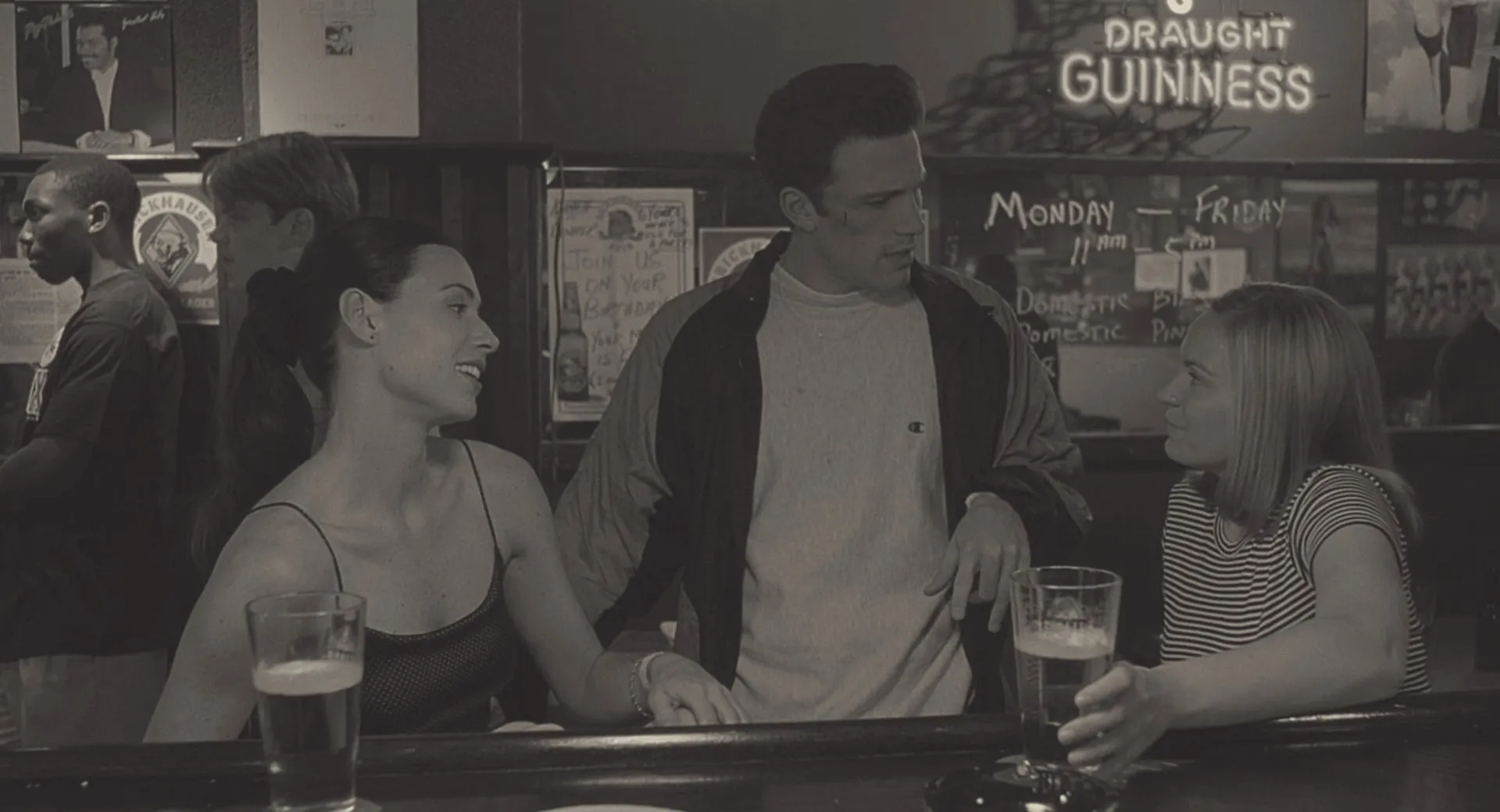
Good Will Hunting: Southie — the working-class neighbourhood in Boston. Loyalty to the neighbourhood, distrust of institutions, emotional self-protection. Will’s genius is something to hide, not display.
Most first act advice tells you what to include — introduce your protagonist, establish the world, end with an inciting incident. But none of it explains what the first act is actually for. This article argues that the first act has one job: to prove that the protagonist's Habit works. Using Good Will Hunting as a case study, it breaks down the two sequences of the first act, the Home World, the Archetype, the King and the King's Law — and shows how the best first acts plant a theme twist that doesn't detonate until the very end.