
What’s the plot?
It is the first question you ask anyone about their story. It is the question you ask yourself first when you sit down to outline. You sketch the world, the inciting incident, the midpoint, the climax. Then you go looking for a Protagonist who fits the events: someone with a flaw that explains why they hesitate at the right moments, some backstory that justifies the choices the plot needs them to make.
Sometimes it works. Often what comes back from the page is a story where the events are doing all the heavy lifting, and the character arc lands like a costume the Protagonist has been asked to wear.
The more consistent way to an arc that feels earned is to start somewhere else: with the Protagonist and a Bad Habit. Then devise the plot around forcing them to drop it. In a Comedy, they drop it and live happily ever after. In a Tragedy, they refuse, or are unable to drop it, and they die a tragic death.
When you build a story this way, the arc stops feeling forced. The plot grows out of the contradiction inside the Protagonist instead of being placed around it.
Groundhog Day Turns That Question Into a Plot
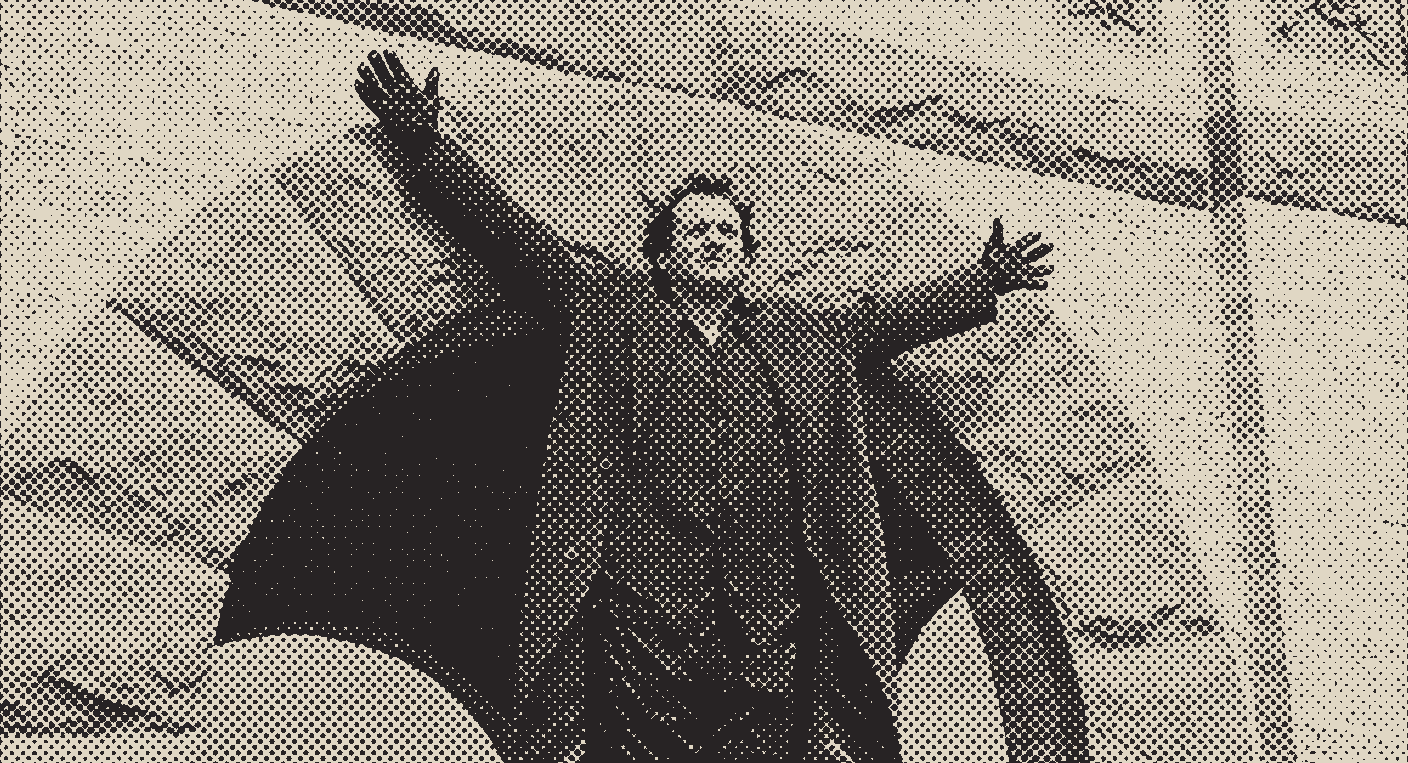
Consider Groundhog Day. Phil Connors is a Pittsburgh weatherman with a Bad Habit: self-interest at the expense of others. He treats his colleagues as obstacles, his assignment as beneath him, the townspeople as morons, and the woman who produces his segment as an audience to perform for. His Habit has worked. He has a career, a self-image, an above-it-all posture that protects him from anyone he might need to care about.
Then he gets stuck.
The loop is not a metaphor. It is the question made literal. Phil is going to drop the Habit or he is going to live the same miserable February 2nd forever. Those are the only two options the story offers him. Walking away is not on the menu. Killing himself does not work. Becoming better at the Habit (the part of the film where he uses his knowledge to manipulate people, seduce Nancy, rob the armored truck) only deepens the misery. Every alternative the plot tests gives the same answer: change or stay.
This is what a plot built around forcing a Habit to break looks like in its purest form. There is no subplot. There is no B-story. The entire film is the loop putting pressure on a single Habit until it breaks. By the time Phil reaches the suicide montage, the film has spent more than an hour proving that the Habit cannot solve the problem the Habit created.
The trick is that the Habit is what generates the plot, not the other way around. Once you have a Protagonist with a Bad Habit they cannot escape, you do not need to invent events to force the arc. The events are already there, waiting to be written down.
The Muse Is the Strength the Habit Denies
Tale Spinning calls this apparatus the Trifecta: a Protagonist with a Bad Habit, surrounded by a Muse who embodies the opposite Moral Strength and an Antagonist who embodies the same Bad Habit in its worst, more corrupted form. The Bad Habit and the Moral Strength are the two ends of a single internal axis inside the Protagonist. This is the contradiction the story is built to resolve. The Muse and the Antagonist pressurize that contradiction from opposite sides until the Protagonist can no longer hold both. We’ll take them one at a time, starting with the Muse.
The Muse embodies the Moral Strength fully and consistently. They are not on their way to it. They are not learning it as the story unfolds. They have it, and they have it without performance. It is who they are.
The Strength is specifically the opposite of the Protagonist’s Habit, not adjacent to it. This distinction matters. If the Habit is Scrooge’s greed, the Strength is not “kindness” or “good cheer” generally. It is generosity: actively giving away what you used to hoard. The Habit and the Strength are the two ends of one axis, not two unrelated qualities. If they are not on the same axis, the Protagonist cannot move from one to the other in a single arc, because the arc is the substitution of one operating philosophy for its opposite. Without an opposite, there is nothing to substitute.
The Muse’s structural job, then, is to make the Strength visibly available. The Protagonist looks at the Muse and sees what life on the other end of the axis actually looks like, in a real person, doing it without effort. That is what starts making the Habit look like a choice. The Muse is the proof that the alternative exists.
The Muse in Groundhog Day
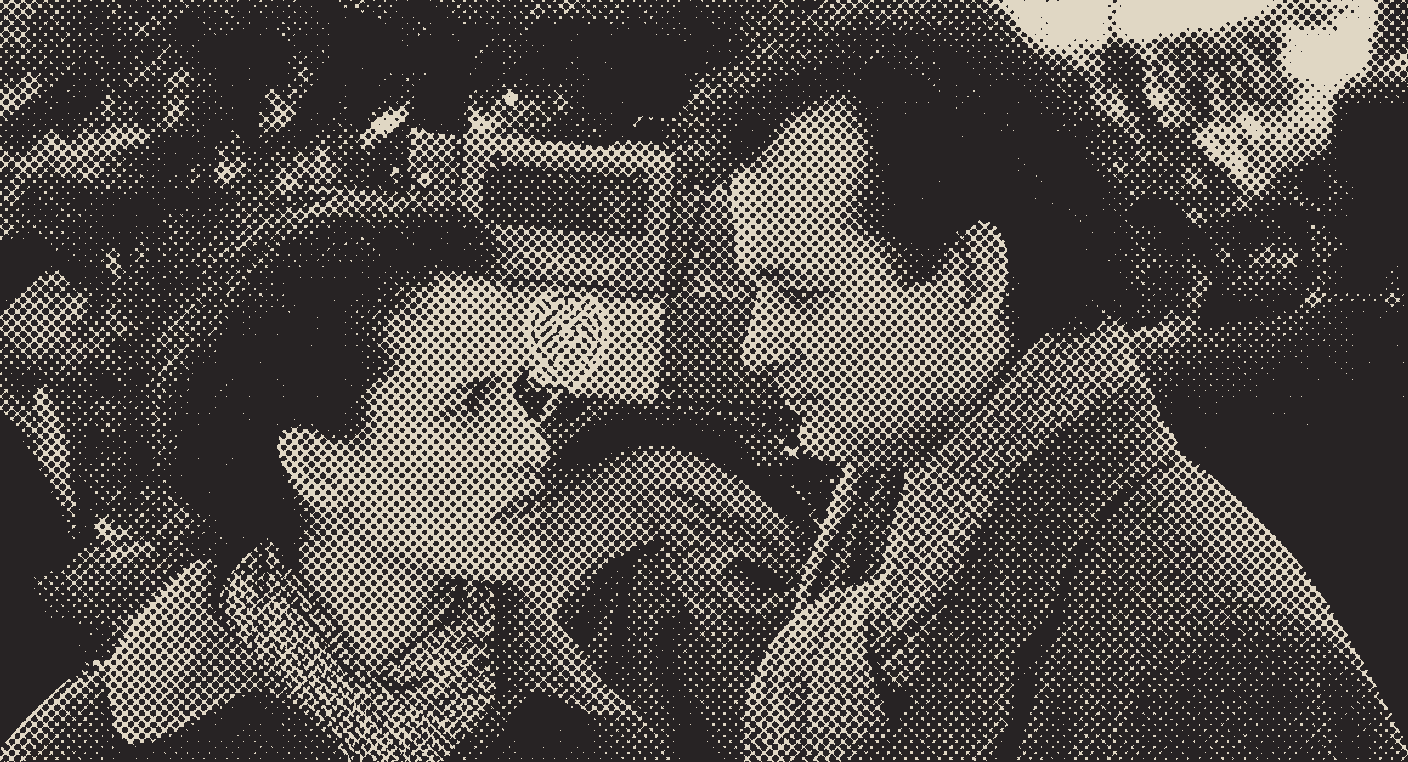
Rita is the Muse. She finds people interesting. She loves the small-town stuff Phil despises. She is unselfconsciously present for whoever is in front of her, including Phil at his worst. She is not performing this. It is who she is. Her Moral Strength is the precise opposite of Phil’s Bad Habit: she gives her attention to whoever is in front of her, where Phil gives his to himself.
The film establishes both Habit and Strength in its first ten minutes. Phil says “people are morons” out loud. Rita responds to everything around her with curiosity and warmth, including to Phil, even after he has been visibly dismissive of almost everything she stands for. The two ends of the contradiction are visible before the loop even begins.
Then the loop hits, and the first half of the film is the loop putting pressure on the Habit while Rita stands as the Strength Phil cannot pretend not to want.
Phil tries every move the Habit has. He uses his knowledge of past loops to seduce other women, who are easier than Rita. He says Rita’s name during one of those encounters, then drops the women and goes after Rita directly. He gathers her preferences across multiple loops, learning her drink, her favorite poetry, her opinions, the things that delight her. Then he assembles them into a single February 2nd built to win her over.
Phil constructs the perfect day. He recites the poetry. He orchestrates the snowball fight. He gets the dance. He gets the kiss. Then he tells her he loves her, and she sees through the entire performance.
She does not see through him because she catches a specific lie. She sees through him because the Strength is something the Habit can imitate but cannot produce. Phil has been performing love: gathering data, optimizing his approach, treating her as a problem to be solved. Rita sees exactly that. The slap that follows, repeated across loops in the slap montage, is the Muse doing what a Muse does. She rejects what Phil has offered because what Phil has offered is the Habit wearing the costume of the Strength.
This is the moment the contradiction becomes intolerable. Phil wants Rita. The Habit cannot get Rita. And nothing in the film is forcing him to try anything different yet. The Habit’s failure produces only despair. The film follows him into the suicide montage.
The Antagonist Is the Habit at Its Worst
The Antagonist mirrors the Muse on the other side of the contradiction. Where the Muse embodies the Moral Strength fully, the Antagonist embodies the same Bad Habit fully, in its most corrupted form. They are the Protagonist’s Habit pushed to where the Protagonist would end up if nothing intervened.
“Worst, more corrupted form” can take different shapes. The Antagonist may have merged with the Habit so completely that there is no inner life outside it. They may have more institutional power to deploy it. They may have chosen the Habit consciously, where the Protagonist only fell into it. The specific corruption varies. The function is constant: the Antagonist shows the audience, and eventually the Protagonist, what the Habit looks like when it has won.
This is half of the Antagonist’s structural job. The other half is the one that makes the difference between a setup that pays off and a setup that wanders.
The Antagonist puts the Muse in danger.
This is the forcing function. The Protagonist wants the Muse. The Habit cannot get the Muse. But the Habit’s failure to get the Muse produces only despair, not change. What forces the change is when the Muse is about to be lost or harmed and the Habit cannot save her either. The Protagonist has to deploy the Strength because the Strength is the only thing that can. The Strength stops being a cost the Protagonist resists paying and becomes the only available way through.
This is the structural beat at the heart of a working Comedy. The Muse is in danger. The Habit cannot help. The Protagonist deploys the Strength and saves the Muse.
Aladdin runs the beat clean. Jafar takes Jasmine. The Habit Aladdin has been using, pretending to be Prince Ali, cannot save her. Only honesty can. The climax is Aladdin deploying his actual self because his fake self has nothing left to offer.
The Strength has been earned not by realization but by the only event that produces real change in a character: an emergency the old way could not have handled.
In Star Wars, Luke saves Leia by trusting the Force. In Legally Blonde, Elle saves Brooke by dropping the performance. In In Bruges, Ken saves Ray by no longer following the rules. The pattern recurs across Comedies everywhere. It is essential to working Comedy structure.
Groundhog Day builds the setup with extraordinary precision. The forcing function is where it stops short.
Where Is Groundhog Day’s Antagonist?
It is the wrong question to ask of the film as a viewing experience. Groundhog Day mostly works, it is fun, almost everybody loves it, and the second half is full of memorable scenes. It is the right question to ask structurally. Groundhog Day does not have an Antagonist who can do both halves of the Antagonist’s job. It has a candidate who does one of them.
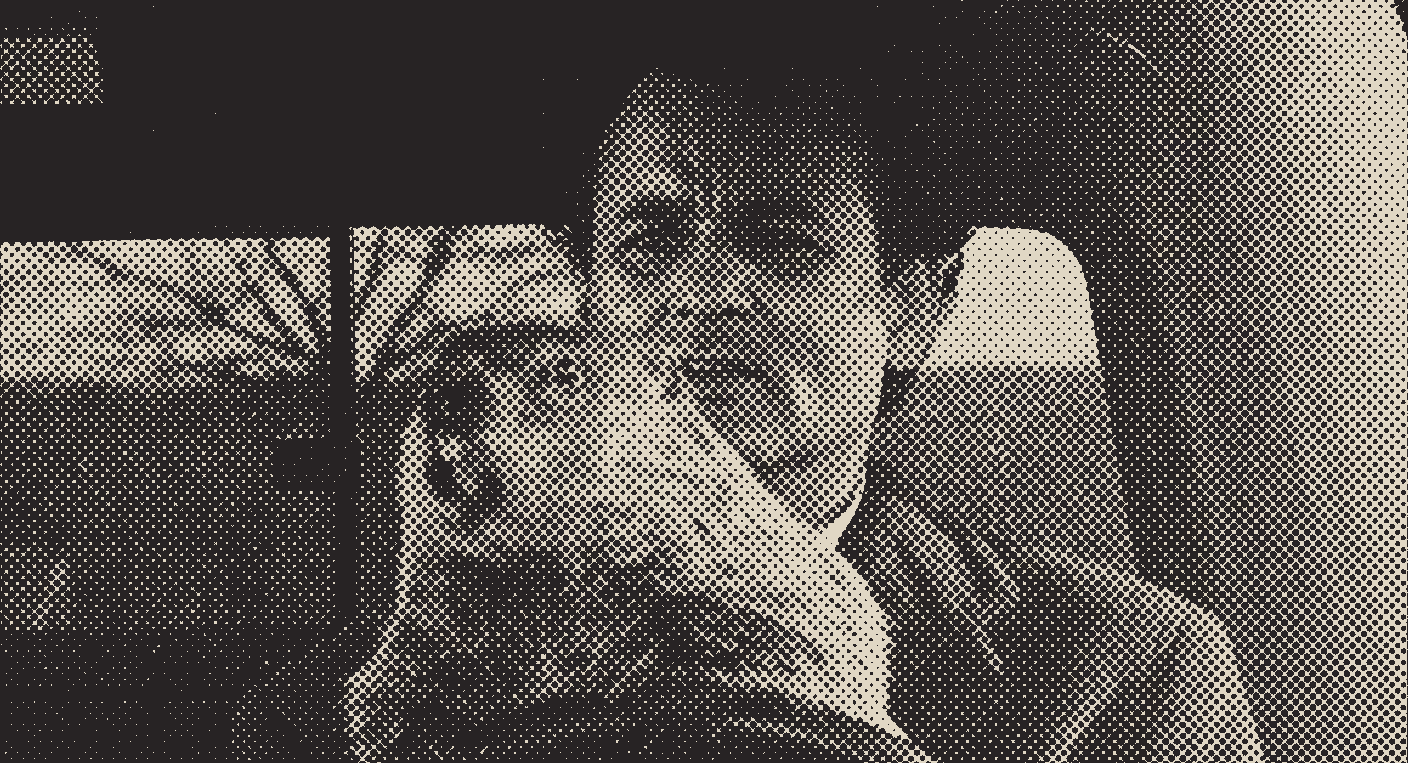
The candidate is Phil the Groundhog. The name-sharing is the structural signal. Phil-the-Groundhog is what Phil-the-weatherman is in danger of becoming: a celebrated nothing with no inner life, contempt rendered as pure spectacle, a famous face wheeled out for an audience that does not really know him. He is the literal cause of the gathering Phil-the-weatherman despises. He is at least as cynical; predicting an endless winter. An hour into the film, Phil kidnaps the Groundhog and drives him off a cliff. The scene becomes legible when you read the Groundhog as Antagonist: Phil is trying to destroy his Antagonist but discovers that the loop cannot be escaped by eliminating his enemy. He just returns on the next loop.
That is the first half of the job. The Antagonist embodies the Bad Habit at its worst, more corrupted form. Phil-the-Groundhog does that, vividly.
But Phil-the-Groundhog cannot do the second half. He is a symbol, not an agent. He does not do anything to Phil after the midpoint. He cannot put Rita in danger. He cannot take her away. He cannot escalate. He embodies, but he does not act. And the acting half is the one that makes a Comedy resolve.
This is why the second half of Groundhog Day feels different from its first, even when viewers cannot name why. In a working Comedy, the second half is the Antagonist applying pressure. The Protagonist tries the Habit one more time, gets a false victory that pushes the Muse away, then has to act when the Antagonist threatens her. Groundhog Day has none of this. The Muse already saw through Phil right after the midpoint, in the slap montage. There is no Antagonist to push back against. There is nothing for Phil to react to. The film is left with one option: Phil decides, on his own, to be different.
He decides this slowly, over many loops. The film fills the time with piano lessons, ice sculpting, the bachelor auction. The loop itself, over-functioning where the Antagonist should be, eventually grinds Phil into the kind of person who can love Rita. It works. The film is moving. But the change is self-generated rather than externally forced, and self-generated change always feels less inevitable than the kind that is wrung from a Protagonist who had no other choice.
Some of this is visible in the film’s production history. Danny Rubin’s original script was more cynical and philosophical than what reached the screen. The original ending made a dark turn: when Phil wakes up on February 3rd with Rita beside him in bed, we learn that February 3rd is Rita’s Groundhog Day. She is the one in the loop now. The studio and the director pulled the film toward broader comedy. The ending was changed, and other structural beats went with the rewrite.
In an earlier draft, after the ending had already been changed, Rita witnessed Phil save a child, save a dog, save a hospital patient, and entertain sick kids. The released film replaced these scenes with the piano performance and the bachelor auction. Rita falls for Phil at the end because he has become impressive: cultured, charitable in public, attractive on a stage. The cut scenes would have had her falling for him because he had become the kind of person who quietly cared. Recognition of the Strength was replaced with recognition of his talents. His performative love in the second half is not that different from that in the first half. This is because Rita was never really in danger. Phil could just try- and try again, without risking anything.
One more beat is worth naming. When Rita sees through Phil’s perfect day in the slap montage, what she sees is the Habit wearing the costume of the Strength. Phil is performing love because performance is what the Habit can do. The Muse rejects the performance because the Muse is positioned to register precisely the difference between performed care and real care. The beat is sharp, but it lands just after the midpoint, which is part of why the second half cannot do what a second half should: the Muse-rejection arrives before any forcing event, so it produces despair instead of action.
Which raises an obvious question: what does the same setup look like when the Antagonist can act?
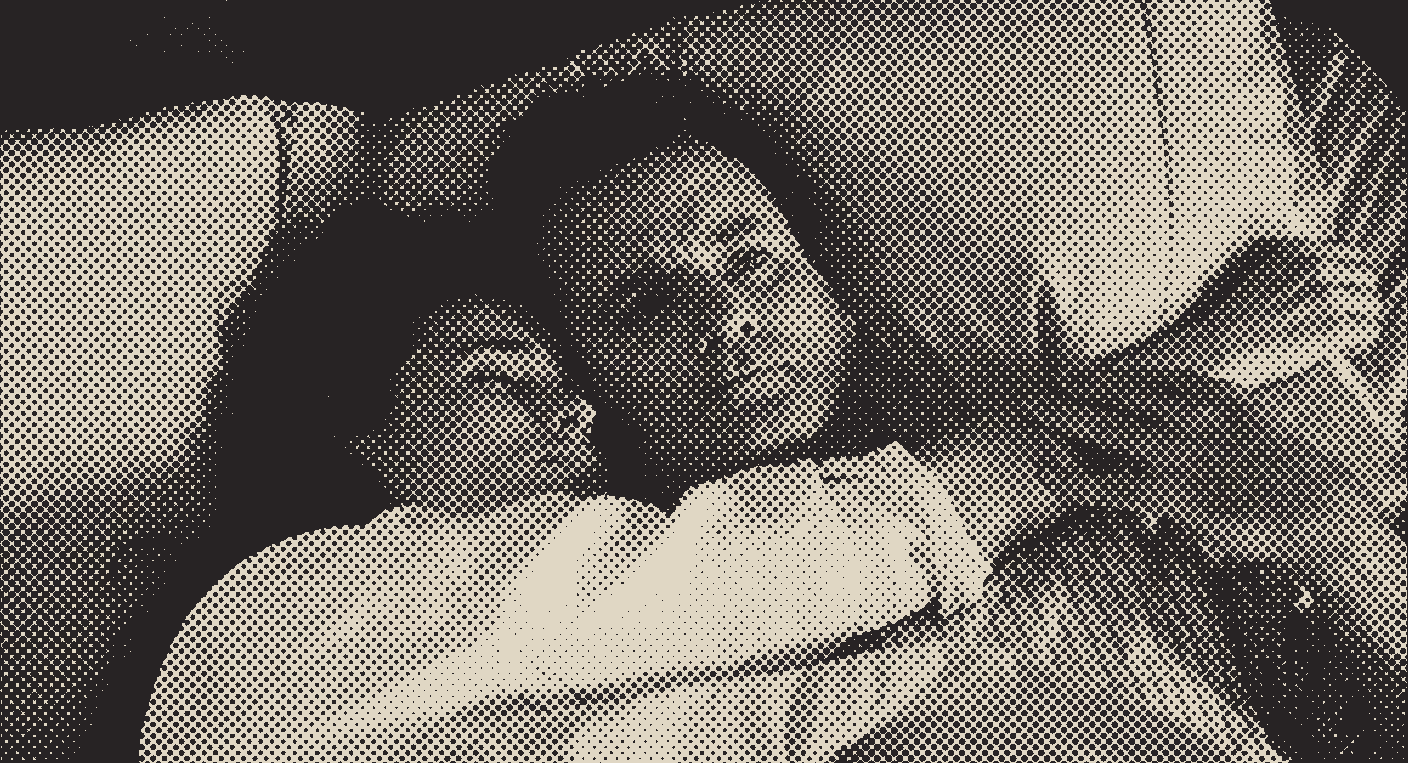
Same Story, Different Film
Edge of Tomorrow answers it. Doug Liman’s 2014 film is adapted from Hiroshi Sakurazaka’s 2004 light novel All You Need Is Kill. Most viewers describe it as Groundhog Day with a war in it, and that is roughly accurate. The resonance does not need to be argued.
What is worth noticing is the homage buried in the name. In the novel, the woman who teaches the protagonist how to use the loop is called Rita Vrataski. A Japanese science fiction novelist writing a time-loop story in 2004 did not pick that name by accident. Groundhog Day was the reference point for time-loop fiction by then. Sakurazaka knew exactly which film he was building on. The screen adaptation kept the name.
That is the cinephile breadcrumb. The structural point is bigger: the screenwriters of two films thirty years apart wrote essentially the same Comedy. The contradiction is the same. The Muse is the same. The Antagonist is the half that differs, and the difference is everything.
Edge of Tomorrow: Same Setup, Real Antagonist
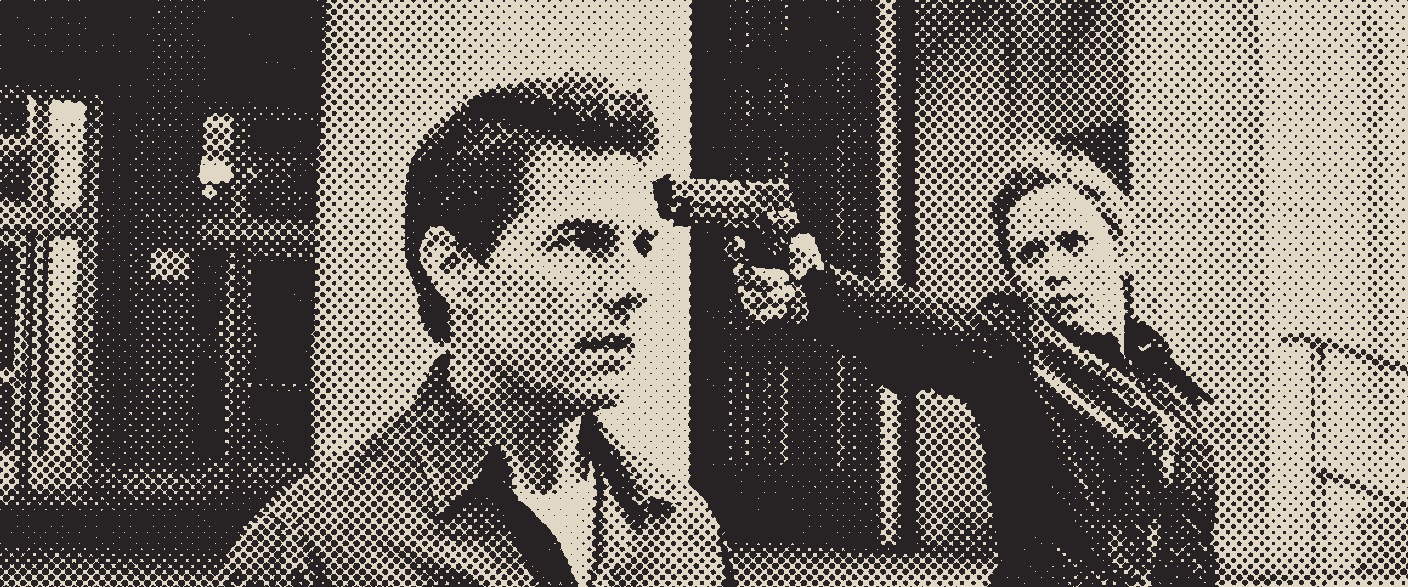
Cage is the Protagonist. He is a PR officer who has never seen combat. His Bad Habit is self-interest at the expense of others, the same Habit Phil has, scaled up to wartime stakes. The film opens with Cage trying to blackmail his way out of being dropped on the beach with the first wave. He is the kind of man for whom other people’s lives are expendable.
Rita Vrataski is the Muse. She is the Angel of Verdun, a combat veteran whose face is on the recruitment posters because she single-handedly survived an earlier battle the way a soldier in this war never does. The Moral Strength she embodies is the precise opposite of Cage’s Habit: some things are worth dying for, and other people’s lives are not yours to spend. She has it without performance. It is who she is.
The Antagonist is the Mimic hive, with the Omega at its center. The hive functions as a single distributed organism whose entire war strategy is the preservation of itself at all costs. It is Cage’s Habit pushed to species scale, with agency and an army. It also gives Cage the loop. The blood of an Alpha Mimic, splashed on Cage in his first death, hands him the same time-reset capacity the Omega itself uses to win wars. The Antagonist creates the diagnostic apparatus by which Cage will eventually undo it.
The setup is Groundhog Day’s. A Protagonist who cannot escape, a Muse he cannot reach with the Habit, a loop that resets the day. The structural difference is that the Antagonist is doing the work the Antagonist is supposed to do. The Mimics kill Cage repeatedly. They kill Rita repeatedly. Every loop is the Antagonist actively threatening the Muse. The forcing function is built into the premise itself.
This is what makes the second half work. The loop in Groundhog Day makes death weightless. The loop in Edge of Tomorrow lets the Antagonist deal death repeatedly, until the weight accumulates. The audience watches Cage die and Rita die over and over, and the deaths become real. The Antagonist makes them real, by being something other than a symbol.
How Edge of Tomorrow Forces the Change
The first half of Edge of Tomorrow runs the same shape Groundhog Day did. Cage tries the Habit. The Habit fails. He dies. He wakes up. He tries again. He learns. He gets better at the loop. He gets closer to Rita. But the second half is where the structural difference comes alive.
In Groundhog Day, the second half is Phil deciding, alone, to be different. In Edge of Tomorrow, the second half is the Antagonist actively making change the only available move.
Cage and Rita locate the Omega. They train. They plan. They get closer. Each loop, the Antagonist kills Rita and forces Cage to restart. The Mimics are doing exactly what Phil-the-Groundhog could not do: pressing on the Protagonist with active threats to the Muse, scene after scene. The Habit cannot help, because the Habit was always “save myself.” Cage is now restarting loops to save her. The Strength has already begun replacing the Habit, not because Cage decided to grow but because the only way to keep Rita alive is to deploy a version of himself that does not exist yet.
Then the plot takes the loop.
Cage is injured after locating the Omega. He receives a blood transfusion in the field. The transfusion strips out the Alpha blood that gave him the reset capacity. He cannot loop anymore. If Rita dies now, she dies. If he dies, he dies. The audience knows this. Cage knows this. Rita knows this.
Tale Spinning calls the lost ability the Genie: the quality, ability, or object that draws the Muse and conceals the Habit. The respawn capacity is Cage’s Genie. It draws Rita because she needs someone who can loop with her, who can carry forward what she had figured out before her own loop ended. It conceals the Habit because as long as Cage can die without consequence, his bravery can be performed without being earned. He can attempt heroism with an undo button in his back pocket.
The Antagonist takes that away. What gets taken is not just the plot device. It is the thing that let Cage keep being a coward while looking like a hero. With the Genie gone, Cage has to attack the Omega without the safety net. He has to be brave because there is no other way to save Rita, and there is no fallback.
He goes anyway. He leads the J-Squad into the Louvre, knowing it is the only attempt that gets made. The deployment of the Strength is public, witnessed by Rita and by the squad that gets him to the Omega. Cage becomes the kind of man Rita already was. The mission, not the self. Other people’s lives are not his to spend.
The arc does not feel forced because Cage is not forcing it. The film is. The Antagonist’s attacks, the loss of the Genie, the death of the squad, the impossibility of any other way to save Rita: every beat is the contradiction converting into the only available move. The Strength comes not from realization but from the plot leaving Cage nothing else.
The Habit’s Last Costume
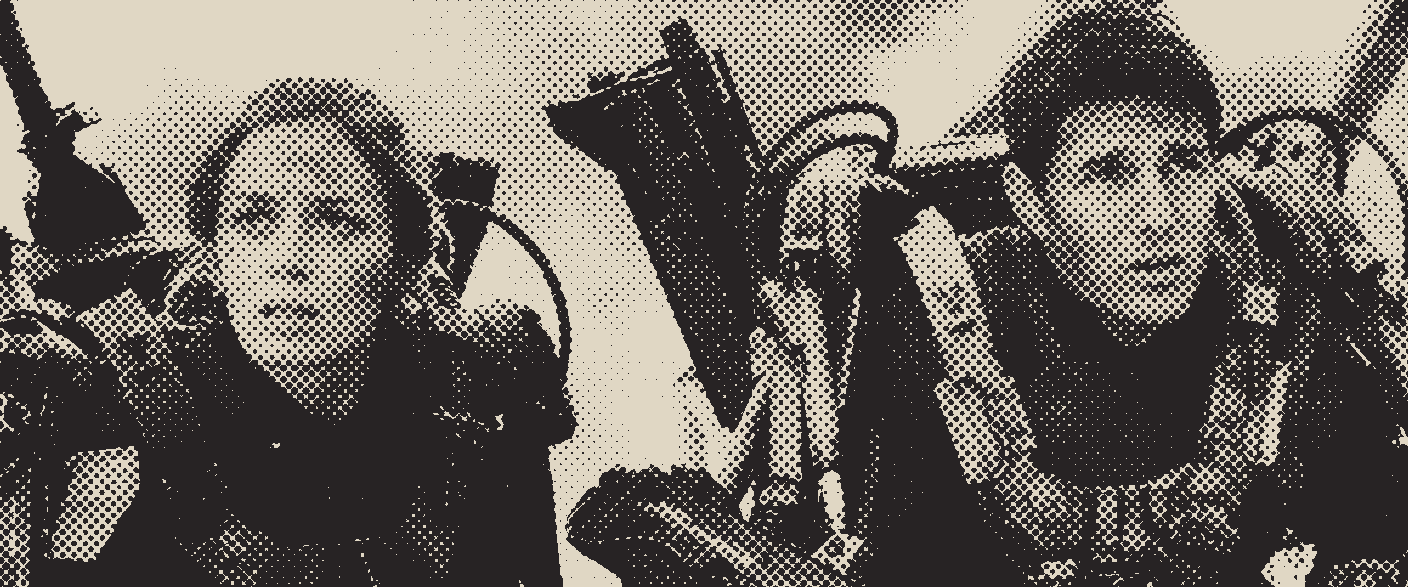
Even when the contradiction has been pressurized to the point of resolution, the Habit gets one more attempt. Near the end of Edge of Tomorrow, with the J-Squad dead around them and an Alpha Mimic between them and the Omega, Cage offers to draw the Alpha away so Rita can get to the Omega and finish the mission. She gets the kill. She maybe even gets out alive. He frames the offer as the most generous thing he can give her.
It is the Habit wearing the costume of the Strength. The offer sounds like selflessness: Cage gives Rita the survival, gives her the heroism, gives her the win. But Cage is injured. He cannot outrun the Alpha and they both know it. What he is actually offering is suicide framed as a gift. The framing is what matters. Cage gets to be the noble one, the one who chose to die for her. Rita is positioned as the recipient of the gesture. The mission has been quietly converted from a thing they do together into a stage on which Cage can perform a final sacrifice. It’s his last bit of self-importance peeking through.
Rita squashes it. Nobody is getting out of this alive. She kisses him and refuses the framing, sprints into the open herself, and draws the Alpha away. She dies in the process. Cage, limping, reaches the Omega and kills it. They both deploy the Strength, and they deploy it in the only way the moment allows: by paying the cost together. The mission was always worth their lives. Rita’s refusal is the Muse rejecting the Habit’s last gesture.
The beat is the same one Groundhog Day runs at midpoint. When Rita sees through Phil’s perfect day, what she sees is the Habit performing love. When Rita sees through Cage’s noble-sacrifice offer, what she sees is the Habit performing nobility. Same move, different costume. The Muse is the character positioned to register the difference between performed care and real care, between performed bravery and real bravery, between the Habit wearing the Strength as a costume and the Strength deployed because there is no other option left.
Groundhog Day places this beat at midpoint, which is part of why its second half cannot do what a second half should. Edge of Tomorrow places this beat at the climax, where the stakes are at their highest and the Muse-rejection becomes the final pressure that converts the Strength into the Protagonist’s actual operating philosophy.
It is worth watching for in your own work. The Habit’s last hiding place is the costume of the Strength it is being replaced by. Near resolution, the Protagonist will often reach for one more move that looks like growth but is the old self in better clothing. If your Muse can credibly squash it, you have a Muse. If not, you have a love interest.
What This Means For Your Story
If your character arc feels forced, the reason is usually not in the arc. It is in the order you built things. The plot came first, and the Protagonist was asked to fit it. Reverse the order, and the arc starts to do its own work.
Start with the Protagonist and a Bad Habit they cannot walk away from. Build the Trifecta around it. Devise the plot from the contradiction this apparatus generates. The plot will not feel arbitrary because it cannot be arbitrary: every beat will be the contradiction looking for its only available resolution.
Four things, in particular, are worth holding onto.
Build the Trifecta first; the plot follows. Before sketching a single scene, name the Protagonist’s Bad Habit, the Muse’s Moral Strength (the precise opposite of the Habit, not adjacent), and the Antagonist’s Bad Habit (the same Habit, in its worst, more corrupted form). If any of the three is mushy, the contradiction will not produce plot.
The contradiction has to be constitutive, not situational. The Protagonist cannot solve the problem by walking away. Phil cannot leave Punxsutawney. Cage cannot quit the war. Aladdin cannot un-meet Jasmine. If your Protagonist could solve their problem by getting on a bus, you do not have a Trifecta yet.
Your Antagonist has to act, not just exist. The first half of the Antagonist’s job is to embody the Bad Habit at its worst. The second half is to put the Muse in danger. A symbolic Antagonist who only embodies and never acts produces a self-generated, less-inevitable resolution. A working Antagonist takes the Muse, or takes the Genie, or both, and the Protagonist deploys the Strength because there is no other available move.
Watch for the Habit’s last costume. Near the resolution, the Protagonist will reach for a move that looks like the Strength but is actually the old self in better clothing: noble sacrifice, public generosity, performed love. The Muse’s final job is to register the difference and reject the costume. If your Muse cannot credibly do this, the resolution will land soft.
The shorthand for all four: start with a Protagonist with a Bad Habit, and use the plot to force them to drop it or die. The arc will not feel forced because the plot will not have been built around it. The plot will have built it.
Tale Spinning is a method that grows stories from theme and character outward. Every beat earned, every beat inevitable. Works whether you're writing your own, evaluating someone else's, or developing with a team, across screenplays, novels, comics, and stage plays.
Keep reading
February 1, 2026
A Practical Diagnostic: 5 Questions to Test Any Character Arc
Five questions to find where a character arc goes soft, tested on Legally Blonde, Mystic River and Nightcrawler. Start with what your protagonist won't do.
Read →
May 9, 2026
Why Most Characters Don't Need a Character Arc
Every writing class says the same thing: all characters need arcs. Your protagonist needs an arc. Your antagonist needs an arc. Your sidekick needs an arc. This is bad- and impossible advice, and most characters in good stories do not have one. A look at what a character arc actually is, who has one, and why most of your supporting cast should stay still.
Read →Every term used here is defined in the glossary.