
What Should Happen in the Second Act of a Story
Most writing guides have something specific to say about the first act. Introduce the protagonist, establish the world, end on an inciting incident. It is a list, and a list is at least something you can hold your pages against.
Ask those same guides about the second act and the advice goes soft. Raise the stakes. Complicate things. Put your character up a tree and throw rocks at them. Make it harder.
That last one is the instinct that produces the sag.
Because obstacles are not pressure. Obstacles are events. You can pile them up for sixty pages and produce nothing but a reader checking how much is left, because difficulty on its own carries no dread. Something can go wrong every ten pages and the middle will still feel like waiting.
The second act is not where things get worse for your protagonist.
It is where things get better.
The Second Act Has One Job
The first act exists to prove the protagonist’s Habit works. Not to introduce it. To prove it, so completely that the audience accepts the Bad Habit as a reasonable way to move through the world.
The second act collects on that proof.
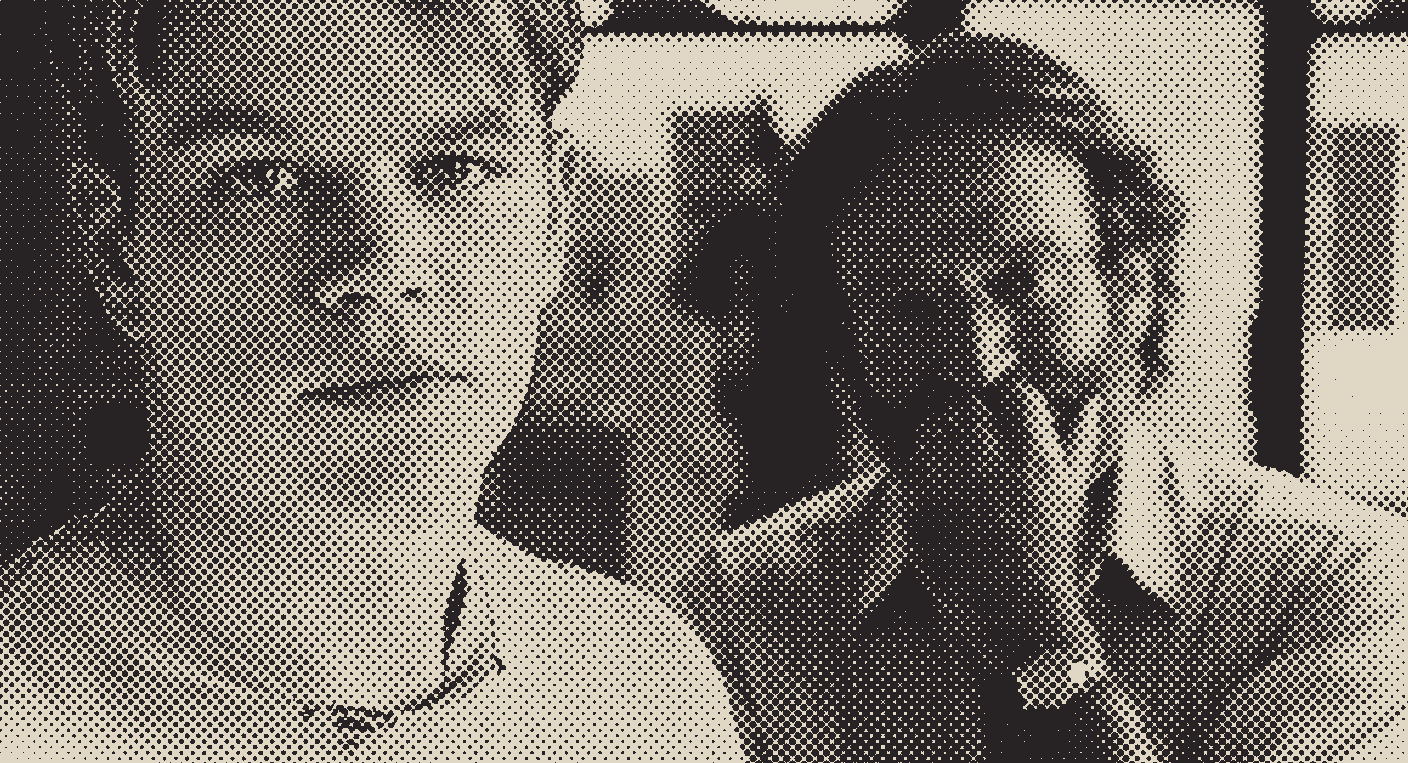
It is where the Habit stops merely making sense and starts paying. Where the worst part of your protagonist wins them something they actually wanted, in front of the one person capable of feeling the lie. That is the source of the dread a middle is supposed to carry, and it is not difficulty. It is complicity. The audience watches someone get what they want by being who they should not be, and the wanting is real, and the getting is real, and nobody in the scene knows anything is wrong.
Which is why the middle does not build toward a low point. It builds toward a win: the False Victory at the exact centre of the story, where the protagonist takes the prize and the audience can already see it is poison.
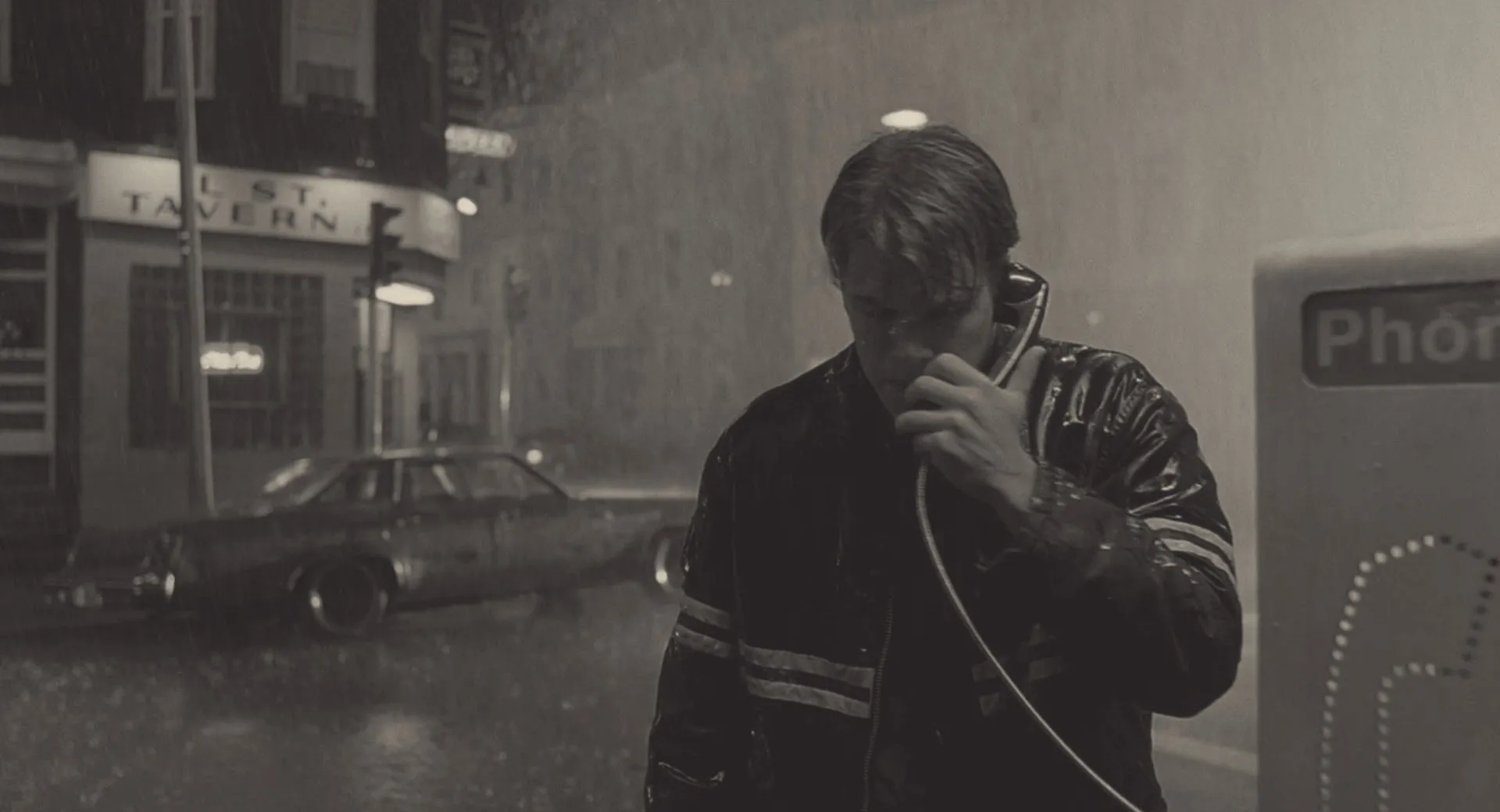
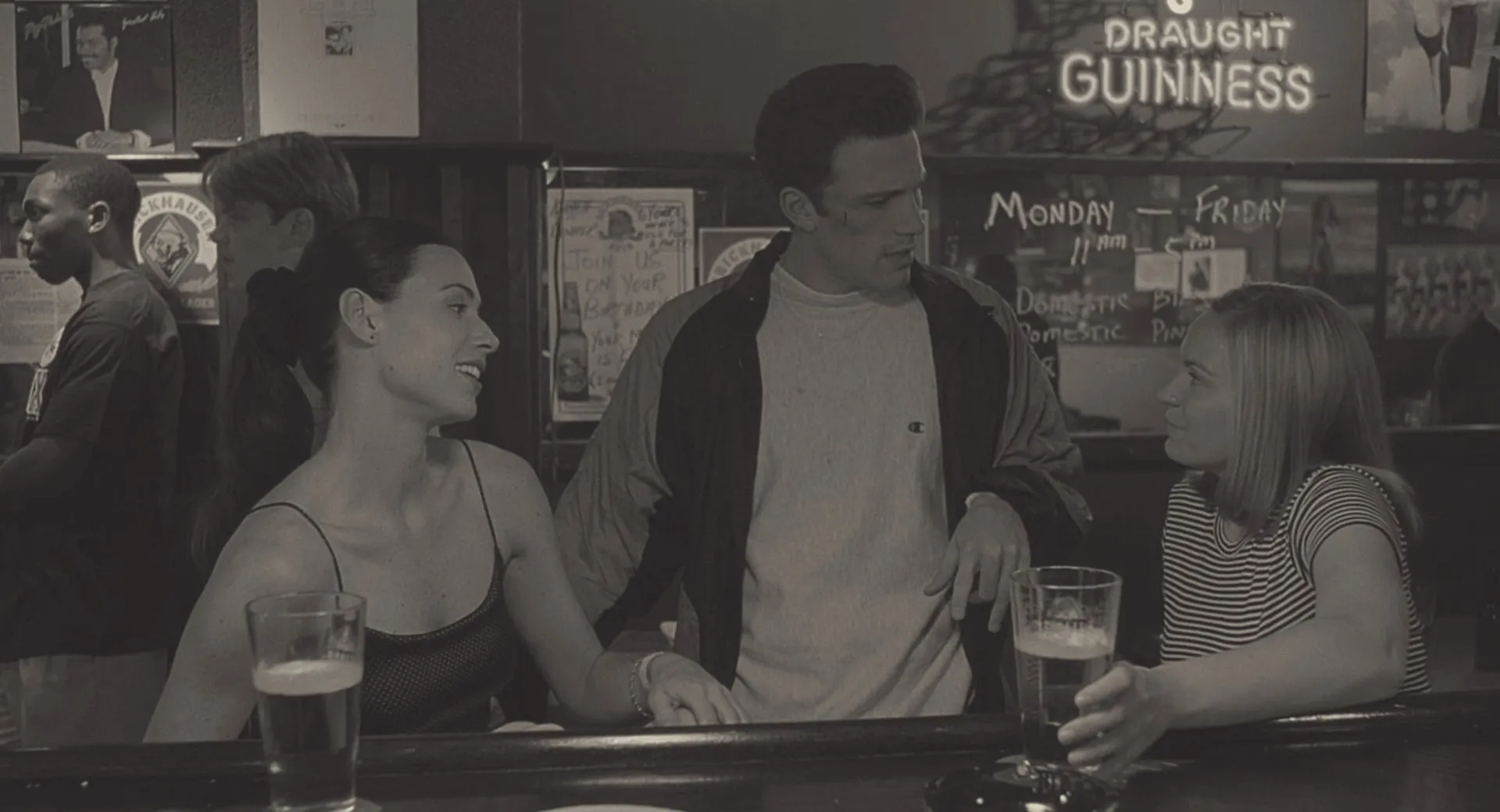
Good Will Hunting runs this so cleanly it could be a diagram. Its first act ends with Sean Maguire, the therapist who refuses to be dismantled. Everything after that is Will winning.
The First Move That Is Actually His
For the whole first act Will has been reacting. The talent got him caught, the arrest got him a court deal, and the court deal got him into a chair opposite a therapist he did not choose. None of that is a decision. It is a series of things happening to a man who is very good at absorbing them.
A middle drags for as long as this continues. A protagonist being pushed generates no momentum, because momentum is a property of wanting, not of being moved.
So the second act opens by manufacturing a want.
Sean gets in first. On the bench he tells Will he is just a kid who does not have the faintest idea what he is talking about, and it lands. Not as a rebuke. As the first accurate description of Will that anyone has managed. Then he puts the weight back where it belongs: your move, chief.
Will does not move.
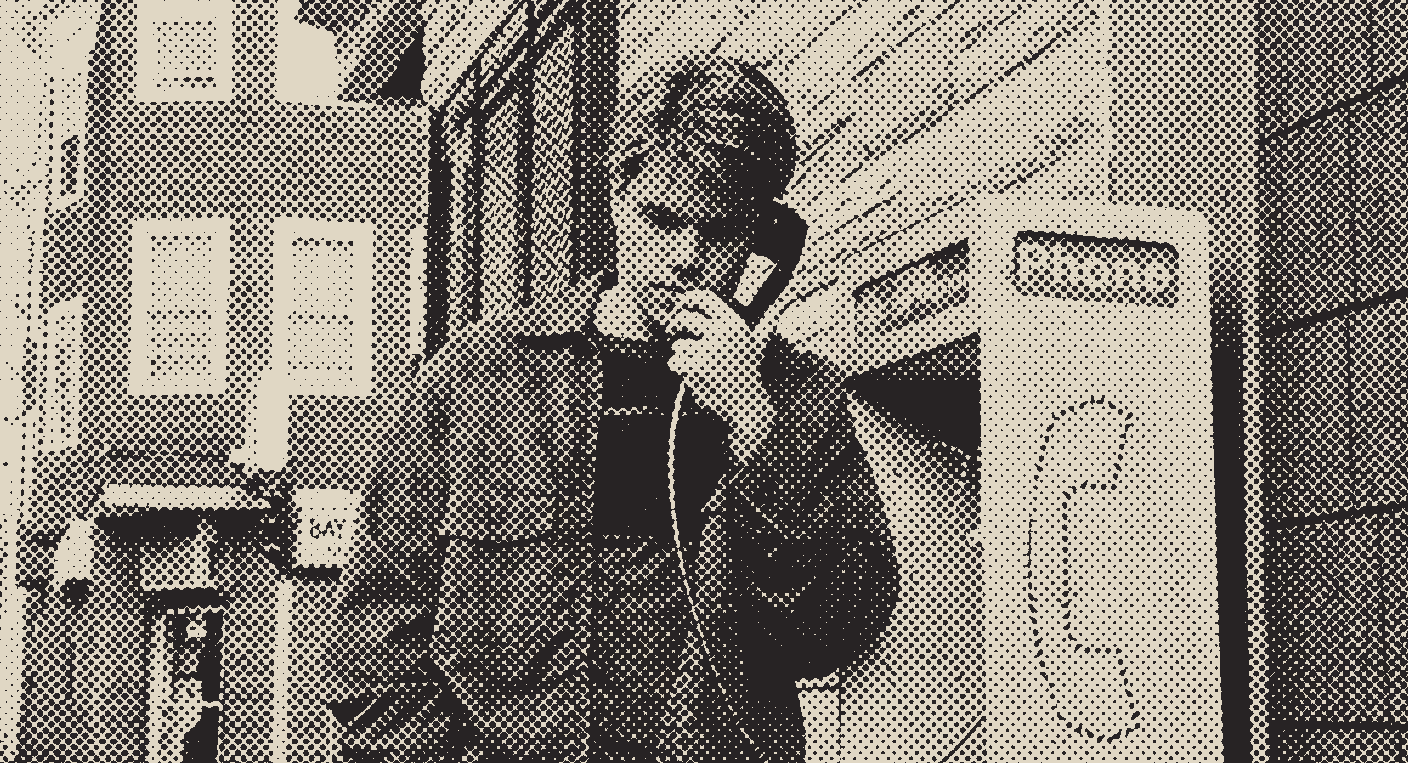
He picks up the phone to call Skylar and cannot get a sentence out of himself. He sits across from Sean in silence and lets the session run out. He finds a mathematician to take apart in front of an audience, because that still works and costs him nothing.
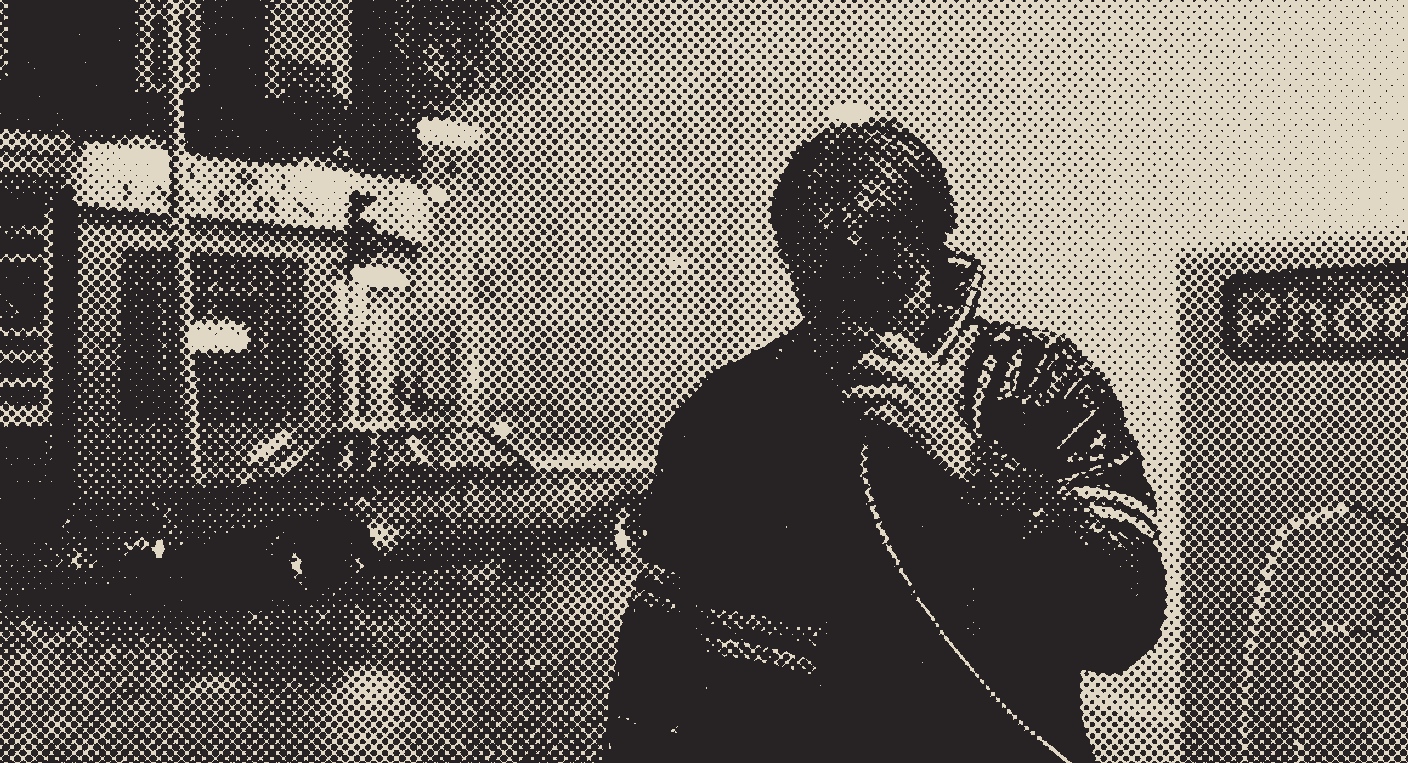
Then Sean names it. Playing it this safe, he tells Will, is a very efficient way of never having to put yourself out there at all.
Watch what Will does with that. He takes it. You can see him take it. And because the Habit will not let him say so, he turns the same sentence around and fires it back: that’s a super philosophy, Sean, that way you get to go through your whole life without ever really knowing anybody. It is cruel, it is accurate, and it is devastating precisely because Will’s Talent has always been reading people rather than numbers.
It is also the only form of agreement available to him.
And then he goes to find her anyway, and asks her out, plainly, with nothing to hide behind.
That is the Transition Scene that opens the real story, and what makes it one is not that it is dramatic. It is that the offer is honest, and honest is the precise thing the Habit exists to prevent. Sean nudged. The move is Will’s.
It also names the prize. Skylar is the McGuffin of this film: not a woman to be won, but a whole life held out at arm’s length. The Strange World has finally shown Will something in it he wants for himself.
Then the Honest Move Fails
Here is the four minutes of screen time that the rest of this article is really about.
Will asks Skylar out. She cannot come. She has homework.
So he does her homework for her, and she comes out.
Stop on that, because the film has just run a controlled experiment on its own protagonist. The honest approach, the one that cost him something to make, was refused. The Habit approach that he followed up with worked immediately. Will reaches for the thing he has always reached for, deploys the Ironic Talent transactionally so that nobody has to know him in order to want him, and the world hands over the prize.
That is the second act in miniature, and it is the answer to what should happen in yours.
Not: things get harder. Instead: The wrong thing starts working.
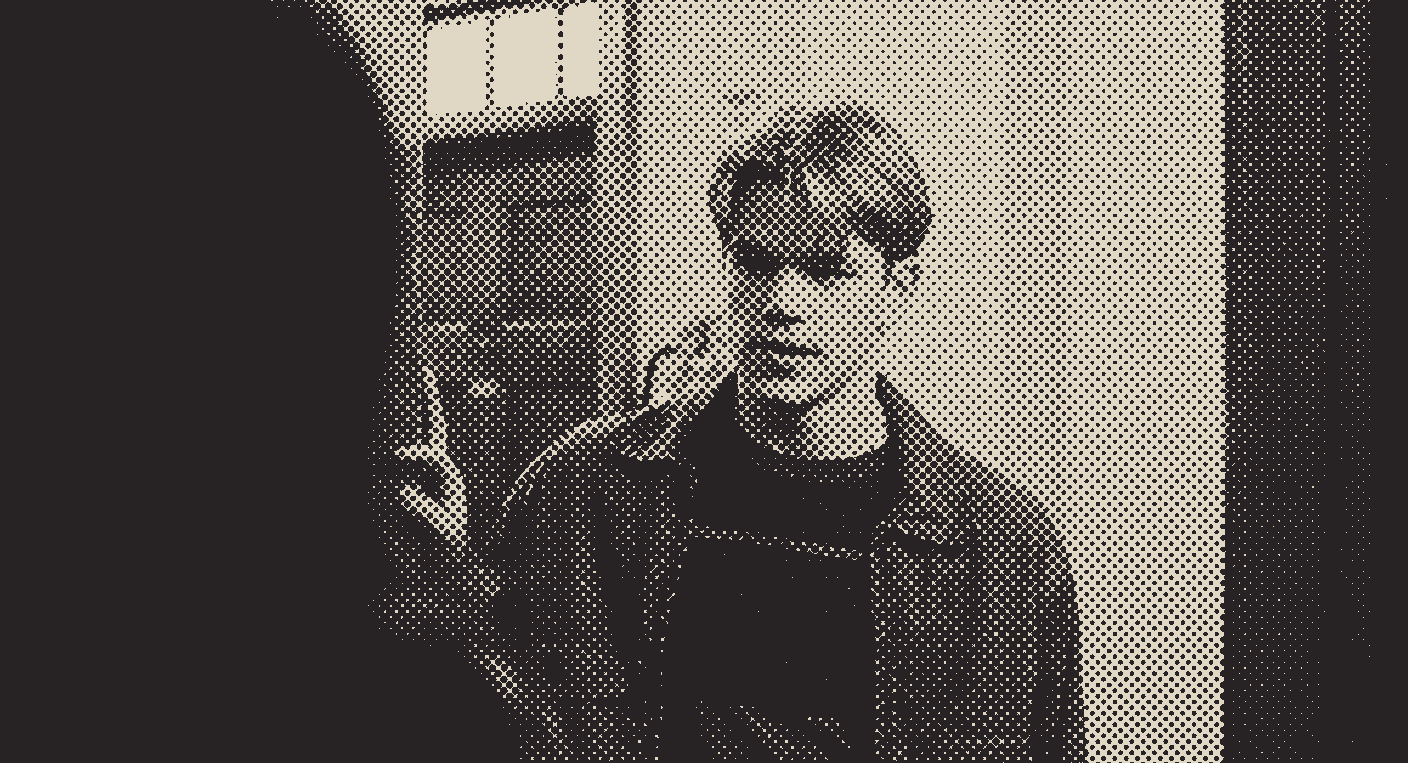
Every middle that drags is missing this. The writer has been making the protagonist struggle, when what the middle needs is for the protagonist to succeed, by exactly the means the story intends to take away from them. A reader will sit through a great deal of difficulty with mild interest. They cannot look away from someone winning wrong.
Nobody Is Fighting Him for Her
The Antagonist of this film never once competes for the prize, and it is worth understanding why the middle still generates pressure without him.
Lambeau has no interest in Skylar. Nobody does. The competition here is stranger and better than a rivalry: Lambeau wants Will to live Lambeau’s life, and Sean wants Will to live Sean’s. What neither of them notices is that they agree. Both men believe a life requires picking one road and closing the other, and all they are actually arguing about is which one. That is the Character Trifecta pressurizing the contradiction from opposite sides, and it is why the film keeps putting the two of them in a room to argue about a third man who is not there.
So the battle is not a confrontation. It is a campaign, and Will runs it the way he runs everything, which is to say dirty.
Note what is absent from the winning: moral superiority. Will is not right yet. He is effective. The Moral Strength he will eventually need has no part in any of it, and the story would not work if it did. You cannot take away from a character something they were not using.
The False Victory
Four minutes before the exact centre of the film, Skylar says she wants to meet his brothers.
Will has told her he has twelve, and that he is lucky number thirteen. He does not have twelve brothers. He has an empty apartment and a childhood in files.
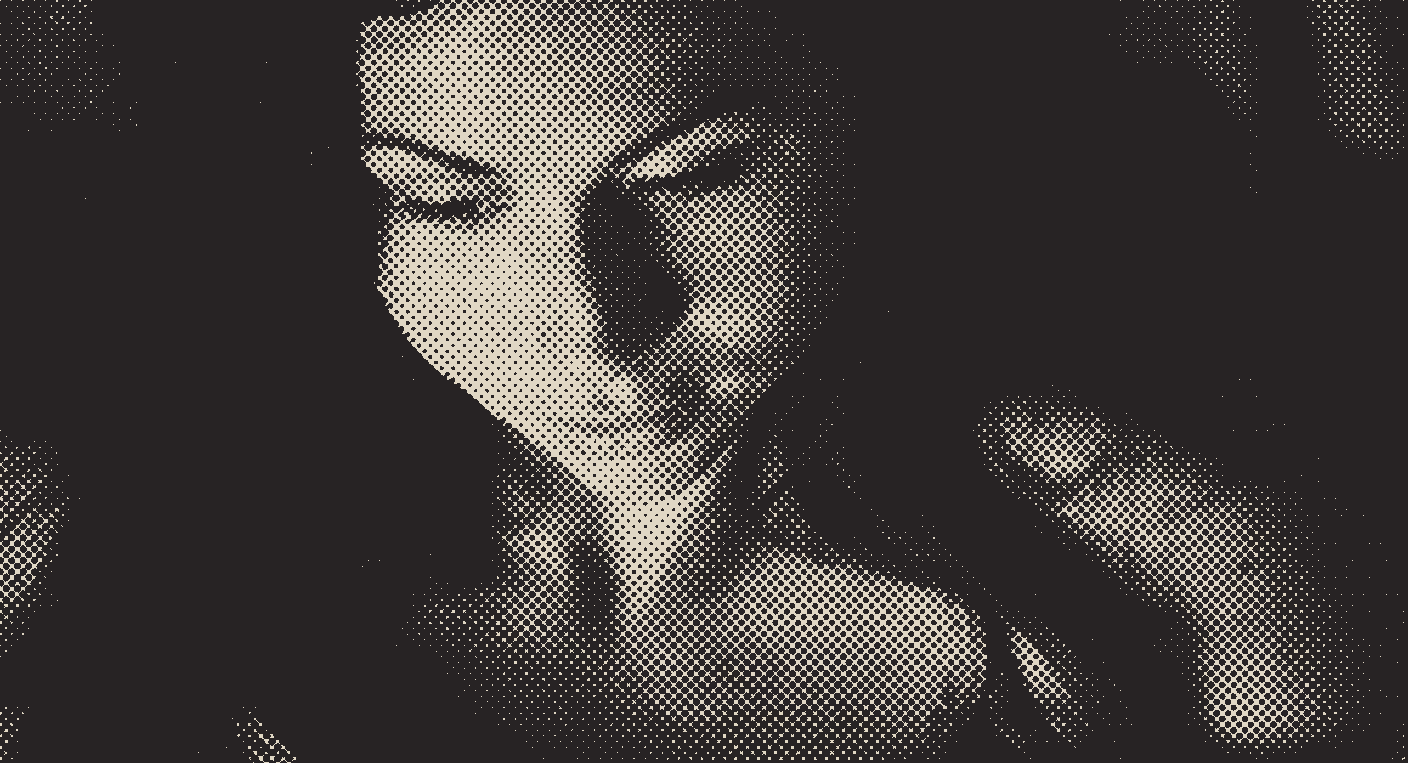
Then, at the Midpoint, the film puts them in bed together. Not for the first time; the scene is careful to imply otherwise. But for the first time we are allowed to watch. No crowd, no routine, no joke to hide behind, nothing between them at all.
Which means the most unguarded Will has ever been on screen and the largest lie he has ever told are the same four minutes of film.
That is the shape of a False Victory and it is worth being precise about why. Will has the prize. He took it using the Bad Habit, in full view, and there is no moment where he experiences it as a lie. It does not feel like deception to him. It feels like the best week of his life. The concealment has become so total that it has stopped registering as concealment at all.
Notice too that he is not choosing here. Every earlier turn asked something of him. This one gives. The middle of a story is the one place the world simply hands your protagonist what they have been working for, without conditions, without a catch they can see, and the audience is left holding a catch the character cannot.
The bill arrives almost immediately. Two minutes after the Midpoint, Skylar meets his friends, and the world that the twelve brothers were invented to hide walks into the room with beer in its hand.
The Second Half Is the Same Scenes, Costing More
Everything after the centre is the front half again with the price attached.
He loses the prize first. The closer Skylar gets, the more of him she asks for, and when she finally asks for all of it he does what he has always done and destroys the thing before it can leave. He tells her he does not love her. It is the largest lie in the film and he tells it to protect a truth.
Then he loses the person who saw him.
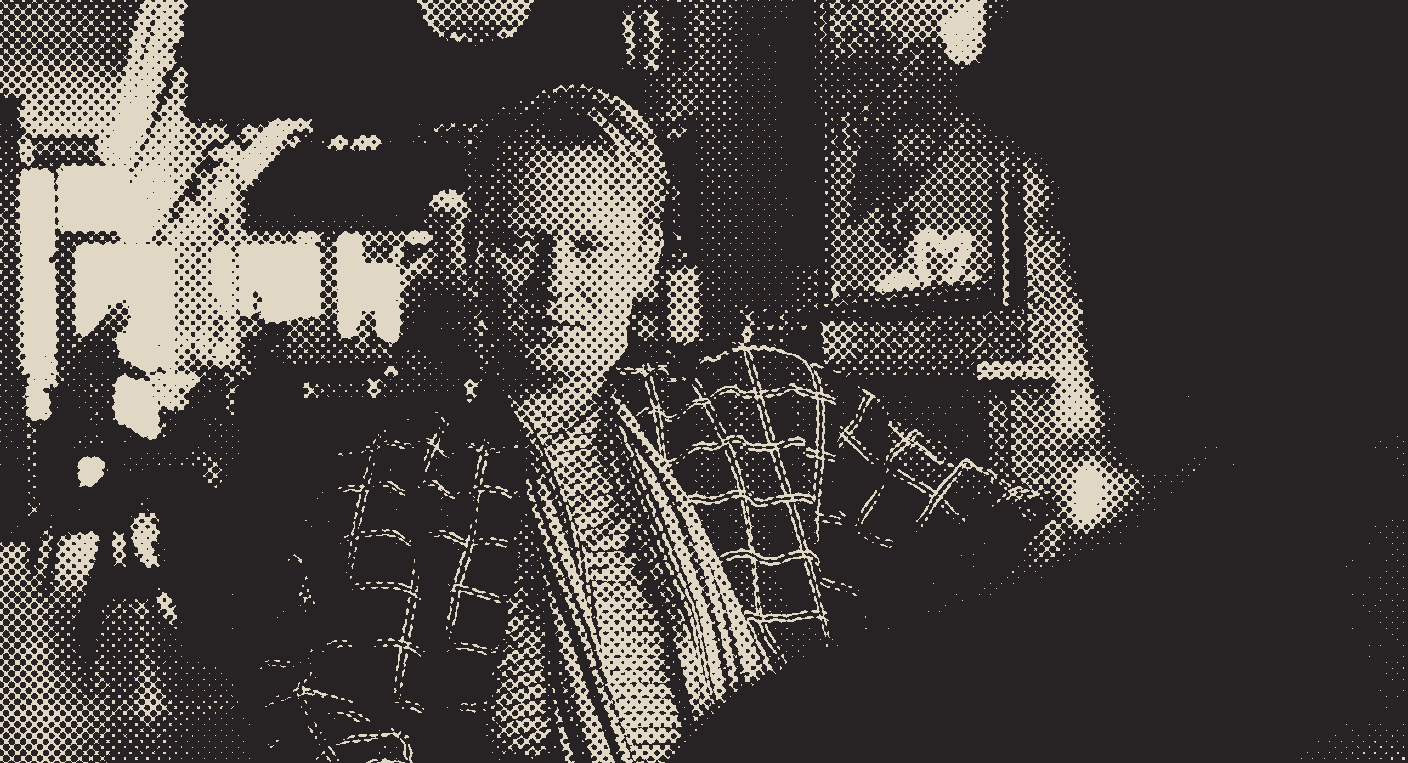
And here the film does something worth stealing. Look at how Will’s routine sits at the two ends of the story. In the first act it is deployed on a series of therapists, dismantled one after another, and it works flawlessly right up until it delivers him to Sean, the one man who will not play. In the second half he performs the identical routine for a room of government recruiters, one of the great monologues in the film, everything he has, fully armed.
And a few scenes later Sean throws him out.
Same behaviour, twice. The first time it introduced him to the Muse. The second time it lost him. Nothing about the Habit changed between those two scenes. Only what it costs.
That is the second half’s whole job, and you can build it deliberately: take the scenes that made the front half fun and run them again with the bill attached.
Three Ways a Middle Sags
Read your own second act against these. Each one has a move attached.
One: you are making it harder instead of making it work. Go through every scene in your middle and ask two questions. What does the protagonist win here, and which part of themselves did they use to win it? If the answer to the first is “nothing,” the scene is delay. If the answer to the second is “their best self,” you have started the third act early.
Two: nobody is watching who has something to lose. Success is only damning if someone in the room embodies what the protagonist is failing to be. And that person cannot be neutral. A mentor who dispenses wisdom and observes the results generates no pressure at all. Sean is not objective about Will, and that is the point: he needs Will to prove that a life given up for love was not a life wasted. Check whether your Muse is present in the winning, or only in the talking.
Three: your protagonist has not chosen yet. Find the moment they stop helping, stop complying, stop reacting, and want something for themselves. If you cannot point at it, that is the scene to write, and everything before it is prologue. In this film it is a man who cannot get a sentence out on the phone, going to find her in person anyway.
What Sean Does Not Know
There is one more thing running underneath all of it, and it is the reason the ending of this film lands the way it does.
Will’s Genie, the thing that buys him the Muse’s admiration while the Bad Habit keeps running, is the idea that Will will listen.
And it began as true. Sean really did get in, on the bench, that first time. Something in Will was genuinely reached.
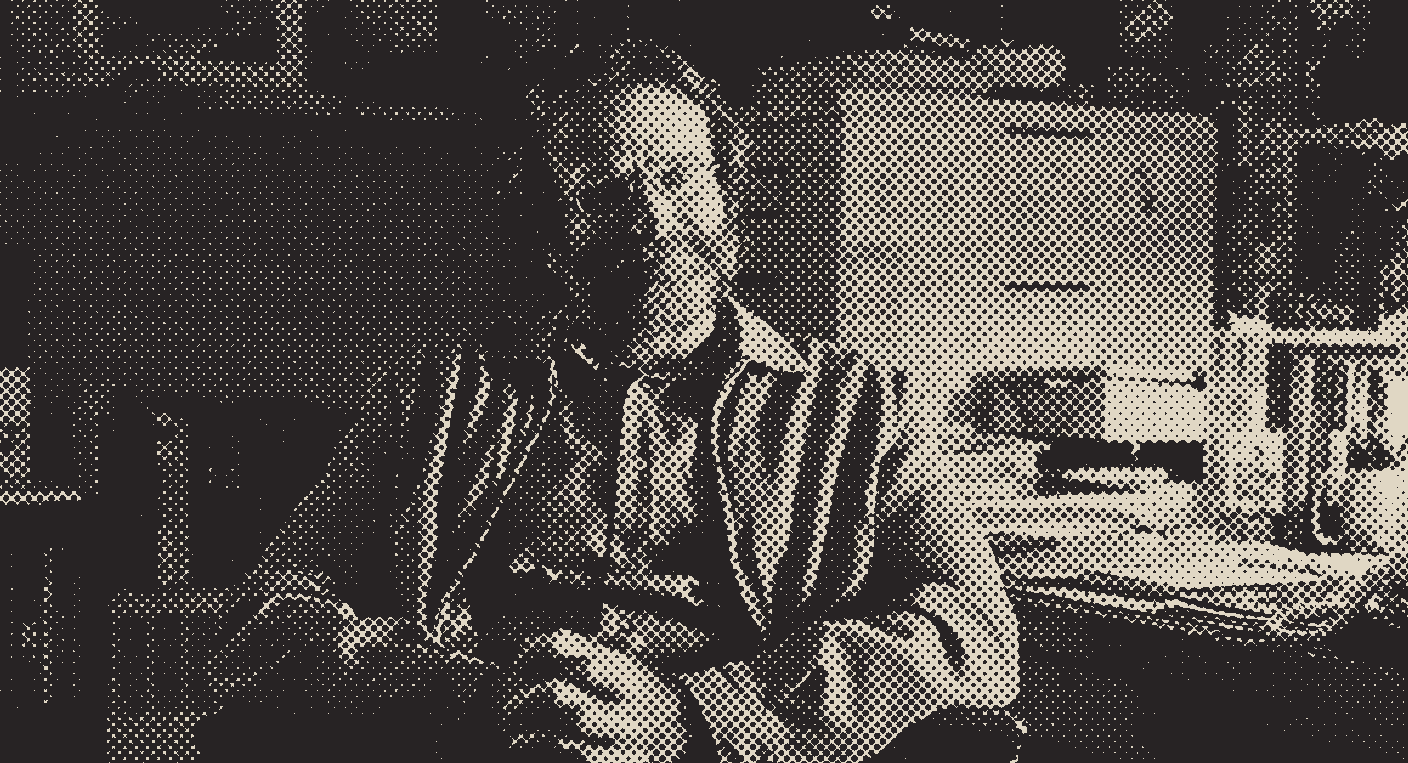
Then it took him a couple of scenes to get his old distances back, and after that he did what his talent has always let him do. He gave Sean the version of himself that Sean needed to see. Not attacking any more. That was the first act’s method, and it failed on this man. The second act’s method is compliance, which is the most refined form the Habit ever takes and by far the most dangerous, because it works. Will lets a man believe he is getting through.
And it works on Sean because of a very particular thing Sean believes. He does not doubt the life he chose. He gave up a ballgame to sit in a bar with a woman he had just met, and he tells that story like a man who would make the trade again tomorrow. What he has never once questioned is that a trade was required. She died, and he took the whole arrangement as a verdict: you picked your road, and the other one closed behind you.
So a boy who appears to want what Sean wanted is not telling Sean he was right about the woman. He is confirming that the rule exists. And Sean cannot see past that, because seeing past it would cost him every year he has spent sitting still.
Lambeau holds the identical belief from the other end. He is certain Will has to choose success, and only success, and he cannot picture a version of that life which is not also a sacrifice. The two men spend the whole film shouting at each other across a premise they share.
So when the Habit finally shows itself, what breaks is not Sean’s pride. Will insulted his marriage months earlier and Sean came back the following week. What breaks at the end of the second act is Sean’s belief that he was ever getting through at all. He discovers that the one real moment he has been living on was one moment, and that he has been extending it by himself ever since.
And it explains the only thing in the entire film that ever works on Will. Sean does not out-argue him. He stops talking and starts repeating. It’s not your fault. Again. And again. And again, with nothing new in it, no opening, no argument, no angle to read.
A boy whose whole talent is knowing what you want to hear has no move against a man who will not give him anything to answer.
So he breaks. Which is what the third act is for.
Tale Spinning is a method that grows stories from theme and character outward. Every beat earned, every beat inevitable. Works whether you're writing your own, evaluating someone else's, or developing with a team, across screenplays, novels, comics, and stage plays.
Keep reading
March 31, 2026
What Should Happen in the First Act of a Story
Most first act advice tells you what to include — introduce your protagonist, establish the world, end with an inciting incident. But none of it explains what the first act is actually for. This article argues that the first act has one job: to prove that the protagonist's Habit works. Using Good Will Hunting as a case study, it breaks down the two sequences of the first act, the Home World, the Archetype, the King and the King's Law — and shows how the best first acts plant a theme twist that doesn't detonate until the very end.
Read →
February 23, 2026
Why Outlining a Story Feels Impossible (And What Actually Fixes It)
Most writers blame themselves when outlining fails. But the real problem is that popular frameworks like Save the Cat and the Hero's Journey tell you where to put things — not whether they're working. This article introduces a simple diagnostic rooted in classical story structure: find your protagonist's Habit, and ask two questions. The answers will tell you which of four fundamental Story Types you're writing — and give you the structural logic you need to outline with confidence.
Read →Every term used here is defined in the glossary.