Where most of the story happens: the main character's gift is valued here, but their bad habit gets punished. Gusteau's kitchen, where a rat can cook but cannot be seen.
Applies to
All Story Types
Strange World
Definition
The region where most of the story unfolds. The Strange World is where the Protagonist’s Ironic Talent has value — but where their Habit is punished. It is also where the Protagonist is a fish out of water: their Archetype does not belong here, and the world knows it.
The Strange World operates by the Universe’s Law rather than the King’s Law. What the Protagonist learned at Home does not work here — or works at first, but will eventually fail them.
Why This Term Matters
The Strange World is where the story’s friction lives. The Protagonist arrives with the wrong rules, the wrong habits, and the wrong status — but the right Talent. That combination is what creates the central dramatic irony: the world needs what the Protagonist can do, but it does not trust who the Protagonist is. The Strange World forces the question: will the Protagonist adapt, or will they keep using the Habit until it destroys everything?
Key Properties
The Ironic Talent is valued and necessary here
The Bad Habit is eventually exposed and punished here
The Protagonist’s Archetype is out of place — they are a fish out of water
The Universe’s Law governs this space, not the King’s Law
The Referee and Judge both operate in the Strange World
Heaven on Earth exists inside the Strange World (not outside it)
In a Kind Comedy — Examples
Ratatouille: Gusteau’s restaurant kitchen. Remy’s culinary Talent is exactly what the kitchen needs. But a rat in a kitchen is the ultimate Archetype mismatch — forbidden by law, by culture, by every norm of the world. And Remy’s habit of hiding and deceiving is exactly what the kitchen’s moral code (Gusteau’s philosophy of openness and trust) opposes.
In Bruges: The medieval city of Bruges itself. Ray’s capacity for feeling, mercy, and connection — the things that make him unsuited to Harry’s world — are precisely what Bruges rewards. But his blind obedience to the code is what gets him into trouble here.
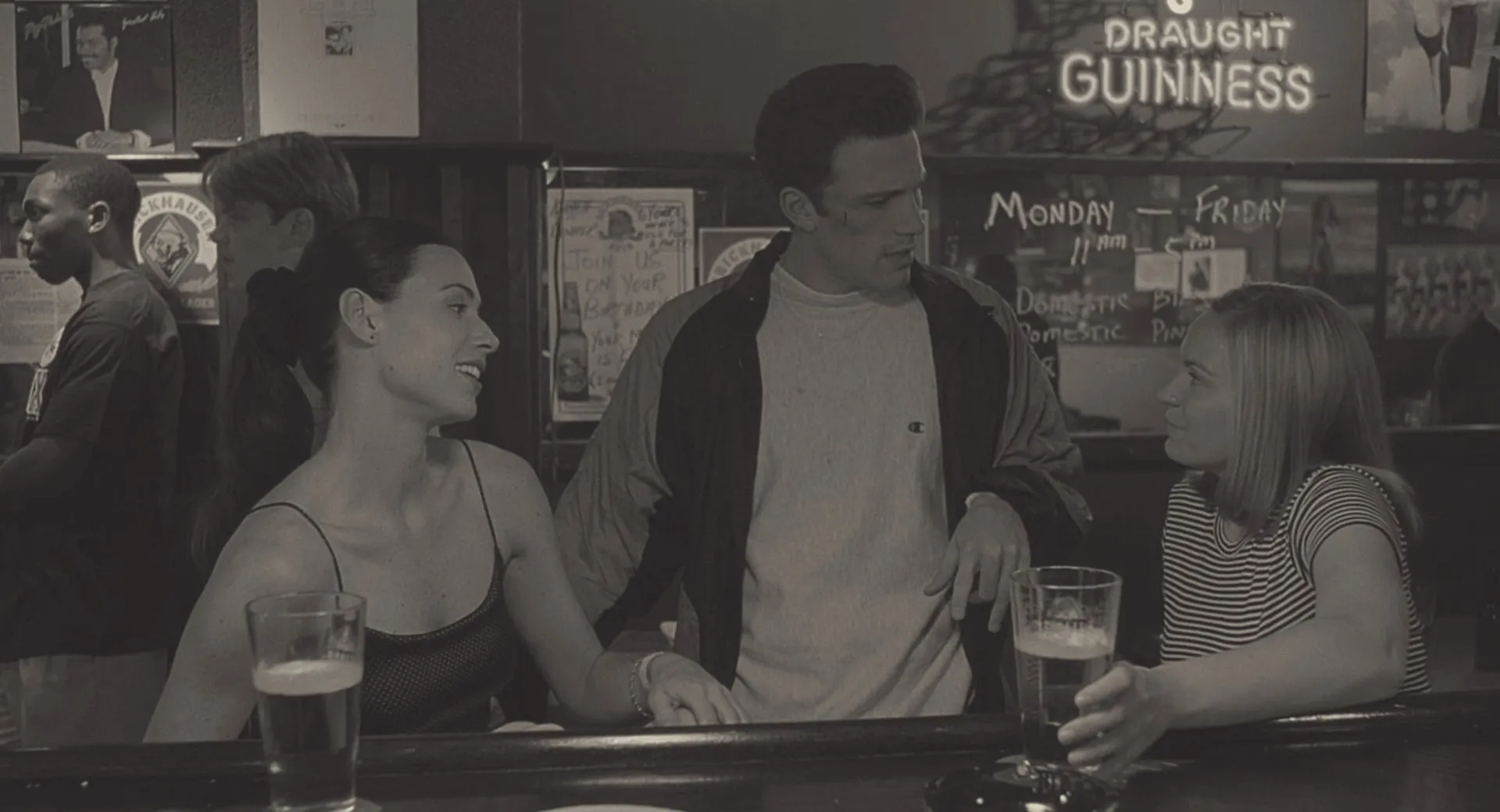
Most first act advice tells you what to include — introduce your protagonist, establish the world, end with an inciting incident. But none of it explains what the first act is actually for. This article argues that the first act has one job: to prove that the protagonist's Habit works. Using Good Will Hunting as a case study, it breaks down the two sequences of the first act, the Home World, the Archetype, the King and the King's Law — and shows how the best first acts plant a theme twist that doesn't detonate until the very end.