
Character Regression Isn’t Bad Writing. It’s a Verdict.
Somewhere in the second act of your draft, your Protagonist got worse. Colder, more ruthless, further from the person the opening pages promised. And every craft book on the shelf is whispering that characters are supposed to grow, so the doubt sets in: can character regression be good, or is the draft broken?
Your character is allowed to get worse. The Godfather is three hours of a man doing exactly that, and it ends by handing him everything he reached for.
Character regression is a character arc pointed down. An arc, strictly, is one event: a character drops a habit and takes up its opposite. In regression what gets shed is not a bad habit but a good one, the last decency the character still carries, and it goes by choice, a piece at a time, because the story keeps paying for it. That is the whole of the term. The direction was never the problem.
What decides whether regression works is the story’s verdict on it. A descent the story rewards is a Cruel Comedy. A descent the story punishes is a Tragedy. Character regression only reads as bad writing when the story hasn’t decided whether to reward the slide or punish it, and so does both at random. That is the third case, and the only broken one. Regression doesn’t need permission. It needs a verdict.
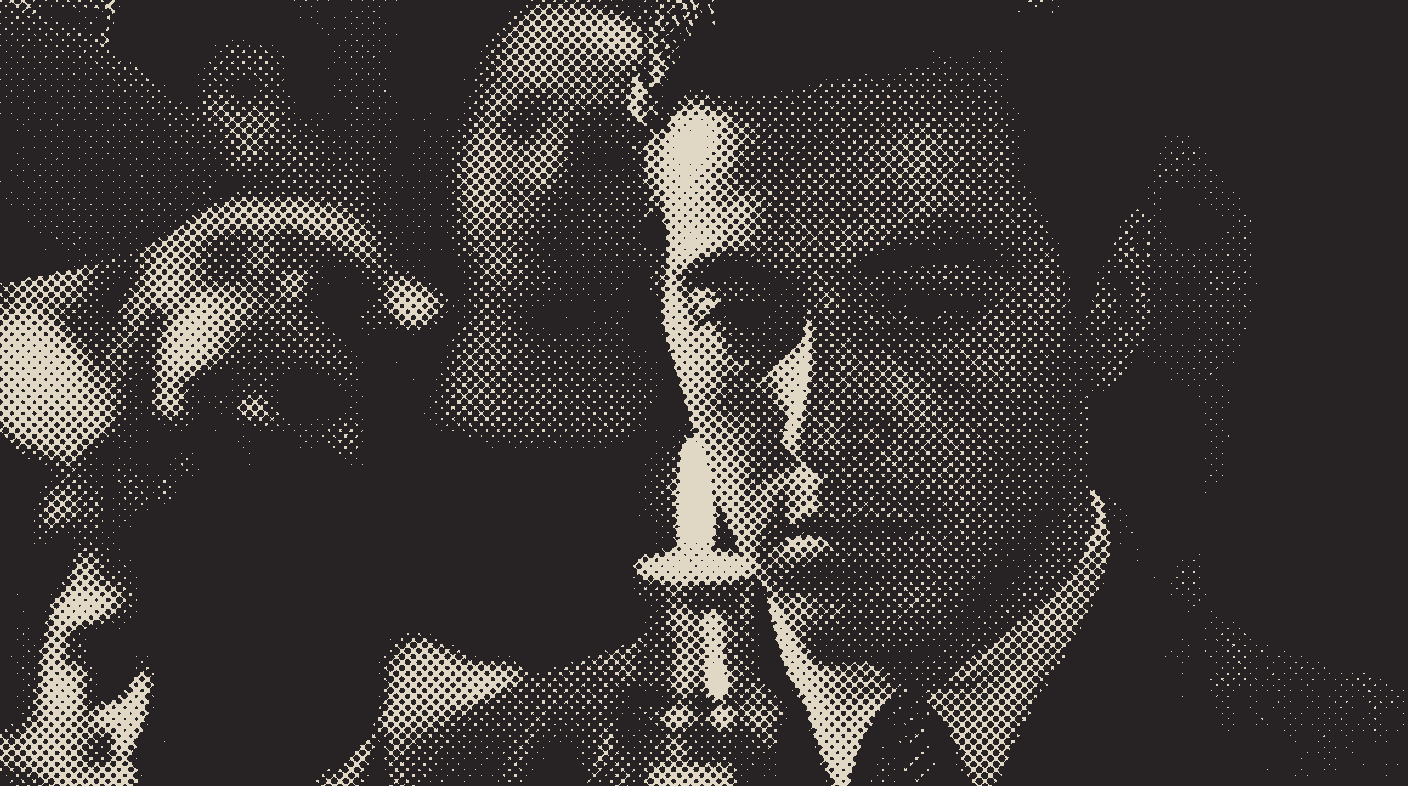
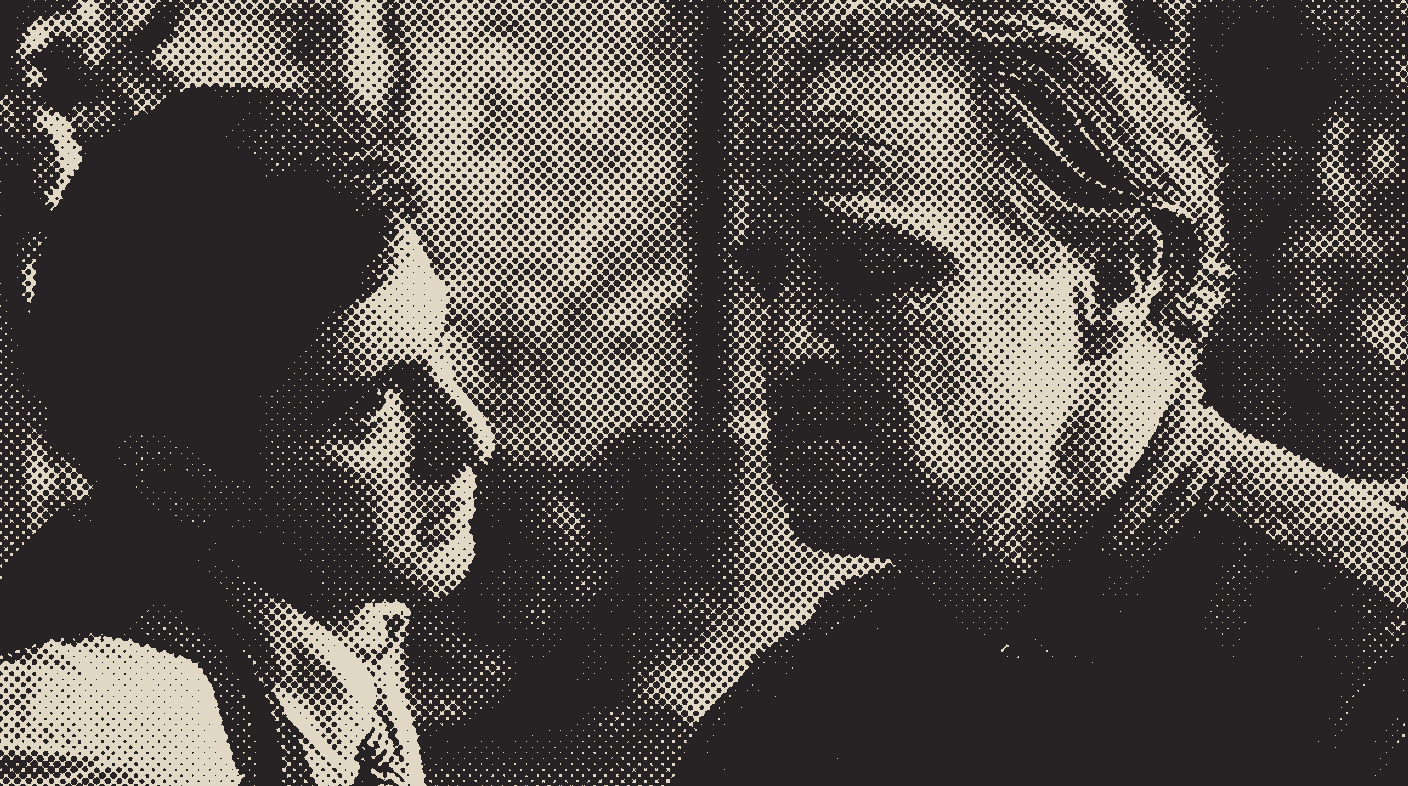
Everyone who has seen The Godfather knows Michael Corleone gets worse. That is the film; it hides nothing. Notice, though, what shape the getting-worse takes: not a fall. Michael rises from the first scene to the last, to power, to control, to his father’s chair. The only thing that falls is his decency, and the film pays him for every piece he sheds. A moral fall folded inside a rise is not a Tragedy; it is the cruelty. What is easy to miss is how deliberate the payment is, beat by beat, and how much of the film’s running time is spent making one thing clear: this Universe punishes decency and rewards its absence. That deliberateness is what separates the regression that plays as a masterpiece from the one that plays as a storyteller losing control of their own story.
The Same Event, Pointed Down
In the Tale Spinning method that event has a strict shape, and a direction it is assumed to run. In a Kind Comedy, the Protagonist sheds a Bad Habit and picks up the opposing Moral Strength. Scrooge drops greed and isolation, adopts generosity. Elle Woods drops performing for a man’s approval, adopts trusting her own judgment. This is the shape most writing advice means by “arc,” and it belongs to exactly one character per story. Most of the cast never arcs at all, and shouldn’t.
The craft books file the downward version nervously under “negative character arc,” as though it were a variant that needed excusing. Structurally it is the same event, and the Good Habit being shed sits in exactly the slot the Bad Habit occupies in a Kind Comedy. What the nervous filing misses is the mechanism. The Protagonist doesn’t lose his decency the way you lose your keys. He sheds it, choice by choice, and the story pays him for every choice. That payment is the signature of the Cruel Comedy. The Universe of the story, the authority that decides which behavior gets rewarded, has taken a side, and it is not the side your mother would approve of.
So the diagnostic question for any story where the Protagonist gets worse is not “is this allowed?” The question is: which pole does the Universe pay? If the story pays the descent, the wins stacking up as the decency drains away, you are writing a Cruel Comedy, and the ending will be a victory that disturbs. If the story punishes the descent, every step down costing the character something real, you are writing a Tragedy, and the ending will be a loss the audience endorses. Both work. What doesn’t work is not choosing, because the reader feels the payouts long before they could name them. When reward and punishment follow a law, the reader trusts that the story knows where it is going. When they land at random, every scene feels possible and none of it feels meant.
A World That Punishes Decency
Watch what The Godfather’s Universe does to decent behavior, at every level of the story.
Vito’s old-world restraint, his refusal to enter the drug trade, gets him five bullets in the street. Sonny’s loyalty, rushing to his sister’s aid with his guard down, gets him executed at the causeway. Apollonia, Michael’s attempt to build one innocent thing inside his exile, is blown apart by a bomb meant for him. Fredo’s softness earns him no protection, only humiliation. The pattern has no exceptions. Decency is punished at every altitude of this world, and ruthlessness, only ruthlessness, is rewarded.
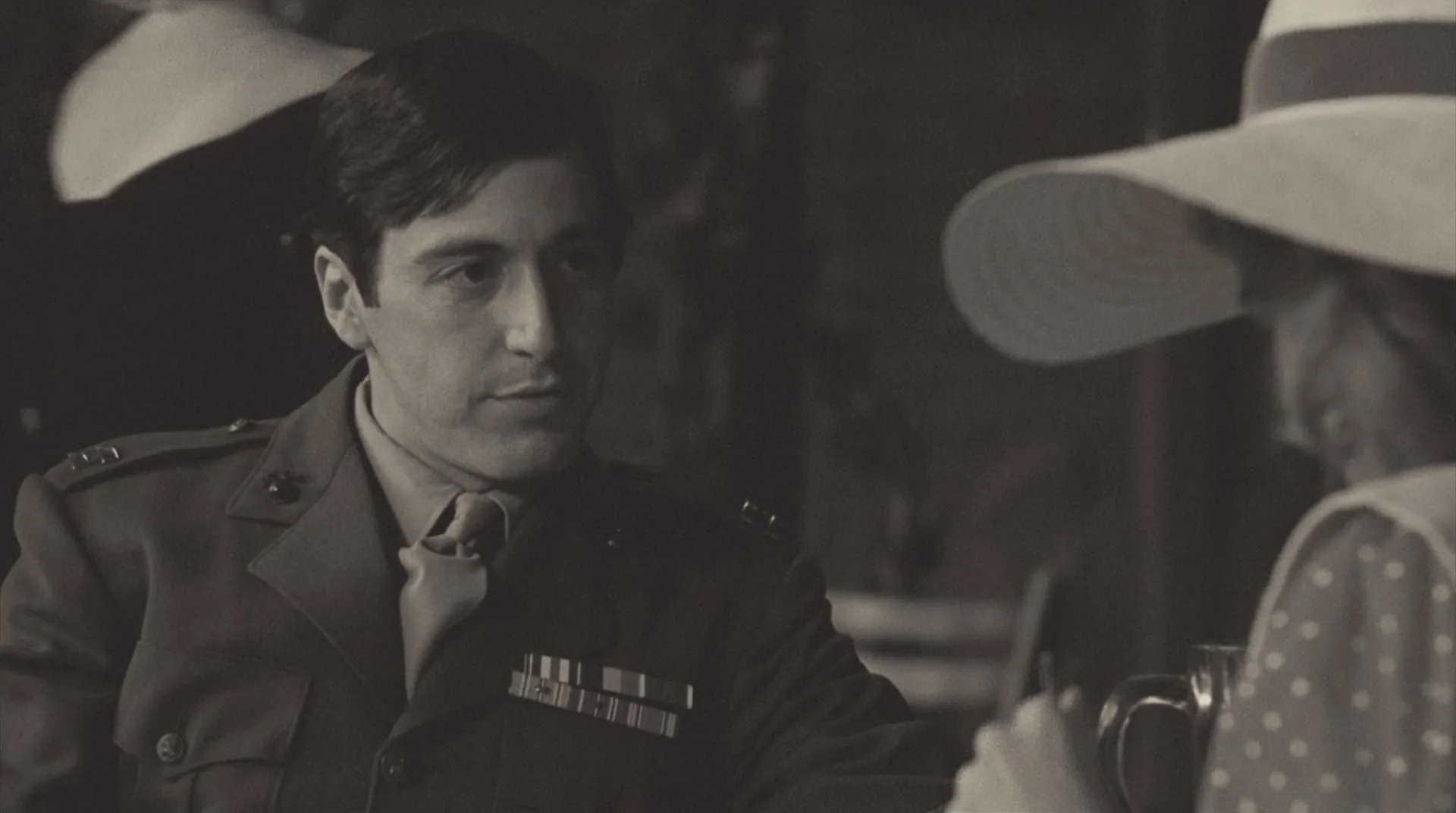
Against that Universe, the film sets up its Protagonist with terrible precision. Michael is the civilian son, the war hero, the one the family kept clean. “Senator Corleone. Governor Corleone.” His Good Habit is his separateness, the commitment to a legitimate life, and the film states it in his first scene in one line: “That’s my family, Kay. It’s not me.”
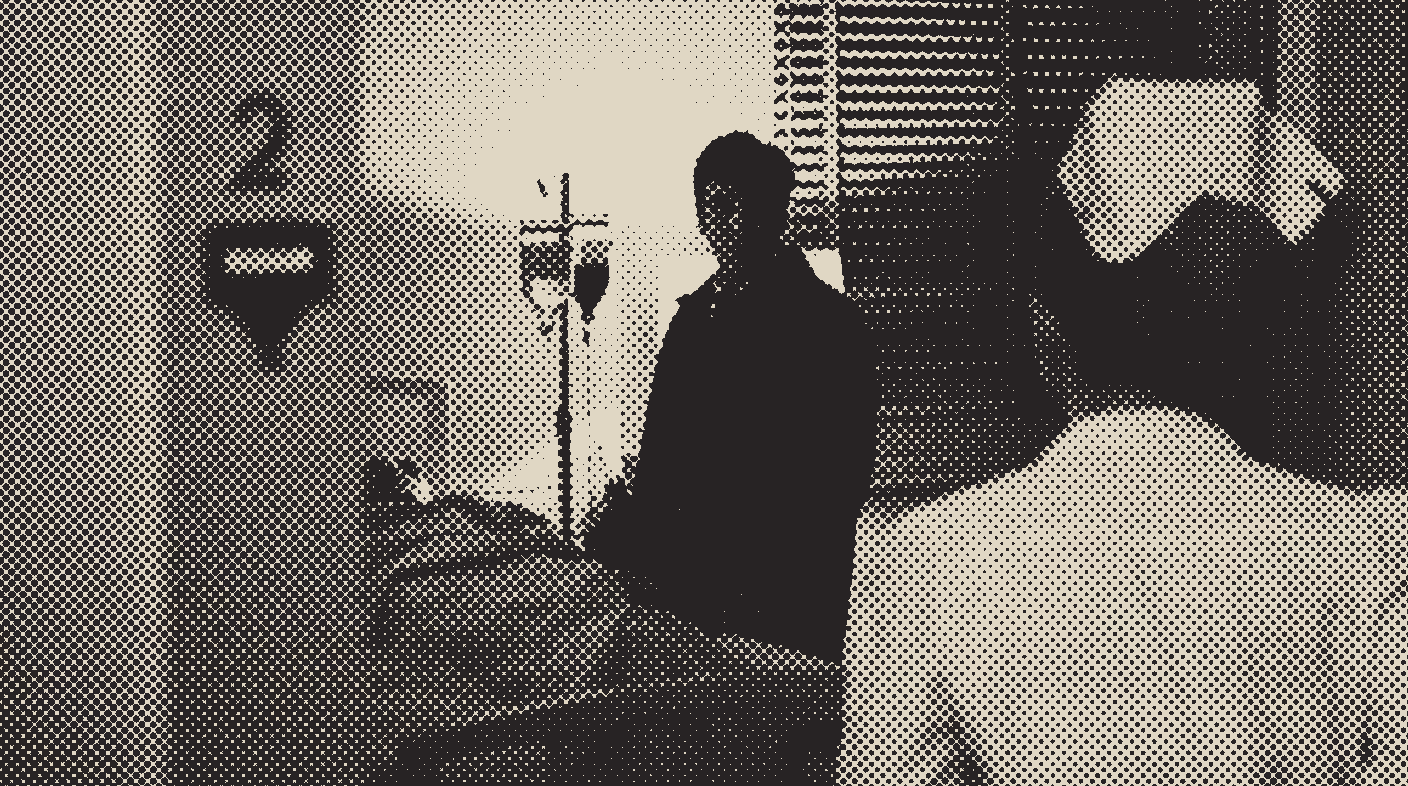
His Ironic Talent is harder to see, and it is the film’s quiet joke: the youngest son of an old-world Sicilian family is the only one who can see the future. The hospital scene reveals it, when he reads the assassination setup in seconds and notices his hands don’t shake. The endgame confirms it, when he completes his father’s prophecy about Barzini without needing it explained. The future is so present in his mind that even his lies live there: “In five years, the Corleone family is going to be completely legitimate” is not a dream, it is what he tells Kay to keep her beside him. When Michael needs a lie, he reaches for tomorrow. The one Corleone built for the future is the one whose talent this world will pay anything for. It just won’t pay him as long as he stays clean.
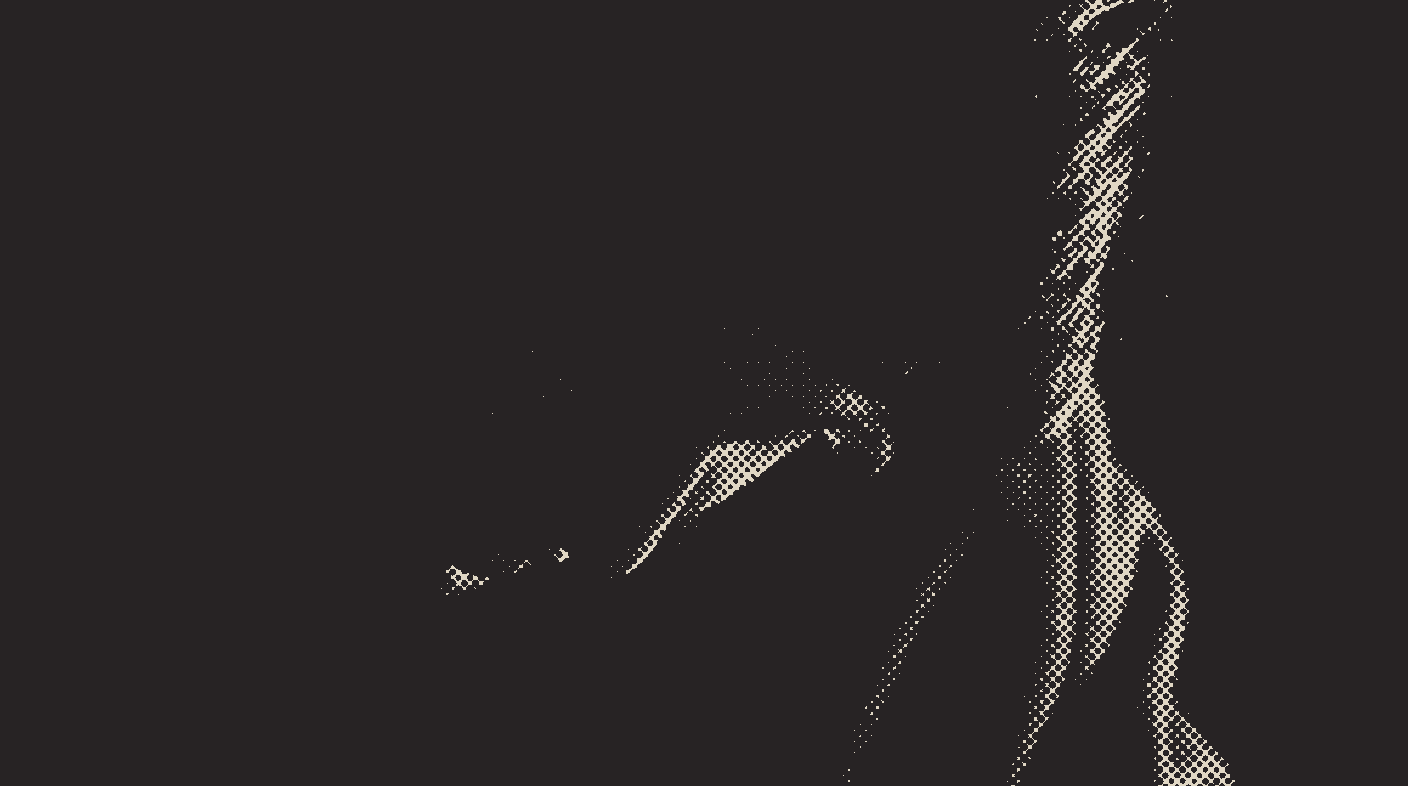
The pull downward comes from his own King. Vito’s law sounds like two rules, but it is one: life is about family, and the business never comes to the table. “A man who doesn’t spend time with his family can never be a real man,” he says at the wedding; “I never wanted this for you,” he says in the garden near the end. Same teaching, both times. You can protect the family and stay decent, as long as you keep the two apart, and Michael, the son kept clean, is the living proof the law seemed to allow. The cruelty of the film is that the Universe spends three hours demonstrating that Vito’s law is false. Vito’s own restraint gets him shot. And the moment the family truly needs protecting, the clean son turns out to be the only one who can do it, at the price of being clean. Michael doesn’t just absorb the disproof. He leans into it. At the hospital, holding his father’s hand: “I’m with you now.”
Won Through the Last Decency
Here is where the film shows you that regression, done deliberately, is placed rather than drifted into.
The Godfather runs 176 minutes: eight Sequences of twenty-two, and at every seam between them the film places a beat of Michael’s arc. Watch the clock. At minute 22, the Good Habit, stated: “That’s my family, Kay. It’s not me.” At 44, Vito is shot, and the war reaches for the son who stayed out. At 66, the hospital: “I’m with you now.” At 88, the restaurant, and the line no one comes back from. At 110, the wedding in Sicily: Michael chooses the straight life one more time, marrying Apollonia as if a clean life could be built inside an exile. At 132, his dying father tells him how the enemy will come, and Michael understands there is no straight life inside this family, only the war. At 154, the baptism begins, and with it the removal of everyone standing in the family’s way. And at the end of the eighth Sequence, the door closes on Kay’s face. Eight transitions, and Michael worse at every one of them. Storytellers argue about whether structure this precise is felt by the audience. The Godfather is the argument that it is: the descent has the timing of a ceremony, which is exactly what the ending will make literal.
And look at what the Midpoint actually is. In structural terms it is a False Victory: the Protagonist wins the thing everyone is fighting over, here the family’s survival, Sollozzo dead, Vito safe, while the Habit is still intact. Comedies always win their Midpoints this way. The Godfather’s cruel inversion is that the Good Habit doesn’t merely survive the win. It executes it. The plan works only because everyone at that table believes Michael is the clean one, the civilian, the Corleone who would never. His separateness is the murder weapon. The film spends its first half building his decency and then spends it, all of it, in one restaurant.
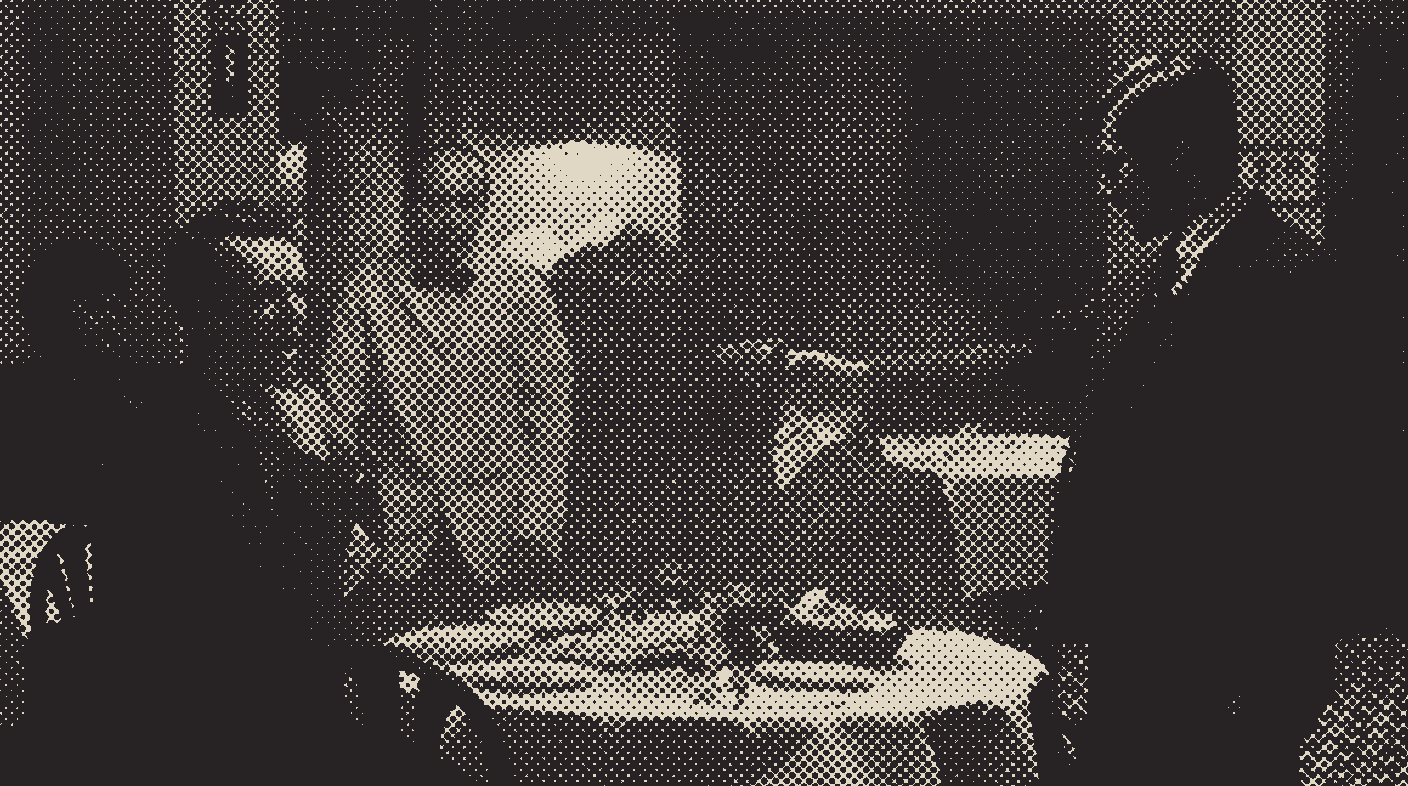
That is the 80/20 of every False Victory: the threat is dead and the father avenged, but the win costs him the exile, and from the exile flows everything: Sonny’s death, Apollonia’s, the war that will have to be finished. The second half of the film exists to dismantle the idea that Michael can come back from that room. He can’t. The Universe has started paying him, and it does not accept refunds.
The Woman at the Door
Every story that rewards a descent needs one character who shows what the descent costs, and the film’s sharpest structural choice is who it gives that job to. Not Sollozzo, not Barzini. They are rivals in the same business, playing by the same rules. The true Antagonist of The Godfather is Kay.
That sounds wrong for about ten seconds, and then it never sounds wrong again. In a Kind Comedy, the Antagonist embodies the Bad Habit at its worst: the walking warning of what the Protagonist becomes if he never changes. In Ratatouille, Remy hides and deceives to survive, and Skinner deceives bigger and by choice, trading Gusteau’s name for a line of frozen dinners. In Bruges runs the same relation between hitmen: Ken obeys Harry’s code out of loyalty; Harry holds it so absolutely that when he breaks it himself, he carries out the sentence on the spot. (Those two films being the same story underneath is its own essay.) A Cruel Comedy, like The Godfather, inverts it. Kay embodies the Good Habit at its most absolute. She is the legitimate life in person, the modern American future Michael keeps promising, and she spends the film applying the counter-pressure: asking, believing, waiting to be told the truth. She is the audience’s morality standing inside the story. And in this Universe, that position pays nothing. The warning she embodies is not “this is what you’ll become.” It is “this is what keeping your decency costs here”: powerless, deceived, shut out.
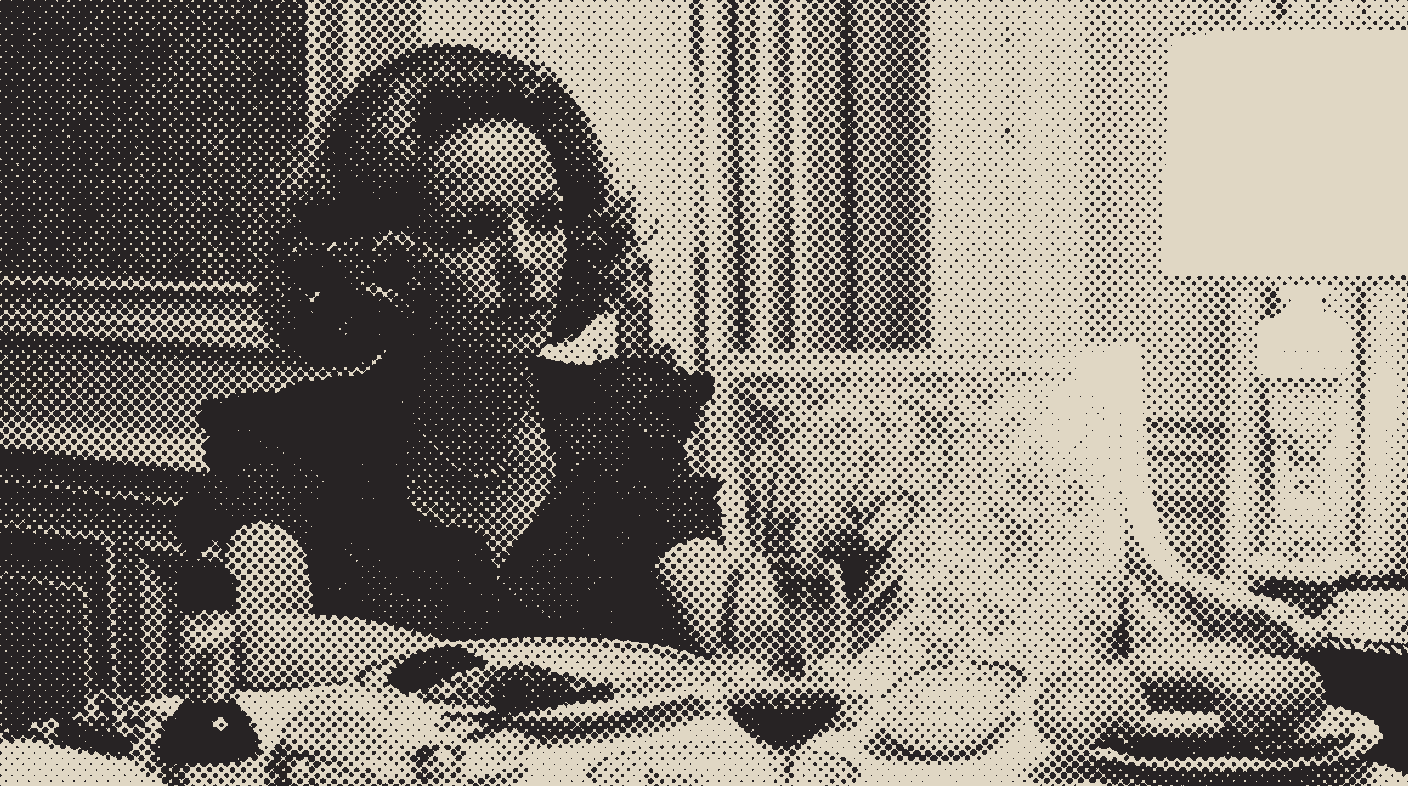
Meanwhile the family, the collective the film treats as one organism, does the Muse’s work: it is the investment Michael wins by getting worse. Clemenza teaching him the gun and the cannoli, the capos who once patted the war hero’s cheek learning to wait for his decisions. Every step down buys him more of the family. Saving it is the final exam. In the baptism, Michael stands godfather to his sister’s child, renouncing Satan while his men kill every rival in one choreographed morning. The ceremony mirrors the wedding that opened the film, business conducted behind ritual, and completes a longer mirror: the film opens with Bonasera pleading “I believe in America” before Vito’s desk, and closes with men kissing the hand of the son who swore that desk was not him.
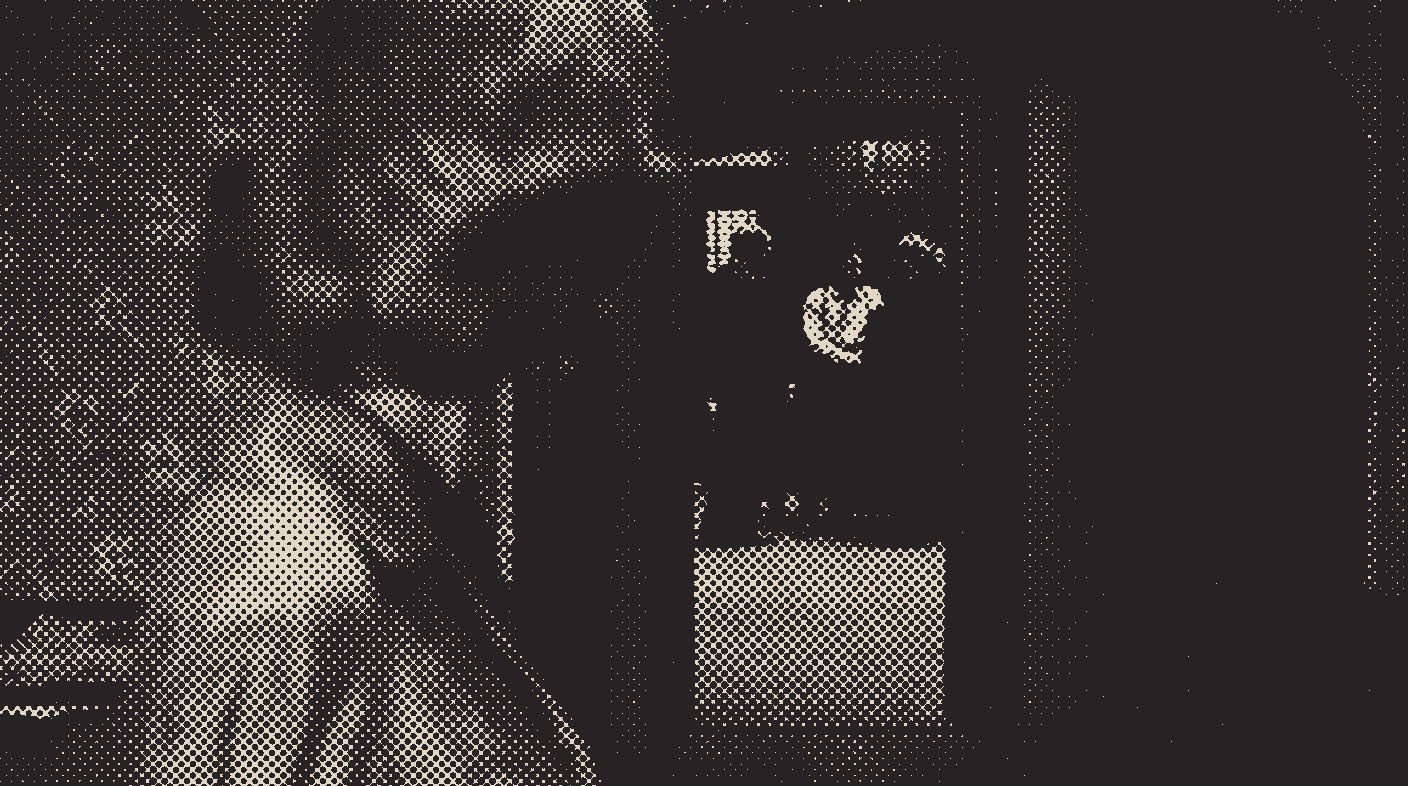
This is Heaven on Earth, the version a Cruel Comedy allows: total power, the family protected, everything he reached for in his hands. Success for the Protagonist. And the final shot belongs to the Antagonist: Kay in the doorway, watching the office fill with men, until the door is closed in her face. The camera stays on her side of it. In a Kind Comedy the Antagonist’s defeat is the happy ending. In a Cruel Comedy the Antagonist’s defeat is why you leave the theater disturbed by a story in which the Protagonist won. The film knows its own verdict is obscene. The door shot is the film looking at us while it delivers it anyway.
When the Descent Is Punished Instead
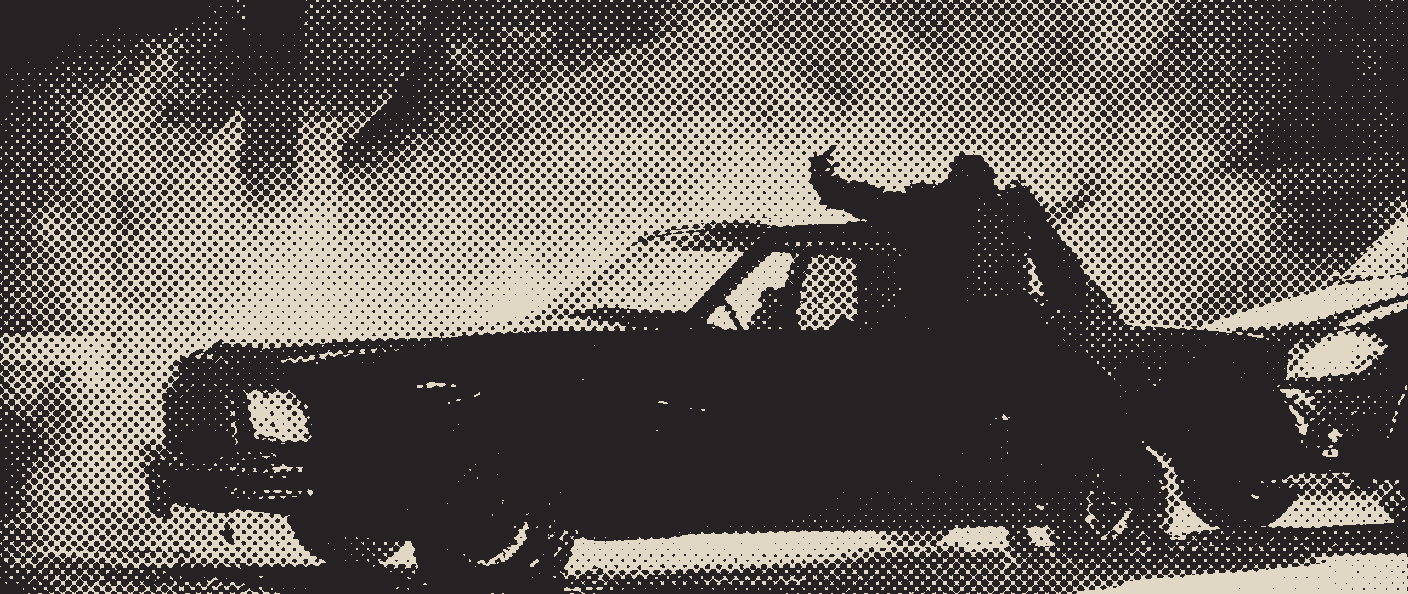
Point the same downward arc at a Kind Universe and you get the opposite film: the Kind Tragedy. There, the Protagonist is offered the chance to change, refuses it, and the Universe pays out against them. Alonzo Harris drives every scene of Training Day, is offered the other path all day in the shape of his rookie partner, refuses, and dies alone in the street; the film belongs to him, not to Jake, and the audience walks out satisfied because the verdict matched their morality. Same descent, opposite payout, opposite feeling in the seats. That is the whole difference between a story that disturbs and a story that reassures: not what the character does, but what the Universe does about it.
How to Write a Regression That Reads as Design
If your Protagonist is getting worse and you want it to read as design instead of drift, the work is three decisions.
Name the decency being shed. One sentence, spoken early, the way the film gives you “That’s my family, Kay. It’s not me.” If you cannot name the Good Habit your character starts with, the regression has nothing to measure itself against, and it will feel like the same imposed shapelessness as an arc reverse-built from the plot.
Enforce the verdict everywhere, not just on your Protagonist. The Godfather doesn’t only reward Michael’s ruthlessness; it punishes everyone else’s decency, from Vito’s restraint to Fredo’s softness, so the Universe’s law is legible in every subplot. This is the discipline that kills the “at random” problem. Before you keep a scene, ask which pole it pays. If your story rewards the descent on page 40 and punishes it on page 60 without knowing why, no individual scene will feel wrong, and the whole will never feel right.
Give the cost a face. A rewarded descent with no witness is just a power fantasy. Put one character inside the story who holds the decency absolutely, let the Protagonist’s victory land on them, and end where they are standing. The door closes on Kay, and the film’s meaning arrives in that image, not in the gunfire.
Get those three right and regression stops being a risk you are taking and becomes the point you are making. Your character is allowed to get worse. Your story just has to be the one deciding what that’s worth.
The Godfather is not the only example, and the others go unnamed only because the craft books have no category for what they are doing. Nightcrawler pays Lou Bloom’s descent with a growing business and a fresh crop of interns. Whiplash pays Andrew Neiman’s with the solo of his life while his father watches from the wings. Both are Cruel Comedies, and that Story Type has its own full anatomy: how the poles swap, why the endings disturb, what the storyteller controls. That anatomy is becoming a course, and the newsletter will hear about it first.
Tale Spinning is a method that grows stories from theme and character outward. Every beat earned, every beat inevitable. Works whether you're writing your own, evaluating someone else's, or developing with a team, across screenplays, novels, comics, and stage plays.
Keep reading
May 9, 2026
Why Most Characters Don't Need a Character Arc
Every writing class says the same thing: all characters need arcs. Your protagonist needs an arc. Your antagonist needs an arc. Your sidekick needs an arc. This is bad- and impossible advice, and most characters in good stories do not have one. A look at what a character arc actually is, who has one, and why most of your supporting cast should stay still.
Read →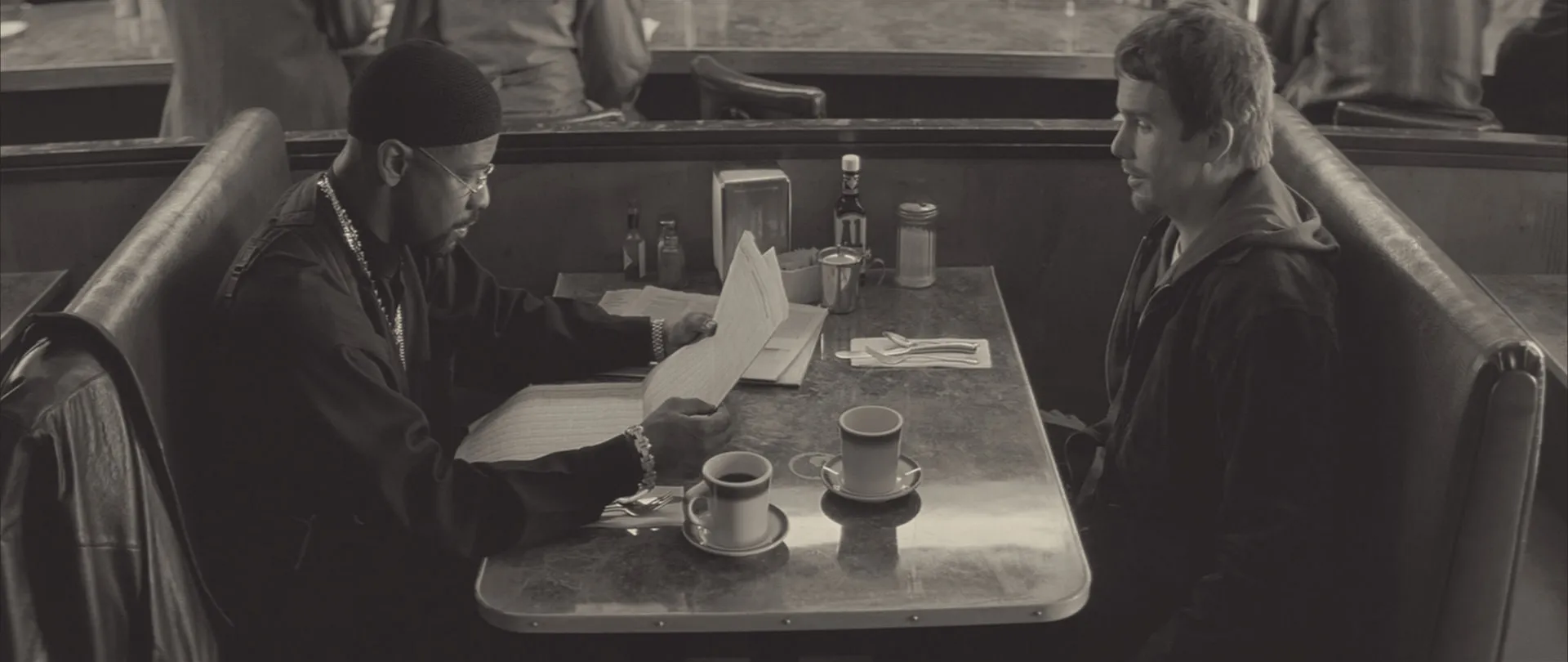
February 6, 2026
The Villain Protagonist Problem: Why Training Day Isn't About Jake
Learn why your villain is more compelling than your hero - and why that's not a problem. This guide explains the Kind Tragedy story structure, where the villain is actually the protagonist. Using Training Day as a case study, discover how to identify your true protagonist and build stories where the hero saves the day but the villain drives the plot.
Read →Every term used here is defined in the glossary.