
What Should Happen in the Third Act of a Story
Third act advice is the most confident advice in the whole craft, and the least useful. Resolve the threads. Pay off the setups. Give the audience what you promised. Land it.
All true, and none of it tells you what the act is for. Follow it and you can write an ending that closes every loop, satisfies on the night, and still leaves the story arguing something you never meant.
Here is the thing that decides it.
The third act is one choice, and the trap is that the choice looks like it should be about the prize. It isn’t. A protagonist who chooses the thing they have wanted since page one has made a trade, not a change. A protagonist who instead chooses to free the person who has spent the story trying to reach them has actually changed, and the prize tends to arrive afterwards anyway, as a token rather than a target. In the Tale Spinning Method that is the whole rule, and it is short: don’t choose the McGuffin. Choose to save the Muse.
The reason this is hard to catch in your own draft is that choosing the prize looks like success. The ending is emotional. The arc appears complete. Nobody in your writing group will flag it. And the story has quietly said that change is a transaction.
The Ending Everyone Remembers, and the Reading That Ruins It
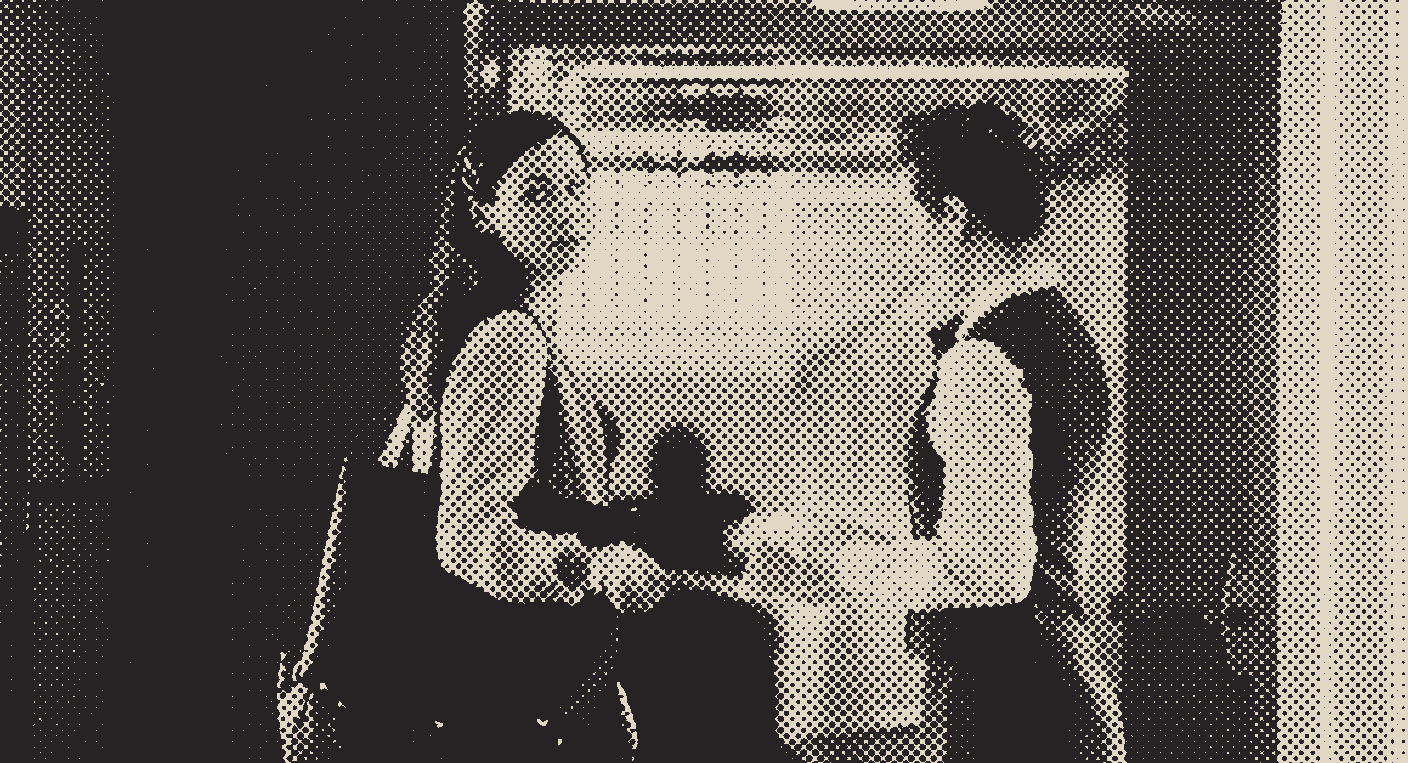
Good Will Hunting ends with a car and an empty apartment and a note. Will drives west. Sean reads the note and laughs.
Ask people what happens at the end of Good Will Hunting and most will say: he goes after the girl.
The comparison comes easily, because that is the shape the last ten minutes take. Skylar is in California. Will gets in a car and drives to California. Every romantic ending you have ever seen is standing right there offering to explain this one.
But watch what the film is careful not to do, because it is the difference between an ending and a trade.
Will does not choose Skylar over the job. He takes the interview first, an hour and fifty minutes into the film. After that, he gets the car from his friends, and it takes him a few more scenes to leave. By then he has already chosen a life that is his own. Skylar is inside that life. She is not a replacement for one.
If Will drives to California because of a girl, he has picked one prize instead of another prize. That is a swap. And the film would be endorsing an idea it has just spent two hours dismantling.
The Belief the Antagonist and the Muse Share
To see what is actually being dismantled, get Sean’s error right, because it is easy to get wrong.
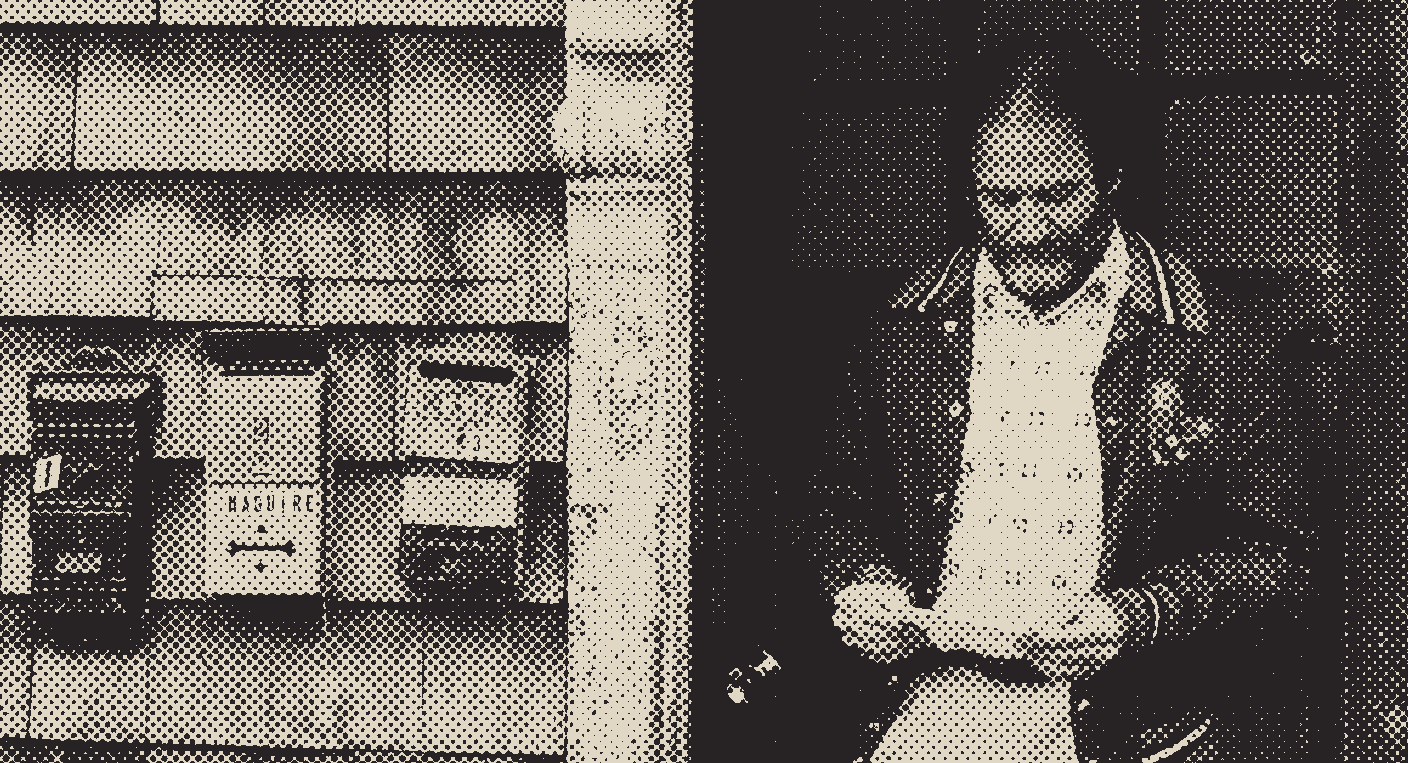
Sean does not regret the life he chose. He gave up a ballgame to sit in a bar with the woman he would marry, and he tells that story like a man who would make the same trade again tomorrow. That is not his mistake.
His mistake is upstream of it. He has never questioned that a trade was required. His wife died, and he read the whole arrangement as a verdict. You pick your road, the other one closes behind you, and now you live in the one you picked. He has been sitting inside that rule for years, calling it peace.
Lambeau holds the identical belief from the other end. He is certain Will has to choose success, and only success, and he cannot picture that life without a sacrifice attached to it.
So the Antagonist and the Muse of this film are not opposed on the premise. They agree completely. They spend two hours shouting at each other about which side of a binary Will belongs on, and neither of them ever asks whether the binary is real.
It isn’t. Will is the living proof. He is the one who gets to take every road, and his existence breaks the rule both men built on. Sean built his stillness on it. Lambeau built his standing on it, a lifetime of sacrifice for a smaller gift, which is why he dives for the burning pages and tells Will he wishes they had never met. As far as Lambeau can see, the boy was handed everything and is setting fire to it, and that makes his own trade look like a bad one.
Which is why the reason matters more than the destination. If Will chases the girl as an escape from the job, he is enacting Sean’s rule at the exact moment the film has finished disproving it. Right destination. Wrong reason. And the ending goes hollow while looking exactly the same.
What Actually Gets Saved
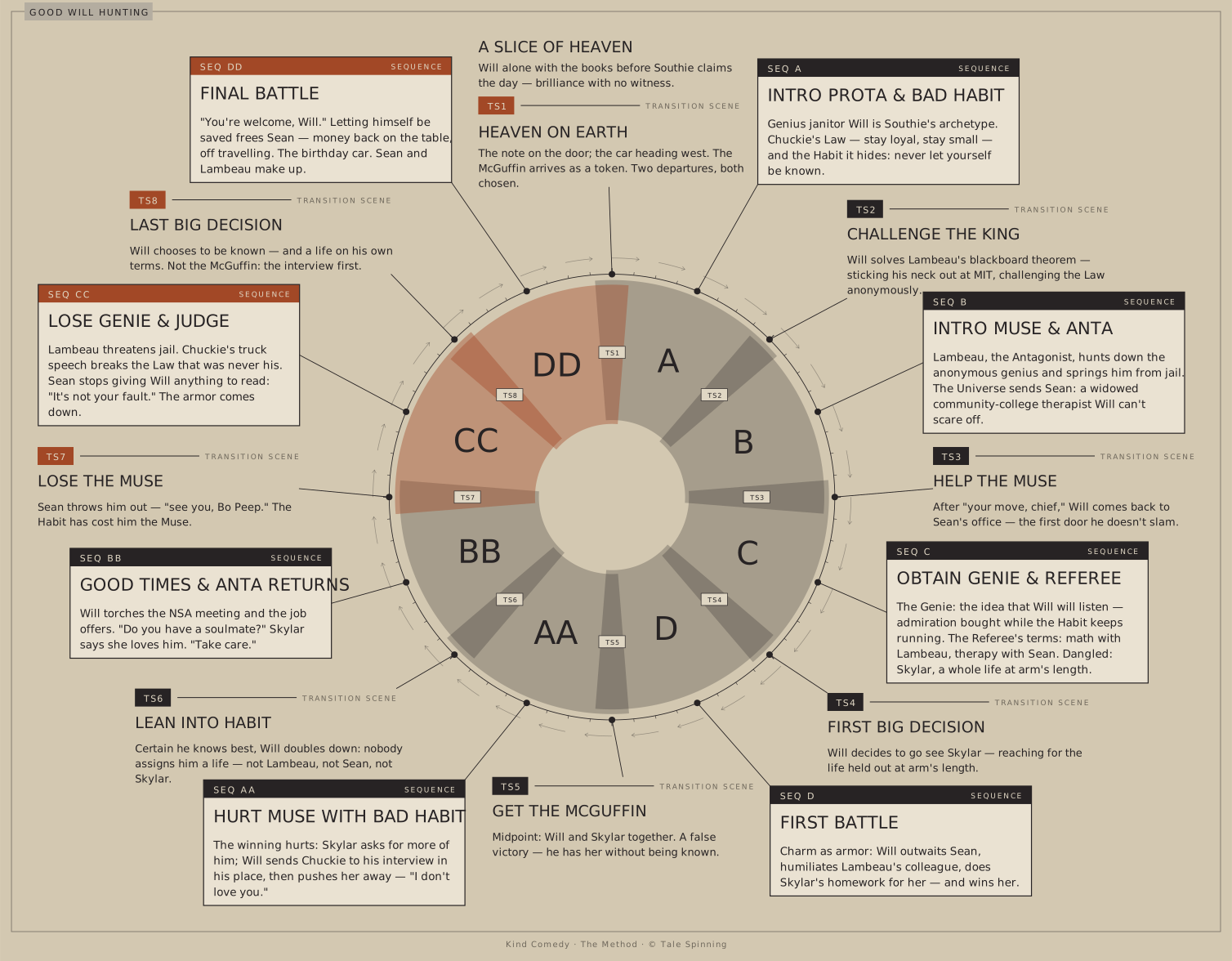
Here is the sequence, in order, and the order is the argument.
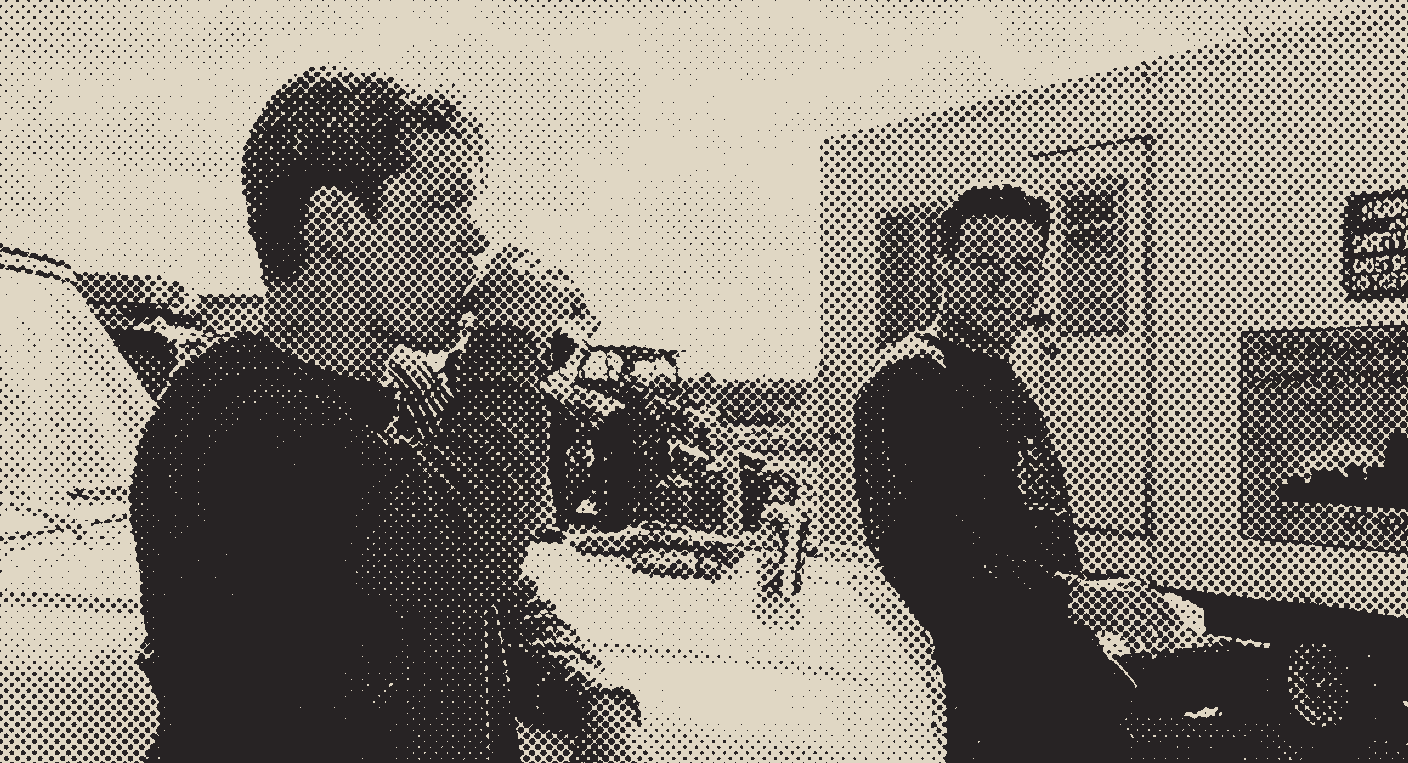
Will does not choose Skylar. He drops the Bad Habit. He lets himself be known, for the first time in his life, in Sean’s office, when Sean stops arguing and starts repeating: it’s not your fault. Again, and again, with nothing new in it and no angle left to read.
And the person that frees is Sean.
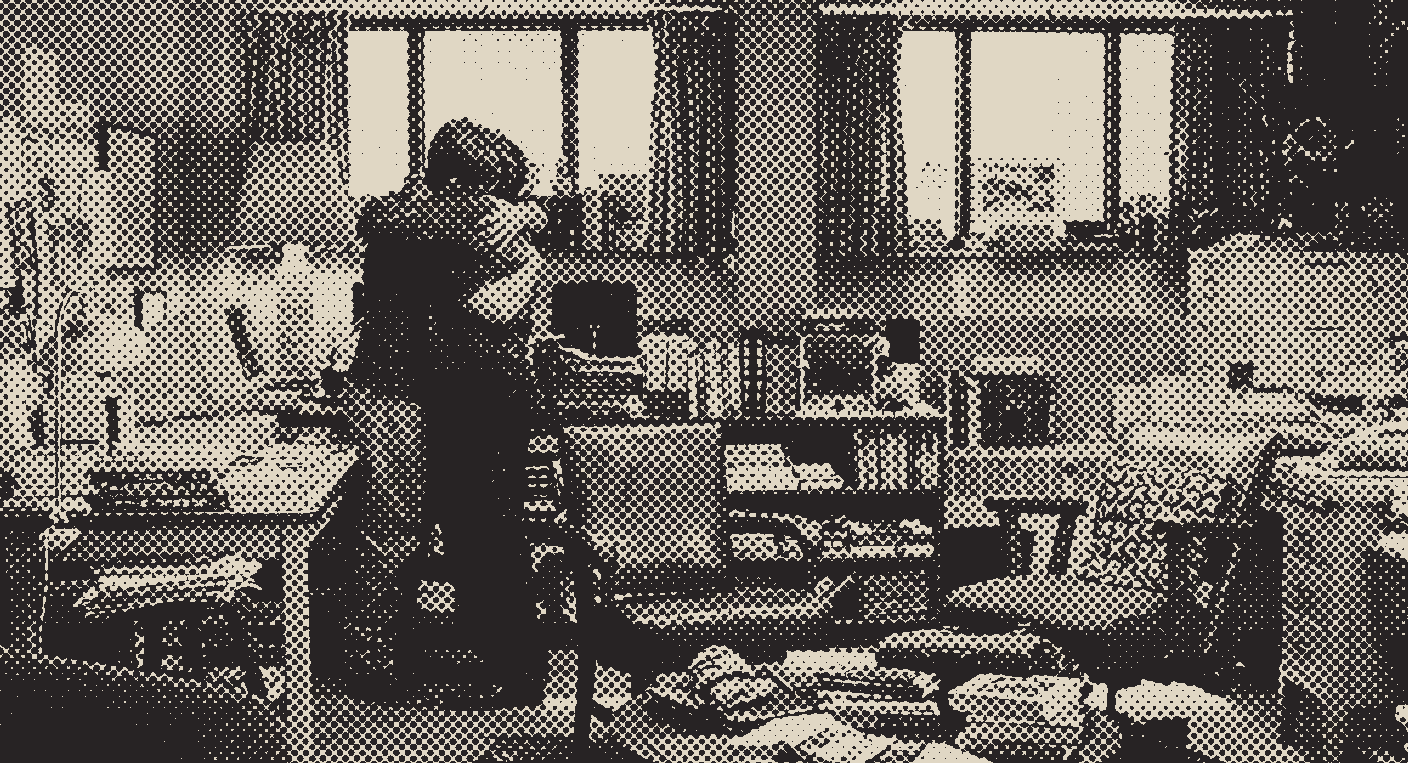
Because Sean has been using I chose love over ambition as cover for not putting his money back on the table since his wife died. A boy who takes every road is a problem for that story. A few minutes later Sean stops living inside it. He says “you’re welcome, Will,” and he goes travelling.
The Muse is saved. Only then does the McGuffin arrive, and it arrives as a token: the car, the note on the door, California.
Run it the other way round and it collapses. If Will drives west to get the girl, he has chosen the McGuffin directly, and no amount of good acting will put the arc back. Same destination. No change.
The two departures rhyme, and that is the close. Sean goes travelling and Will goes to California, and neither man is running from the other’s life. Both are money back on the table.
Two Questions for Your Own Third Act
The second act’s diagnostic ended on a question: has your protagonist chosen yet? Find the scene where they stop reacting and want something for themselves. The third act asks the harder follow-up. By now they have chosen. What did they choose?
Ask what the final choice is instead of. If it is a straight swap, this prize traded for that one, you have written a transaction. Change is not a preference between two goods. It is the dropping of the behaviour that made both of them impossible.
Then ask who is freed by it. If the answer is only your protagonist, the Muse is decoration and the prize was the goal the whole time. A third act that works frees somebody else first, and the protagonist collects afterwards, almost as an afterthought, which is precisely why it reads as earned rather than arranged.
That is the test. The prize is allowed to arrive. It just cannot be the thing that was chosen.
Tale Spinning is a method that grows stories from theme and character outward. Every beat earned, every beat inevitable. Works whether you're writing your own, evaluating someone else's, or developing with a team, across screenplays, novels, comics, and stage plays.
Keep reading
July 27, 2026
What Should Happen in the Second Act of a Story
Second act advice says raise the stakes and add complications. That is the instinct that makes middles sag. The second act is not where things get worse for your protagonist. It is where things get better, using the exact behaviour that will cost them everything.
Read →
March 31, 2026
What Should Happen in the First Act of a Story
Most first act advice tells you what to include — introduce your protagonist, establish the world, end with an inciting incident. But none of it explains what the first act is actually for. This article argues that the first act has one job: to prove that the protagonist's Habit works. Using Good Will Hunting as a case study, it breaks down the two sequences of the first act, the Home World, the Archetype, the King and the King's Law — and shows how the best first acts plant a theme twist that doesn't detonate until the very end.
Read →Every term used here is defined in the glossary.