Does a Protagonist Have to Be Likable?
You know this note. Somebody reads your pages and says it kindly: “I just don’t like him.” So you start sanding him down. A softer line here, a good deed there, a joke to take the edge off. And somewhere along the way he stops being interesting.
Your Protagonist does not have to be likable. The audience does not need to like a main character; it needs to understand them. Viewers will follow someone who is cold, rude or selfish for two hours, as long as they can see why that character behaves the way they do, and as long as the story is pushing on it. Likable and morally good are different things, and a Protagonist needs neither. What they need is to be forgivable. In the Tale Spinning Method, that comes from where the character’s Bad Habit started: something they once needed to survive, not something they chose for fun.
So when somebody tells you they don’t like your character, the fix is not to make them nicer. It is to make them understandable.
Likable is not the same as good
It is easy to hear “unlikable” and think it means “bad person.” It doesn’t. Plenty of good people are dull to watch. Plenty of the main characters we love most are people we would cross the street to avoid.
What makes your character hard to like is almost always the same thing: the way they get by. Maybe they keep everyone at a distance. Maybe they put themselves first, every time. Maybe they trust nobody and pay their way out of every problem. I call that the Bad Habit, and every Protagonist worth following has one.
Here is the thing I keep coming back to. Nobody picks up a habit like that for no reason. Somebody taught it to them, usually a long time ago, and for a while it kept them safe. I call that person the King. Your character is not cruel because they enjoy it. They are cruel because, once upon a time, it worked.
That is the difference the audience feels, even if they could never put it into words. A character doing something ugly because they had to is someone we can stay with. A character doing something ugly because they want to is someone we start rooting against. That second one is closer to a villain, and a villain can be your Protagonist too, as Training Day shows. But that is a different story.
So the job is not to make your character nicer. It is to show the audience the need behind the behavior. Here is how three films with famously hard-to-like main characters pull it off.
Show the reason before the behavior
The Game is one of my favorite films, and Nicholas Van Orton is not a nice man. He is rich, alone and all business. He ignores his ex-wife’s calls. He gets a waitress fired for spilling wine on him. When a man in a restroom asks him for toilet paper, he won’t help.
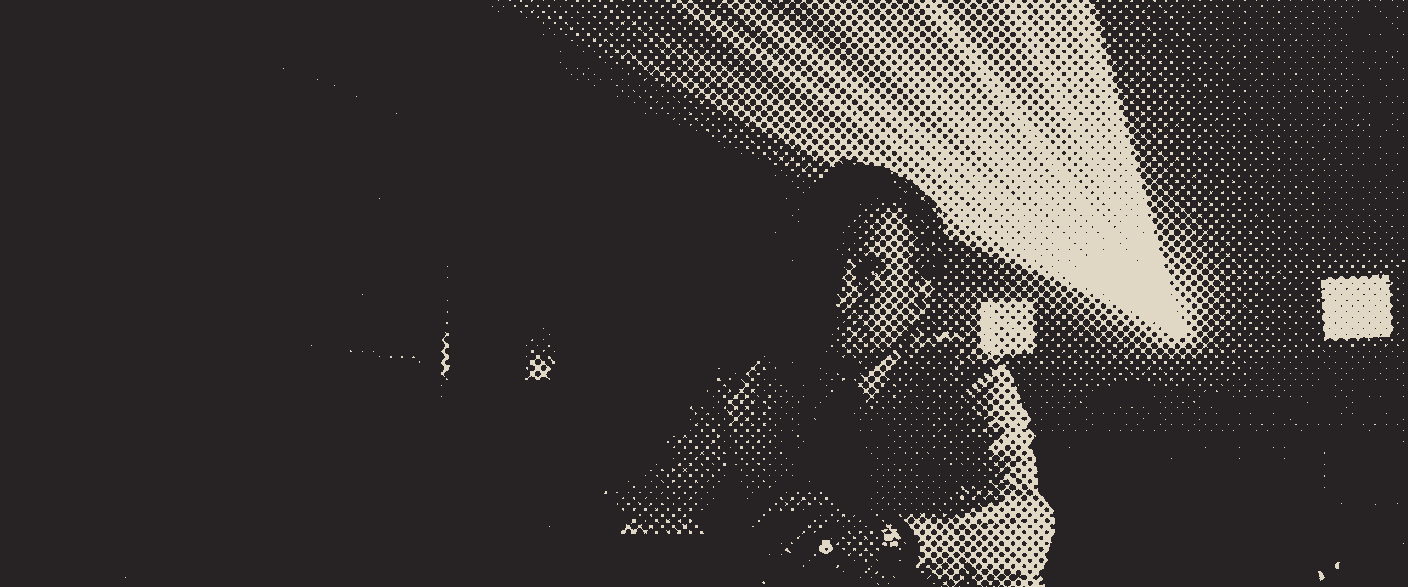
And still, we are with him from the first scene. Look at what that first scene is. The film opens on old home movies of Nicholas’s birthday as a little boy, and his father looks distant and uninterested. Then, on his birthday now, Nicholas puts on his father’s watch. The film shows us his father standing on the roof of the house. When his ex-wife finally gets through to him, she asks if this is a hard birthday, because he has turned the age his father was when he died. He is rude to her. And then we see his father jump.
By the time Nicholas is cold to anyone, we already know where the cold came from. The film doesn’t excuse him. It explains him, and it does so early.
Later, when his brother Conrad runs away from him in a tunnel, Nicholas yells after him: “Did I have a choice? Did I have a choice?” It is the one time he says out loud what the opening already showed us.
For your draft: look at the first scene where your character behaves badly. Now look at what comes before it. If the answer is “nothing,” move the reason up. It doesn’t need to be a flashback or a speech. A home movie, a watch, one line from somebody who knew them before. Give the audience the reason first, and they will forgive almost anything that follows.
Let the Habit hurt them more than anyone
Melvin Udall in As Good as It Gets might be the hardest Protagonist to like on this list. In the first minutes of the film he throws his neighbor’s dog down the garbage chute. At the restaurant he is racist to the people sitting at “his” table. And he tells Carol, the waitress who serves him, that they are all going to die soon, and it sounds like her son will.
So why don’t we walk out?
Because the film never lets us forget what his way of living costs him. We see him switch the lights on and off, again and again. We see him back down, scared, when Frank, who looks out for his neighbor Simon, confronts him. And then the dog he threw down the chute ends up in his care, and grows on him. When Frank tells him he will take the dog back the next day, Melvin cries. Soon after, he walks into his psychiatrist’s waiting room and asks everyone there: “What if this is as good as it gets?”
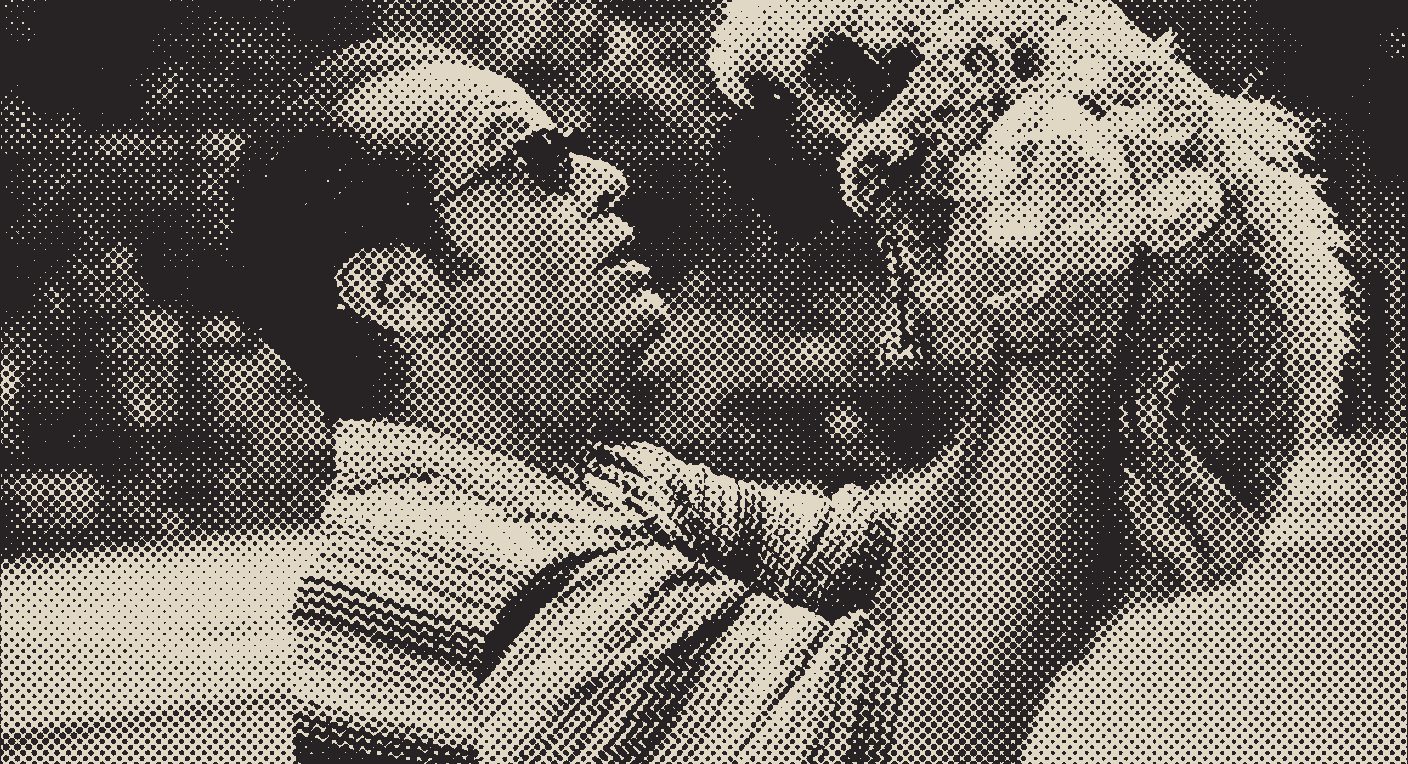
That is the moment I think the audience switches sides. Melvin is cruel to everybody, but the person he is hurting most is himself. He keeps the whole world at arm’s length, and it has left him with nothing but a dog that isn’t his.
For your draft: find a scene where your character’s Habit costs them something they want. Not a punishment from outside, but a loss they did to themselves. If your character is only ever hurting other people, the audience will side with those people. Let them see the Habit hurt its owner too.
Make the world push back
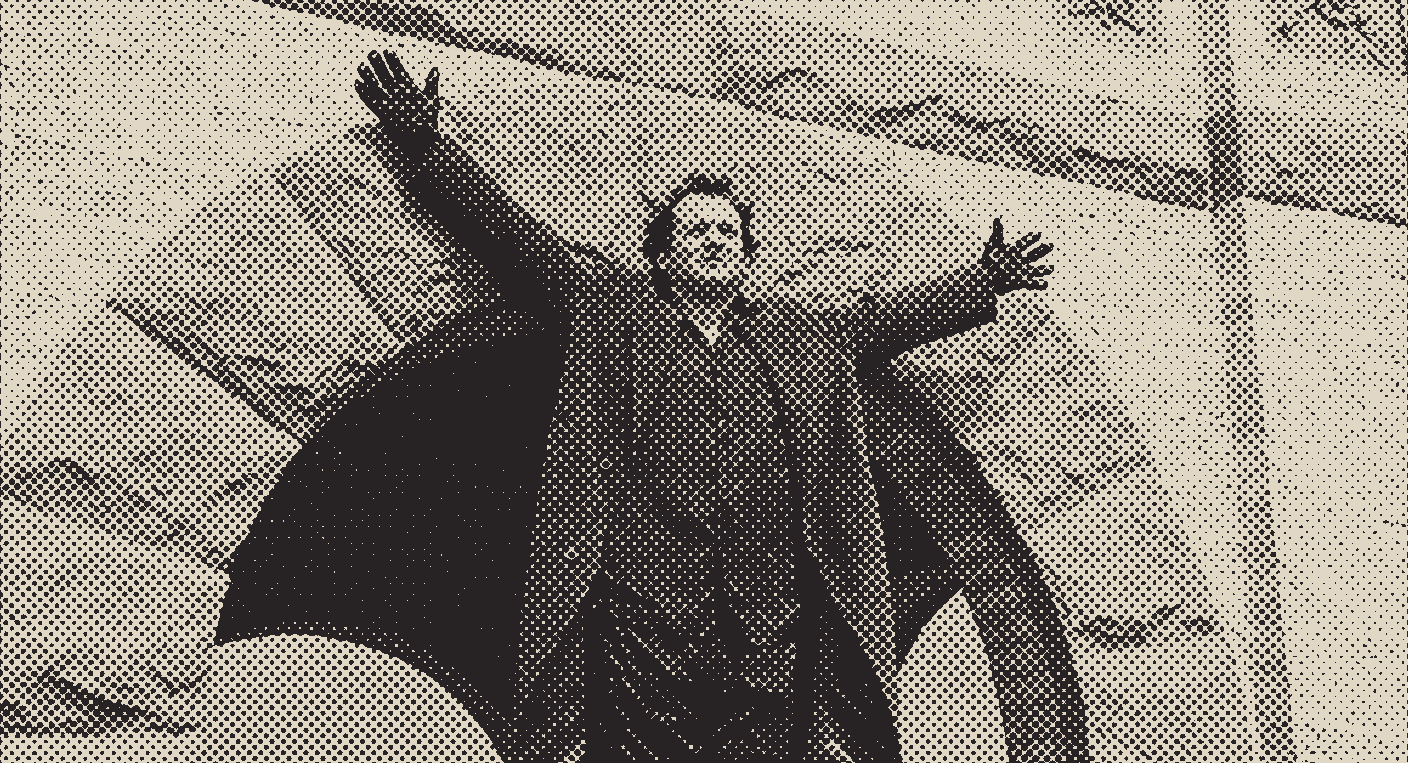
Phil Connors in Groundhog Day is a weatherman who thinks he is too good for the job, too good for the town, and too good for the people in it. He says it out loud, early: “People are morons.” His Bad Habit is looking after himself, at everyone else’s expense.
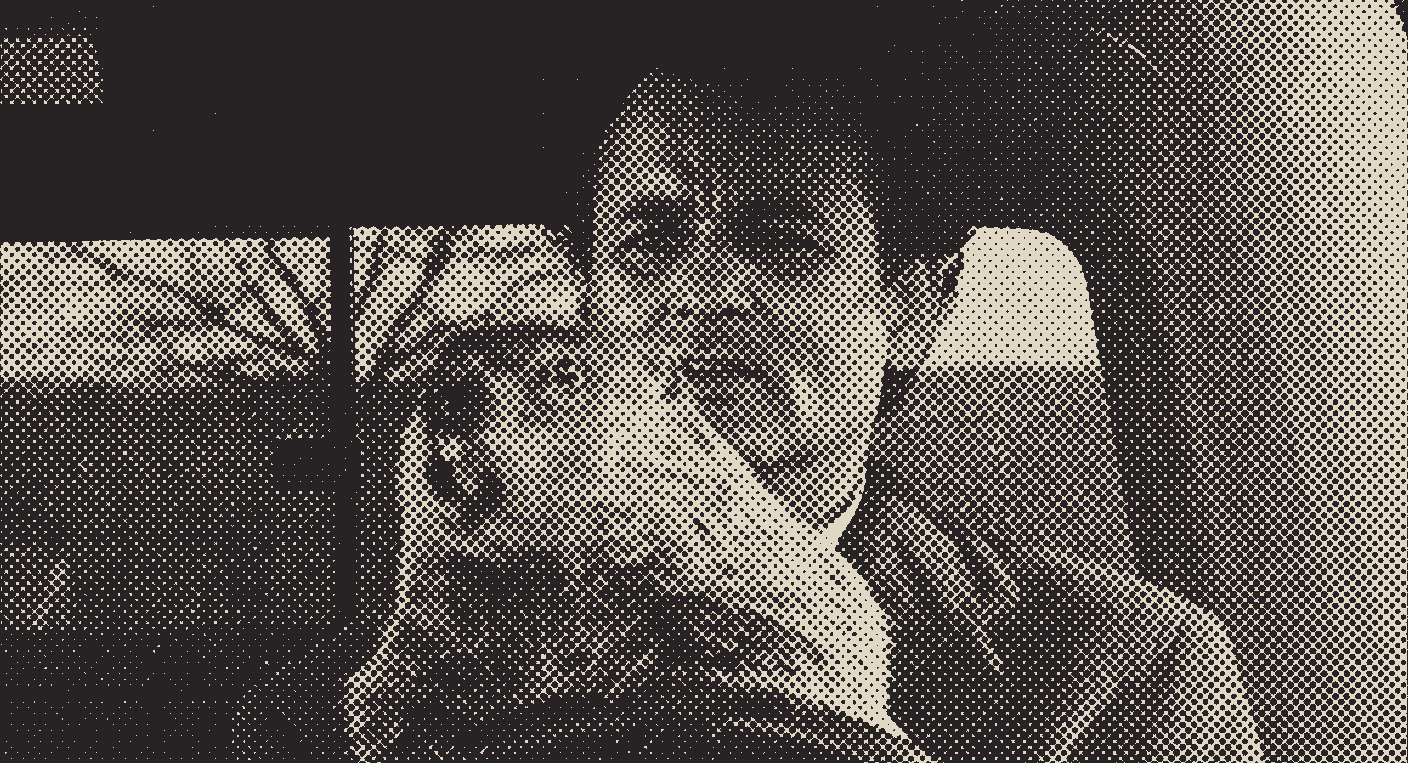
The film doesn’t show us where Phil’s Habit came from. It doesn’t need to, because it does something just as effective. It makes the world push back, immediately and relentlessly. He steps in a puddle. He tries to leave and gets snowed in. And then he wakes up and it is the same day again. And again.
We will put up with a lot from a character, as long as they are not getting away with it. Phil is a jerk, and the story is visibly making him pay. We get to enjoy it. And when he tries to win the day the old way, using what he knows from yesterday to get what he wants, it only makes him more miserable. By the time he finally starts to change, we have watched the Habit fail so many times that we want him to change as much as he does.
For your draft: check whether your story lets your character get away with it. If they are rude and nothing happens, the audience takes it personally. If they are rude and the story answers back, the audience leans in. The bigger the jerk, the harder the world should push.
Put someone worse next to them
The audience never judges your character on their own. They measure them against the people around them.
Go back to The Game. Nicholas is cold, controlling and solves everything with money. Then the film puts him up against CRS, the company running his game, and CRS turns out to work exactly the way he does: transactional, impersonal, everything bought and paid for. It hands him a form in disappearing ink. It sends a woman into his life to get close to him, and an armed squad to shoot up her house while he is in it. By the time it has buried him in Mexico with nothing but his father’s watch, Nicholas is the one we are worried about. Next to CRS, his worst habits start to look almost human.
The Devil Wears Prada does the same with two people. Andy puts the job before her friends and her boyfriend, because it is the only way in anyone has shown her. Miranda does exactly the same thing, from the top, where nothing forces her to. Next to Miranda, Andy’s worst moments look forgivable. (I go deeper into Andy and Miranda in the villain essay.)
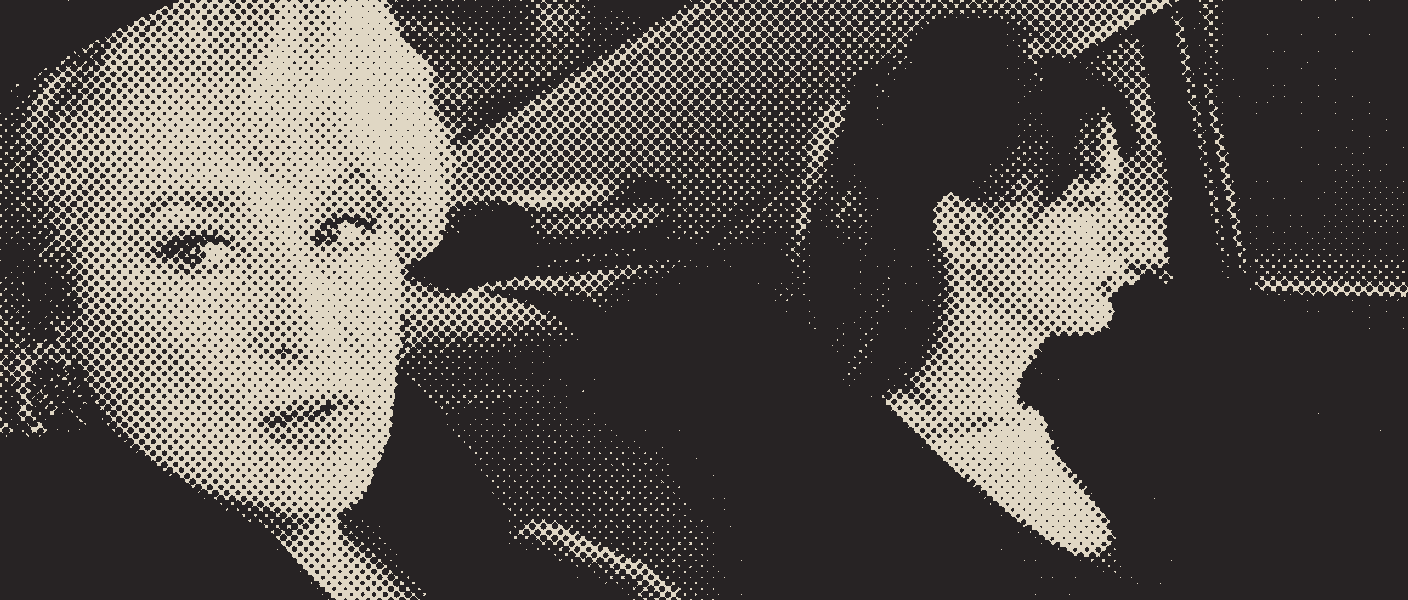
For your draft: write down the one thing your character keeps doing that readers don’t like. Then look through your cast for someone who does the same thing and doesn’t have to. If nobody does, that is a character worth writing. Your Protagonist doesn’t need to be a saint. They only need to be better than the worst version of themselves.
And then let them change
All of these characters change, and that is part of the deal you make with the audience. You are asking them to sit with someone difficult because something is going to happen to that person.
Nicholas, at the end, talks to his ex-wife honestly and openly, for the first time in years. Melvin tells Carol she makes him want to be a better man, and in the last scene he steps on the cracks between the paving stones, the ones he spent the whole film avoiding. Phil spends his days helping everyone in town, and at the end tells Rita he loves her, and this time he means it.
The audience stayed for that. If your character is hard to like at the start, the change at the end is what pays them back.
If readers still don’t like your character
Ask yourself four things.
Can the audience see why they do it? If the reason comes after the behavior, or never comes at all, move it up. One image is enough.
Does the Habit cost them anything? If they only ever hurt others, give them a scene where the Habit takes something from them.
Does the story push back? If they get away with it every time, the audience will stop forgiving them. Let the world answer.
Is there anyone worse? If your character is the worst person on the page, the audience has nobody to measure them against. Give them someone who does the same thing by choice.
If all four are in place and a reader still doesn’t like your character, that is fine. They don’t have to like them. Flat is a bigger problem than unlikable, and a character who makes people uncomfortable is rarely flat.
Your Protagonist doesn’t need to be likable. They need to be understood.
Tale Spinning is a method that grows stories from theme and character outward. Every beat earned, every beat inevitable. Works whether you're writing your own, evaluating someone else's, or developing with a team, across screenplays, novels, comics, and stage plays.
Keep reading
March 6, 2026
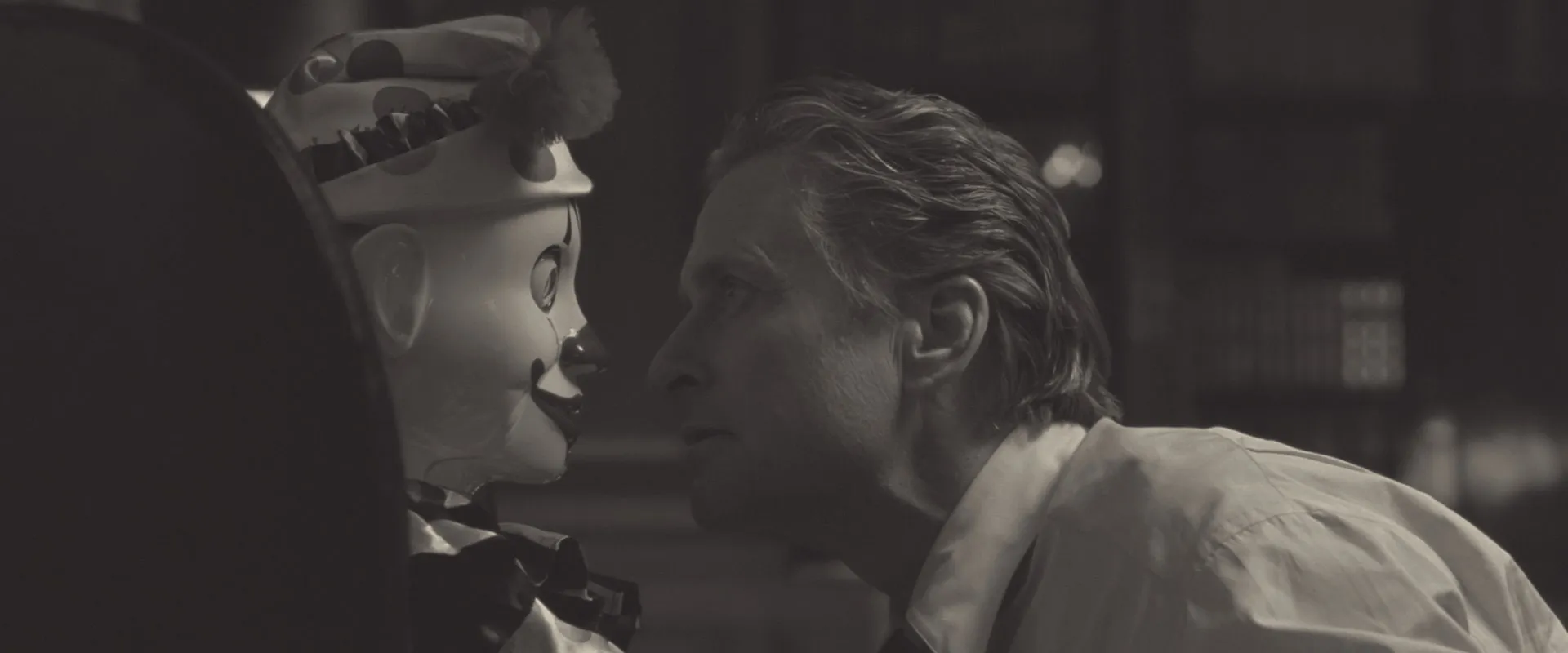
Why Your Character Feels Flat (And How to Fix It)
Most writers try to fix flat characters by adding backstory or personality details. But flatness is a structural problem, not a creative one. This article explains why every character in a story needs a specific Habit — and a defined opinion about the protagonist's Habit. Using The Game as a case study, it breaks down exactly why some characters feel vivid and necessary while others feel decorative, and gives you a two-question diagnostic you can apply to any character in your story right now.
Read →
February 6, 2026
The Villain Protagonist Problem: Why Training Day Isn't About Jake
Learn why your villain is more compelling than your hero - and why that's not a problem. This guide explains the Kind Tragedy story structure, where the villain is actually the protagonist. Using Training Day as a case study, discover how to identify your true protagonist and build stories where the hero saves the day but the villain drives the plot.
Read →Every term used here is defined in the glossary.