
Does Every Story Need a Villain?
Somewhere around the second draft the question comes up: who is the bad guy here? Nobody in the story is evil, so somebody evil gets added. A rival with a grudge. He gets three scenes and a comeuppance, and the story is exactly as slack as it was before.
A story does not need a villain. It needs an Antagonist. In the Tale Spinning Method, that is the character who stands in your Protagonist’s way and has the same Bad Habit, the same harmful way of getting by. Your Protagonist learned it because they once had to. The Antagonist does not have to. They choose it. That character can be a villain. They can just as easily be a decent man with a plan for somebody else’s life. Whether they are a villain comes down to two things: did they choose to be cruel, and how many people did it hurt?
That is why the added bad guy does nothing. He is cruel, and that is all he is. He has nothing to do with the thing your Protagonist keeps getting wrong, so beating him fixes nothing.
Three films show the difference between an Antagonist and a villain. In the first, one life is at stake. In the last, a whole city.
Lambeau: in the way, and not a villain
Will Hunting pushes people away before they can leave him. That is his Bad Habit, and the film spends its whole first act showing that it keeps him from getting hurt. It also shows where the Habit comes from. Late in the film he and Sean, his therapist, talk about his file and the abuse in it. He learned to push people away because it once kept him safe.
Lambeau is the professor who posts the problem on the hallway blackboard, finds the janitor who solved it, and gets him out of jail on the condition that he does the mathematics and sees a therapist. He has Will’s Talent, mathematics, only less of it, and he has the same Habit: he pushes people away too. Sean is an old friend of his, and Lambeau was not at the funeral of Sean’s wife. It still bothers Sean. Nothing forced that on Lambeau. He chose the work.
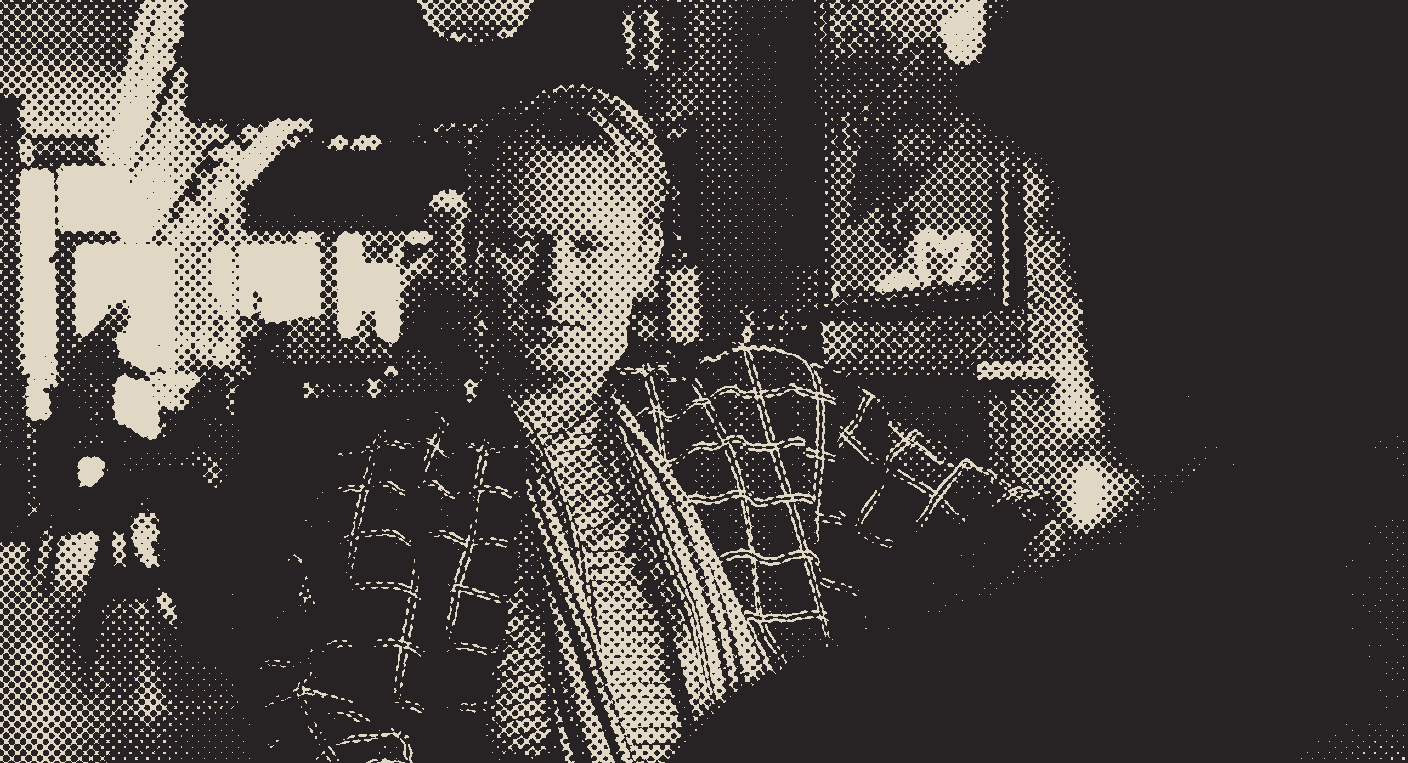
And he is in the way. Lambeau wants Will to live Lambeau’s life: success, and only success. When Will tells him he may not want to spend the rest of his life explaining things to people, the mathematics ends up on fire, and Lambeau goes after the burning pages and says that most days he wishes they had never met. When Will stops showing up, Lambeau threatens to report him, which would put him back in jail. Sean finally has to tell Lambeau to his face that Will is not him.
Is Lambeau the villain of Good Will Hunting? No. He is its Antagonist, and he is not trying to hurt anyone. He thinks he is saving a gift from the boy who is wasting it. And the most he can damage is one life: Will’s. By the end of the film, he and Sean have made up.
Good Will Hunting puts no bad guy in Will’s way, and the film does not feel like it is missing one. Make Lambeau cruel and Will no longer has to change. He only has to get away from a bad man.
Miranda Priestly: it depends who you ask
People still argue about whether Miranda Priestly is the villain of The Devil Wears Prada.
Andy takes the job at the magazine for one reason. Emily, who already works there, gives it to her before Miranda has even arrived: work for Miranda for a year and you can get a job at any magazine you want. Being Miranda’s assistant opens doors, Andy tells her father. So the job comes first. When she tells Nigel, who has been mentoring her, that her personal life is hanging by a thread, he answers that this is what happens when you do well at work. She works on her boyfriend’s birthday. The person whose calls you always take, her boyfriend tells her, is the relationship you are in, and the two of them take a break.
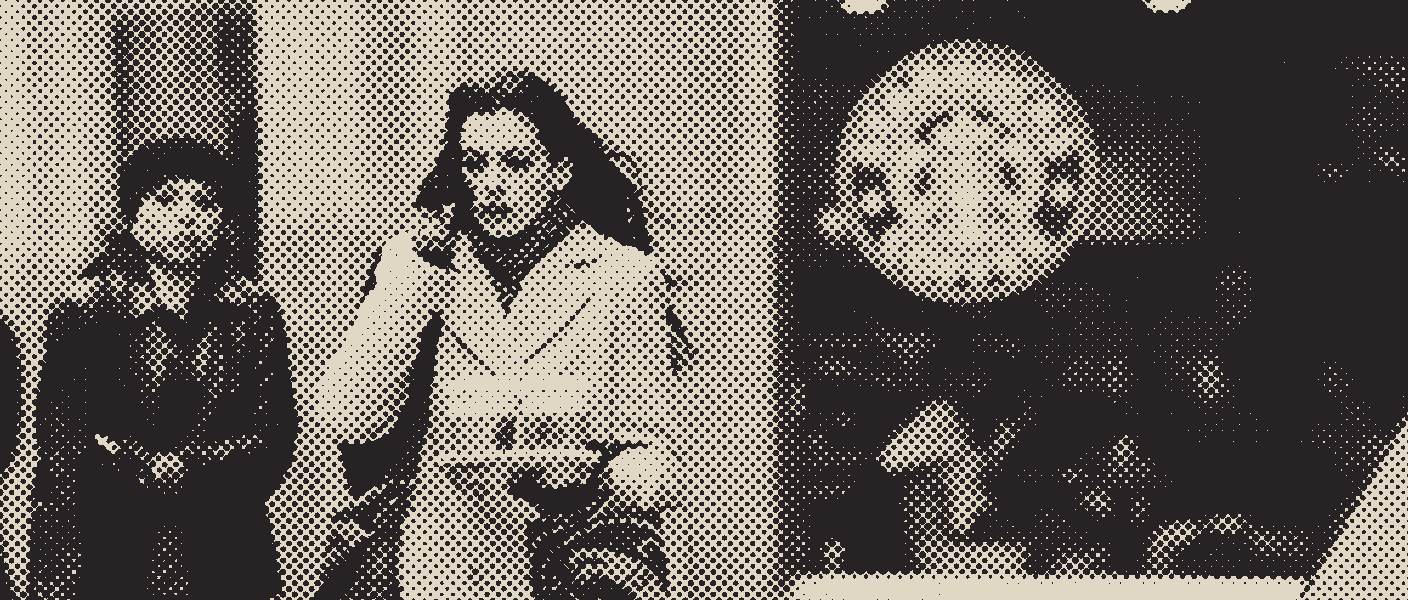
That is Andy’s Bad Habit: the job before her people. She has a reason for it. It is the only way into the work she wants that anyone has shown her.
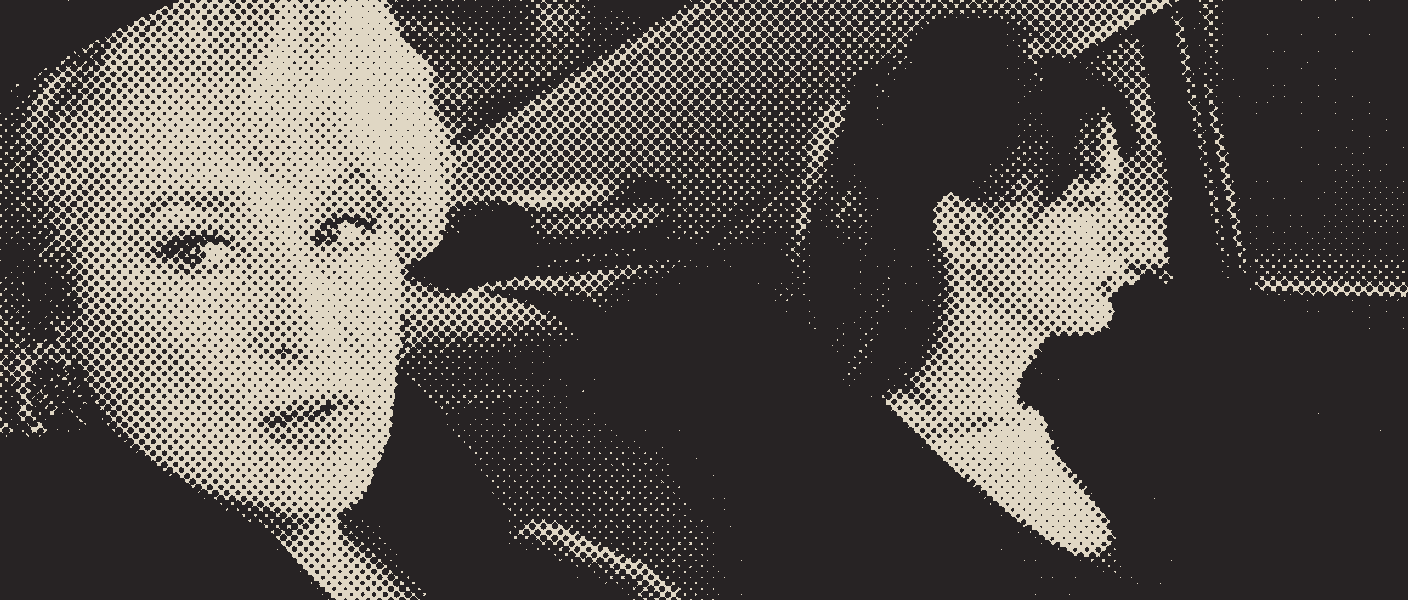
Miranda has the same Habit and no reason at all. She is the editor-in-chief. There is no door left for her to get through, and she still puts the job first. She takes Andy to Paris instead of Emily, and makes Andy tell her. In Paris her marriage is ending, and she cries about it in front of Andy. Then, with her own job about to go to someone else, she saves it by giving away the job Nigel had just landed, and loved.
“I see a great deal of myself in you,” Miranda tells Andy. Andy says she could never do what Miranda did to Nigel. “You already did. To Emily.”
Andy walks away. When Miranda calls, she throws the phone into a fountain, which is her answer to what her boyfriend said about phone calls. She apologizes to him. She gives Emily the clothes from Paris. She drops her Bad Habit; she no longer chooses the job over the people, and it is this decision that changes her life. The film leaves room for Miranda to do the same, but only after Andy has shown her the way.
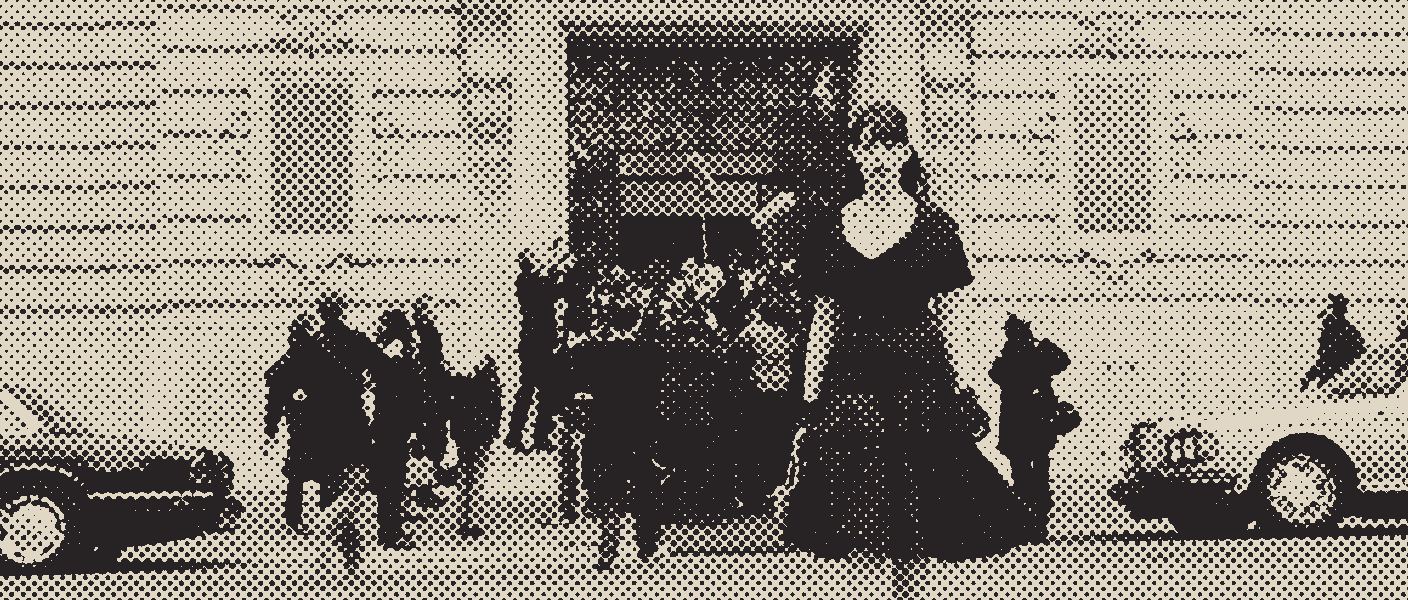
So is Miranda the villain? She is cruel on purpose, to Emily and to Nigel, and that is more than anyone can say of Lambeau. But when Andy interviews for another job at the end, Miranda’s review of her is glowing.
She is definitely the Antagonist opposite Andy. She makes selfish choices but probably tells herself that she is just protecting the magazine. But compared to Lambeau, her behavior reaches much further. Everyone in the fashion industry is aware of how she treats people, and nobody seems able to stop her. Is that enough to make her a villain?
Bellwether: no argument
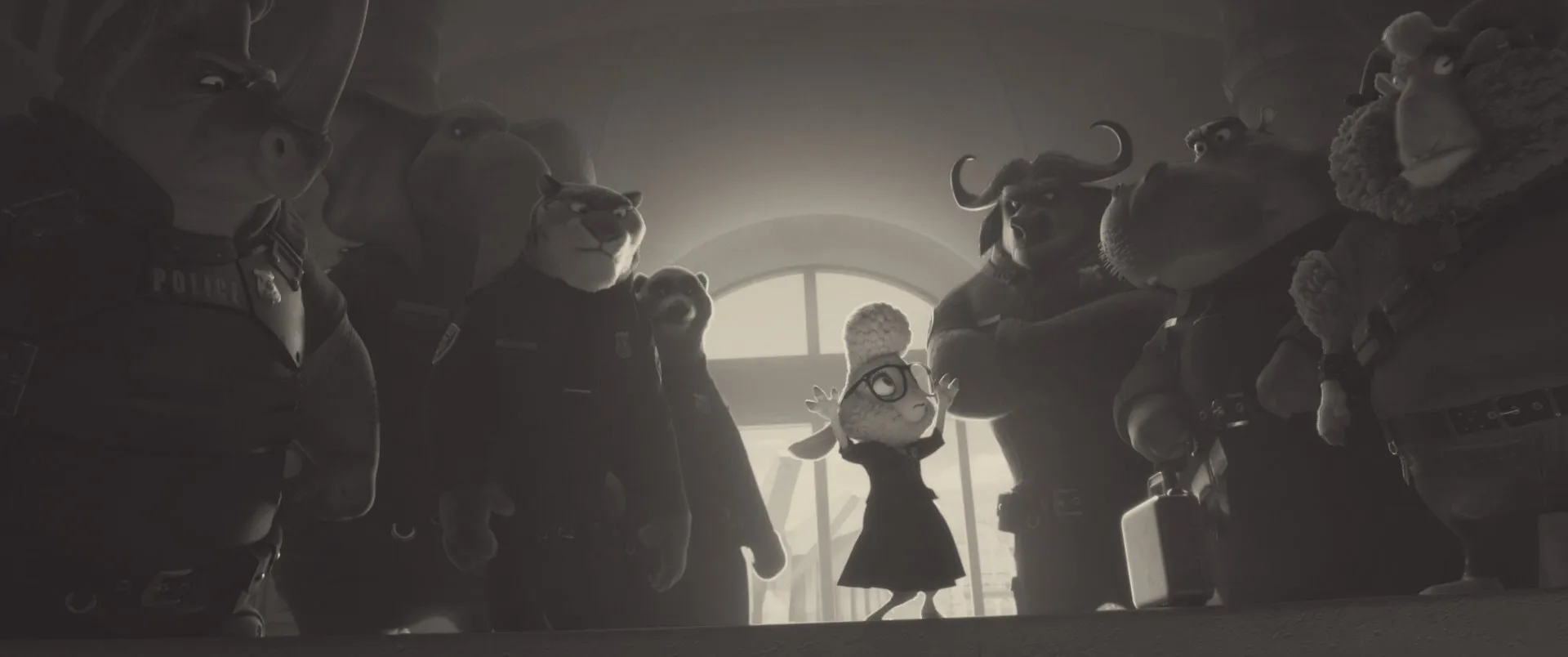
Judy is a rabbit who wants to be a cop in Zootopia, the city where predators and prey now live together. When her parents try to talk her out of it, she tells them she wants to make the world a better place.
Her Bad Habit is judging others by what they are, and she has a reason for it. A fox scratched her when she was a child and told her to remember the moment. Her parents send her off to the city with fox deterrents, and on her first day of work she decides to take one along after all. She sees a fox and assumes he is up to no good. The fox is Nick, and he names the Habit for her: you can only be what you are. Sly fox, dumb bunny.
For most of the film, Bellwether is on Judy’s side. She is the assistant mayor, a sheep. When Judy is about to be fired, Bellwether steps in, and Judy gets forty-eight hours to solve one of the city’s missing-animal cases. Later Bellwether gets her the traffic cameras.
Then Judy does the damage herself. She finds the missing animals, all of them predators, all of them gone savage. Afterwards she talks too much about predators, and the city panics. Nick, the fox she has just asked to be her partner, calls her on it: “Are you afraid of me?” Judy believes she has split the city. When Bellwether asks her to be the face of the police department, she says, “I’m not a hero.” She came to make the world a better place, and she thinks she broke it. She quits.
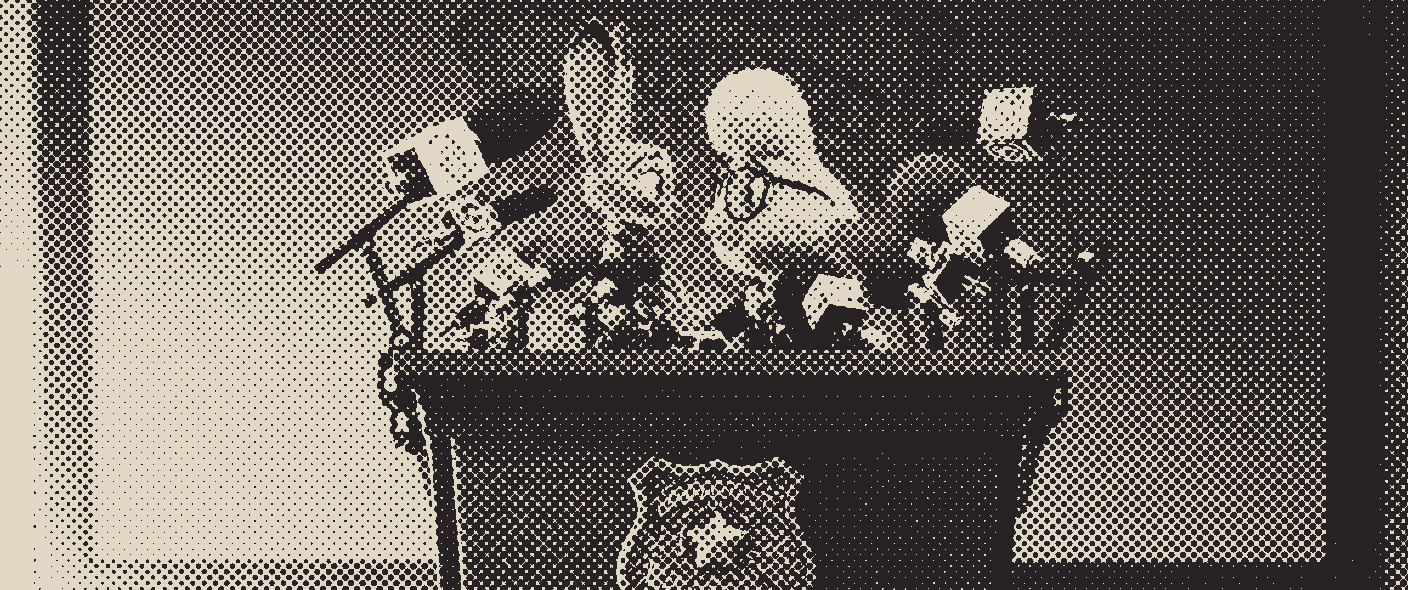
Judy’s Habit hurt a whole city, and she is still not a villain. She did not mean to do it, and the moment she sees a way to undo it, she takes it. She goes back to Nick and apologizes.
Bellwether, mayor by now, turns out to have been doing the same thing on purpose. One of her rams has been shooting predators with something made from night howlers, a flower that makes an animal go savage. Prey outnumber predators ten to one, she says, and they will be unstoppable. She traps Judy and Nick, shoots Nick too, and calls the police to report a savage fox. Then she explains herself: “Fear always works.”
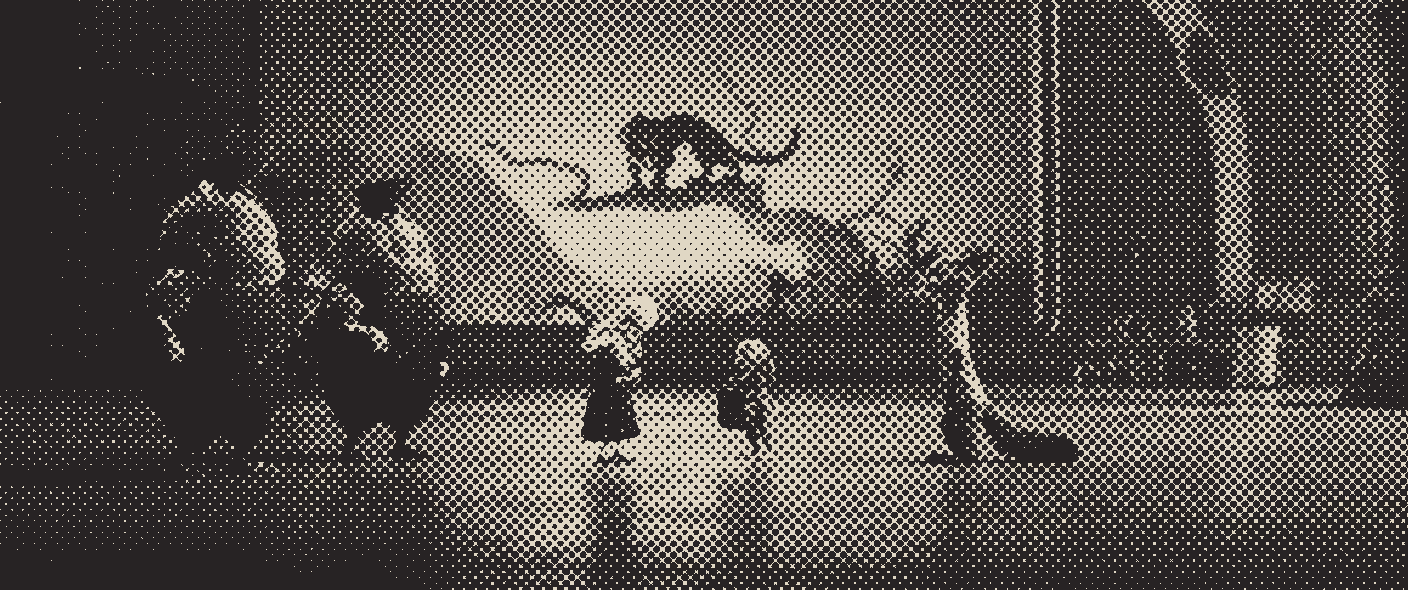
Judy hurt the city by accident and tried to undo it. Bellwether planned it. That is why nobody argues about who the villain of Zootopia is.
It also explains her job. Judy wants to fix a whole city, so the character in her way has to be able to wreck one, and that takes a mayor. Will only wanted a life of his own, and a professor was enough.
Bellwether, from the beginning, was out to destroy the world as it was. Lambeau just wanted to be the shepherd of Will’s genius. Both needed to be stopped, both had selfish intentions and both shared a misguided idea with the Protagonist across from them. Both were clearly Antagonists, but only Bellwether was a true villain. Miranda? Also an Antagonist, but was she really the Devil? I’ll leave that up to you.
Sometimes the villain is the one you follow
The Antagonist is not always the villain, and the villain does not have to be the Antagonist. Training Day follows Alonzo, a corrupt cop, selfish and vicious by choice toward the very people he is paid to protect. The audience roots for the rookie beside him, but the film is about Alonzo’s last day alive, not Jake’s first day on the job. The Protagonist is the character the story is about, and that is not always the one you root for. Here it is Alonzo, so in this film the villain is the Protagonist.
The same holds here: Alonzo is only trying to save himself, but he is ruthless in his methods. He is willing to sacrifice anyone for his own wellbeing. That is what makes him a villain.
What to do with your own draft
Start with the Habit, not the bad guy. Write down the one harmful thing your Protagonist keeps doing because they once had to. Will pushes people away. Andy puts the job first. Judy judges on sight. Next to it, write why they needed it. Will was abused as a child. Andy was told it was the way into the work she wanted. Judy was attacked by a fox.
Then go through your cast and find the character who does the same thing and does not have to. That is your Antagonist. Look first at whoever has power over your Protagonist: Lambeau, Miranda and Bellwether all outrank the person they block. If nobody fits, that is the character to write.
Put them in the way, with just enough power to block what your Protagonist wants. In Ratatouille, Remy is a rat who wants to cook, and Skinner runs the kitchen he wants to cook in. He is not the president of France. Similarly, in The Big Lebowski, a man who just wants his rug back does not end up fighting an evil emperor.
Only then decide whether they are a villain. Does your story require an Antagonist who wants to destroy the world as it is? If so, make them hurt people on purpose. If not, a story without a villain is not missing anything. Sometimes, you just need a Lambeau, not a Bellwether.
Tale Spinning is a method that grows stories from theme and character outward. Every beat earned, every beat inevitable. Works whether you're writing your own, evaluating someone else's, or developing with a team, across screenplays, novels, comics, and stage plays.
Keep reading
February 6, 2026
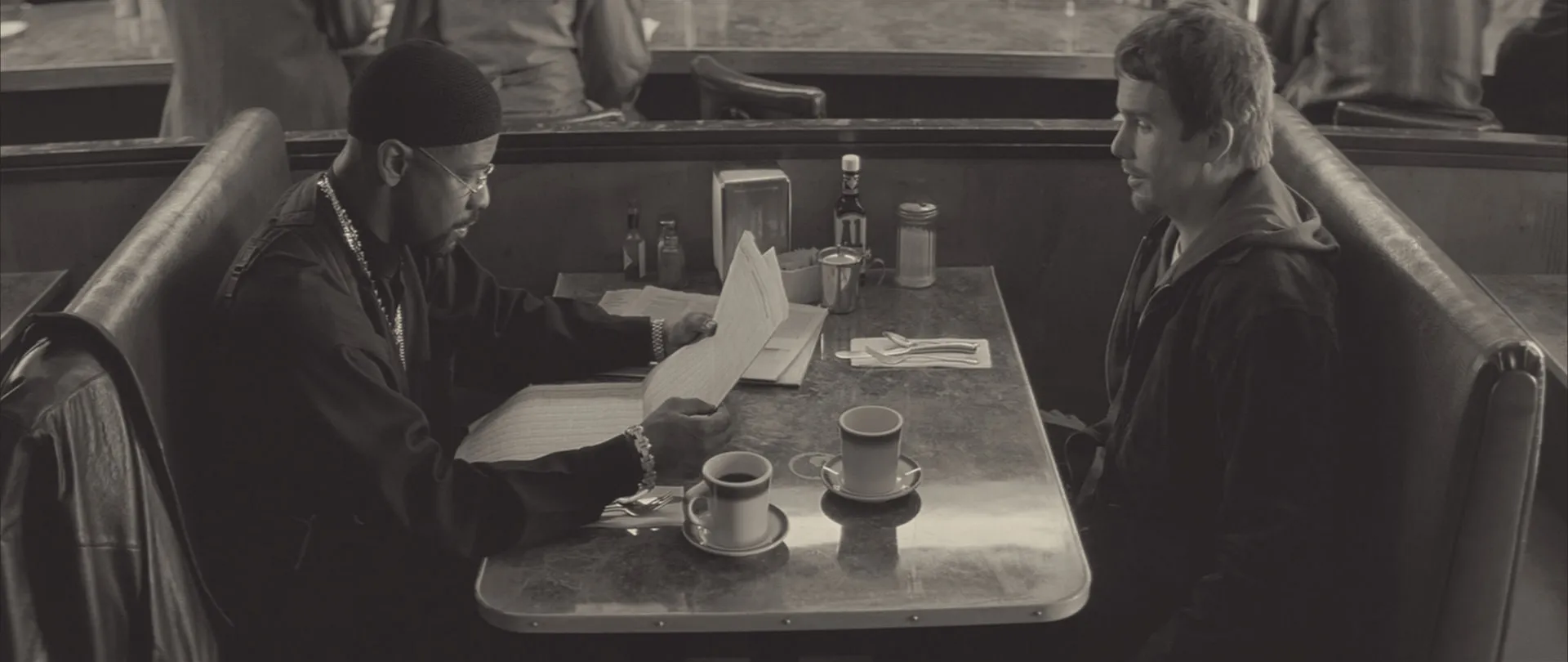
The Villain Protagonist Problem: Why Training Day Isn't About Jake
Learn why your villain is more compelling than your hero - and why that's not a problem. This guide explains the Kind Tragedy story structure, where the villain is actually the protagonist. Using Training Day as a case study, discover how to identify your true protagonist and build stories where the hero saves the day but the villain drives the plot.
Read →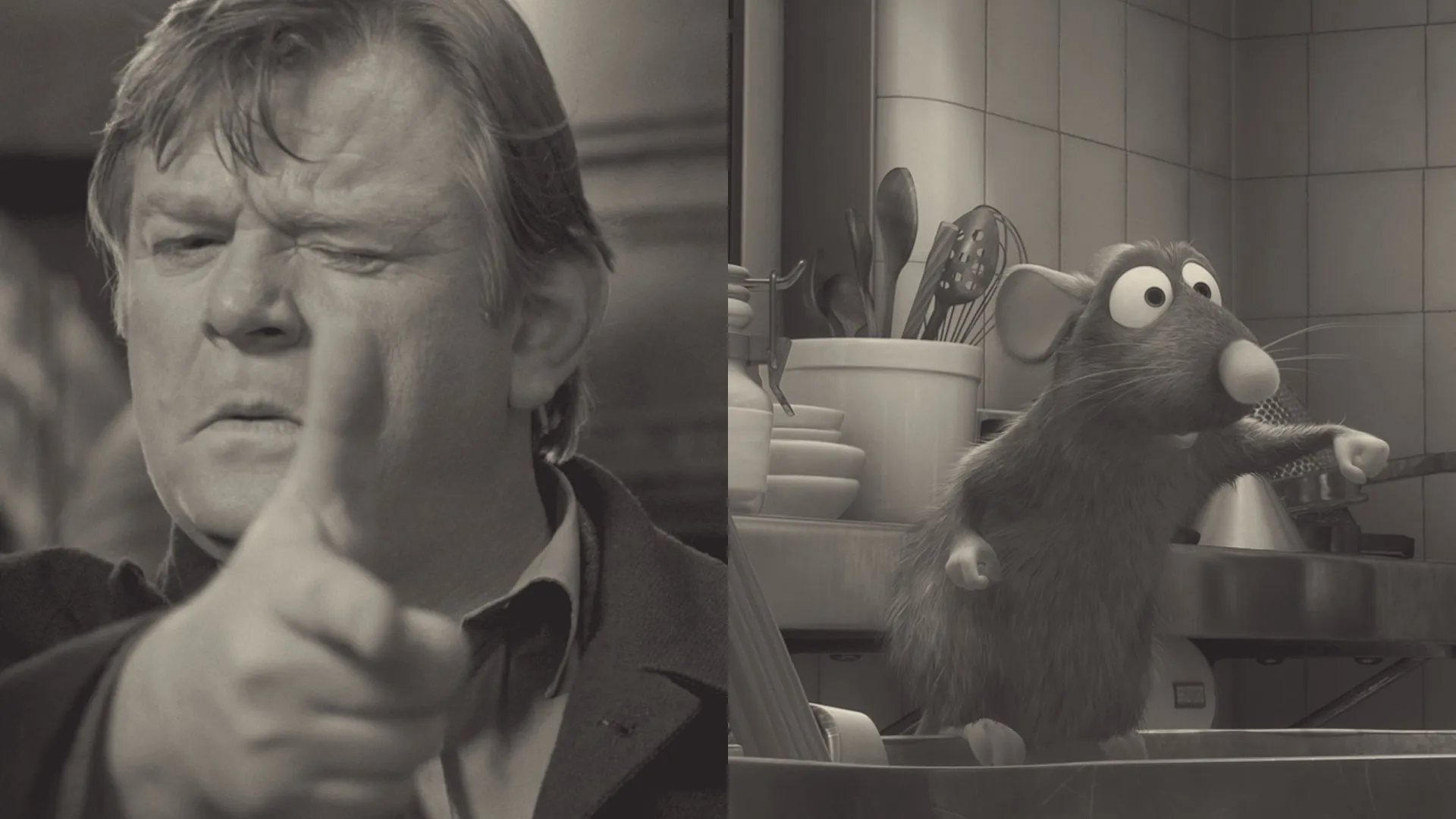
June 14, 2026
In Bruges and Ratatouille Are the Same Movie
A Pixar film about a rat and a brutal crime film about hitmen run on the exact same structure: same protagonist, same false victory, same earned, honest ending. On the surface they share nothing; underneath, they are the same story. Here is the breakdown, beat for beat, and why it is structure, not surface, that makes a story work.
Read →Every term used here is defined in the glossary.