
How to Write a Protagonist Who Does Almost Nothing
The note comes back from a reader, a writing group, a coverage report, and it is always worded the same way: your protagonist is too passive. Things happen to them. Other characters drive. They react. The fix that usually follows is just as standard: give them a goal, make them want something, have them push the plot. It produces a busier character. It very rarely produces a better story.
Here is what the note gets wrong. A character in a story is made of two kinds of things: what they are, which does not change, and what they do to stay safe, which can. Courage, intelligence, charm, temper, these are traits, and a story cannot move them without the reader feeling cheated. But a behaviour learned early, repeated because it once worked, and kept long after it stopped working, that can be dropped, and dropping it is what a character arc is. The Tale Spinning Method calls that behaviour the Bad Habit: the one thing in a character that is allowed to change. An arc is the unlearning of exactly one such habit. Not a personality transplant. One behaviour, given up, at a cost.
A passive protagonist is almost never a character who does too little. It is a character whose habit is keeping themselves out of things, and whose story has not yet made that habit cost anything. Passivity is not the absence of a habit. It is the habit, and for a long time it is a good one: the neutral man survives the occupation, the obedient child survives the bathhouse, the loner survives the wasteland. The fix is not more activity. It is pressure: a first act that proves the habit works, a middle that lets it win for the wrong reasons, and an ending that turns on one choice only the protagonist can make. The protagonist is whoever pays for dropping the habit, not whoever does the most.
That changes the job. If passivity is a flaw, the fix is to remove it, and you get the busy character who wants things and pushes the plot and still leaves the reader cold. If passivity is a habit, the fix is the same as for any habit: show where it came from, show it working, show what it costs, and make the character choose to drop it at the moment keeping it would cost more. That is a structure, and it can be built.
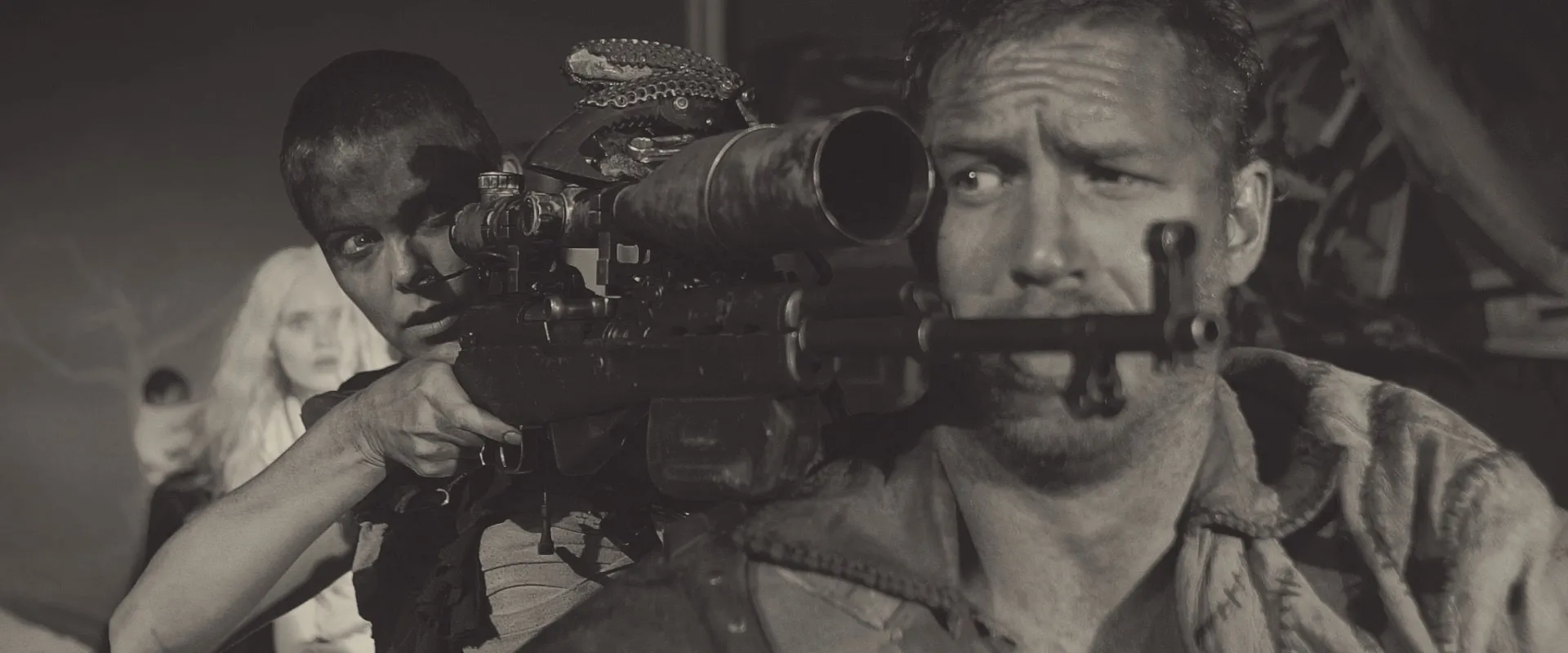
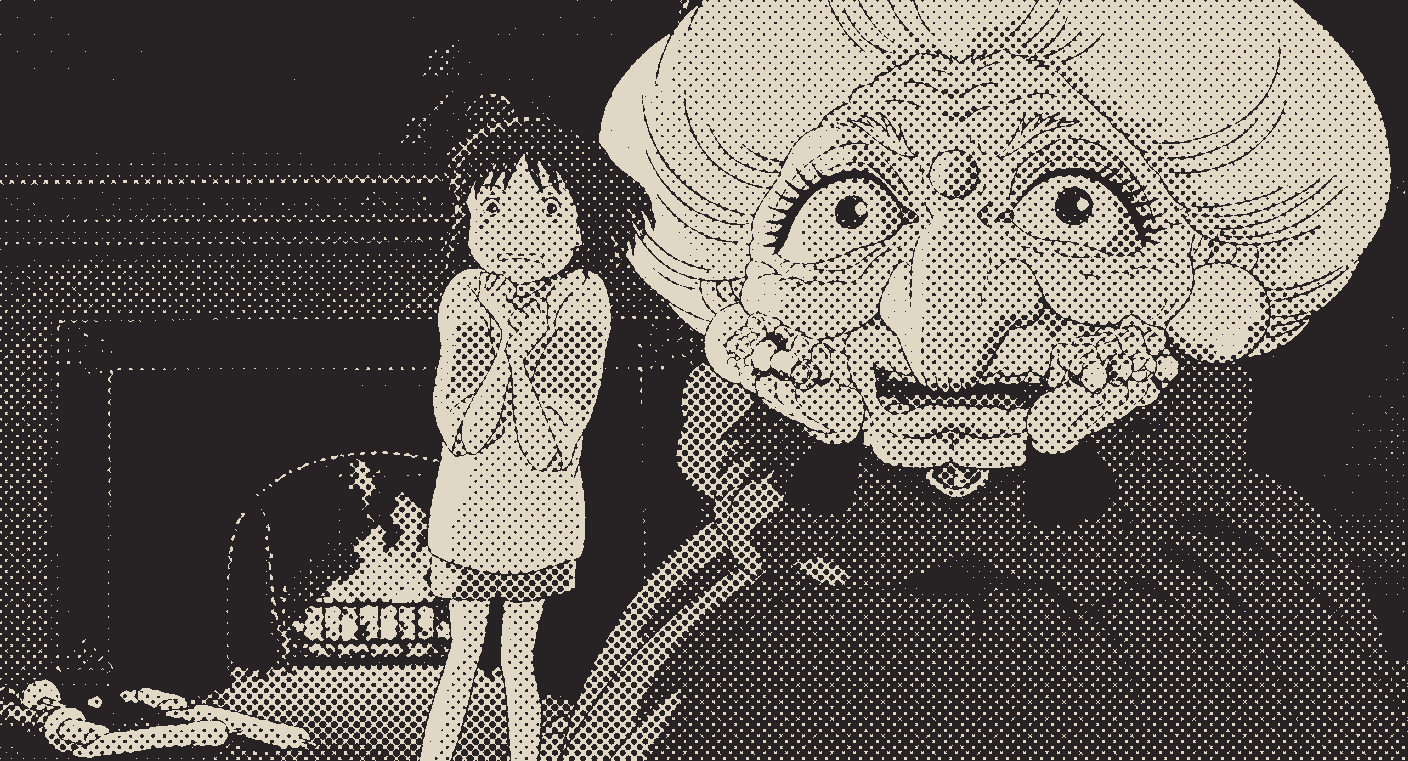
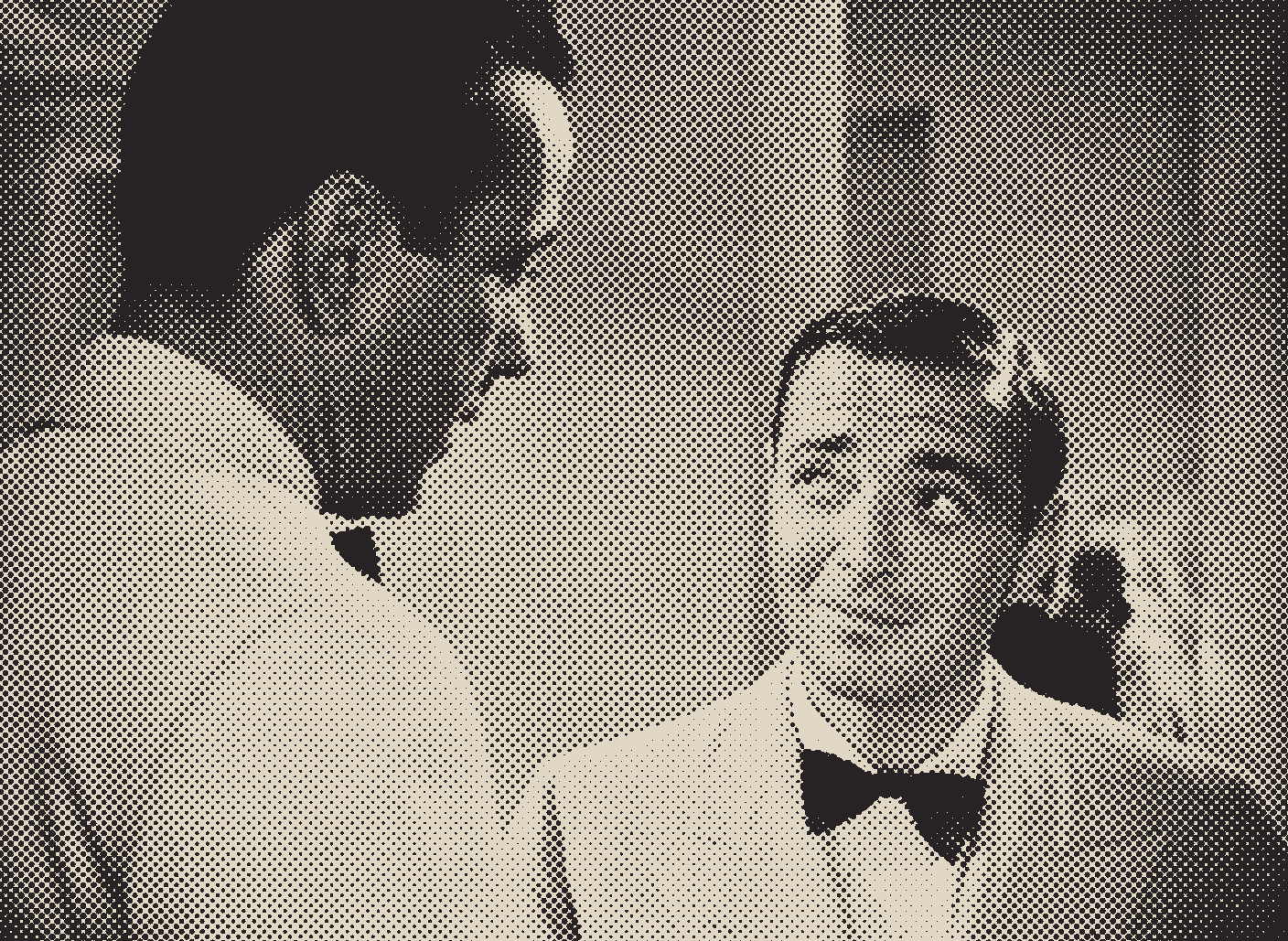
Three films get called passive more than almost any others, and all three are built exactly this way. Rick in Casablanca refuses to take sides for an hour and a half. Chihiro in Spirited Away is dragged, fed, renamed and assigned for most of her film. Max in Mad Max: Fury Road spends his first half hour strapped to the front of somebody else’s car, and Furiosa has the plan, the rig and the wheel. On the surface the three share nothing. Underneath, they run on one habit, and they solve the passive problem with the same six moves. Here they are, in the order you would build them.
Give the habit a line
Start by writing down what your protagonist does to keep themselves safe. Not what they want. What they do. For these three films the answer is one habit in three costumes.
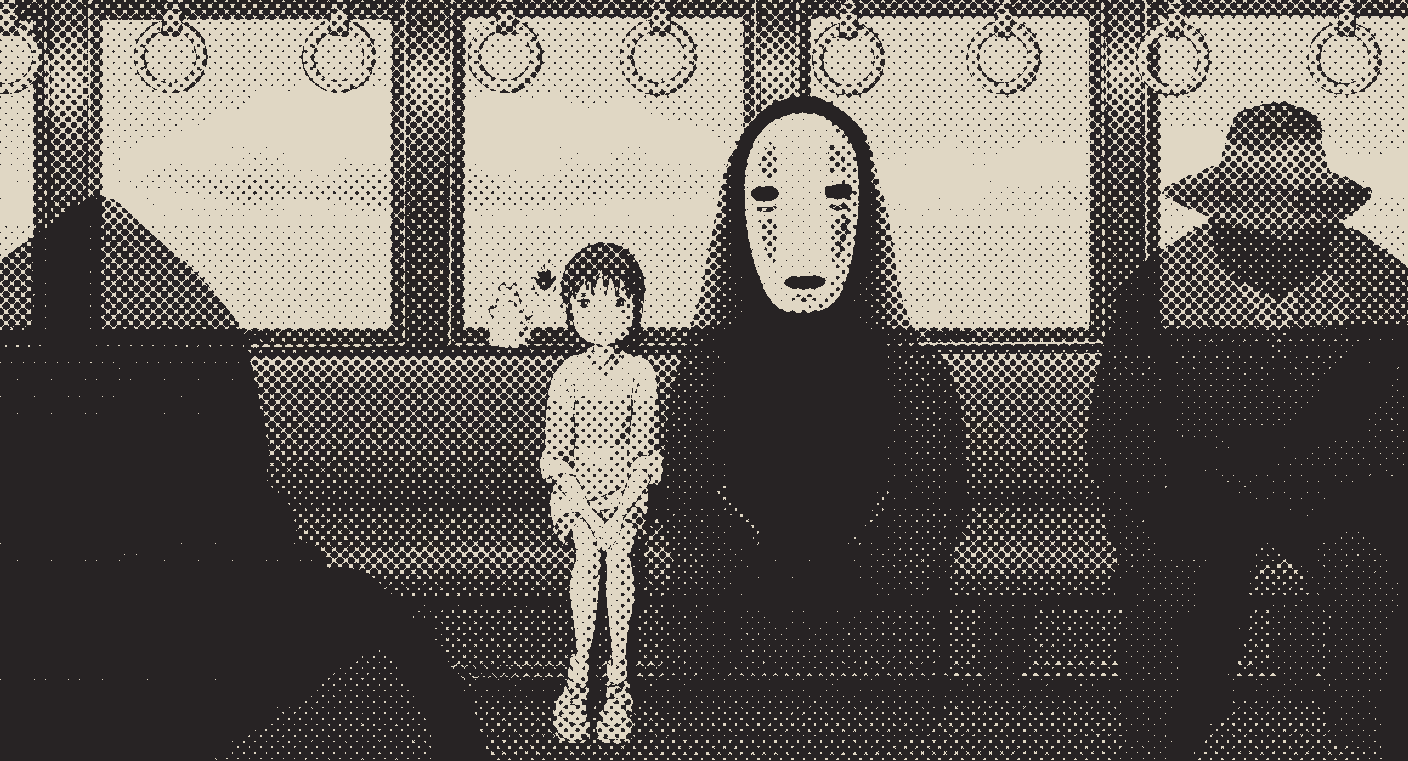
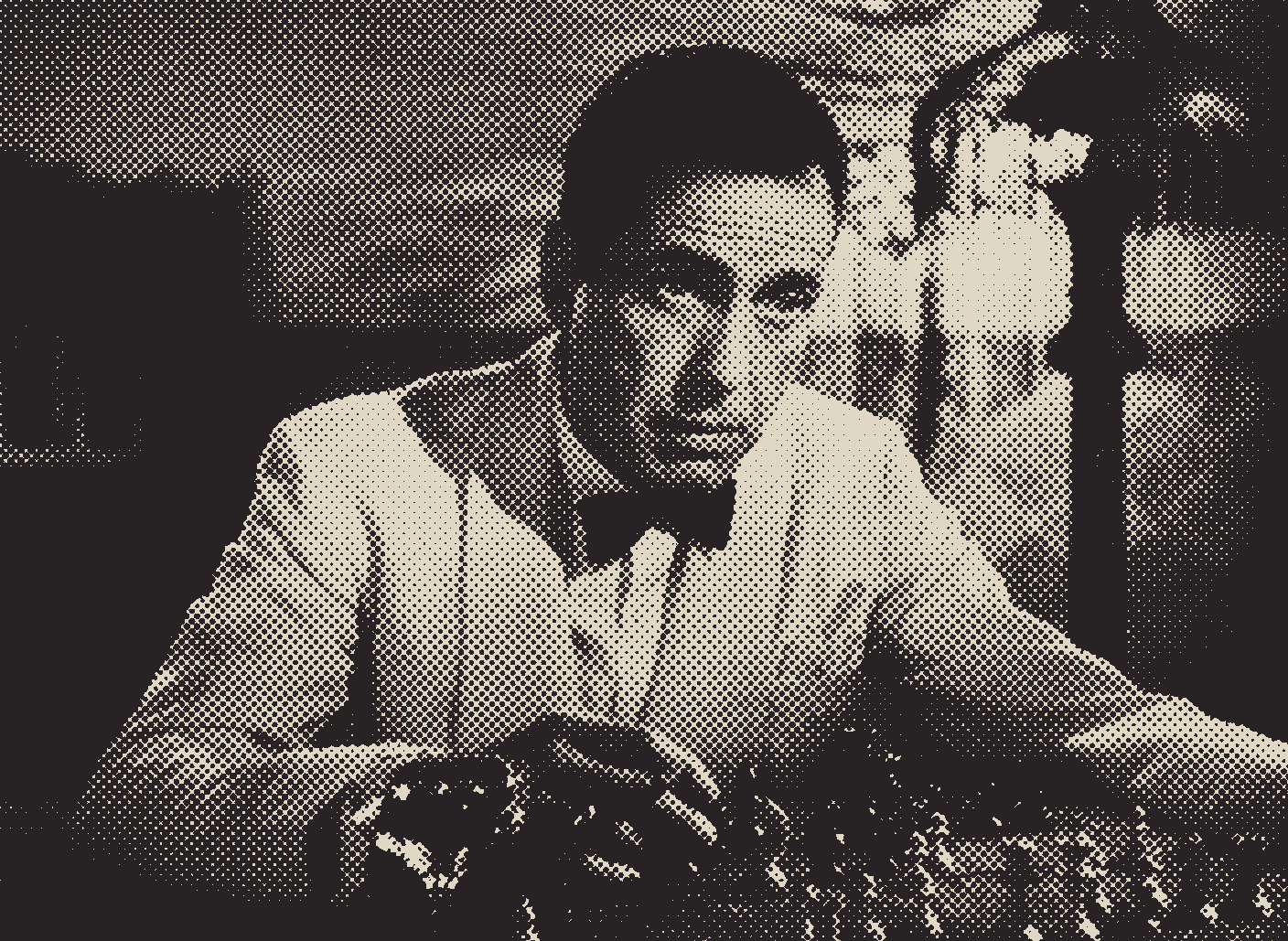
Rick says his out loud, more than once: he sticks his neck out for nobody. Chihiro’s is never spoken. Her mother tells her to quit whining because it’s an adventure, her parents drag her along, and for an hour she does what she is told. Max’s is narration, before the title: a man reduced to a single instinct, survive. Neutrality, compliance, running. They are the same move. Each keeps the character out of it, and each looks from the outside like doing nothing.
That is what the word passive is pointing at when a reader uses it. Not inaction. A refusal to commit to anyone, which the story has made look like inaction. Name it as a Bad Habit and the whole diagnosis changes, because a habit is something a story can put pressure on. “Does nothing” is not.
So give it a line. If your protagonist has a sentence they would say when asked why they don’t get involved, write it down. Rick’s is the whole first act in seven words: “I stick my neck out for nobody”. We quickly learn that doing nothing for anyone else, is also a decision he makes, it is not just inaction. And he needs to repeat this line a few more times - even when he stops believing it himself.
Show they haven’t always been like this
A habit has a history, and the reader needs to see it early, because a character who was born passive has nothing to recover. Every one of these films plants, in its first minutes, the person the protagonist was before the habit, and lets that person compete with the habit all the way through.
Max’s opening narration does it in two sentences. Once he was a cop, a road warrior searching for a righteous cause, and he is haunted by those he could not protect. The survival instinct is what is left of a protector. Chihiro’s film opens on a goodbye card from her best friend, the life she is being driven away from, and then waits until its last ten minutes to reveal the older history: as a small child she fell into a river and came out alive, and the boy who keeps her alive in the bathhouse is that river. The bond is older than the compliance. Rick’s is delivered by other people, which is the sharpest way to do it. Louis reminds him that he used to be an idealist, and the film later shows Paris: a man who loved without hedging and was left at a railway station with a note. The neck he now won’t stick out for anybody was stuck out once, and it cost him everything.
This is the contradiction the whole story runs on, and it is what a protagonist is made of: a habit that keeps them safe, and something older in them that the habit is holding down. Rick the idealist under Rick the cynic. The girl who holds on under the girl who goes along. The protector under the survivor. Plant the older thing early and the reader spends the film waiting for it, which is what makes an ending feel inevitable instead of arranged. Leave it out and the passive protagonist is passive all the way down, and no ending can rescue them, because there is nobody underneath to come out.
The practical version: somewhere in your first act, let someone who knew your protagonist before say so. Or let the protagonist do one small thing the habit would forbid. Minutes after telling us he sticks his neck out for nobody, Rick refuses to sell his bar to a man who trades in people. The habit says stay out of it. Something older says not that.
Make it work, show what it costs, then shut one door
The first act of a story with a real arc proves the habit works. This is the step most passive drafts skip, and it is where the accusation of passivity usually comes from: a habit that never works reads as the writer’s failure rather than the character’s strategy. That proof is what the first act is actually for.
Rick’s neutrality makes him the most powerful man in Casablanca. Everyone plots in his café and nobody touches him. Chihiro’s compliance is the correct survival strategy for a ten-year-old in a world that turns the disobedient into animals, and doing as she is told is exactly what gets her the job. Max’s running has kept him alive in a wasteland where everyone he knew is dead.
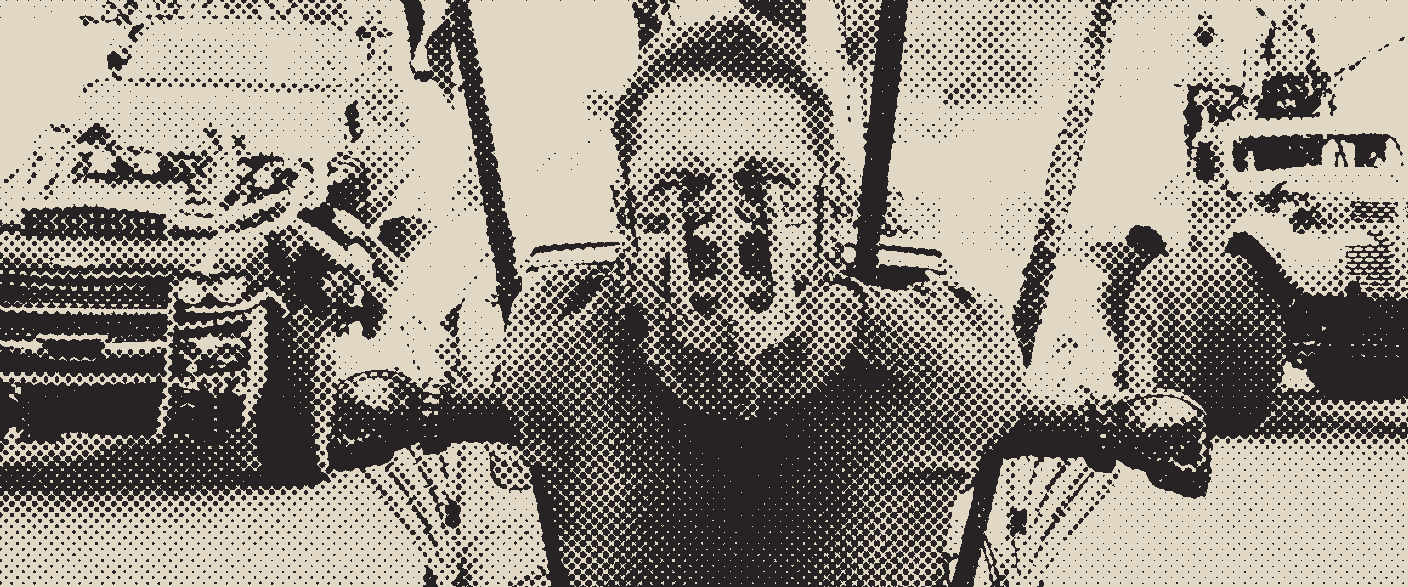
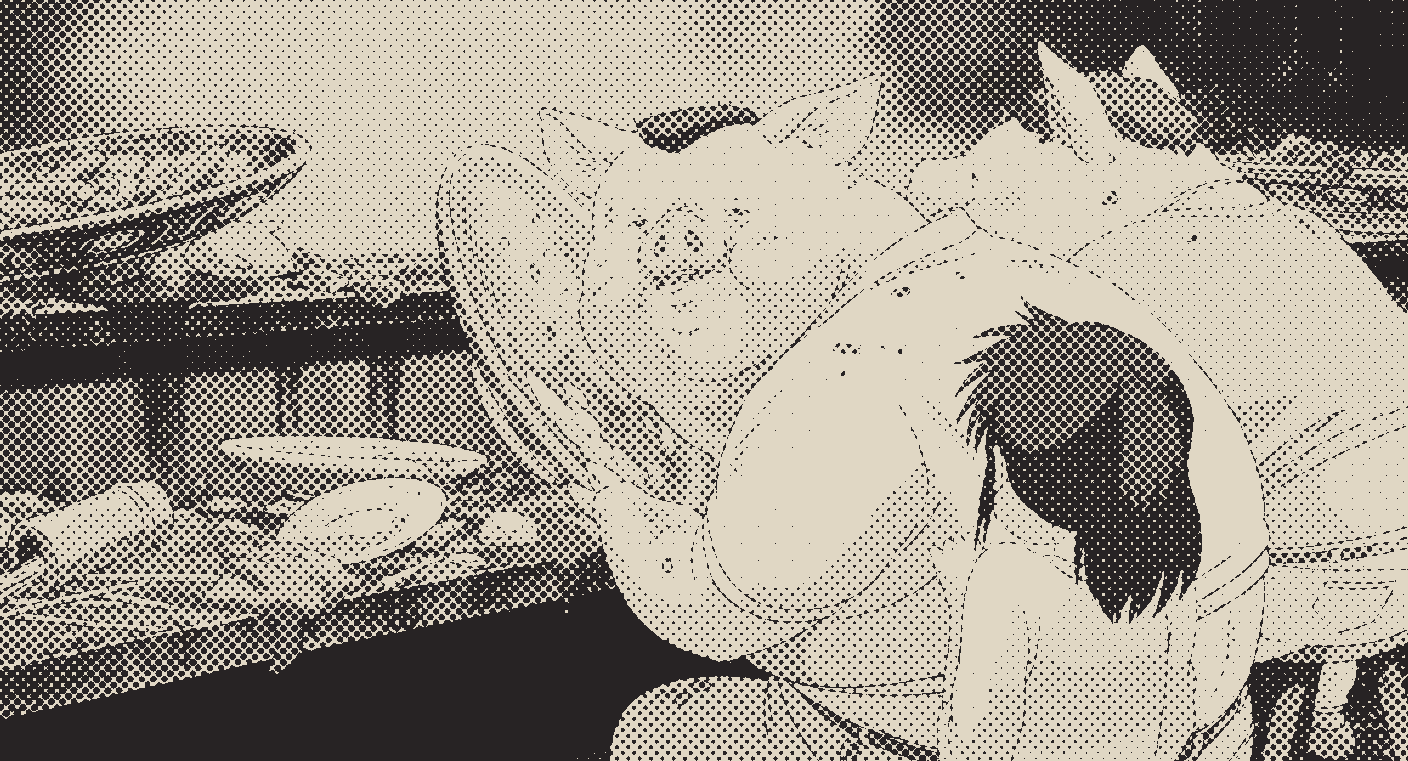
Then, in the same act, show where the habit ends if it is never dropped. All three films do this early and without comment. Rick refuses to help Ugarte when the police come for him, and Ugarte is dead before the night is out. Chihiro’s parents eat what is put in front of them and become pigs. Max is made a blood bag, a body kept alive so that it can keep someone else alive, which is what a survival instinct looks like once somebody stronger owns it.
Do both. The habit wins once, and somewhere nearby a version of it taken all the way is shown for what it is. The reader now knows the price before the protagonist does, and that is the only way the second half can turn.
Then, once, early, before the habit has cost the protagonist anything they care about, do not let it work. Not a punishment. A closed door. Rick has arranged a life nothing can reach, and of all the gin joints in all the towns in all the world, she walks into his. Max takes the war rig and leaves the women behind, which is his habit in full, and the kill switches stall it a few hundred meters down the road. In Spirited Away she fades, because a child that just goes along with everything disappears. A boy has to feed her a berry to keep her solid, because the world will not let her go along all the way to nothing.
That closed door is the beat that tells a reader the film knows what it is doing. The habit is not a flaw the story failed to notice. It is a strategy the story has decided to break, and it says so early.
Let them win with it
Halfway through, give the protagonist what they have been chasing, and let them get it with the habit intact. The Tale Spinning Method calls this the False Victory, and it is the beat passive drafts most often lack, because a protagonist who does nothing cannot be handed a win. A protagonist with a working habit can.
Rick’s win is holding the letters of transit. Everyone in Casablanca has to come to him now, and he has just driven Ilsa out of his café by refusing to hear her out. He is safe, and it has cost him the one person who could make him use the letters. Chihiro’s win is the river spirit: she finds the thorn nobody else can find, the whole bathhouse cheers, and the witch praises her. She has done it as Sen, the name she was given, by going along. Max’s is the far side of the canyon, clear of the war party with a head start, having driven away from every fight he could. One of the women is already dead, and the Green Place they are driving toward does not exist.
The shape is the same each time. A real win, won the wrong way, with the cost visible to the audience and not yet to the protagonist. If your middle sags, this is usually the beat that is missing, which is why the fix is never more complications.
Crack it on a stranger
The first time your protagonist commits to someone, make it small, make it cost them, and make it for someone who cannot pay them back. All three films place this beat at almost the same point, a little past the two-thirds mark, and all three make it a stranger.
Rick rigs the roulette table so a Bulgarian girl he has met once does not have to sleep with the police captain for a visa. It costs him money, and it costs him Louis’s respect for his cynicism. Chihiro refuses No-Face’s gold, the first outright refusal in her film, and the thing refused is the same thing her parents ate. Max walks off alone into the dark to deal with a pursuing car, which is his habit, and comes back covered in blood carrying a steering wheel and bullets for the rig, which is not.
None of these is the choice. They are the crack. The habit is still running in every case: Rick refuses Laszlo the letters a few minutes later, and Max still refuses to cross the salt. But the reader has now seen the protagonist do the thing they said they never do, and the ending stops being a surprise and starts being inevitable.
Say the line one last time
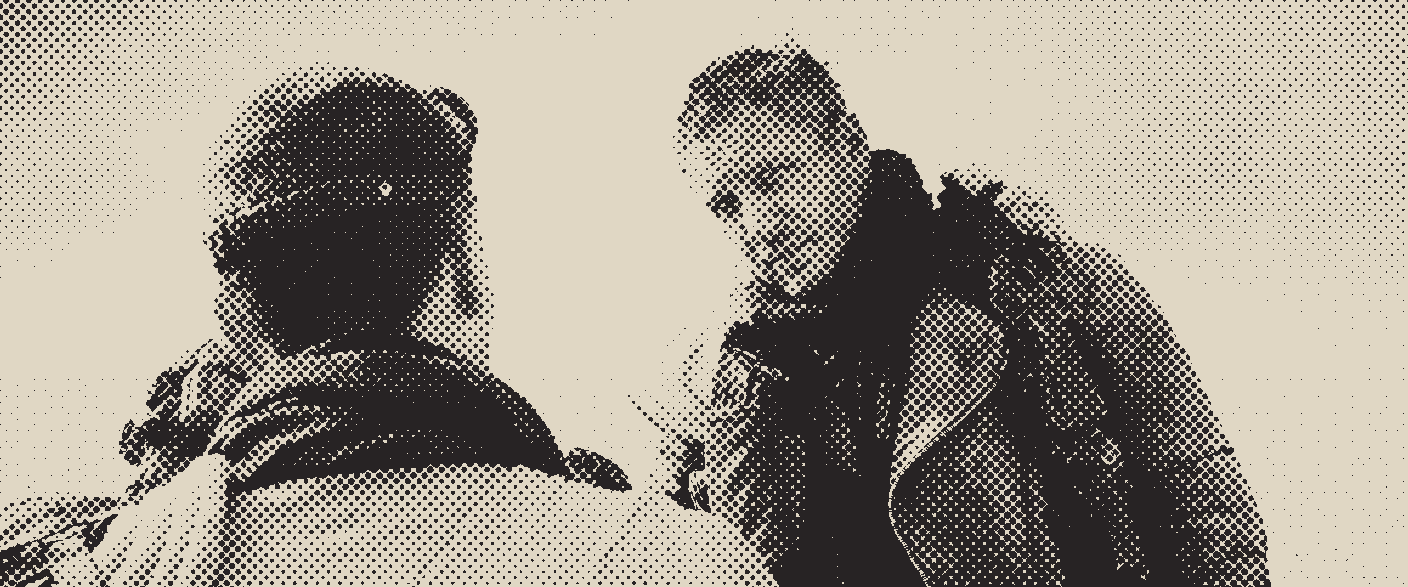
Here is where the line from the first step goes. All three films let the habit speak at its loudest right before it breaks.
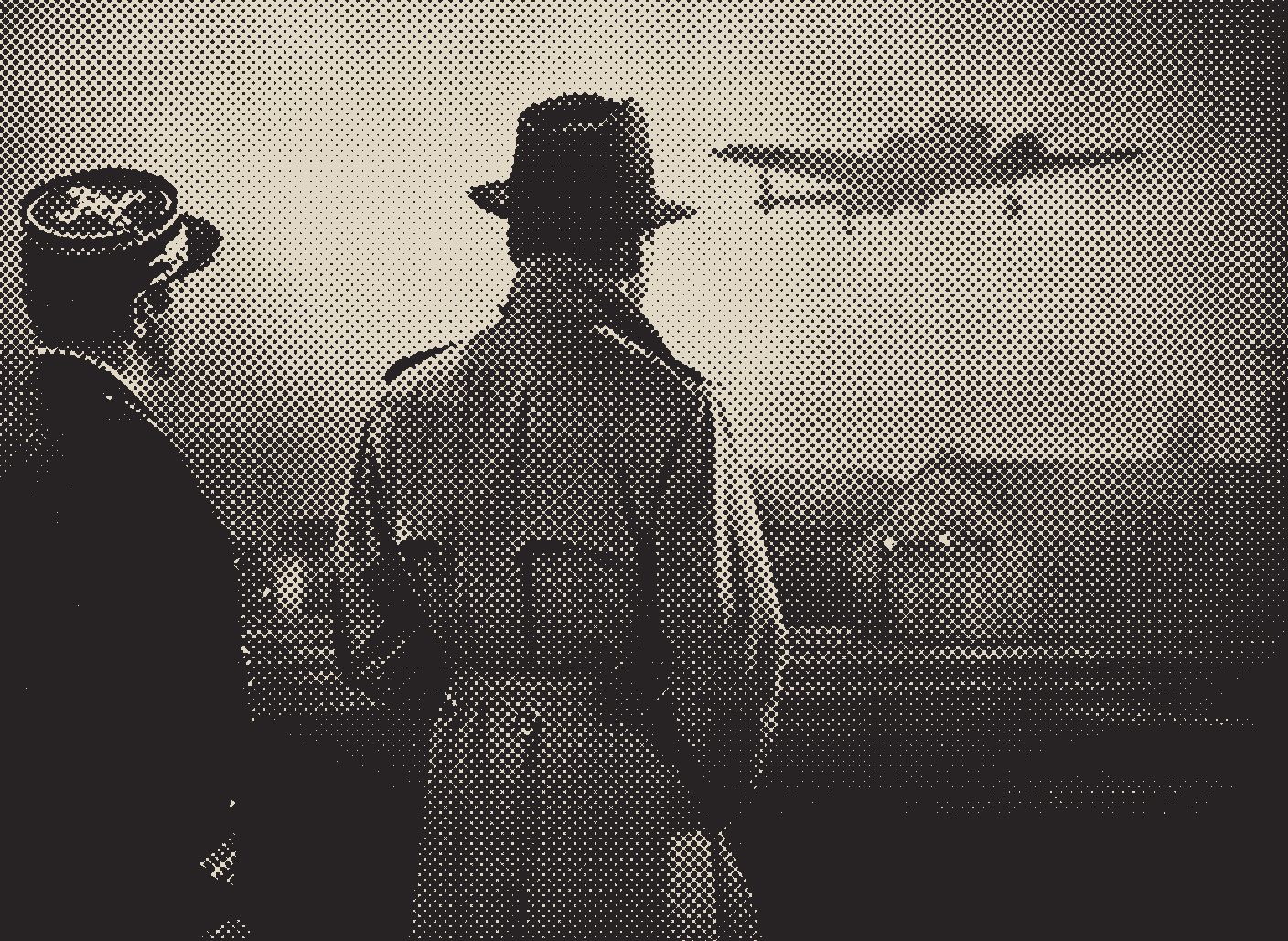
Rick, to Ilsa, with the café shut and the fight at his door: he isn’t fighting for anything anymore except himself. He is the only cause he is interested in. Seventeen minutes later he puts her on the plane. Max, offered a motorcycle and a place among the women crossing the salt: he’ll make his own way. Hope is a mistake. Four minutes later he turns the whole convoy around.
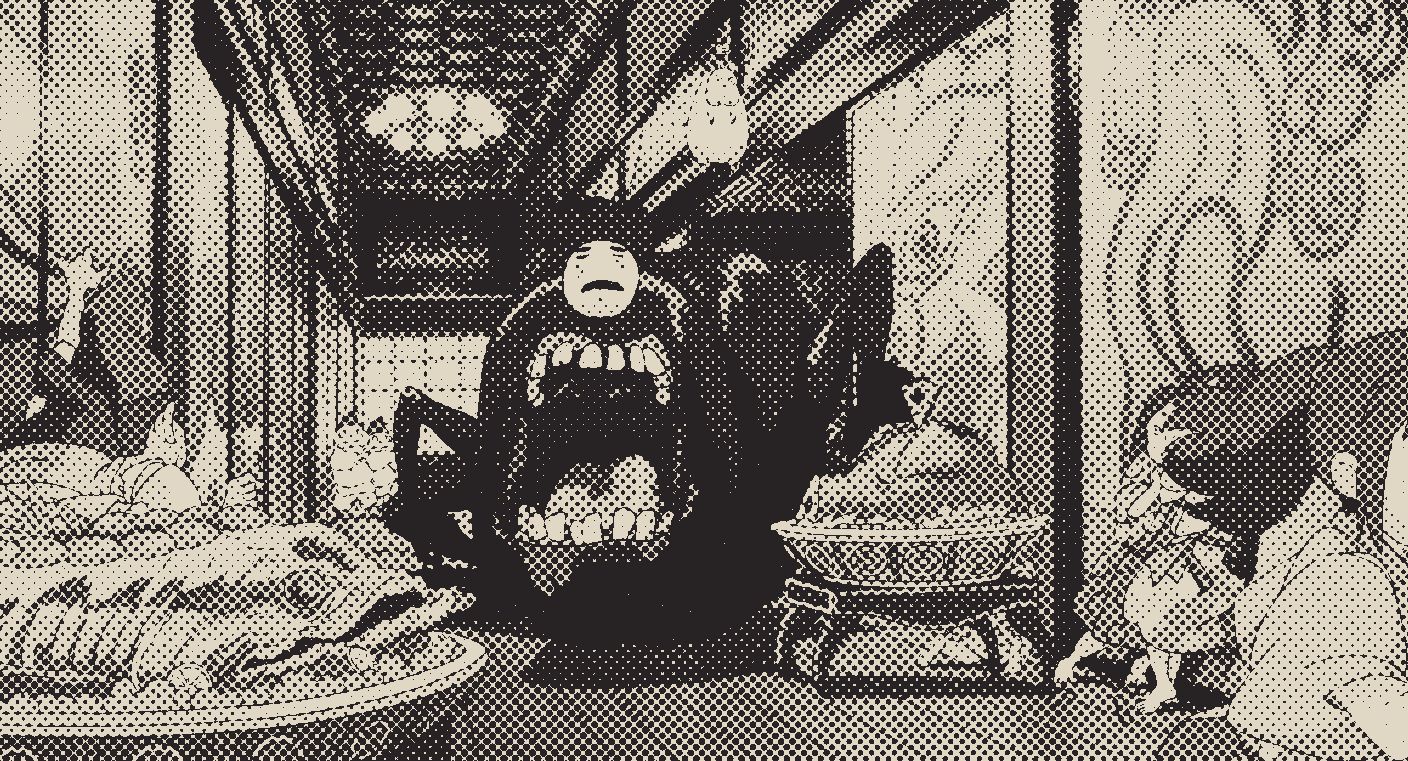
Chihiro’s is the strangest of the three, because she says it in the same breath as the act that ends it. Cornered by No-Face, who has swallowed half the bathhouse by now, she tells him: if you want to eat me, eat this first. I was going to save it for my parents, but I think you’d better have it. That is going along in its purest form, a child offering herself up and handing over the one thing she was keeping. And what she hands him is the river spirit’s medicine, which empties him out. The habit’s last words are the act that kills it.
This is not a trick. It is how a reader hears a habit die. The line has to be said with full conviction, by a character who means it, right before the moment they can no longer mean it. A protagonist who has been quietly softening for an hour gives the ending nothing to break. Put the line where it hurts.
Make the choice theirs, and make it cost the prize
Now the ending, and the rule that separates the passive protagonist from the one who only looks passive: the plot may carry them everywhere except into the decision.
Rick tells Ilsa she is getting on the plane with Victor. Nobody else in the film could make that choice, and it costs him the thing he has wanted since Paris. Chihiro stands in front of a row of pigs and says none of them are her parents. Nobody told her the answer. The witch, the boy, the boiler man, the old woman in the swamp have all carried her to this point, and none of them can take the test for her. Max, watching the women ride away, sees his dead daughter, turns back, and tells them the plan: go back and take the Citadel. It is the first time in the film he proposes staying with people instead of leaving them, and it is his plan, not Furiosa’s.
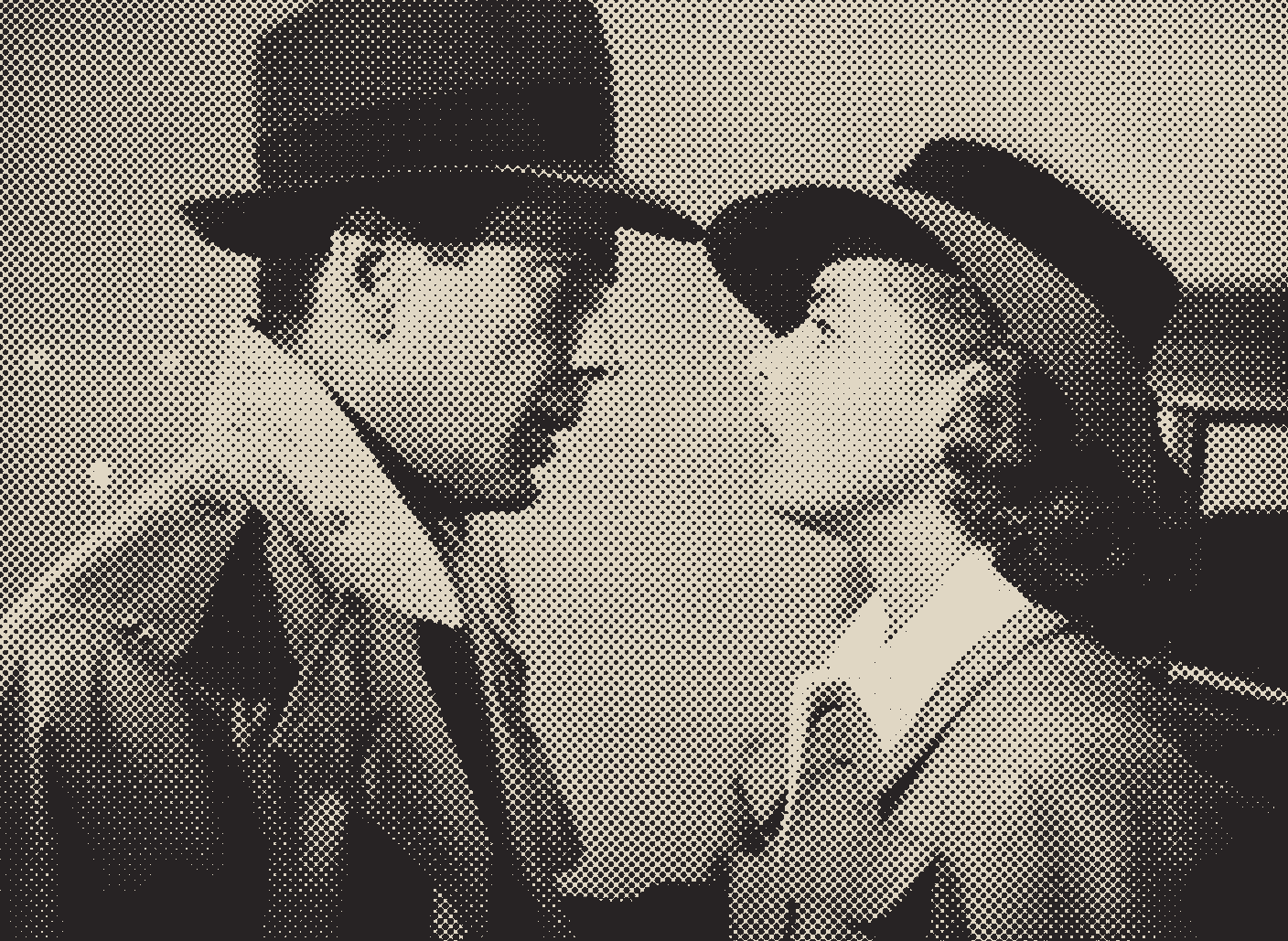
Notice what the choice costs in each case. Rick loses Ilsa. Chihiro gives up Sen, the name and the place she has earned. Max gives up the road, and then, with Furiosa bleeding out, gives up his blood and finally his name. The thing the habit was protecting is what the choice spends. If your protagonist’s final decision costs them nothing they were guarding, it is not the end of a habit. It is a trade.
And notice who it saves. In the Tale Spinning Method the character the protagonist drops the habit for is the Muse, and in all three films the Muse is the one person the habit could not afford to care about. Laszlo, the man who sticks his neck out for everyone. Haku, who does not go along with anyone and has forgotten his own name. Furiosa, who runs on the hope Max’s law forbids. The choice frees them. Laszlo flies, Haku gets his name back, Furiosa is lifted into the Citadel while the water comes down. The prize, where there is one, arrives afterwards or not at all.
The test for your draft
Go through your story and list the decisions that turn it. Not the events. The decisions. In the Tale Spinning Method these are the Transition Scenes, and the diagnosis for a draft that feels passive is nearly always that they belong to someone else.
Run it on Fury Road, the most accused of the three. Furiosa starts the plot, drives, holds the destination, and kills the villain. All true. And every decision that turns a sequence is Max’s: he takes the rig, he drives into the canyon, he says keep going, he goes out alone, he refuses the bike, he turns the convoy around, he opens his own vein. The film gives Furiosa the wheel and Max the choices. That is why it gets called passive, and that is why it isn’t.
If the decisions in your draft are your protagonist’s, then “too passive” is the wrong diagnosis, and what the reader is actually reacting to is one of the beats above being absent. Most often it is the third one: the habit never worked, so nobody believed it was worth keeping. Second most often it is the second: nobody underneath, so nothing to come out. If the decisions belong to someone else, you have not written a passive protagonist. You have written the wrong one, and no amount of goals will fix that.
Write down what your protagonist does to keep themselves out of it. Then find the one scene where they can’t.
Tale Spinning is a method that grows stories from theme and character outward. Every beat earned, every beat inevitable. Works whether you're writing your own, evaluating someone else's, or developing with a team, across screenplays, novels, comics, and stage plays.
Keep reading
August 27, 2026
What Should Happen in the Third Act of a Story
Third act advice says resolve everything and pay it off. That is how endings become trades. The third act is one choice, and the trap is that it looks like it should be about the prize. Good Will Hunting gets it right by refusing that.
Read →
February 6, 2026
The Villain Protagonist Problem: Why Training Day Isn't About Jake
Learn why your villain is more compelling than your hero - and why that's not a problem. This guide explains the Kind Tragedy story structure, where the villain is actually the protagonist. Using Training Day as a case study, discover how to identify your true protagonist and build stories where the hero saves the day but the villain drives the plot.
Read →Every term used here is defined in the glossary.