What Should Happen at the Midpoint of a Story?
You know this spot. The opening is written and you like it. Your character has been thrown into something new, they have struggled, things have happened. And now you are somewhere around the middle, and you do not know what comes next. So you add another obstacle. Then another one. And the story starts treading water.
At the midpoint of a story, your Protagonist should get what they think they are after. They win it with their Bad Habit still in place, so the win looks like the ending and is not. The second half of the story is what that win costs them, until the Protagonist drops the Habit and gets what they actually needed. In the Tale Spinning Method this is the False Victory: halfway through, the character gets what they want, not what they need.
So the answer to “what happens next?” is not another problem. It is a win. Your character should get what they want, and it should be the wrong thing.
Why a win, and why now
Think about what your first act has been doing to your character.
They came into the story with a way of getting by. Maybe they push people away before anyone can leave. Maybe the job always comes first. Maybe they trust nobody. Somebody taught them that, a long time ago, and it kept them safe. I call it the Bad Habit, but your character would never call it that. To them it is just how you survive.
Then you dropped them somewhere new: a job, a city, a war, a game. Somewhere that does not seem to like them much. And for a while the old way of getting by stopped working. They fumbled. They got told they did not belong. That is probably the part you have just written.
Now look at what you have been tempted to do next: make it harder. But your character is already struggling. More struggling tells the reader nothing new.
What the reader has not seen yet is the old way working here. So let it. Somewhere in the second act your character figures out that if they just push the Habit a little harder, the new world gives in. They stop fumbling. And at the midpoint, they win.
A win is the one thing that keeps them from changing. The Habit just paid off, in front of everyone. Why would they give it up? Everything after this is the story taking that win apart.
Here is how three films do it, and what you can take from each one for your own pages.
First, know what they think they want
Before your character can win, you need to know the prize. Not what they need. What they think they want, the thing they would tell you if you asked them on page one. I call it the McGuffin.
In The Devil Wears Prada, Andy wants to be a journalist, and she has never heard of Miranda Priestly. Emily, who already works for her, sets her straight before Miranda has even arrived:
“She’s the editor-in-chief of Runway magazine. Work for her for a few months and you can get any job you want.”
That is why Andy takes the job. She does not care about fashion. She cares about the door, and Miranda is the one holding it. So the prize is Miranda’s approval. Nigel spells it out when Andy still has not understood: Miranda’s opinion is the only thing that matters.
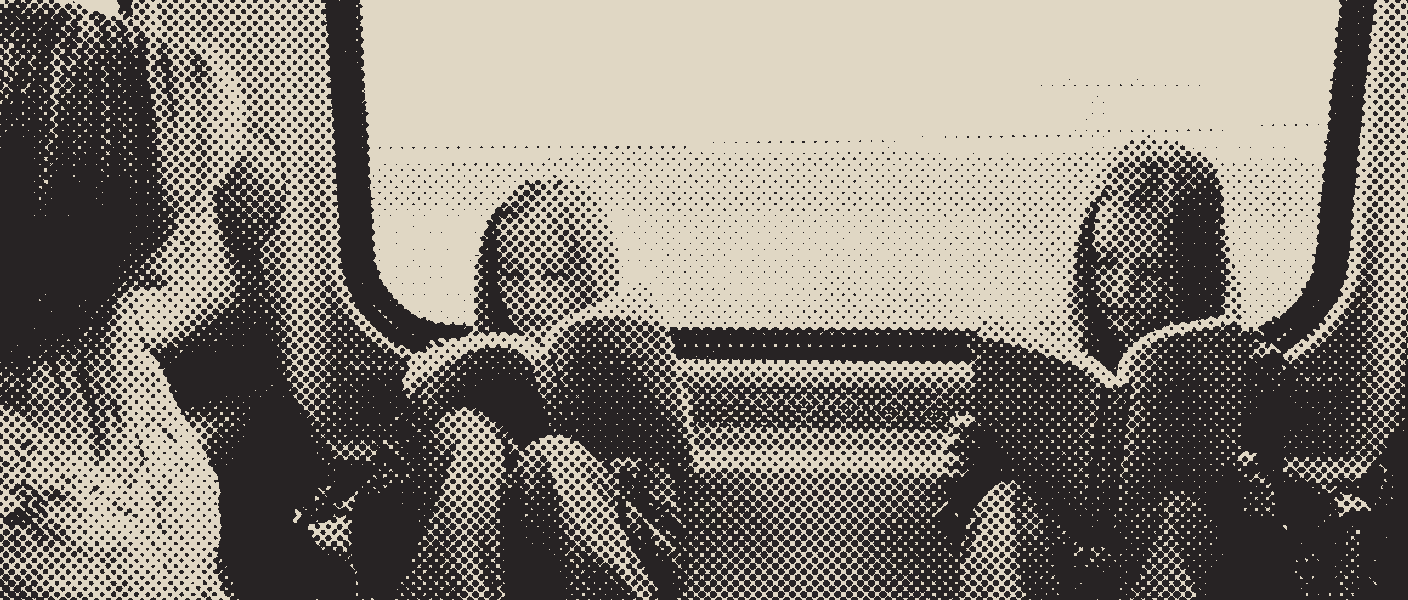
For half the film she gets none of it. Then Miranda sends her after the new Harry Potter manuscript, before it is published. Andy is ready to quit. Instead she gets the book through Christian, a writer she met at a party, and Miranda gives her a nod.
That is it. A nod. I love how small it is. It is the first approval Andy has ever had from Miranda, it lands right at the Midpoint of the film, and it is exactly the thing she came for.
For your draft: write down, in one line, what your character would say they want. Not the theme, not the lesson. The prize. Then find the scene, around the middle, where they get it. If it is something as small as a nod, good. It only has to matter to them.
Then, let the Habit win it
The prize has to be won the wrong way. Not by your character’s best self, but by the very thing they will have to give up.
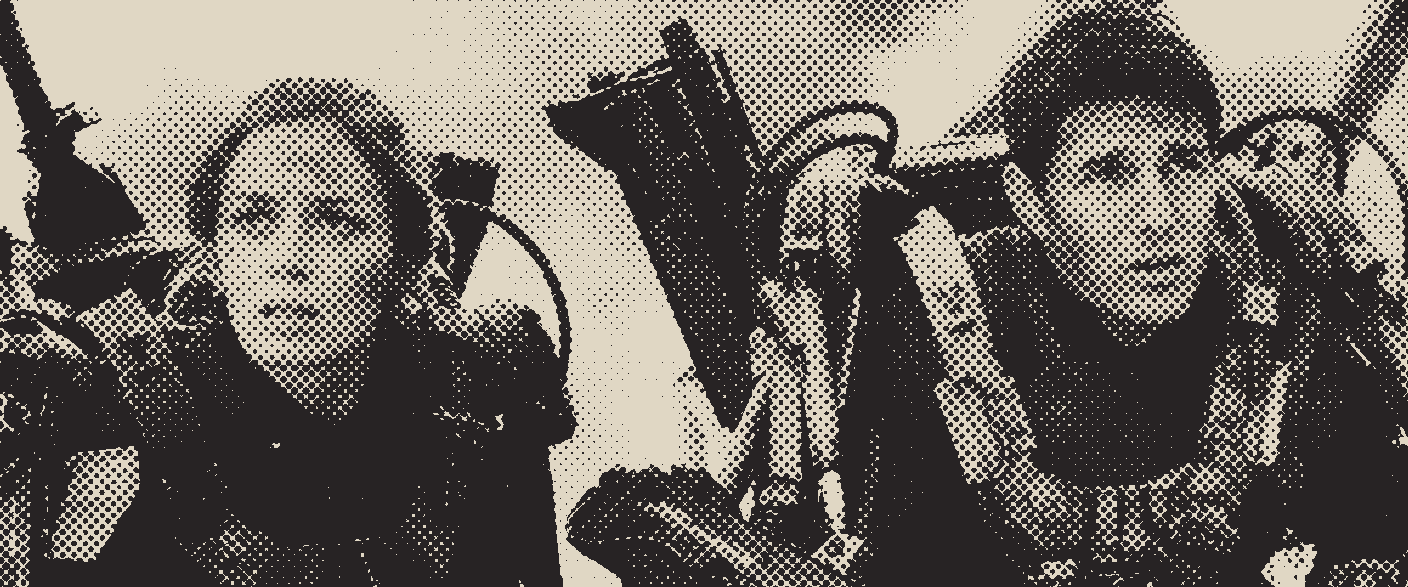
Andy gets the manuscript by doing what she has been doing all along: putting the job first. Edge of Tomorrow shows this even more clearly.
Cage is a public relations officer who never meant to see combat. His Bad Habit is looking after himself, at anyone else’s expense. The film opens with him trying to blackmail his way out of the invasion. It does not work. He is dropped on the beach with the first wave, dies, and wakes up back at the base the day before. Every time he dies, the day starts over.
Rita, the war hero who once had the same loop, trains him. The job is to get them off the beach. Cage walks out at one point and goes for a drink, and only comes back when the war reaches London.
Then they get off the beach. It took half the film, and it is a real win. You feel it.
But it cost him nothing. He got there by dying, as often as it took. Every risk came with an undo button. A coward can look very brave when nothing he does is for keeps. The Habit is still in place. He has only learned to make it look like courage.
For your draft: look at how your character wins the prize. What did they use? If the answer is their kindness, their honesty, their courage, you have skipped ahead. That is how your story ends, not how it turns. Make them win with the Habit, or with whatever lets them hide it, the way the loop lets Cage hide his.
Make the win feel right to them
The best midpoints feel like vindication. Your character does not just win, they get proof they were right all along. That is what makes letting go of the Habit so hard later.
The Game is one of my favourite films to take apart, and its midpoint is easy to miss, because nobody wins anything you can hold.
Nicholas Van Orton is rich, alone and all business. For his birthday, his brother Conrad gives him a game run by a company called CRS, and the closest thing to a rule he gets is that discovering the object of the game is the object of the game. So that is what Nicholas wants: to know what the game is.
By the middle of the film he thinks he knows. A hotel room in his name has been trashed and filled with photos meant to compromise him. He goes after Anson Baer, the publisher he had been forcing out of his own company, and yells at him with the photos in hand, only to find Baer has already retired. Then he sits down with his lawyer, Sam, and lays it out. The insurance form he signed at CRS is blank now, written in disappearing ink. It is a scam, Nicholas says, and he is being toyed with by a bunch of depraved children. Sam offers to look into it, and Nicholas lets him.
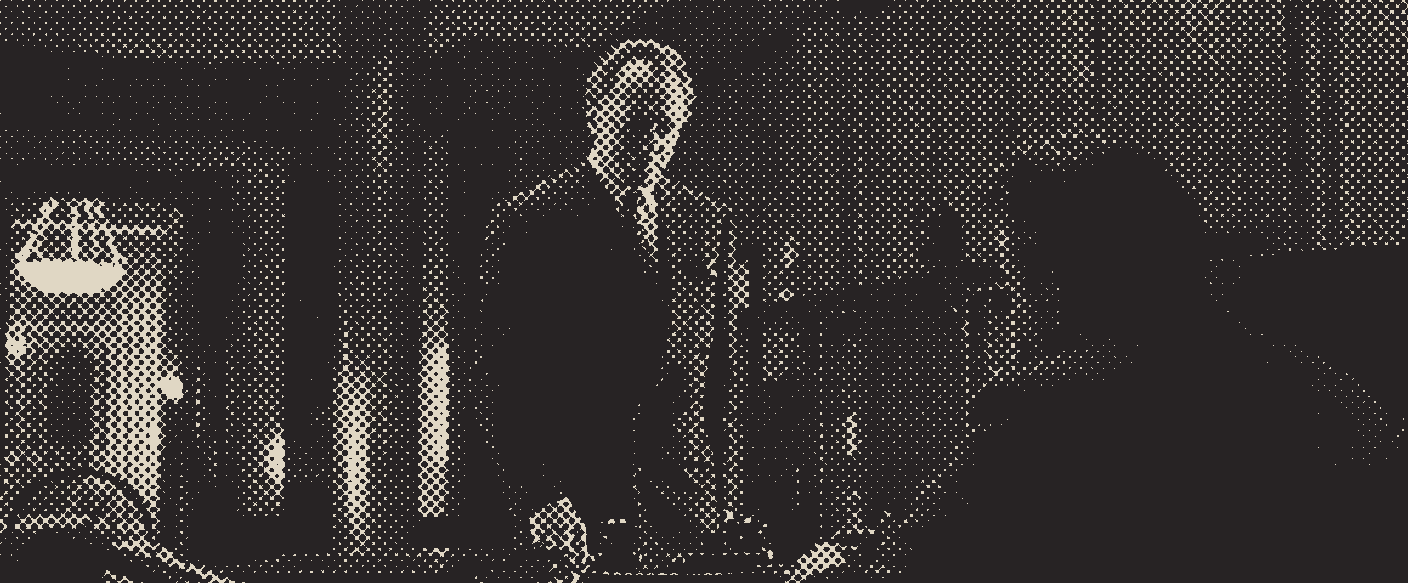
For a cynic, that is winning. He expected the worst of everyone, and here is the proof. He has his answer, he takes no responsibility for any of it, and he hands the mess to a man he pays to clean it up. Exactly how he has always handled things.
For your draft: ask what your character believes about the world, deep down. Then make the midpoint prove them right. Andy believes the job comes first, and the job pays off. Cage believes you look after yourself, and he gets off the beach without risking anything for good. Nicholas believes nobody can be trusted, and he is right. The more right your character feels here, the harder the second half will hit.
Then send the bill
A False Victory has to cost something, and it should not take long. In all three films the bill arrives within a few scenes.
Andy tells Nigel her personal life is hanging by a thread, and he tells her that is what happens when you do well at work. She works through her boyfriend’s birthday. Miranda takes her to Paris instead of Emily, and Andy is the one who has to tell Emily.
Cage starts to care about Rita, and keeping her alive becomes what he wants, which is still about what he wants. He goes on alone. He finds the dam where the Omega, the creature behind the invasion, was supposed to be, and it is empty. The beach was only halfway there. Soon after, he loses the loop. Now he has to be brave for real.
Nicholas gets home and finds his house broken into, with a note left as if in his own voice, choosing to die the way his father did. Later Christine, the waitress who has been caught up in all of this since the restaurant, will tell him that Sam was in on it all along.
For your draft: take the scenes that made your first half fun and run them again with the price attached. Same Habit, same moves, but now they cost your character something they care about.
And notice where the films end up. Andy throws her phone in a fountain rather than answer Miranda. She no longer needs the approval. Then she interviews for another job, and Miranda’s review of her is glowing. She gets the prize at the exact moment she stops chasing it.
Cage beats the aliens when he is willing to sacrifice himself. Nicholas beats the game once he stops blaming everybody else and starts taking responsibility for his own situation.
That final reward, the one that only comes once your Protagonist has fundamentally changed their ways, I call Heaven on Earth: not what your character wanted, but what they needed.
If your middle still feels stuck
Read your midpoint and ask yourself three things.
Does your character win anything? If they are still struggling at the halfway mark, the middle will drag no matter how much happens. Give them the prize.
Does it feel like about 80 percent of an ending? It should feel like a real win with something missing. The missing part is the Habit, still in place. If it feels complete, you have written your ending in the middle. If it hardly feels like a win, the prize was not worth chasing.
Did they win it the wrong way? If they won with their best self, you have started the third act early. Go back and let the Habit do it.
It works the same way in a lot of films you probably know. Elle’s internship in Legally Blonde is the same beat. Cruel Comedies have one too: Michael Corleone’s revenge in The Godfather is a False Victory that costs him everything after it.
Halfway through, let your Protagonist have what they want. The rest of the story is about what they need.
Tale Spinning is a method that grows stories from theme and character outward. Every beat earned, every beat inevitable. Works whether you're writing your own, evaluating someone else's, or developing with a team, across screenplays, novels, comics, and stage plays.
Keep reading
July 27, 2026
What Should Happen in the Second Act of a Story
Second act advice says raise the stakes and add complications. That is the instinct that makes middles sag. The second act is not where things get worse for your protagonist. It is where things get better, using the exact behaviour that will cost them everything.
Read →

August 27, 2026
What Should Happen in the Third Act of a Story
Third act advice says resolve everything and pay it off. That is how endings become trades. The third act is one choice, and the trap is that it looks like it should be about the prize. Good Will Hunting gets it right by refusing that.
Read →Every term used here is defined in the glossary.